What is Cold Plunging? Your Beginner's Guide to Wellness
https://pub-9a4dedcce6dc4846a9c4647f79a2e5fc.r2.dev/cold-plunge-pal/blog/what-is-cold-plunging-your-beginner-s-guide-to-wellness/hero-1771902459.webp
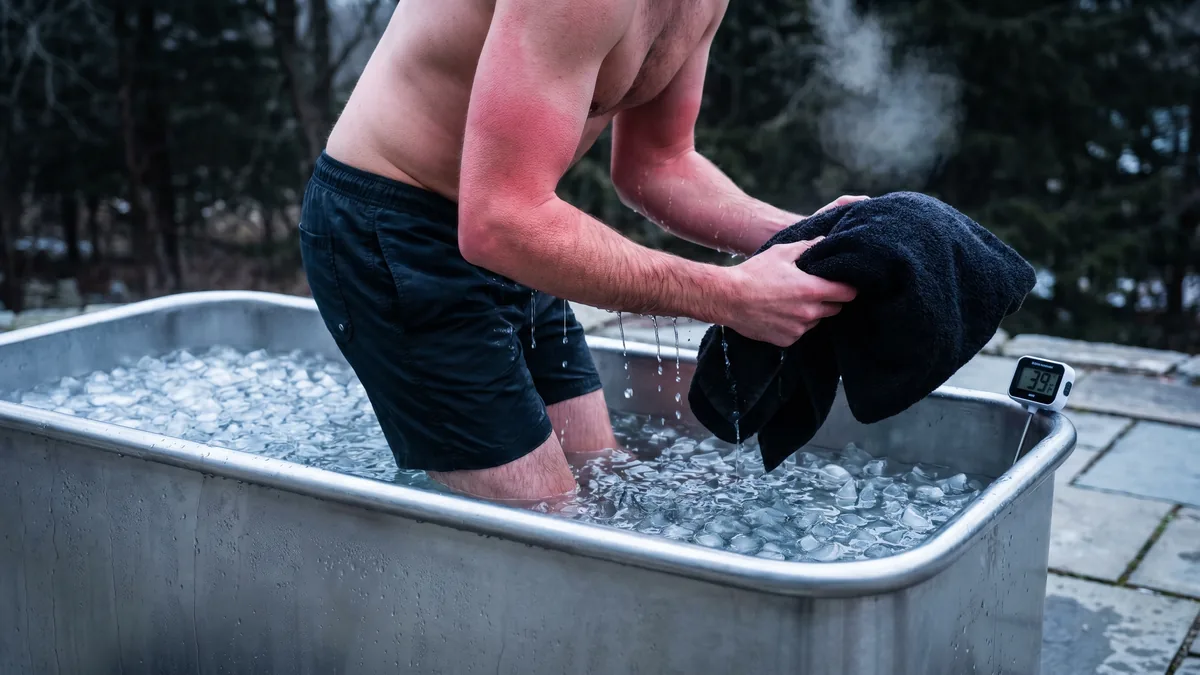
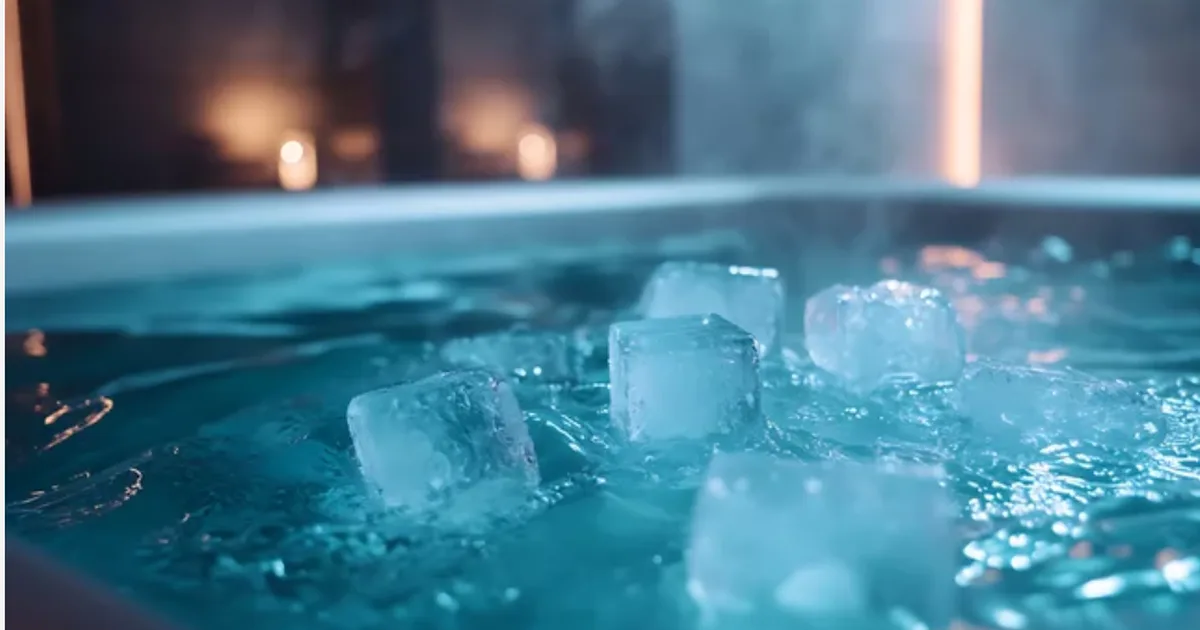
Picture this: someone signs up for their first session at a local cold plunge facility, walks in expecting something like a really cold pool at the gym, and then stands at the edge of a 50°F tank wondering why their body is already trying to talk them out of it. They thought cold plunging was basically just a dramatic ice bucket challenge. It is not. Not even close. Cold plunging is a structured, deliberate practice of immersing your body in cold water, usually at or below 50°F, for specific, measurable health and recovery benefits, and it has been building serious momentum as a mainstream wellness tool over the last few years.
A lot of people stumble onto this practice after hearing athletes talk about ice baths or seeing someone on social media climb out of a frozen lake looking annoyingly calm and energized. And now, with nearly 2,000 professional cold immersion centers, plunge pool spas, and recovery wellness centers operating across the U.S., you do not have to find a frozen lake. You can just book an appointment.
This guide covers everything a first-timer needs to know before walking through that door: the science, what to expect, how to pick a good facility, and the numbers behind just how fast this industry has grown.
What Actually Happens to Your Body in Cold Water
Your body's first reaction to cold immersion is immediate and pretty dramatic. Blood vessels near the skin's surface constrict fast, pushing circulation toward your core organs. Your heart rate spikes. Your breathing goes shallow and quick. For about 30 to 60 seconds, your body is basically in mild shock, and your brain is loudly suggesting you get out. That window is actually where a lot of the benefit starts.
Vasoconstriction, that rapid narrowing of blood vessels, reduces localized inflammation and can significantly cut down on post-exercise muscle soreness. When you exit the cold and your body warms back up, those vessels dilate again and circulation surges, flushing metabolic waste out of muscle tissue. It's a bit like squeezing a sponge and releasing it. That mechanism is a big reason why athletes have been sitting in ice baths after training for decades.
But recovery is only part of the story. Cold immersion also triggers a real neurochemical response. Norepinephrine levels can spike dramatically, some research suggests increases of 200 to 300 percent, which plays a role in mood, focus, and reducing anxiety. Endorphins get released too. A lot of regular cold plungers describe a feeling after their session that sounds almost like a mild euphoria, and honestly, the physiology backs that up.
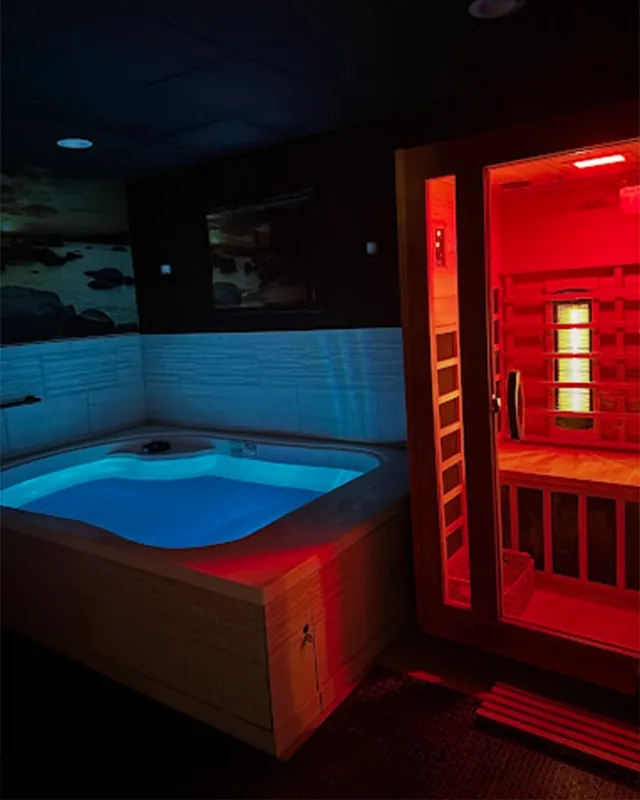
Contrast therapy takes this further. Many cryotherapy studios and contrast therapy studios pair cold plunge sessions with sauna or hot tub time, alternating between hot and cold exposure in cycles. The cardiovascular workout this gives your circulatory system is genuinely impressive, vessels expanding and contracting repeatedly in a controlled way that most forms of passive recovery can't replicate.
Studies suggest that cold water immersion can increase norepinephrine by 200–300%, contributing to improved mood and mental clarity. Pairing cold with heat in a contrast therapy session may amplify both the circulation benefits and the neurological response.
Types of Facilities and What a Session Actually Looks Like
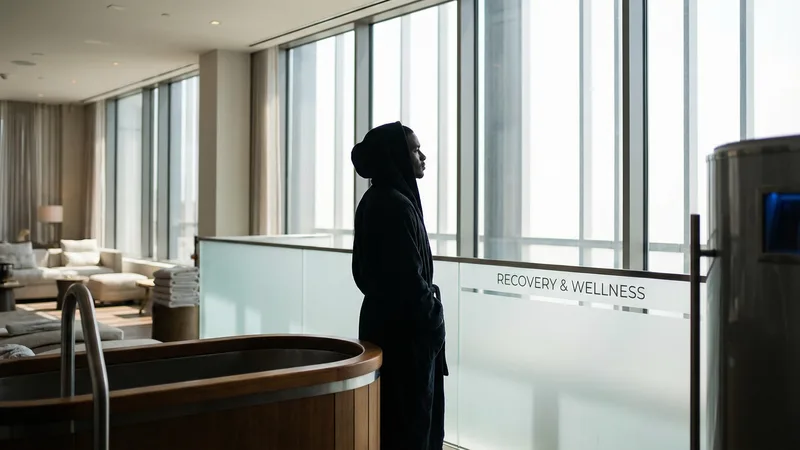
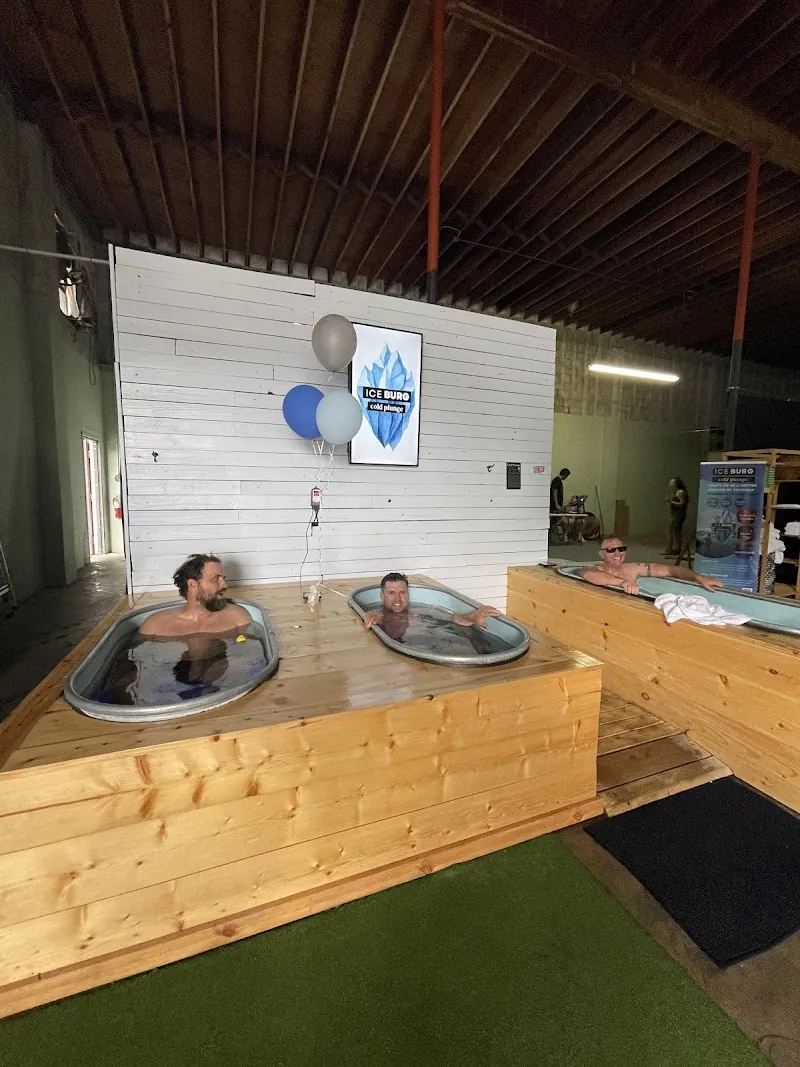
Not all cold plunge experiences are the same, and the type of facility you visit shapes the session a lot. A standalone cold immersion center is usually focused specifically on cold water therapy, think temperature-controlled tanks, clean minimalist spaces, sometimes individual pods, and staff who know their stuff about cold protocols. These places feel clinical in a good way. There is often a faint smell of treated water and the quiet hum of chillers keeping the tanks at precise temperatures.
Then there are recovery wellness centers, which bundle cold plunging alongside other modalities, compression therapy, red light therapy, IV drips, that sort of thing. Next Health in New York, NY is a good example of this kind of operation, sitting at a perfect 5.0-star rating with over 1,100 reviews. These facilities tend to attract people who are building a broader recovery routine, not just dipping their toes (literally) into cold water.
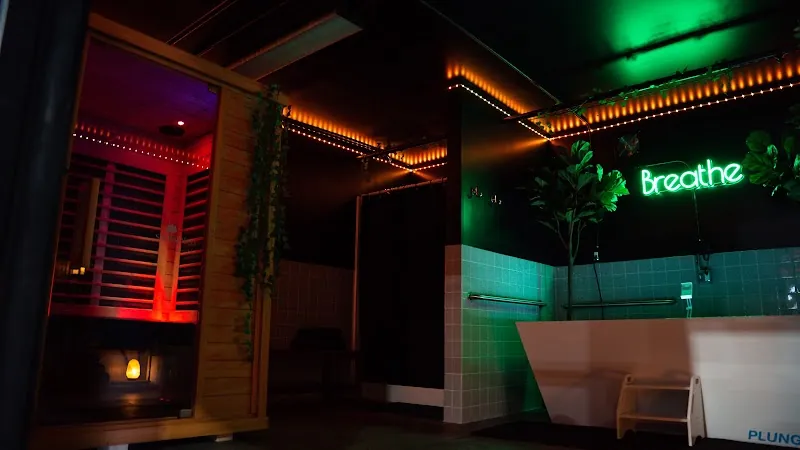
Contrast therapy studios are a different vibe entirely. You walk in, and there's usually a sauna or steam room alongside the cold plunge pools. Sessions are structured around cycles, maybe 10 to 15 minutes of heat followed by 2 to 3 minutes in cold water, repeated several times. It feels ritualistic in a way that a solo cold tank session does not, and a lot of people find it more manageable as a starting point because the heat sessions give your mind a reward to look forward to.
A typical first session at a professional cold water therapy center runs about 2 to 3 minutes in the cold at a beginner-friendly temperature, often 55 to 60°F rather than the more extreme 45 to 50°F that experienced plungers might choose. Staff at reputable facilities will walk you through breathing techniques, tell you what to expect physically, and keep an eye on how you're doing. Good facilities do not just throw you in and wish you luck.
Session lengths vary by facility and format. Some places offer 30-minute slots that include prep time, breathing instruction, and a warm-up period after. Others sell time in the tank directly, 3, 5, or 10 minutes depending on your experience level and goals. Pricing ranges from about $20 for a drop-in single plunge at a basic cold plunge facility to $80 or more for a full contrast therapy session at a premium cryotherapy spa.
How Big This Industry Has Actually Gotten
Here's a number worth sitting with for a second: 1,934 cold plunge and ice bath facilities are currently listed across major U.S. cities. That is not a niche corner of the wellness world anymore. That is a full-blown industry category.
New York leads with 30 listed facilities, which makes sense given the city's density and wellness culture. But the more interesting story is what's happening outside the obvious markets. Anchorage, Alaska has 25 listed cold plunge facilities, and yes, there is some irony in Alaskans paying to sit in cold water, but the demand is clearly real. Omaha comes in at 20 listings, Las Vegas at 19, and Albuquerque also at 19. Cold water therapy has clearly moved well past the coastal wellness crowd.
Average customer ratings across all 1,934 listed businesses sit at 4.9 stars. That is unusually high for any service category, and it suggests that people who visit these places leave genuinely happy with the experience, not just politely satisfied.
Top-Rated Cold Plunge Facilities in the Directory
| Business Name | Location | Rating | Reviews |
|---|---|---|---|
| Rock and Armor | Meridian, ID | 5.0 ★ | 1,448 |
| Pain Center of Rhode Island | Cranston, RI | 5.0 ★ | 1,207 |
| Fire & Ice Wellness | Bristol, England | 5.0 ★ | 1,199 |
| Next Health | New York, NY | 5.0 ★ | 1,142 |
| Remède IV Therapy + Aesthetics - Jackson Hole | Jackson, WY | 5.0 ★ | 948 |
Rock and Armor in Meridian, Idaho is the most-reviewed facility in the directory with 1,448 reviews at a perfect 5.0 stars. That is not a fluke. A review count that high with a perfect score means consistent quality across hundreds of actual client visits, not just a handful of enthusiastic early adopters.
Getting Ready for Your First Cold Plunge
Most first-timers show up underprepared in one specific way: they focus on how cold it will be and forget entirely about breathing. Controlled breathing is the single most important skill you bring to a cold plunge session. When cold water hits your skin, your body's instinct is to gasp and hyperventilate. Fighting that reflex through slow, deliberate exhales is what keeps you calm, keeps your heart rate from spiking dangerously, and is honestly what separates a good session from a miserable one.
Practice box breathing before you go. Inhale for four counts, hold for four, exhale for four, hold for four. Do it until it feels automatic. You will thank yourself at around the 45-second mark of your first plunge.
For what to wear: a standard swimsuit works fine. Some people wear neoprene socks if their feet are particularly sensitive to cold, but most cold therapy studios do not require anything beyond a swimsuit. Bring a towel, and if you run cold in general, bring a dry robe or warm layers for after.
Do: Arrive hydrated, tell staff your experience level, practice controlled breathing, warm up actively after your session (movement, not just a hot shower).
Don't: Cold plunge immediately after intense exercise (your cardiovascular system is already taxed), go it alone if you're new, or try to out-tough yourself by skipping the beginner temperature range.
On the safety side, certain people genuinely need to talk to a doctor before visiting any cold immersion center. This includes anyone with cardiovascular conditions, Raynaud's disease, uncontrolled high blood pressure, or pregnancy. Cold water causes immediate and significant cardiovascular stress. For healthy adults, that stress is the point. For someone with a pre-existing heart condition, it can be dangerous.
Starting temperatures for beginners should be in the 55 to 60°F range for 2 to 3 minutes. Do not start at 45°F just because you've watched someone do it on a podcast. Build up over several sessions. The adaptation process is real, and it does not take long, most people notice a meaningful difference in how their body handles the cold after just three or four sessions.
One thing worth mentioning: if you're building a full recovery routine around your cold plunge habit, it helps to think about what you're eating and how you're restocking your body after sessions. Whole foods, anti-inflammatory ingredients, and staying properly fed matters more than most people realize when recovery is the goal. If budget is a concern, salvage grocery stores can be a genuinely good way to stock up on quality food at a fraction of normal retail prices, worth knowing about if you're investing in your health across the board.
How to Pick the Right Cold Plunge Facility
Hygiene is non-negotiable. Cold plunge water is shared, and at most facilities, multiple clients use the same tank throughout the day. Ask about filtration systems before you book. Good cold water therapy centers use commercial-grade filtration and monitor water chemistry regularly, similar standards to what you'd expect at a well-maintained pool. If a facility can't answer basic questions about how their water is treated, walk away.
Temperature control matters too. A real cold plunge facility maintains consistent, accurate water temperatures and should be able to tell you exactly what temperature the tank is running at. "Pretty cold" is not an answer. You want a number.
Staff training varies a lot across facilities. At a premium cryotherapy studio or recovery wellness center, you can generally expect staff who have been trained in cold water protocols and know how to handle someone who's struggling during a session. At a budget gym add-on plunge, that might not be the case. The 4.9-star average across 1,934 directory listings is encouraging, but individual facilities still vary, so read recent reviews carefully.
Membership versus drop-in is worth thinking through before you commit. If you're genuinely planning to make cold plunging a regular habit, membership pricing at a dedicated cold plunge facility is almost always better value than drop-in rates. Some places offer three-times-per-week memberships for what amounts to $15 to $20 per session, which beats the typical $30 to $40 drop-in cost pretty quickly. But if you're not sure yet, start with drop-in and give yourself a few sessions before locking into anything.
Facilities that pair cold with other treatments, plunge pool spas that also offer IV therapy, red light, or full contrast therapy setups, tend to deliver more value per visit if you're building a broader wellness routine. But a focused, well-run cold immersion center that does one thing really well is often better than a sprawling facility that does six things adequately.
Dedicated beats scattered, in this case.
Frequently Asked Questions
How long should a beginner stay in a cold plunge?
Start with 2 to 3 minutes at 55 to 60°F. That is enough to trigger the physiological benefits without overwhelming your system. As you adapt over several sessions, you can gradually lower the temperature or extend your time, but there is no meaningful benefit to pushing past 10 minutes for most people. Longer is not automatically better.
Is cold plunging the same as cryotherapy?
Not exactly. Whole-body cryotherapy uses extremely cold air (often below -200°F) in a chamber, typically for 2 to 3 minutes. Cold plunging uses cold water, which conducts heat away from the body much more efficiently than air. Many cryotherapy studios now offer cold water immersion alongside air-based cryotherapy. Both have benefits, but cold water immersion has more research behind it at this point.
Who should NOT cold plunge?
Anyone with cardiovascular disease, uncontrolled hypertension, Raynaud's disease, or who is pregnant should consult a doctor before visiting a cold immersion center. Cold water causes an immediate, significant stress response in the cardiovascular system. For most healthy adults that response is safe and beneficial, but it can be dangerous for people with certain conditions.
What should I eat or drink before a cold plunge session?
Arrive hydrated, not swimming in water, but genuinely well-hydrated. Avoid eating a heavy meal right before your session. A light snack one to two hours prior is fine. After your session, your body will want fuel for recovery; something with protein and carbohydrates works well. Some people also find electrolyte drinks helpful post-plunge.
How often should I go to a cold plunge facility?
For general wellness and recovery, two to four times per week is a common target. Daily cold plunging is practiced by some enthusiasts and appears safe for healthy adults, but starting with every other day gives your body time to adapt without overdoing it. Your experience level, goals, and how your body responds should guide the frequency more than any fixed rule.
What cities have the most cold plunge facilities?
Based on current directory data, New York leads with 30 listed cold plunge and ice bath facilities, followed by Anchorage with 25, Omaha with 20, and both Las Vegas and Albuquerque with 19 each. Access is clearly growing well beyond major coastal markets, which means most people in mid-size U.S. cities now have real options nearby.
Explore Related Directories
Find Cold Plunge & Ice Bath Facilities Near You
Browse our directory of 1,934+ cold plunge facilities, ice bath centers, contrast therapy studios, and recovery wellness centers across the U.S. Filter by city, read real reviews, and find a facility that fits your goals.
Search the Directory