Introduction to Cold Plunge Therapy
What Cold Plunging Is (And Isn’t)
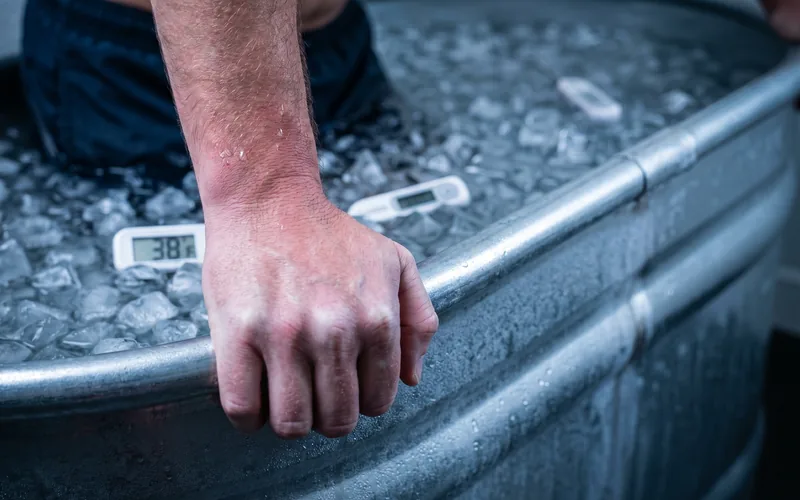
Cold plunge therapy, often referred to as cold water immersion, involves submerging the body in cold water for a brief period. While it can complement other health practices, it should not replace medical treatment or a balanced lifestyle. Instead, it serves as a tool to potentially enhance recovery, improve circulation, and invigorate the body.
Research-Backed Benefits
Scientific research highlights several benefits associated with cold plunging, including reduced muscle soreness and inflammation, making it popular among athletes. It may also boost mental health by enhancing mood and reducing symptoms of anxiety. However, it’s crucial to approach these benefits with a balanced perspective, integrating cold plunges into a broader health regimen.
Setting Realistic Expectations
Beginners should start with shorter immersion times and gradually increase duration as their tolerance improves.
Safety First: Contraindications and Warnings
Medical Conditions That Disqualify or Require Physician Clearance
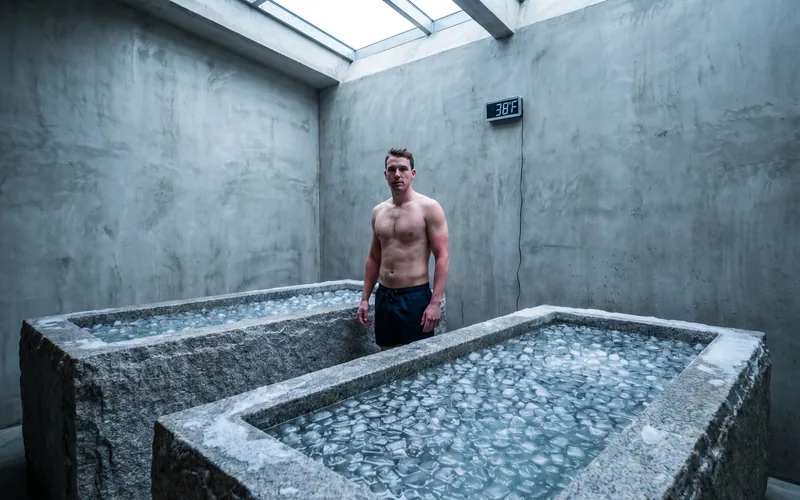
Cold plunging can be invigorating and beneficial, but it’s NOT suitable for everyone. Certain medical conditions, such as cardiovascular issues and respiratory problems, require physician clearance before starting a cold plunge regimen. Individuals with Raynaud’s disease should also avoid cold plunges as it can exacerbate symptoms.
Warning Signs During and After a Plunge
Awareness of warning signs during and after a cold plunge is crucial for safety. It’s normal to experience a sharp shock when entering cold water, but if you feel intense shivering, dizziness, or confusion, exit the water immediately. After the plunge, prolonged shivering or a blue tinge to the skin indicates the need for warmth and medical attention.
When to Stop Immediately and Seek Help
Knowing when to stop a cold plunge is vital. Symptoms like chest pain, severe headache, or difficulty breathing warrant immediate exit from the water. Facilities prioritize client safety and often have staff trained to handle emergencies.
Who Should Never Cold Plunge Alone
Cold plunging alone is NEVER recommended, especially for beginners or those with pre-existing health conditions. Always have a companion present who can assist in emergencies.