Top Cold Plunge Products: A Comprehensive Review
Someone fills a chest freezer with water, tosses in a bag of ice from the gas station, and figures that's basically the same thing as the $4,000 chiller system a cryotherapy studio down the street runs. It kind of is, in the same way a fold-up lawn chair is kind of the same as an Eames. The water gets cold either way. But the consistency, the safety, the sanitation, that's where the gap opens up fast, and understanding that gap is exactly what this review is about.
Cold water therapy has moved well beyond the fringe. What used to be the domain of elite athletes and a handful of biohackers who read too much Andrew Huberman has become a genuine mainstream wellness category, showing up in suburban strip malls, downtown spa complexes, and spare bedrooms across the country. Cold Plunge Pal currently lists 1,934 businesses nationwide, with an average rating of 4.9 stars across all of them. That number alone says a lot about how seriously people are taking these experiences, and how much the quality bar has risen.
So if you're thinking about setting up something at home, or you're just curious what separates a great cold immersion center from a mediocre one, this review covers the products that actually matter: the tubs, the chillers, the combo systems, and the accessories that make or break the experience. No fluff. Just what you need to know.
Understanding Cold Plunge Products: Categories and What They Actually Do
Most people shopping for cold plunge products for the first time get overwhelmed because the market has exploded in the last three or four years. You've got everything from $50 inflatable vinyl tubs to $15,000 commercial-grade units with built-in ozone filtration and app-controlled temperature. Knowing which category you're even shopping in saves a lot of time and confusion.
Portable ice baths are the entry point. These are usually soft-sided, inflatable, or folding tub designs made from neoprene, vinyl, or coated fabric. They don't have any mechanical components, so there's nothing to break, but there's also nothing to keep the water cold. You fill them, add ice, get in, get out. Simple. They work for people who want to try cold therapy without any real commitment, or for athletes who already have a steady supply of ice. (A surprising number of people near warehouse grocery stores, places like those listed at Salvage Grocery Stores, actually pick up bulk ice bags on a regular basis just to feed these setups. Not the most efficient system, but it gets the job done.)
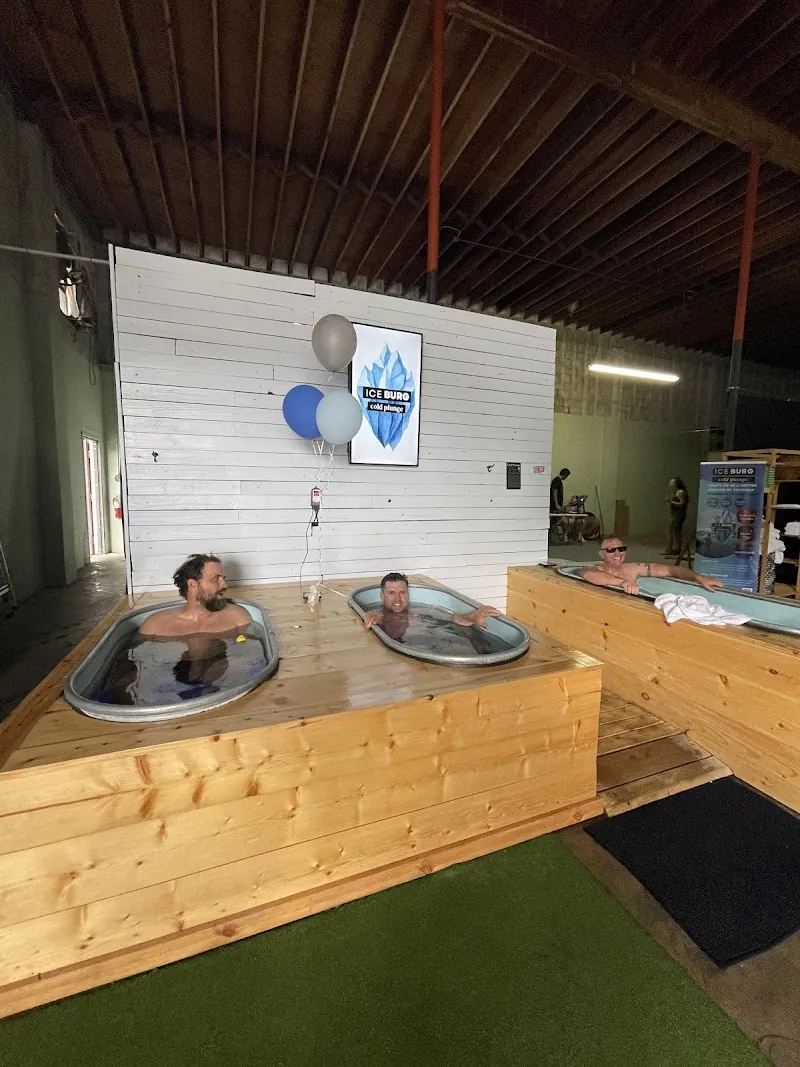
Freestanding cold plunge tubs are a step up. These are rigid, insulated tubs that hold their temperature better than soft-sided options but still don't have mechanical cooling. Think of them like a really well-designed cooler you can sit in. Good insulation means ice lasts longer, which means you're not constantly restocking. Materials range from acrylic to fiberglass to stainless steel, and that choice affects both durability and price.
Chiller units are where things get serious. A chiller is a mechanical refrigeration unit that connects to your tub and continuously cools the water to a set temperature. No ice needed. You dial in 50°F or 39°F or whatever your protocol calls for, and it stays there. This is what professional cold plunge facilities and contrast therapy studios rely on because consistency matters enormously when you're running people through sessions all day.
Then there are combo systems, which pair a high-quality tub with an integrated or matched chiller. These are the premium consumer and commercial products that dominate the high end of the market. They also often include filtration, usually ozone or UV sanitation, which matters a lot if the water is going to sit between sessions rather than being dumped and refilled every time.
Temperature range (look for units that can reach at least 39°F), insulation quality (measured in how long the unit holds temp without mechanical assist), filtration type (ozone, UV, or chemical), material durability, pump flow rate, and warranty length. Commercial-grade equipment used by professional recovery wellness centers usually checks all of these boxes. Consumer products make trade-offs.
Top Cold Plunge Products Reviewed
1. Ice Barrel 300 (Portable, Entry-Level)
Ice Barrel made a name for itself by keeping things simple. It's an upright barrel design made from recycled plastic, which sounds weird until you realize the vertical position means you use less water (about 105 gallons) and less ice than a traditional horizontal tub. No moving parts, no electricity, no filtration. You fill it, ice it, use it. That's the whole product.
Honestly, for someone testing the waters of cold therapy at home, this is one of the better starter options. Setup takes about 20 minutes. It's durable enough to live outdoors. The insulated lid slows the melt rate. But you're still buying ice, which adds up to $30–$60 per week for regular users, something people tend to underestimate when they're excited about the product page.
Pros: Low upfront cost (around $1,200), simple setup, outdoor-ready, good community following. Cons: No mechanical cooling, ongoing ice costs, no filtration means water needs to be changed frequently.
2. Plunge All-In (Mid-Range Combo System)
Plunge is probably the brand that brought chiller-equipped home cold plunge systems to the mainstream consumer. Their All-In model pairs a well-insulated acrylic tub with a chiller that cools water down to 39°F. It includes a built-in filtration system using ozone and a 20-micron filter, which means you can keep the same water for months with proper maintenance.
Price sits around $4,990, which is real money. But compare that to a year of cold plunge facility memberships at $100–$200/month and the math starts looking different. In practice, the setup process is manageable for one person but the unit is heavy (about 200 lbs filled), so placement matters. Cold therapy studios at the professional level use more industrial versions of this general setup, but the Plunge All-In gives home users a legitimate approximation of that experience.
Pros: Consistent temperature, built-in filtration, no ongoing ice cost, quality build. Cons: High upfront cost, requires outdoor power outlet, takes 12–24 hours to reach target temp initially.
3. Cold Tub Pro (Freestanding, Insulated)
This one flies under the radar a bit. Cold Tub Pro makes a fiberglass shell tub with excellent insulation, marketed at people who want a step up from a barrel but aren't ready to commit to a chiller system. It holds temperature better than most soft-sided options, which means ice lasts longer. Price is around $800–$1,000.
It's a middle-ground product. Good for people who use cold therapy three to four times a week and don't mind managing ice. Not ideal for daily users or anyone running a cold immersion center or plunge pool spa commercially.
4. Morozko Forge (Premium Home/Semi-Commercial)
Morozko is the serious option. Their stainless steel tub with integrated chiller can hit temperatures as low as 33°F, which is below what most home users ever need but signals the overall quality of the system. It includes UV filtration, digital temperature control, and a pump system designed for continuous operation. Price starts around $7,500.
Athletes doing structured recovery protocols, and small wellness businesses just starting out, tend to gravitate here. It's built to last. Typically, the stainless construction resists the kind of wear that makes cheaper acrylic units look rough after a year or two outdoors. And yes, the thing looks impressive enough that it doesn't feel out of place in a professional cold therapy studio setting.
Pros: Extreme temperature range, durable stainless construction, UV filtration, near-commercial build quality. Cons: Expensive, heavy, more maintenance complexity than simpler systems.
5. Brass Monkey Cold Plunge (Commercial-Grade Chiller)
Commercial facilities are a different world. Brass Monkey's systems are built for the kind of throughput a busy cryotherapy spa handles, with chillers capable of running six to eight hours a day without performance degradation. Their units pair with custom tubs or can connect to existing plunge setups. Cost varies widely, from $8,000 to $20,000+ depending on configuration.
This is not a home product. But if you're opening a recovery wellness center or expanding a plunge pool spa, this is the category of equipment you need to be looking at.
6. Polar Recovery Tub (Budget Soft-Sided)
On the other end, Polar makes an inflatable tub for about $80–$150 that is genuinely fine for occasional use. It leaks eventually. As a rule, the insulation is minimal. But for someone who wants to try a few sessions before spending real money, it does the job. I would not recommend this for anyone planning to use cold therapy more than twice a week, the frustration of managing temperature without any insulation gets old fast.
Industry Data and Market Insights: Cold Plunge by the Numbers
For most shoppers, the growth of this industry is real and it's fast. Cold Plunge Pal's directory currently lists 1,934 businesses, which is a remarkable number for a wellness category that barely existed in the consumer mainstream a decade ago. And the 4.9-star average rating across all those listings? That's not just feel-good data. That reflects a professionalized industry where facilities are genuinely delivering good experiences.
City-by-city breakdown: New York leads with 30 cold plunge facilities listed, which makes sense for a dense urban market with high disposable income and an already-established wellness culture. But Anchorage at 25 listings is the genuinely interesting data point. You might assume cold water therapy is a harder sell in a city where cold is just Tuesday, but evidently the opposite is true, people who already live with cold climates are often more interested in the structured, controlled version. Omaha has 20 listings, Las Vegas 19, and Albuquerque 19, which says this is not just a coastal trend.
Most top-rated businesses on the platform make a strong case for what quality looks like. Rock and Armor in Meridian, ID holds a perfect 5.0 across 1,448 reviews. Pain Center of Rhode Island in Cranston, RI has 1,207 reviews at 5.0. Fire & Ice Wellness in Bristol, England brings 1,199 reviews at 5.0. Next Health in New York and Remède IV Therapy in Jackson Hole round out the top five. These aren't flukes. That kind of volume at that rating means consistent execution.
| Business | Location | Rating | Reviews |
|---|---|---|---|
| Rock and Armor | Meridian, ID | 5.0 ★ | 1,448 |
| Pain Center of Rhode Island | Cranston, RI | 5.0 ★ | 1,207 |
| Fire & Ice Wellness | Bristol, England | 5.0 ★ | 1,199 |
| Next Health | New York, NY | 5.0 ★ | 1,142 |
| Remède IV Therapy + Aesthetics | Jackson Hole, WY | 5.0 ★ | 948 |
What this market data signals, broadly, is that consumer expectations are rising in direct proportion to the number of options available. When someone has already visited a professional cold water therapy center with a perfectly controlled 50°F plunge and a UV-filtered tub, they're not going to be impressed by a leaky inflatable in someone's garage. Product quality expectations follow facility quality expectations, which is why the mid-range and premium home products are growing faster than the budget segment.
How to Choose the Right Cold Plunge Product for Your Needs
Start with honest answers to a few questions before you spend anything.
First: how often are you actually going to use this? If the answer is "a few times a month to see if I like it," a portable ice bath or a budget soft-sided tub is completely sufficient and costs $80–$200. If the answer is "five days a week as part of a structured protocol," you need mechanical cooling or you will burn out on ice logistics within a month.
Second: what is your actual budget, including ongoing costs? A $1,200 barrel tub with $40/week in ice costs you roughly $3,200 in year one. A $5,000 chiller system costs you almost nothing after purchase beyond electricity (roughly $30–$60/month depending on your climate). Over three years, the chiller is often cheaper. Do the math for your actual situation.
Third: where is this going? Outdoor spaces handle most products fine, but an indoor setup needs drainage, electrical access, and enough floor load capacity for a filled tub. A full cold plunge tub with water weighs 800–1,200 lbs depending on size. That matters in an apartment or a room above a basement.
For casual/occasional use: Portable inflatable or entry-level barrel, ice-based, under $1,500. For regular home use (3–5x/week): Mid-range chiller combo like the Plunge All-In, $3,000–$6,000. For serious athletes or semi-commercial use: Premium stainless/chiller system like Morozko, $7,000+. For commercial cold plunge facilities: Commercial-grade equipment (Brass Monkey and similar), with professional installation and filtration systems.
For a professional cryotherapy studio or cold immersion center, none of the consumer products above are the right choice. Commercial environments need equipment built for continuous use, easy sanitation between clients, and temperature stability that doesn't depend on ambient conditions. If you're opening a facility, talk to equipment vendors who specialize in commercial wellness, the cost difference between consumer and commercial is real, but so is the liability difference if equipment fails mid-session with a client.
Maintenance, Safety, and Best Practices
People get excited about the product and forget that a tub full of warm-ish water sitting in a warm environment is basically a petri dish. Water sanitation is not optional.
For ice-based systems: change the water every 1–3 uses. It's annoying and it wastes water, but there's no filtration to compensate. Add a small amount of pool-grade sanitizer if you're stretching it to three uses. This is the trade-off you accept with the budget option.
For chiller systems with filtration: follow the manufacturer's schedule for filter changes, which is usually every 2–4 months depending on use frequency. Check the water's clarity weekly. Ozone and UV systems handle most biological contamination, but they are not magic, sediment and organic matter still accumulate and need to be addressed. Test pH periodically; cold water should sit between 7.2 and 7.8. This is the same standard that professional plunge pool spas maintain.
Temperature monitoring matters more than people expect. A chiller that's slightly miscalibrated can produce water that's 5–8°F colder than the display reads, which is a meaningful difference at the low end of the range. Verify with an independent thermometer when you first set up, and spot-check monthly.
Safety basics: never plunge alone if you're new to cold therapy or experimenting with very low temperatures. Set a timer. Know your limits. Cold shock response is real, and it can cause hyperventilation and disorientation even in healthy people. Professional cold water therapy centers brief clients on this before every session, there's a reason for that. Start at 55–60°F if you're new, not 39°F. Work down gradually over weeks.
And this is worth saying plainly: if you have cardiovascular conditions, check with a doctor first. Not as a legal disclaimer. Actually check.
Frequently Asked Questions
What temperature should a cold plunge actually be?
Most research and most professional cold immersion centers target 50–59°F for general recovery and wellness benefits. Serious cold therapy protocols sometimes go lower, to 39–50°F, but that range requires more experience and caution. For beginners, 55–60°F is a reasonable starting point that's still genuinely challenging.
Do I really need a chiller, or is ice fine?
Ice is fine for occasional use. It becomes impractical and expensive for regular use. If you're plunging more than three times a week, a chiller system pays for itself in ice savings and consistency within one to two years, depending on your setup costs.
How do professional cryotherapy studios keep their water clean?
Most use a combination of ozone generators, UV filtration, and regular chemical testing. High-traffic cold plunge facilities drain and refill more frequently than home setups, often daily or between every few sessions. They also test pH and sanitizer levels on a set schedule, sometimes multiple times per day.
How long should a cold plunge session last?
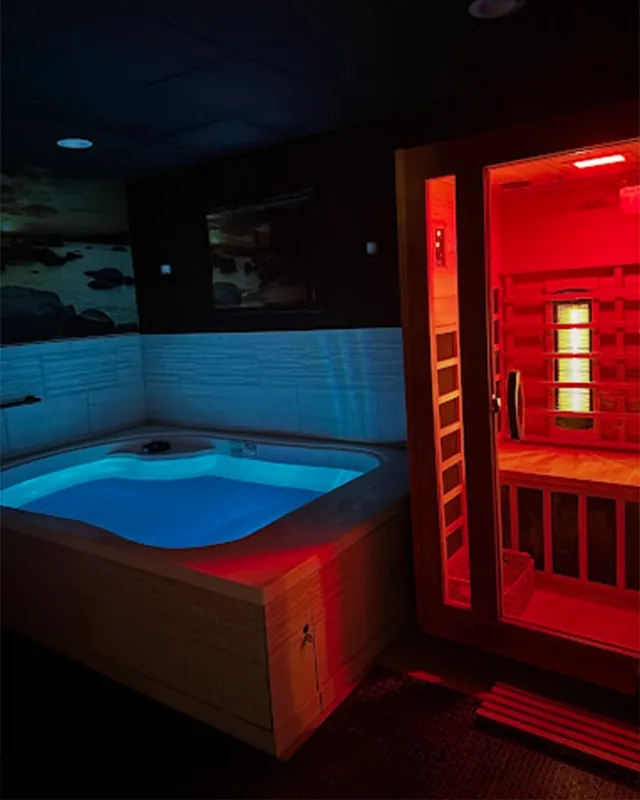
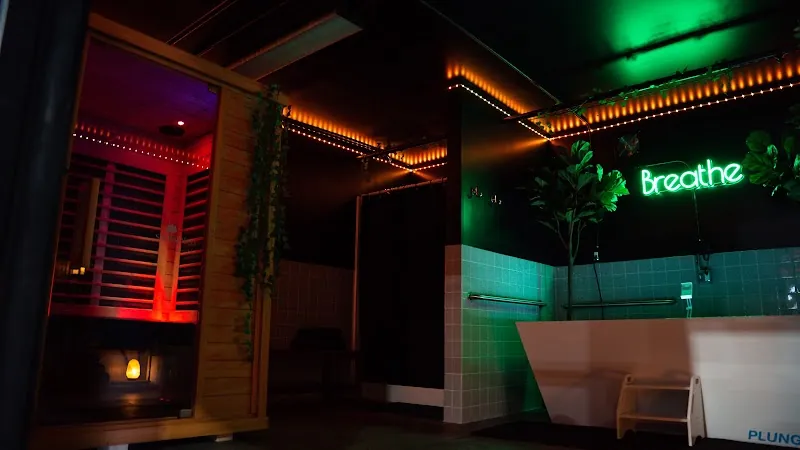
For most people, 2–10 minutes is the effective range. Beyond 10 minutes at very cold temperatures, diminishing returns kick in and risk goes up. Professional contrast therapy studios often structure sessions at 3–5 minutes cold, 10–15 minutes heat, repeated two to three times.
What's the difference between a cold plunge and cryotherapy?
Cold plunge involves full or partial body immersion in cold water. Cryotherapy typically refers to whole-body cryotherapy chambers that use cold air (often nitrogen-cooled) rather than water. They produce different physiological responses. Many modern recovery wellness centers offer both.
Explore Related Directories
Find a Cold Plunge Pal Near You
Browse our directory of 1,934+ cold plunge businesses, ice bath facilities, cryotherapy studios, and contrast therapy studios across the country. With an average rating of 4.9 stars, these are the places people actually trust.
Search the Directory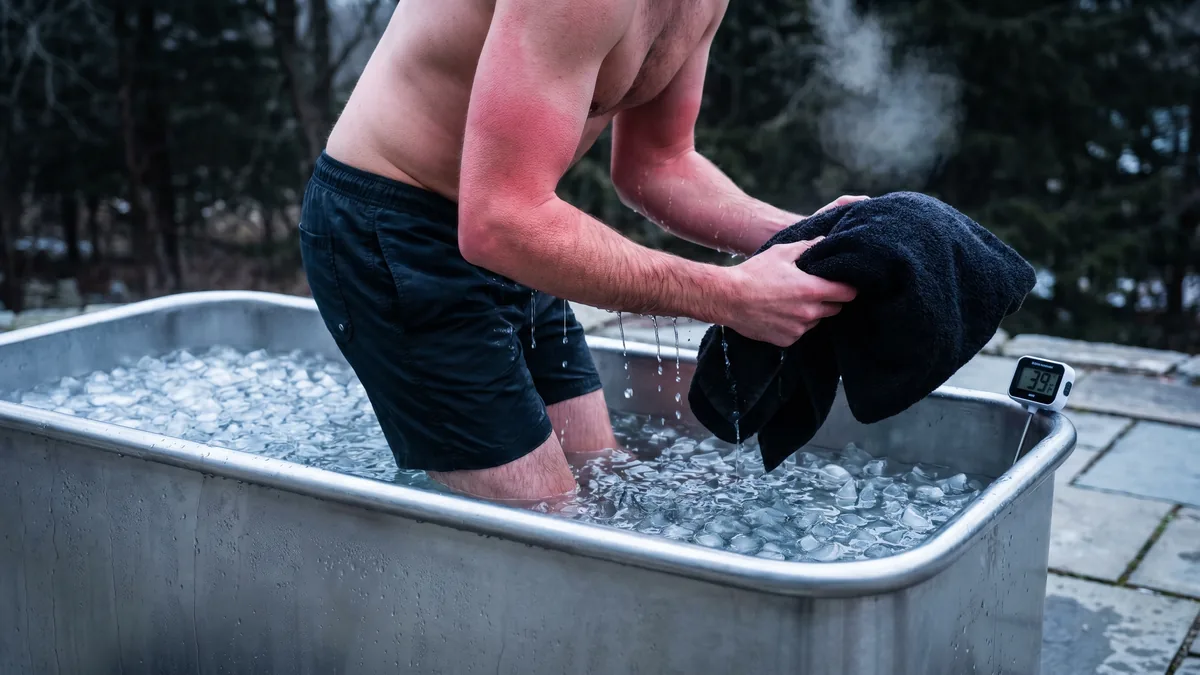
The Complete Cold Plunge Guide: Safety, Protocol & Progression
Master cold plunge therapy with safety protocols and progression tips. Ideal for beginners seeking a safe and rewarding cold exposure experience.
Read free preview