The Science of Cold Plunging: What the Research Actually Says and Where to Go
https://pub-9a4dedcce6dc4846a9c4647f79a2e5fc.r2.dev/cold-plunge-pal/blog/the-science-of-cold-plunging-what-the-research-actually-says-and-where-to-go/hero-1771902314.webp
You've probably seen it everywhere lately. Someone in your office is raving about their weekend at a cold water therapy center. A fitness influencer is posting shaky videos of themselves gasping in an ice bath. Your gym just installed a plunge pool. And somewhere in the back of your mind, you're wondering: is this actually doing anything, or is everyone just paying good money to be cold and miserable?
That confusion is legitimate. Cold plunging sits in this uncomfortable middle ground where real science and breathless wellness marketing have gotten thoroughly tangled up together. Some facilities make it sound like ten minutes in 50-degree water will basically cure everything wrong with your body. Others are more measured. Figuring out which claims to believe, and which cold plunge facility is actually worth your time and money, takes a bit of work.
That's what this article is for. We're going to look at what peer-reviewed research actually says, call out the stuff that's still mostly hype, and give you real numbers on where the industry stands right now so you can find a reputable ice bath facility or contrast therapy studio near you.
A Practice Older Than Instagram: Cold Plunging in Context
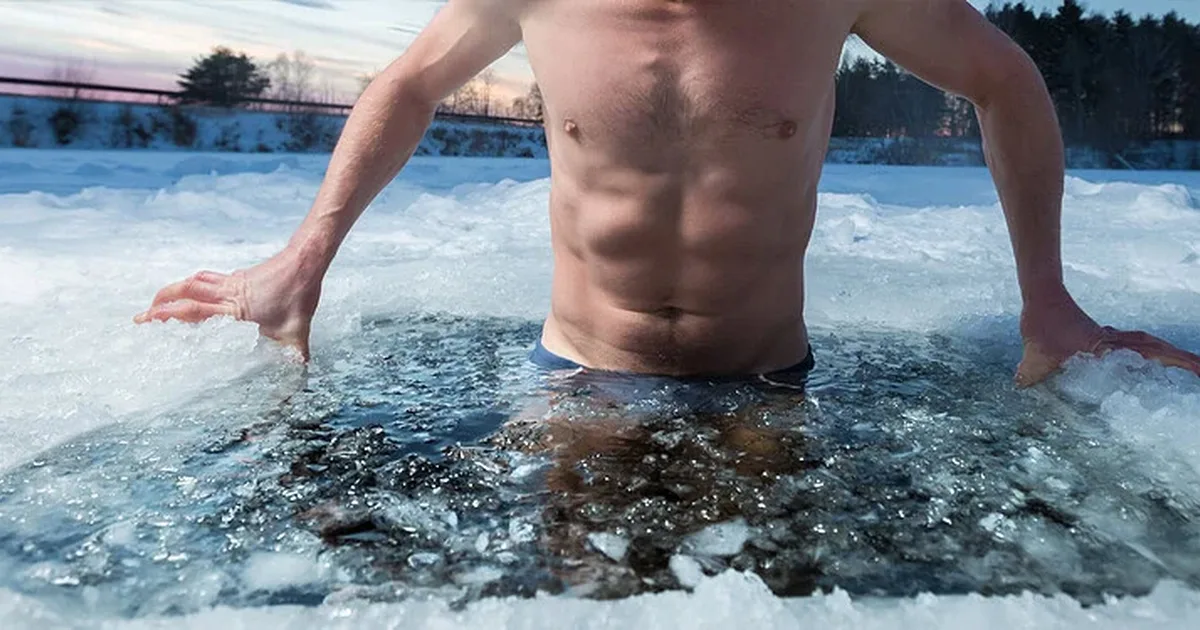
Cold water immersion is not a new idea. Not even close. Ancient Romans built elaborate bath complexes called frigidaria specifically for cold bathing, and they treated it as a normal part of physical maintenance and social life. Scandinavian cultures have been cutting holes in frozen lakes for centuries, alternating between saunas and ice-cold water in a rhythm that still defines wellness culture in Finland and Sweden today. Even in Japan, the practice of misogi, standing under cold waterfalls as a form of purification, dates back well over a thousand years.
What changed recently is not the practice itself. It's the packaging.
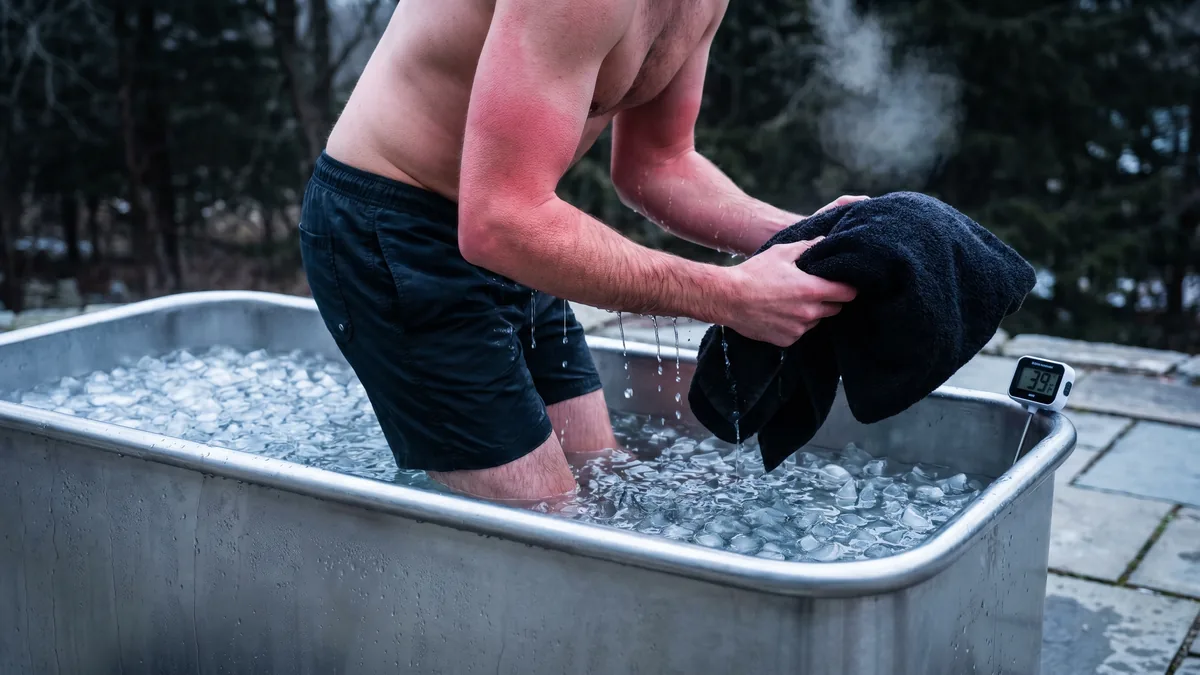
Modern cold immersion centers, recovery wellness centers, and cryotherapy spas have taken something that used to happen in frozen lakes and backyard tubs and turned it into a professional service with controlled temperatures, trained staff, and carefully designed environments. That shift matters, because consistency is actually one of the things the research cares about most. A DIY ice bath in a plastic tub with water that might be anywhere from 40°F to 65°F depending on how much ice you bought is a very different experience from a properly maintained cold plunge facility keeping water at a precise 52°F.
Whole-body cryotherapy, which you'll find at some cryotherapy studios and cryotherapy spas, is related but different. That involves standing in a chamber filled with nitrogen-cooled air, sometimes as cold as minus 200°F, for two to four minutes. It's not water immersion, and the research base for it is actually thinner than the one for cold water therapy. Worth knowing before you book.
What the Science Actually Supports
Let's start with the good news, because there genuinely is some.
Cold water immersion (CWI) has probably the strongest research backing in the area of physical recovery, specifically around something called delayed-onset muscle soreness, or DOMS. That's the deep ache you feel in your legs two days after a hard run, or in your arms the day after you moved furniture. A 2021 meta-analysis published in the British Journal of Sports Medicine looked at multiple controlled trials and found that CWI significantly reduced DOMS compared to passive rest. Athletes who used cold water therapy after intense exercise reported lower pain scores and showed reduced blood markers of inflammation, including creatine kinase and interleukin-6.
Circulation is another area with decent evidence. Cold exposure causes vasoconstriction, meaning blood vessels tighten up. When you get out, they dilate. That rhythmic constriction and dilation is thought to act a bit like a pump for your vascular system, moving stagnant fluid and metabolic waste out of muscle tissue faster. Some sports medicine practitioners compare it to manually wringing out a sponge. Not a perfect analogy, but it captures the idea.
The mental health research is genuinely interesting, and honestly a little surprising. Cold immersion triggers a significant spike in norepinephrine, sometimes as high as 300 percent above baseline according to research cited by neuroscientist Andrew Huberman, who has done a lot to bring this literature into mainstream conversation. Dopamine levels also rise, and unlike the quick spike you get from, say, caffeine or sugar, the increase from cold exposure tends to last for several hours. Multiple small studies have shown reductions in anxiety and improvements in mood following regular cold immersion sessions. A 2022 case study series published in BMJ Case Reports even documented measurable symptom relief in patients with major depressive disorder who swam regularly in cold open water.
That said, most of these studies are small. Sample sizes in the dozens, not the thousands. The direction of evidence is promising, but cautious optimism is the right frame here.
Most well-designed studies use water temperatures between 50°F and 59°F (10°C–15°C) for sessions of 10 to 15 minutes. Frequency seems to matter too: two to four sessions per week appears more effective than occasional plunges. If you're visiting a cold water therapy center or contrast therapy studio, ask what temperature their water is maintained at. If they can't tell you precisely, that's a red flag.
What the Research Does Not Actually Confirm
Okay, here's where things get messy.
Walk into almost any cryotherapy spa or cold therapy studio and you'll see marketing language about boosting your immune system, burning hundreds of extra calories, extending your lifespan, and supercharging your metabolism. Some facilities are pretty aggressive about these claims. And while none of it is completely fabricated, the gap between "some preliminary data suggests a possible effect" and "this will help you lose weight and live longer" is enormous.
Take the calorie-burning claim. Cold exposure does activate brown adipose tissue (brown fat), which generates heat by burning calories. That part is real. But the actual caloric expenditure from a typical ten-minute cold plunge is modest, somewhere in the range of 50 to 100 additional calories for most people. Not nothing, but also not the metabolic revolution some facilities imply. If you're visiting a cold immersion center hoping it'll replace cardio, you will be disappointed.
Immune "supercharging" is another one that gets thrown around a lot. There is some interesting research on cold water swimmers showing elevated white blood cell counts and certain immune markers. But correlation is doing a lot of heavy lifting in those studies. Cold water swimmers tend to also exercise regularly, sleep well, and generally take care of themselves. Untangling cold exposure specifically from all those other variables is genuinely hard, and the controlled studies haven't caught up yet.
Individual variation matters enormously here. Body composition, acclimation history, cardiovascular fitness, even the specific time of day you plunge can affect your response. Two people doing the exact same protocol at the same plunge pool spa can have meaningfully different physiological outcomes. Anyone who tells you the results are consistent and predictable across all bodies is oversimplifying.
And some people should not be plunging at all without talking to a doctor first. Cardiovascular conditions, Raynaud's disease (which causes extreme blood vessel reactions to cold), and cold urticaria (a skin condition causing hives in response to cold) are all legitimate contraindications. Cold water causes an immediate spike in heart rate and blood pressure. For healthy people, that's manageable. For someone with an undiagnosed heart condition, it can be dangerous.
The Industry by the Numbers
Whatever you think of the science, the market is clearly responding. Our directory currently lists 1,934 cold plunge and ice bath facilities across the country, which is a remarkable number for a category that barely existed as a commercial service ten years ago.
New York leads with 30 listings, which makes sense given population density and the concentration of health-conscious consumers willing to pay premium prices for recovery services. But some of the other top cities are genuinely unexpected. Anchorage, Alaska comes in second with 25 listings. Cold therapy studios doing brisk business in a city that already has some of the coldest winters in the country, you'd think people would be getting enough cold exposure just walking to their cars. Omaha has 20 listings, Las Vegas and Albuquerque each have 19.
The 4.9-star average rating across all listed facilities is striking. That's not a rounding error. Across nearly 2,000 businesses, that kind of consistency in customer satisfaction says something real about how people feel after they visit these places. Probably a combination of the genuine physical and mood benefits, the experience of doing something that feels intentional and a little challenging, and the quality of service at well-run facilities.
Top-Rated Cold Plunge Facilities in Our Directory
| Business Name | Location | Rating | Reviews |
|---|---|---|---|
| Rock and Armor | Meridian, ID | 5.0 ★ | 1,448 |
| Pain Center of Rhode Island | Cranston, RI | 5.0 ★ | 1,207 |
| Fire & Ice Wellness | Bristol, England | 5.0 ★ | 1,199 |
| Next Health | New York, NY | 5.0 ★ | 1,142 |
| Remède IV Therapy + Aesthetics - Jackson Hole | Jackson, WY | 5.0 ★ | 948 |
Rock and Armor in Meridian, Idaho is particularly notable, 1,448 reviews at a perfect 5.0 stars is a level of consistent customer satisfaction that most businesses in any industry never reach. Pain Center of Rhode Island in Cranston is interesting because it signals how cold water therapy is increasingly being integrated into clinical and pain management settings, not just boutique wellness spaces. Fire & Ice Wellness in Bristol, England showing up in our directory is a nice reminder that this is a global trend, not just an American one. And Next Health in New York represents the high-end, medically supervised model of recovery wellness center that's becoming more common in major cities.
What to Actually Look for in a Facility
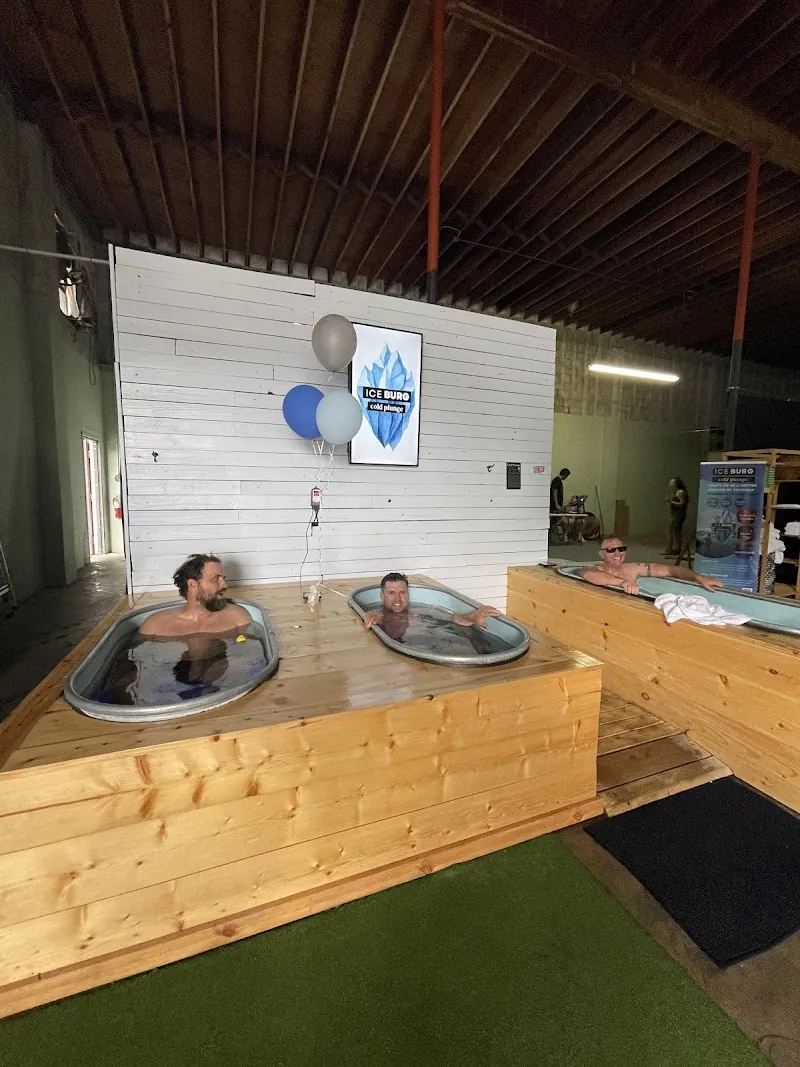
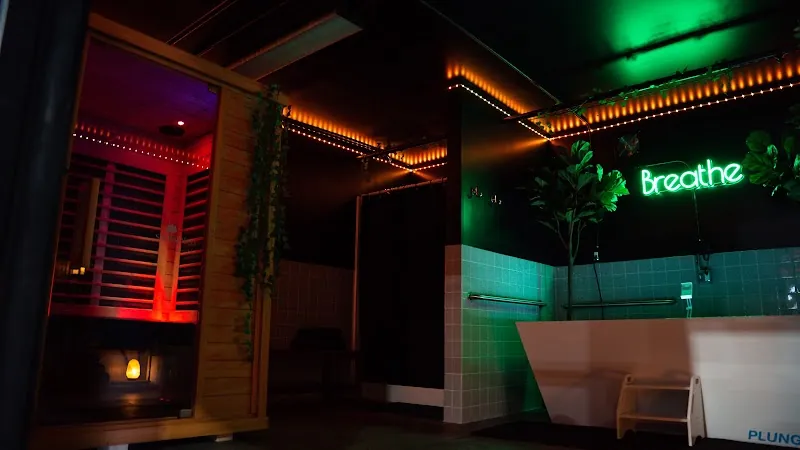
Not all plunge pool spas are created equal. Some are genuinely excellent. Others are mostly aesthetic, Instagram-friendly spaces with beautiful tile work and indifferent water temperature management.
Temperature monitoring is non-negotiable. Any reputable cold plunge facility should be able to tell you exactly what temperature their water is maintained at, and ideally show you a posted reading near the pool. Water that drifts above 59°F is not providing the physiological stimulus most of the research is based on. Water below 50°F can be genuinely risky for inexperienced users.
Staff training matters more than most people realize. Trained staff at a good cold water therapy center should be able to walk you through proper entry technique (slow, controlled immersion rather than jumping in), tell you the maximum recommended session time for first-timers, and recognize the signs of cold shock or excessive hypothermia risk. If the person at the front desk can't answer basic questions about protocols, look elsewhere.
Hygiene is the unsexy but important one. Cold water, unlike hot tubs or pools, does not get sanitized by heat. Proper filtration systems, UV treatment, and regular water testing are essential. Ask about their sanitation protocols before you get in. A good facility will answer without hesitation.
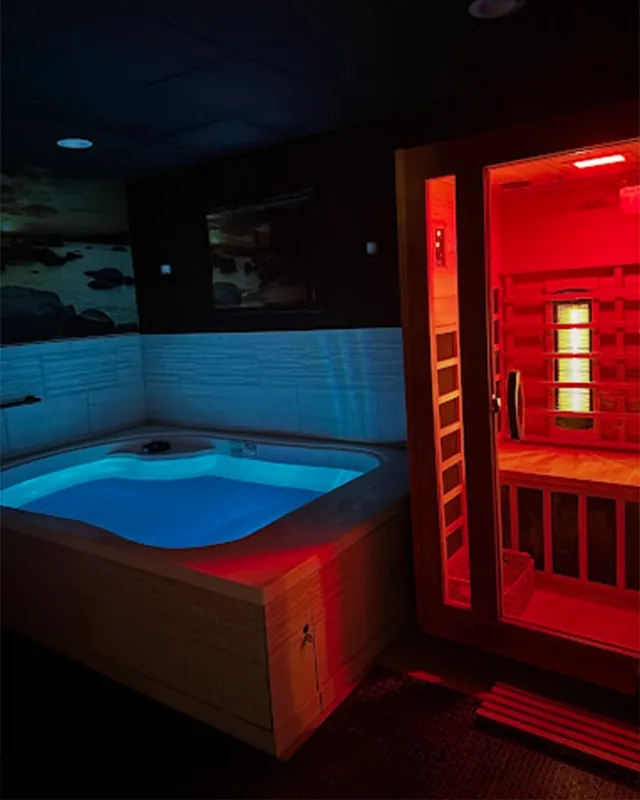
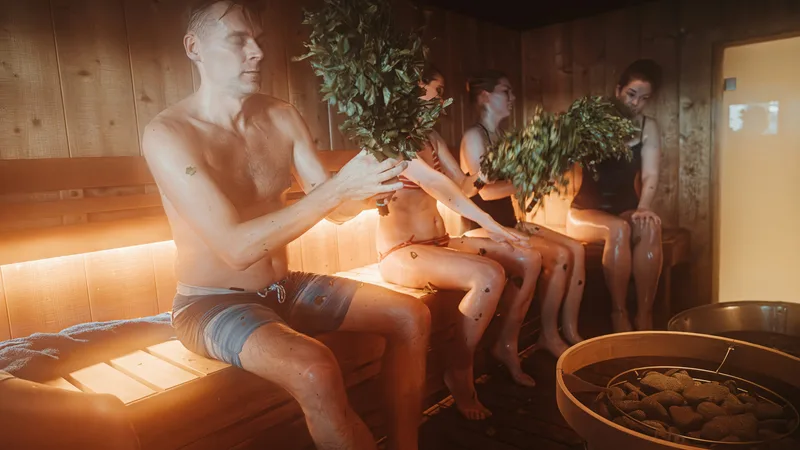
Contrast therapy studios, which combine cold immersion with sauna or heat exposure, are worth considering if you're primarily interested in recovery. In practice, the research on contrast therapy (alternating hot and cold) is actually quite solid for reducing DOMS and improving perceived recovery. Some people find it more tolerable than cold-only sessions too, which makes consistency more likely.
On the subject of building good recovery habits on a budget: if you're serious about cold therapy as part of a larger wellness routine, you might also think about the dietary side of recovery. Whole foods, anti-inflammatory diets, and adequate protein all compound the benefits you're getting from cold immersion. Interestingly, places like salvage grocery stores can be a surprisingly affordable way to stock up on quality foods, especially frozen fish and produce, which tend to discount well and fit naturally into a recovery-focused diet.
1. What temperature is the water maintained at? Look for 50°F–59°F.
2. How is the water sanitized? Filtration, UV, or chemical treatment should all be in place.
3. What's the protocol for first-timers? Good facilities have one.
4. Do you offer contrast therapy? Sauna access can significantly improve the experience and recovery outcomes.
5. Are staff trained in cold water safety? Not just customer service, but actual cold water protocols.
Starting Out: A Practical Approach
If you're new to this, the single biggest mistake people make is going too cold for too long on the first visit. Start at the warmer end of the therapeutic range, around 57°F to 59°F, and keep your first session to three or four minutes. Your body's cold shock response is strongest the first few times; that gasping, heart-racing sensation is real and can be overwhelming if you're not ready for it.
Build up gradually. Most people can work up to the full 10 to 15 minute sessions recommended in the literature after a few weeks of regular exposure. Your tolerance increases noticeably fast, which is part of what makes cold therapy feel rewarding, there's a measurable progression to it.
Cold plunging works better as a consistent habit than as an occasional dramatic event. Three times a week over a month will do more for you than one intense session. That's just how adaptation physiology works.
And if you find a recovery wellness center that also offers sauna sessions, try the contrast protocol. Ten minutes in the sauna, three minutes in the cold plunge, repeat two or three rounds. That specific combination is what Scandinavian tradition has been doing for centuries, and the research increasingly supports it as the most effective approach for both physical recovery and mood.
Frequently Asked Questions
How cold does the water need to be to get real benefits?
Most peer-reviewed studies on cold water therapy use temperatures between 50°F and 59°F (10°C to 15°C). Below 50°F can be risky for beginners and does not appear to produce meaningfully better outcomes. Above 60°F starts to lose the physiological stimulus that drives most of the documented benefits. When visiting any cold plunge facility, ask specifically about water temperature before you get in.
How long should a session be?
For most people, 10 to 15 minutes is the sweet spot supported by research. Beginners should start at 3 to 5 minutes and build from there. Longer is not necessarily better, and there's no good evidence that sessions over 20 minutes provide additional benefit over sessions in the 10 to 15 minute range.
Can cold plunging help with weight loss?
This is one of the more overstated claims in the industry. Cold exposure does activate brown adipose tissue and burn some additional calories, but the effect is modest. A typical session might burn an additional 50 to 100 calories. Regular cold immersion is not a replacement for exercise or dietary changes when it comes to weight management.
Who should not cold plunge?
People with cardiovascular conditions, Raynaud's disease, cold urticaria, or those who are pregnant should consult a physician before visiting a cold immersion center. Cold water causes an immediate increase in heart rate and blood pressure, which is safe for healthy adults but can be risky for people with certain conditions.
What's the difference between a cold plunge and whole-body cryotherapy?
Cold water immersion involves submerging the body in cold water, typically at 50°F to 59°F. Whole-body cryotherapy, offered at some cryotherapy studios and cryotherapy spas, involves standing in a chamber of nitrogen-cooled air at temperatures far colder, sometimes minus 150°F to minus 200°F, for two to four minutes. Typically, the skin surface cools rapidly but core body temperature barely changes. As a rule, the research base for water immersion is considerably stronger than for whole-body cryotherapy at this point.
How do I find a good facility near me?
Our directory lists 1,934 ice bath facilities, cold water therapy centers, and related businesses across the country. Search by city, read reviews, and pay attention to how facilities describe their protocols. High review counts combined with high ratings, like Rock and Armor's 1,448 reviews at 5.0 stars, are a reliable quality signal.
Cold plunging is not magic. But it is, based on the current evidence, genuinely useful for muscle recovery, mood regulation, and stress resilience when practiced consistently and at the right temperature. Find a good cold plunge facility, ask smart questions when you arrive, start slow, and give it a few weeks before you decide what it's doing for you. That's honestly the most rational approach to any wellness practice.
Explore Related Directories
Find Cold Plunge & Ice Bath Facilities Near You
Browse our directory of 1,934+ cold plunge facilities, ice bath centers, cryotherapy studios, and contrast therapy studios. Filter by city, read real reviews, and find a reputable recovery wellness center close to home.
Search the Directory