The Complete Guide to Cold Plunge Pal: Everything You Need to Know
Nearly 1,934 cold plunge and ice bath businesses are now listed on Cold Plunge Pal, and that number keeps climbing. That is not a small niche hobby anymore. Something real is happening in the recovery and wellness space, and if you have been curious about finding a cold water therapy center near you, or just trying to figure out what all these places even offer, you are in the right spot.
Cold Plunge Pal is a business directory built specifically to connect people with local cold plunge facilities, ice bath centers, cryotherapy studios, and recovery wellness centers. Not a general wellness app. Not a gym locator. A dedicated place to find exactly these types of businesses, which turns out to be genuinely useful because most standard directories don't separate these out in any meaningful way. You'd be searching "spa" or "gym" and getting results that have nothing to do with cold immersion therapy at all.
This guide walks you through what the directory is, how it works, what kinds of facilities are listed, what the data actually shows about where demand is concentrated, and what you should know about cold water therapy before you book your first session. Fair warning: some of this information about the benefits might make you want to go book something today.
What Types of Facilities Are Actually Listed Here?
One thing that trips people up is assuming all these places are the same. They are not. A cryotherapy studio using whole-body cryo chambers is a pretty different experience from a cold plunge facility offering traditional ice baths or cold immersion tanks, even if both are technically "cold therapy." Understanding the difference helps you pick the right place for what you're actually trying to accomplish.
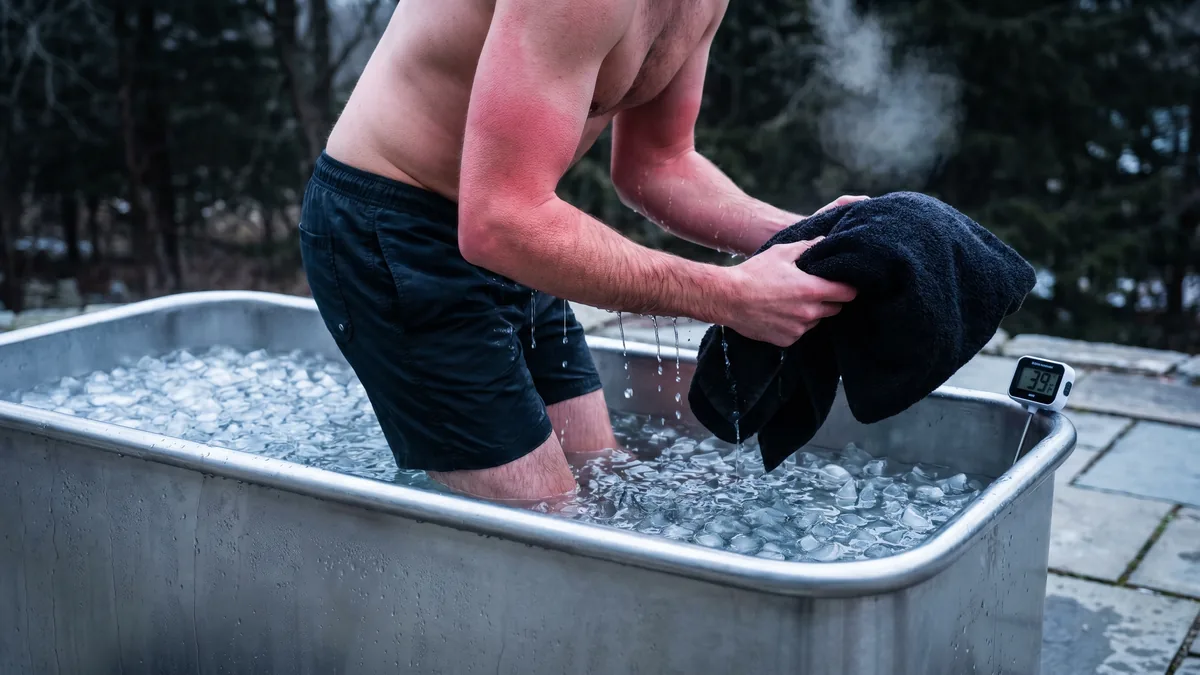
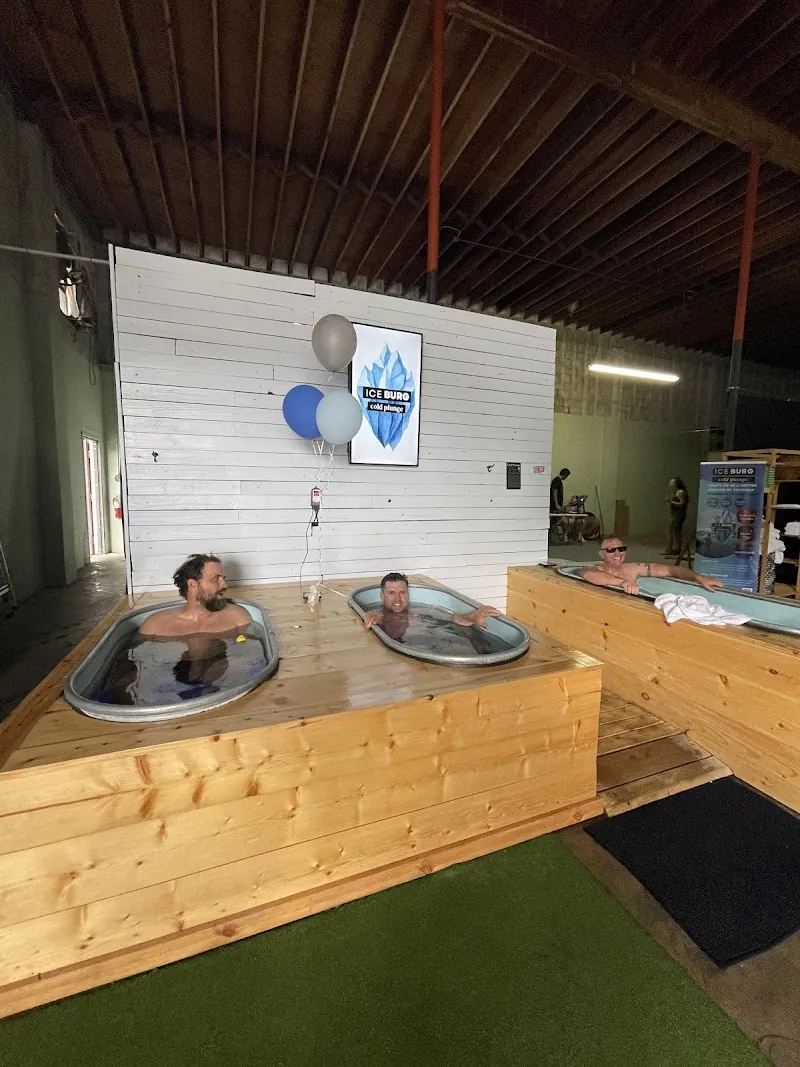
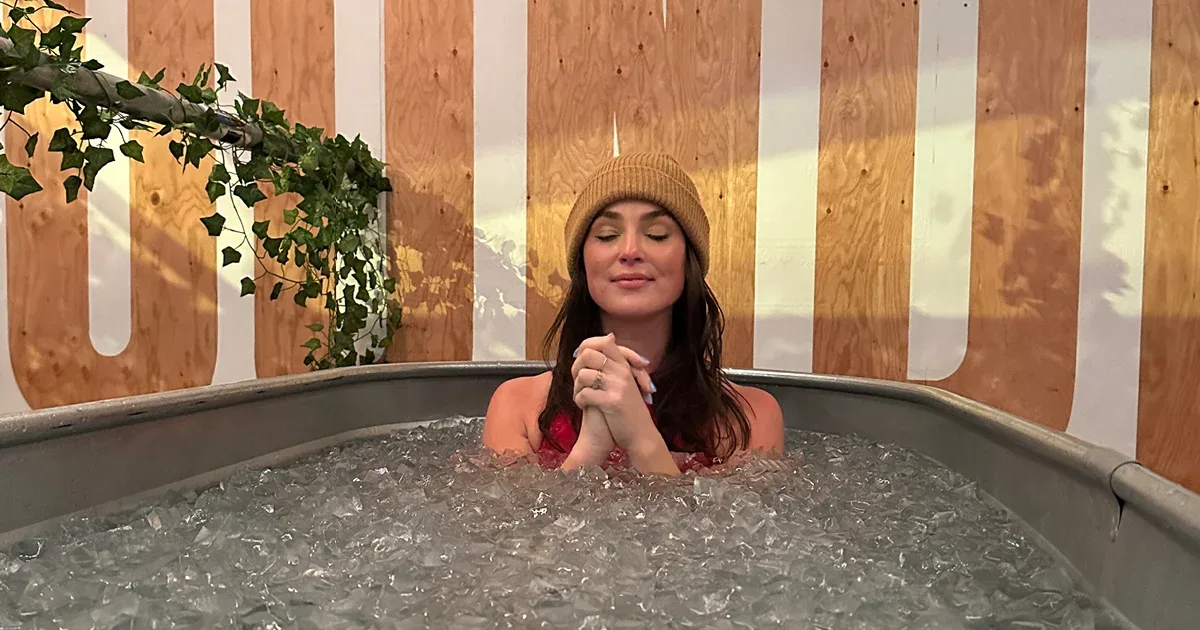
Standalone cold plunge facilities are exactly what they sound like. You show up, you get in cold water, you get out. Some offer guided sessions, some let you go at your own pace. These tend to be simpler operations, sometimes boutique-style, with a few tanks or pools at varying temperatures. A good cold immersion center in this category might have options ranging from 50°F down to around 38°F so you can work your way toward colder temperatures over multiple sessions.
Cryotherapy spas are a step removed from traditional water immersion. Instead of getting wet, you step into a cryo chamber that floods with nitrogen-cooled air, dropping your skin surface temperature rapidly for a session that usually lasts two to three minutes. Some people strongly prefer this because it doesn't involve the psychological shock of actually submerging in cold water. Others find it less effective, or just less satisfying, compared to a full cold water soak. Honestly, a real ice bath feels harder and that's kind of the point for a lot of people who seek these places out.
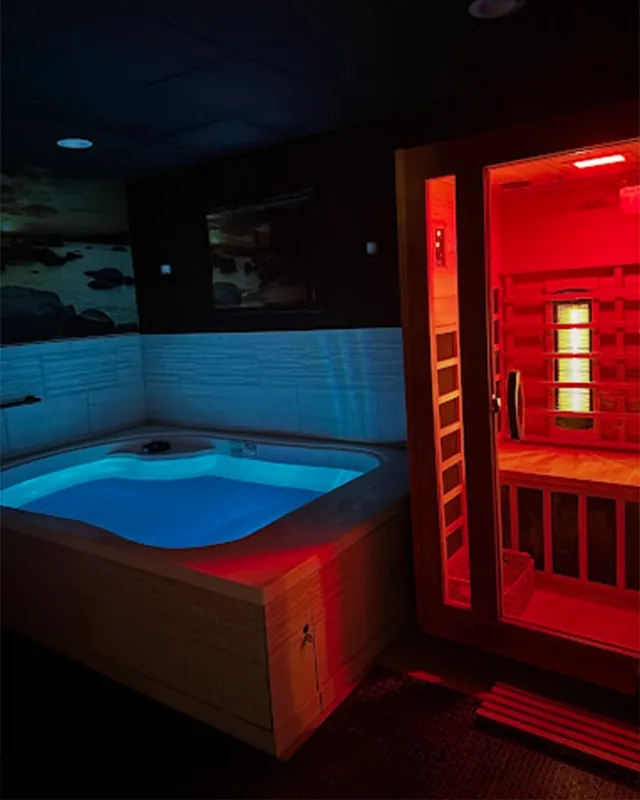
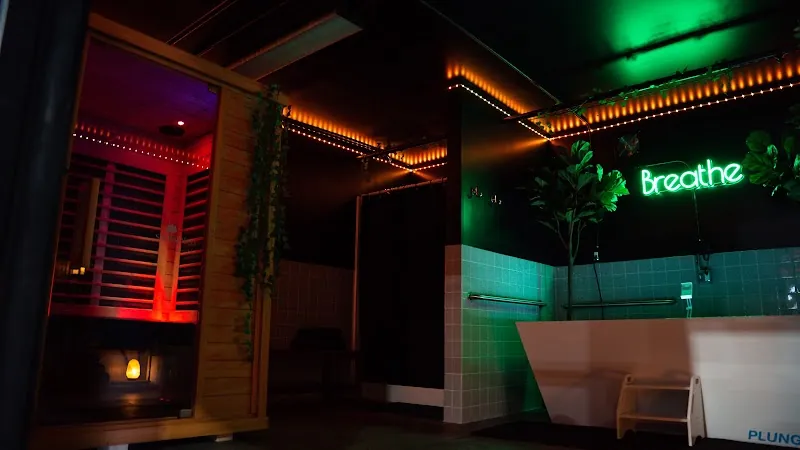
Recovery wellness centers are the most varied category. These places typically combine multiple modalities under one roof: cold plunge pools, infrared saunas, red light therapy panels, contrast therapy circuits, sometimes IV drip services or compression therapy. They're built around the idea that recovery is a process, not a single treatment. A contrast therapy studio within this kind of facility might run you through a structured rotation of heat and cold, alternating between a sauna at 180°F and a plunge pool at 45°F, repeated several times over an hour.
Plunge pool spas sometimes sit in a middle ground between a day spa and a dedicated recovery center. They may offer cold plunge pools alongside traditional spa services like massage or float tanks. These can be great if you want cold therapy paired with a more relaxing overall experience, though serious athletes sometimes find them less focused on the performance recovery side.
If you're chasing athletic recovery, a dedicated cold plunge facility or contrast therapy studio will serve you better than a spa that happens to have a cold pool. If stress relief and overall wellness are the goal, a full recovery wellness center with multiple options is worth the extra cost.
Cold Plunge Pal by the Numbers: What the Data Tells You
1,934 listed businesses. 4.9 average stars. Those two numbers together tell an interesting story.
A 4.9-star average across nearly two thousand businesses is genuinely unusual. Most large directories, even well-curated ones, tend to average somewhere in the 4.2 to 4.5 range when you factor in the occasional bad actor or inconsistent operation. The fact that cold plunge and ice bath facilities cluster this high suggests something about the clientele: people who seek out specialized cold water therapy centers are typically motivated, outcome-focused, and willing to spend money on quality. They write reviews. They compare options. That selection pressure probably filters out low-quality operators faster than it would in a more casual consumer category.
Now look at the city breakdown, because it's genuinely surprising.
New York leads with 30 listings, which makes sense given the population density. But Anchorage, Alaska sitting at number two with 25 listings? That's the kind of data point that makes you stop and think. Anchorage has a population of roughly 290,000 people, and it's ranking ahead of massive metros like Las Vegas (19 listings) and Albuquerque (19 listings). Omaha (20 listings) is another eyebrow-raiser. These are not the cities you'd instinctively associate with boutique wellness culture.
What's probably happening in cities like Anchorage and Omaha is a combination of factors. Cold climates may make people more comfortable with the concept of deliberate cold exposure. Smaller markets sometimes see concentrated investment in a few high-quality facilities rather than dozens of mid-tier ones. And regional health cultures vary in ways that aggregate national data tends to obscure. Anchorage has a strong outdoor and athletic community; that demographic tends to take recovery seriously.
| City | State | Listings |
|---|---|---|
| New York | NY | 30 |
| Anchorage | AK | 25 |
| Omaha | NE | 20 |
| Las Vegas | NV | 19 |
| Albuquerque | NM | 19 |
Among the top-rated individual businesses, a few stand out for the sheer volume of reviews behind their perfect scores. Rock and Armor in Meridian, Idaho carries a 5.0 rating backed by 1,448 reviews. That is not a fluke. Pain Center of Rhode Island in Cranston sits at 5.0 with 1,207 reviews. Next Health in New York has 1,142 reviews at 5.0. These aren't places that got lucky with a handful of happy customers; they have built systems that consistently deliver. Remède IV Therapy + Aesthetics in Jackson Hole, Wyoming rounds out the top tier at 5.0 stars with 948 reviews, which is impressive for a mountain town market. And Fire & Ice Wellness in Bristol, England, which also holds 5.0 stars with 1,199 reviews, shows that the demand for quality cold water therapy centers isn't even limited to the U.S.
| Business Name | Location | Rating | Reviews |
|---|---|---|---|
| Rock and Armor | Meridian, ID | 5.0 ★ | 1,448 |
| Pain Center of Rhode Island | Cranston, RI | 5.0 ★ | 1,207 |
| Fire & Ice Wellness | Bristol, England | 5.0 ★ | 1,199 |
| Next Health | New York, NY | 5.0 ★ | 1,142 |
| Remède IV Therapy + Aesthetics | Jackson Hole, WY | 5.0 ★ | 948 |
How to Actually Use the Directory to Find the Right Place
Searching a directory like this is straightforward, but most people don't squeeze as much out of it as they could. Here is what a smarter search process looks like.
Start by filtering your city first, obviously. But then look at the facility type filter before you sort by rating. If you filter by rating first and then look at facility types, you might end up comparing a cryotherapy spa to a full contrast therapy studio, and those are not equivalent options for most recovery goals. Get the type right, then evaluate quality within that category.
Each listing in the directory should include the business address and contact info, operating hours (which matter more than people expect, since some cold plunge facilities have limited walk-in windows and prefer bookings), pricing structure, and customer reviews. Look at the negative reviews specifically, not to disqualify a place but to understand what kind of problems come up. If three separate reviews mention that booking is confusing or the front desk is slow, that's probably true.
Ask the facility: What is your coldest water temperature? Do you offer guided sessions for first-timers? What is your sanitation protocol for shared tanks? Is there a minimum session length, or can I go at my own pace? These questions will tell you a lot about how professional and client-focused a place actually is.
Red flags to watch for: listings with very few reviews relative to how long the business claims to have been operating, no posted pricing (some places hide costs until you're already there), and vague descriptions of services that don't specify what "cold therapy" actually means in their context. A good cold therapy studio will be specific. A less trustworthy one will be evasive.
Comparing two similar facilities in the same city is where most people get stuck. Price matters, but it should not be the only filter. Look at the ratio of reviews to rating. A place with 400 reviews at 4.8 stars is probably more reliably good than a place with 12 reviews at 5.0 stars. Volume tells you consistency; a small review count tells you very little about what your visit will actually be like.
One thing worth mentioning that's a bit tangential: if you're trying to build a consistent cold plunge habit and also watching your food budget, some people pair their wellness routines with budget grocery strategies. Resources like Salvage Grocery Stores can help offset the cost of memberships at recovery wellness centers by cutting spending elsewhere, which is a practical thing to think about if you're committing to regular sessions.
What Cold Water Therapy Actually Does to Your Body (and Mind)
Let's get into the science, or at least the well-supported parts of it, because there is a lot of noise in this space.
On the physical side, cold water immersion has solid evidence behind a few specific benefits. Muscle recovery after intense exercise is probably the most documented one. Submersion in cold water (typically 50-59°F for 10-20 minutes) reduces delayed onset muscle soreness by constricting blood vessels and limiting the inflammatory cascade that causes that familiar 24-48 hour soreness after hard training. Athletes at every level have used ice baths for this for decades, long before the boutique cold plunge facility trend made it mainstream.
Circulation benefits are real too, though the mechanism is a bit different than people often assume. Cold immersion doesn't just constrict blood vessels; the rewarming phase afterward causes vasodilation, and that back-and-forth cycle is what drives improved circulatory function over time. This is part of why contrast therapy, alternating between heat and cold, tends to produce stronger circulatory effects than cold alone.
Now, the mental benefits are where it gets genuinely interesting to me. Cold water immersion triggers a significant release of norepinephrine, sometimes described as a stress hormone but more accurately a focus and alertness compound, at levels that can exceed 300% above baseline. People who do regular cold plunges often describe a clarity and mood lift that lasts for hours after a session. This is not a placebo effect dressed up as wellness marketing. The neurochemical response is measurable and documented.
Reduced anxiety and better sleep are two other commonly reported benefits. In practice, the mechanism for sleep is less clear, but lower core body temperature in the evening is associated with easier sleep onset, and regular cold exposure may help regulate core temperature patterns over time. Worth noting that most evidence here comes from self-reported studies, so take it as directional rather than definitive.
Safety matters, and this section deserves to be direct. Cold water immersion is not appropriate for everyone. People with cardiovascular disease, uncontrolled hypertension, Raynaud's disease, or certain nerve conditions should speak with a doctor before visiting any cold immersion center or cryotherapy spa. Hypothermia is a real risk if sessions go too long, especially for first-timers who underestimate how quickly their body temperature can drop. Reputable cold plunge facilities will screen new clients and keep sessions supervised, especially at the colder end of the temperature range. If a facility doesn't ask any health questions before your first session, that is a red flag worth taking seriously.
Start warmer and shorter than you think you need to. A 60°F plunge for 3-4 minutes is a more appropriate starting point than jumping into 38°F water for 10 minutes. Your body needs time to adapt, and the facilities that get this right will tell you the same thing.
Frequently Asked Questions
What is Cold Plunge Pal?
Cold Plunge Pal is a business directory built specifically to help people find local cold plunge facilities, ice bath centers, cryotherapy studios, and recovery wellness centers. It currently lists 1,934 businesses with an average customer rating of 4.9 stars, making it one of the more focused resources available for finding quality cold therapy services in your area.
How many businesses are listed in the directory?
As of the most recent data, Cold Plunge Pal lists 1,934 businesses across multiple cities in the U.S. and beyond, including international listings like Fire & Ice Wellness in Bristol, England.