Inside a Cold Plunge Studio: What You'll Actually Find When You Walk Through the Door
You've heard about cold plunging. Maybe a friend won't stop talking about it, or you keep seeing ice bath videos at some ungodly hour of the morning. So you search for a place nearby and find something called a "cold plunge studio." It sounds specific. It is.
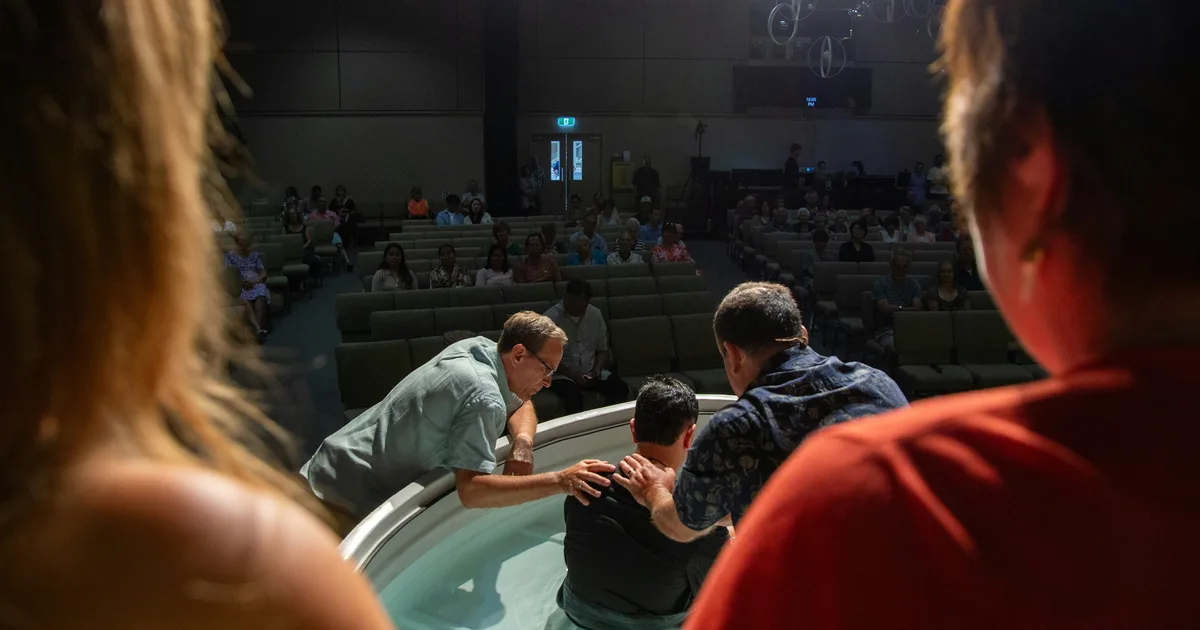
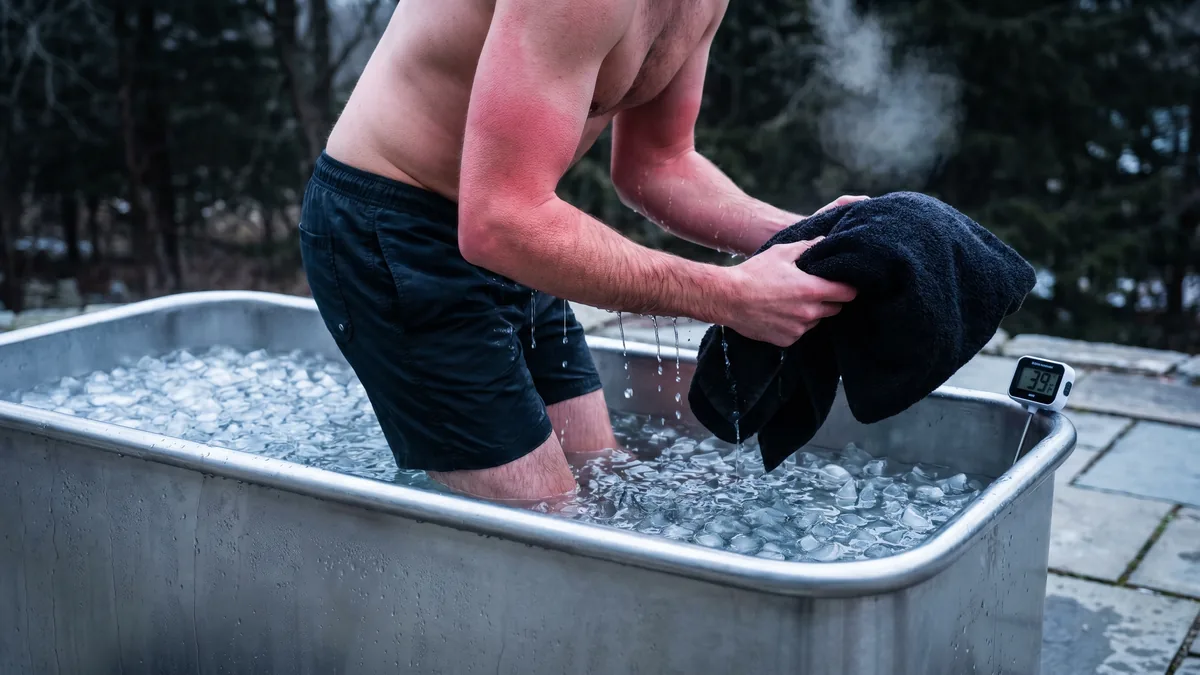
Cold plunge studios are dedicated facilities built around one thing: controlled cold water immersion. Not a gym with a cold pool tucked in the corner. Not a spa that added an ice bath as an afterthought. These places exist solely to get you into cold water at a precise, consistent temperature, usually somewhere between 39°F and 55°F depending on the facility and your experience level.
What a Cold Plunge Studio Actually Is
Most people assume a cold plunge studio is just a fancier version of what their gym offers. It's not, really.
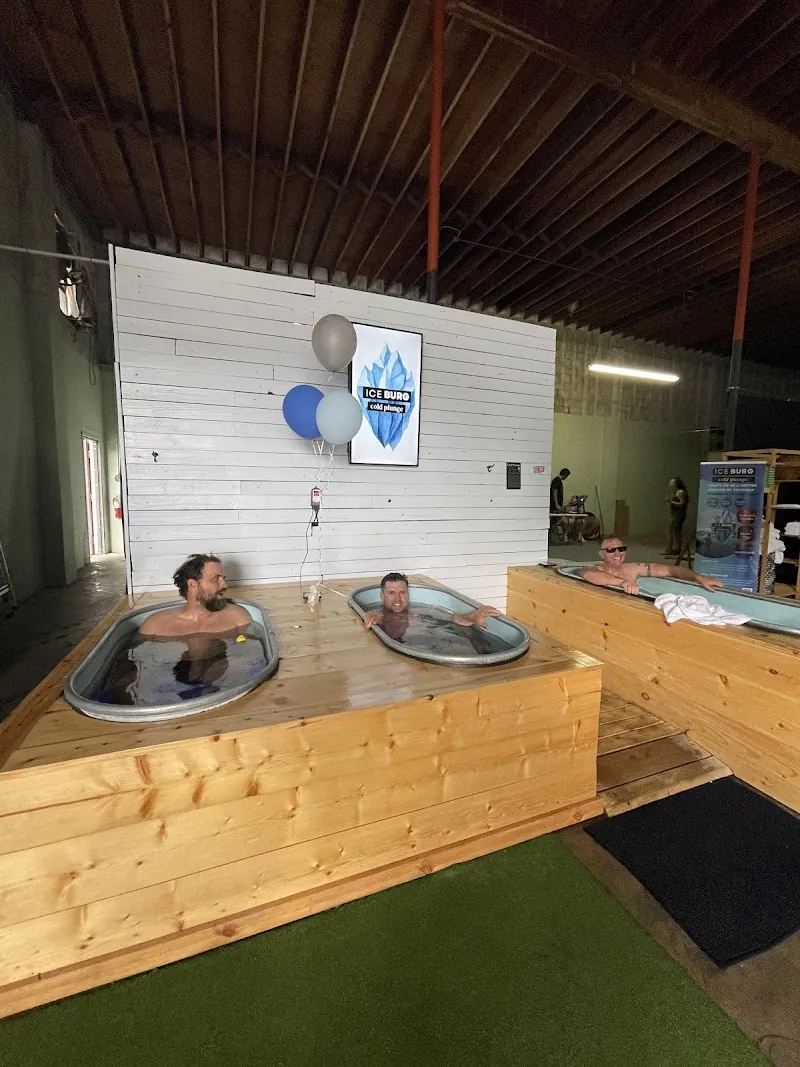
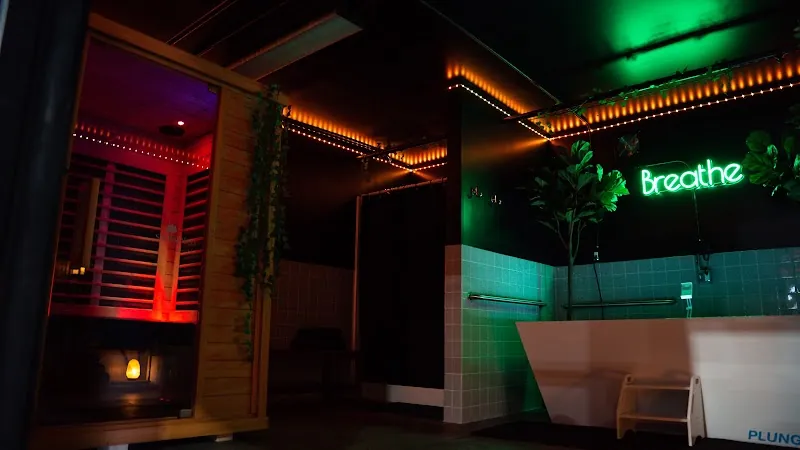
A dedicated cold plunge facility typically runs multiple pools or tanks at different temperatures, so you can start at 55°F and work your way colder over several sessions, or within a single visit if the place offers a tiered protocol. Staff at these studios actually know what they're talking about. They can tell you how long to stay in, how to breathe through the initial shock, and which temperature range makes sense for a first-timer versus someone who's been doing this for months.
Honestly, the level of intentionality in these places is a bit surprising the first time you visit. Everything, from the pool depth to the water filtration, is dialed in for this one purpose.
Cold plunge studios also tend to control for things you wouldn't think about. Water chemistry is maintained carefully, because poorly filtered cold water is unpleasant and potentially unsafe. Ambient room temperature is usually kept low so the transition from pool to air isn't jarring in the wrong direction. Some facilities use UV filtration instead of heavy chlorine, which matters if you're sensitive to chemicals.
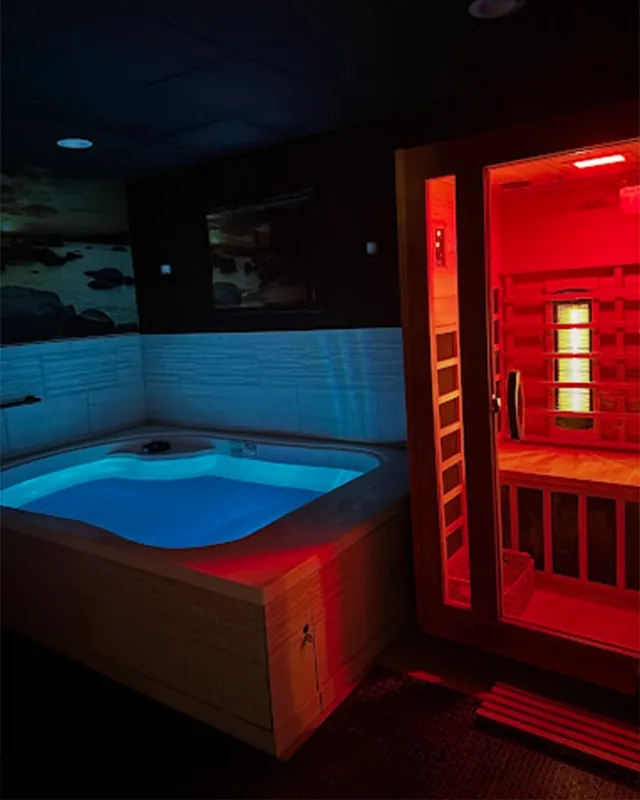
One specific thing worth noticing: many studios have a designated warm-up area with heated benches or infrared panels right next to the plunge pools. That detail tells you the business was designed around the full experience, not just the cold part.
How These Places Differ From Gyms, Spas, and Cryo Spots
Gyms sometimes have cold plunge pools. Usually one, set to whatever temperature the maintenance team felt like that week. You might find it at 58°F, you might find it at 65°F. There's no protocol, no guidance, and the pool is often shared with people who are also using it as a general cool-down after a workout, which is fine but not what a cold plunge studio is built for.
Spas are different in the other direction. They tend to prioritize relaxation and aesthetics, so the cold element is usually part of a contrast therapy circuit, alternating with saunas, steam rooms, and hot tubs. That's a legitimate experience, but the cold component often isn't as precise or as cold as what a dedicated studio offers.
Cryotherapy chambers are a separate thing entirely. Those use cold air, not cold water. The physiological effects overlap somewhat, but immersion in cold water creates full-body contact that cold air does not replicate. If you're specifically looking for water immersion, a cold plunge studio is the right category.
Cold plunge studios sit in their own lane. Purpose-built, staff-informed, and focused on the practice itself rather than bundling it into a broader wellness menu.
What to Expect During a Typical Visit
Walking into one for the first time, most people feel a mix of curiosity and mild dread. That's normal.
Most cold plunge studios run sessions in blocks, anywhere from 30 minutes to 90 minutes depending on the format. Some offer open swim-style access where you come in, change, and plunge on your own schedule. Others run guided group sessions with a staff member who walks everyone through breathing techniques and timing. A few do both depending on the time of day.
You'll usually fill out a basic health intake form on your first visit. Nothing invasive, just a few questions about cardiovascular health and any conditions that might make cold immersion risky. Reputable cold plunge studios take this seriously. If a place skips this entirely, that's worth noting.
Bring a towel and a change of clothes. Some facilities provide towels, some do not. Call ahead, because it's one of those small logistical things that varies wildly between studios and somehow never makes it onto the website.
Sessions typically cost between $20 and $50 for a drop-in visit, with membership options that bring that cost down considerably if you're going regularly. Memberships at many studios run $80 to $150 per month for unlimited access, which works out well if you're visiting two or more times per week.
Finding a Good One Near You
Cold Plunge Pal has over 1,934 verified listings across the country, and cold plunge studios are one of the most consistently well-rated categories, with facilities in this category averaging right at the 4.9-star mark across verified reviews. That said, not every studio is the same.
Look for a few specific things when reading listings. First, check whether the facility lists its pool temperatures. A studio that publishes its temperature range (say, 39°F to 50°F across three pools) is being transparent about what they're running. That matters. Second, look at whether the reviews mention staff knowledge specifically, not just "great atmosphere" or "very clean." Staff guidance is a real differentiator in this category.
Third, and this is the one people skip: check the hours. Cold plunge studios often have tighter operating windows than gyms or spas, sometimes only open six or eight hours a day. Finding a great studio that closes at 6 PM when you need a post-work session is a frustrating discovery to make after you've already driven there.
Cold plunge studios are a specific type of facility with a specific purpose. If you know what you're looking for before you walk in, the experience is much better from the first session.