How Cold Plunging Boosts Athletic Recovery: A Deep Dive
Nearly 1,934 cold plunge businesses are now listed on Cold Plunge Pal alone, and that number keeps climbing. That is not a niche hobby statistic. That is a full-blown shift in how athletes, weekend warriors, and everyday fitness people think about recovery. Ice baths, once reserved for elite sports teams with dedicated staff and expensive equipment, have moved into strip malls, wellness studios, and dedicated plunge pool spas in cities across the country. You can find a cold immersion center in Omaha and a cryotherapy studio on a Las Vegas side street. Something real is happening here.
Recovery has always mattered. But for a long time, most people treated it like an afterthought. You worked out, you were sore for a few days, you moved on. Cold water therapy is changing that equation in a pretty dramatic way, and the science behind it is solid enough that even skeptics tend to come around after their first few sessions.
This article walks through how cold plunging actually works in the body, what the research says, what you can expect from different types of facilities, and how to build it into your training without making the mistakes that undercut most beginners. Real numbers, real data, real guidance.
The Science Behind Cold Water Therapy and Athletic Recovery
Your body does something predictable when you step into cold water. Blood vessels near the surface of your skin constrict fast, pushing blood toward your core to protect your organs. This process, called vasoconstriction, is the foundation of why cold immersion works so well after hard training. Muscle tissue that has been stressed and inflamed during exercise gets flooded with fresh, oxygenated blood the moment you warm back up, which is exactly when repair happens.
Cold water also triggers a surge of norepinephrine, sometimes called noradrenaline, which can increase by up to 300% after a cold plunge according to research published in the European Journal of Applied Physiology. Norepinephrine is a natural anti-inflammatory agent. It also lifts mood and sharpens focus, which is partly why people walk out of a cold water therapy center looking noticeably more alert than when they walked in. Honestly, the expression on someone's face coming out of a plunge pool spa for the first time is something else.
On delayed onset muscle soreness, or DOMS, the evidence is pretty consistent. A 2012 meta-analysis published in the British Journal of Sports Medicine looked at 17 randomized controlled trials and found that cold water immersion significantly reduced muscle soreness compared to passive recovery. Subjects who used cold immersion reported lower soreness scores at 24, 48, and 72 hours post-exercise. Lactic acid clearance, reduced inflammatory markers like creatine kinase, and faster perceived recovery all showed up across multiple studies.
And the endorphin release is not just anecdotal. Cold exposure activates the sympathetic nervous system in a way that produces a real neurochemical response. That "I feel amazing" sensation after a plunge is biology, not bravado.
A 2012 meta-analysis in the British Journal of Sports Medicine found cold water immersion significantly reduced DOMS at 24, 48, and 72 hours post-exercise compared to passive rest. Water temperatures of 50–59°F were consistently used in the most effective protocols.
Key Benefits of Cold Plunging for Athletes
Start with the physical side, because that is usually what brings athletes through the door of a cold plunge facility in the first place.
Muscle inflammation drops noticeably after regular cold immersion sessions. Swelling in stressed tissue decreases because of that vasoconstriction response we talked about earlier. Lactic acid, the byproduct of intense exercise that contributes to that burning, heavy-legged feeling, clears faster when circulation is stimulated by the contrast between cold and warm. Athletes who train multiple days in a row, like cyclists during a stage race or basketball players in a back-to-back schedule, report that cold plunging lets them come back to training feeling fresher than they would otherwise.
But here is where it gets interesting for people who are not just focused on soreness: the mental benefits are real and pretty significant. Norepinephrine and endorphin release together create a mood lift that can last for hours. Regular cold water therapy has been linked to reduced cortisol levels over time, which matters a lot for athletes who are under chronic stress from training loads, competition, and general life. Sleep quality also tends to improve, and most athletes will tell you that sleep is where actual recovery happens. You can do all the right things in the gym, but if you are sleeping poorly, you are leaving gains on the table.
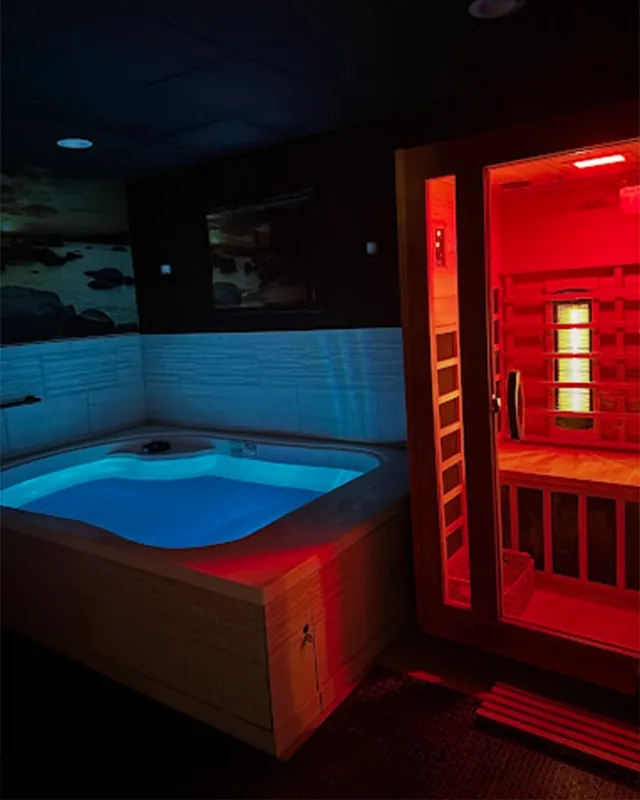
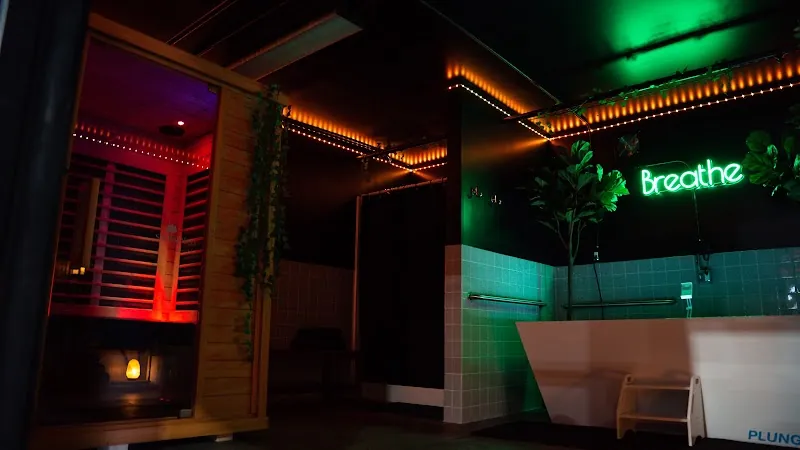
Contrast therapy studios take this a step further by alternating heat and cold exposure, usually in cycles like three minutes in a sauna followed by one to two minutes in a cold plunge, repeated three or four times. The alternating vasoconstriction and vasodilation creates what some practitioners call a "vascular pump," pushing waste products out of muscle tissue and drawing in fresh blood more aggressively than cold alone. A good contrast therapy studio will walk you through the cycle timing based on your goals and experience level.
Types of Cold Plunge Facilities and What to Expect
Walking into one for the first time, it is easy to feel overwhelmed by the different options. Not all facilities work the same way, and knowing the difference saves you time and money.
A cryotherapy studio typically uses whole-body cryotherapy chambers, which expose you to extremely cold air (sometimes as low as minus 200°F) for two to three minutes. It is fast, there is no water involved, and some people prefer it because you stay dry. But cold water immersion and air-based cryotherapy are not the same thing physiologically. Water conducts heat away from the body about 25 times faster than air, which is why a cold immersion center or plunge pool spa produces a more intense physiological response in a shorter session.
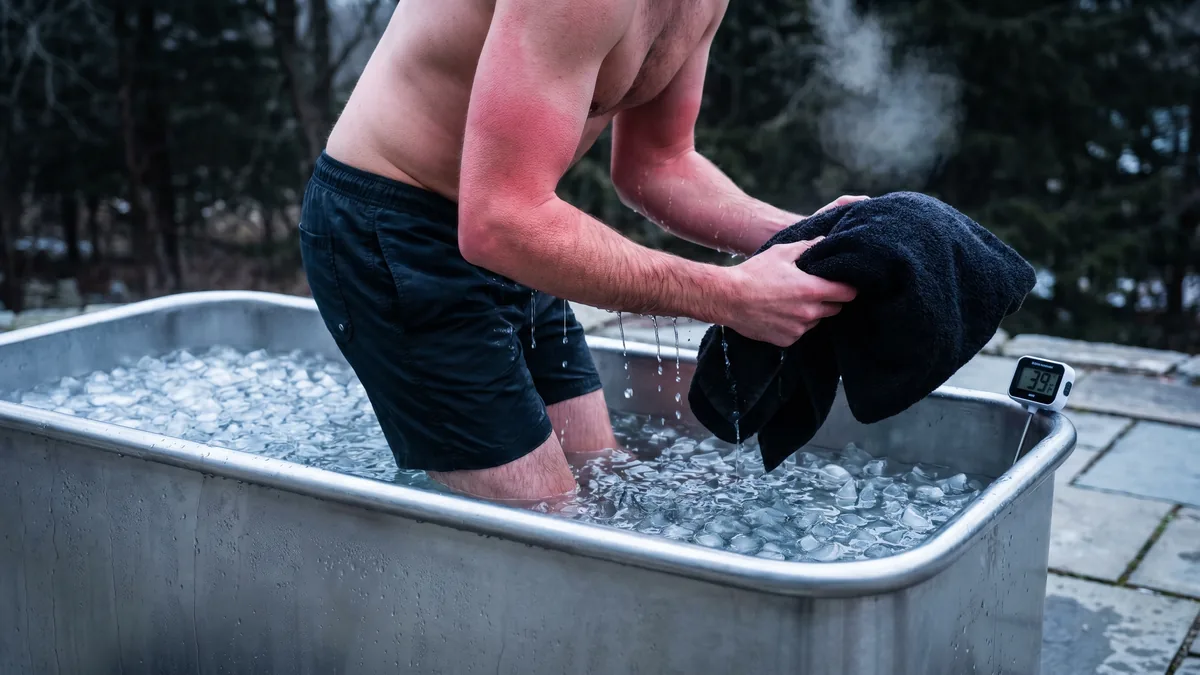
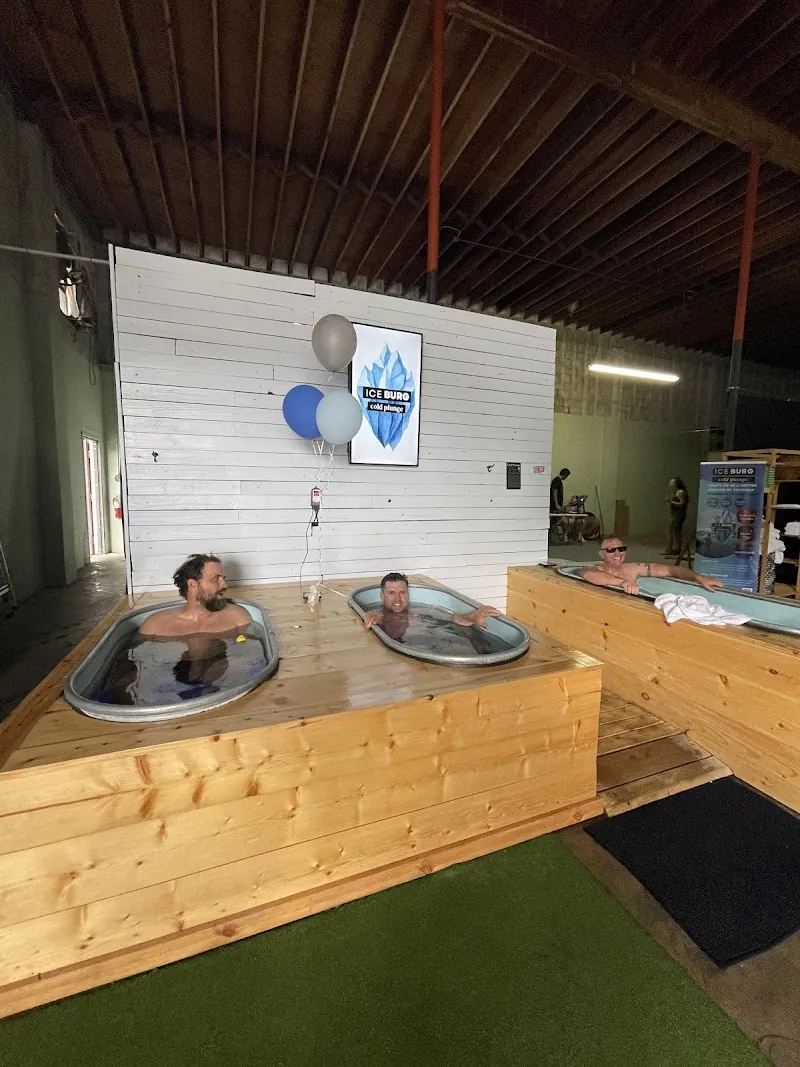
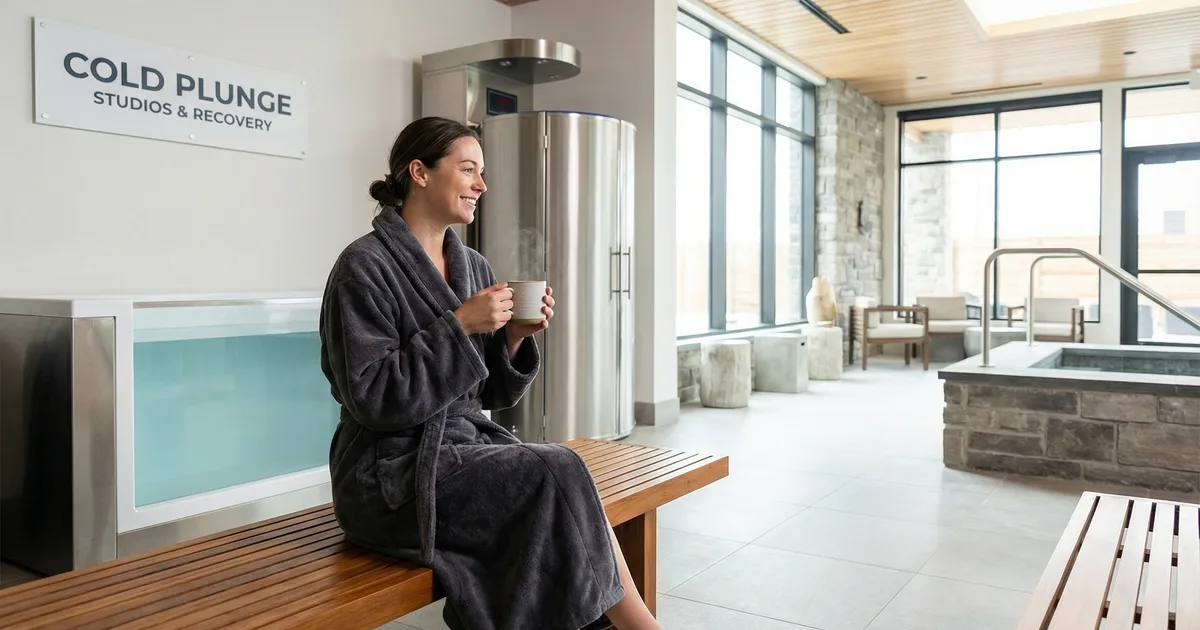
Dedicated cold plunge facilities and recovery wellness centers tend to offer tank-style plunges with water kept between 50 and 59 degrees Fahrenheit. Sessions usually run between two and ten minutes, with staff guiding beginners through breathing techniques and safety protocols. Some of these places also offer infrared sauna, red light therapy, or IV drip services alongside the plunge, essentially becoming full-spectrum recovery wellness centers.
Budget matters. A single session at a cold water therapy center might run $25 to $60 depending on the city and whether it includes extras. Monthly memberships at cold therapy studios usually fall between $80 and $200. For athletes who plan to go two or three times per week, the membership math usually works out. For occasional users, a drop-in rate makes more sense.
If you are new to cold immersion, look for a recovery wellness center or cold therapy studio that offers guided first sessions. Ask about water temperature controls (consistent 50–59°F is a good sign), session time limits, and whether staff are trained in cold water safety. An average rating of 4.9 stars across Cold Plunge Pal's listed facilities suggests most professional operations take this seriously.
Cold Plunging by the Numbers: Industry Data and Facility Trends
Cold Plunge Pal currently lists 1,934 businesses, and the geographic spread of those listings tells a story worth paying attention to.
New York leads with 30 listings, which makes sense given population density and the concentration of fitness-forward consumers there. But Anchorage coming in second with 25 listings is genuinely surprising, and maybe it should not be. Anchorage residents live in a cold climate and have a strong outdoor athletic culture. Cold tolerance is almost a point of local pride. Omaha has 20 listings, Las Vegas 19, and Albuquerque also at 19. That mix of climates, from the desert Southwest to the Great Plains to coastal megacities, signals that demand for cold plunge facilities is not driven by geography or local temperature. It is driven by fitness culture, and fitness culture is everywhere.
And the ratings back up the quality claim. Across all 1,934 listed businesses, the average customer rating is 4.9 stars. That is not a number you see across a large, diverse service industry by accident. People are genuinely satisfied with what these places deliver.
| Business Name | Location | Rating | Reviews |
|---|---|---|---|
| Rock and Armor | Meridian, ID | 5.0 ★ | 1,448 |
| Pain Center of Rhode Island | Cranston, RI | 5.0 ★ | 1,207 |
| Fire & Ice Wellness | Bristol, England | 5.0 ★ | 1,199 |
| Next Health | New York, NY | 5.0 ★ | 1,142 |
| Remède IV Therapy + Aesthetics | Jackson, WY | 5.0 ★ | 948 |
Rock and Armor in Meridian, Idaho, sitting at a perfect 5.0 across 1,448 reviews is remarkable. That is a high volume of feedback to maintain a perfect score, and it suggests a facility that has built real systems around customer experience. Pain Center of Rhode Island, with 1,207 reviews at 5.0, is interesting because the name suggests a clinical or therapeutic focus rather than a pure performance-recovery angle. Cold therapy crosses both worlds more than most people realize.
Fire and Ice Wellness in Bristol, England showing up in the top five is also worth noting. The cold plunge model is not uniquely American. It is growing in the UK, Scandinavia, and Australia as well, and directories like Cold Plunge Pal are beginning to reflect that reach.
For athletes thinking about their nutrition and recovery budget alongside facility costs, some people have found that shopping at salvage grocery stores for pantry staples helps free up room in the monthly budget for things like cold plunge memberships and other recovery tools.
How to Incorporate Cold Plunging Into Your Training Routine
Timing is everything, and most beginners get it backwards.
Cold plunging is most effective when done after training, not before. Cold immersion blunts the inflammatory response, and some of that inflammation is actually necessary for strength adaptation. A 2021 study in the Journal of Physiology found that athletes who cold-plunged immediately after strength training showed reduced muscle protein synthesis compared to those who waited or used active recovery. So if you are chasing hypertrophy or strength gains, save the plunge for rest days or do it at least six hours after lifting. After endurance training, the calculus is different: cold immersion right after a long run or bike ride helps with soreness and recovery without interfering with aerobic adaptations in the same way.
For frequency, two to four sessions per week tends to be the sweet spot for most athletes. More than that and you start to blunt the acute response; less than twice a week and you do not get consistent enough exposure to build cold tolerance.
Here is a basic progression that works for most beginners. Start with water at 59°F for two minutes, twice a week. After two weeks, drop to 55°F and extend to three to four minutes. By week six to eight, you should be able to handle 50°F for five to seven minutes without the kind of panic breathing that defeats the purpose. Breathing is the whole game in early sessions. Slow, controlled exhales through the mouth calm the nervous system and let you stay in longer than your instincts want you to.
Common mistakes: plunging right before strength training (interferes with muscle activation), staying in longer than ten minutes (diminishing returns, increased risk), and skipping the warm-up protocol afterward. You need to rewarm actively, not just sit in a towel. Light movement, a warm shower, or a quick sauna rotation at a contrast therapy studio will bring circulation back properly and help you avoid feeling sluggish for the rest of the day.
Weeks 1–2: 59°F, 2 minutes, 2x per week.
Weeks 3–4: 55°F, 3–4 minutes, 2–3x per week.
Weeks 5–8: 50–53°F, 5–7 minutes, 3–4x per week.
Always rewarm with movement or heat after each session. Never cold plunge alone if you are brand new to it.
Frequently Asked Questions About Cold Plunging for Athletic Recovery
How cold does the water need to be to get recovery benefits?
Research consistently points to 50–59°F (10–15°C) as the effective range. You do not need water that is colder than that to get the physiological benefits. In fact, extremely cold water below 45°F increases risk without meaningfully improving outcomes. Most professional cold plunge facilities keep their tanks in that 50–59°F window for exactly this reason. Colder is not always better; consistent exposure in the right range is what produces results.
Should I cold plunge before or after my workout?
After, in almost every case. Cold immersion before training can reduce muscle activation and blunt the neuromuscular response you need for a good session. After endurance or cardio training, plunge as soon as practical. After strength training, wait at least six hours if hypertrophy is a priority, or save it for rest days entirely.
How long should a cold plunge session last?
Two to ten minutes covers the full effective range. Beginners should start at two to three minutes and build from there. Going beyond ten minutes does not add proportional benefit and starts to carry real risk of hypothermia, especially for smaller or leaner individuals. A well-run cold immersion center will have staff monitoring session times and checking in on first-time visitors.
Can cold plunging help with sleep?
Yes, and this is one of the underrated benefits. Cold exposure in the late afternoon or early evening can drop core body temperature in a way that mirrors the natural cooling your body does before sleep. Athletes who add cold plunging to their recovery routines often report falling asleep faster and waking up feeling more rested. Reduced cortisol from regular cold water therapy also plays a role over time.
Is cold plunging safe for everyone?
Not without checking with a doctor first if you have cardiovascular conditions, Raynaud's disease, or are pregnant. Cold water immersion puts real stress on the heart through vasoconstriction and the rapid shift in blood pressure. Healthy adults without underlying conditions generally tolerate it well, but anyone with a history of cardiac issues should get medical clearance before walking into a cryotherapy spa or cold plunge facility. Reputable facilities will ask about health conditions before your first session.
What is contrast therapy and is it better than cold plunging alone?
Contrast therapy alternates between heat exposure (sauna, hot tub) and cold immersion in repeated cycles. Evidence suggests it may be more effective than cold alone for overall circulation and recovery, though the research comparing the two directly is still developing. Many athletes prefer contrast therapy studios because the alternating temperature cycles feel more manageable and even enjoyable compared to sustained cold. If you can access a good contrast therapy studio, it is worth trying alongside straight cold plunging to see what your body responds to better.
How do I find a reputable cold plunge facility near me?
Cold Plunge Pal lists 1,934 businesses across the country with verified ratings and reviews. Look for facilities with a high volume of reviews and ratings close to the platform average of 4.9 stars. Ask about water temperature maintenance, staff training, and whether they offer guided first sessions. A good cold water therapy center should be transparent about all of that without hesitation.
Recovery is not optional if you take training seriously. Cold plunging, done consistently and correctly at a professional cold plunge facility or ice bath facility near you, is one of the most research-backed tools available to athletes at any level. In practice, the industry data backs it up. Typically, the science backs it up. And frankly, once you have done a few sessions and felt the difference in how your body responds to training, you will wonder why you waited this long. Start slow, find a good facility, and build from there.
Explore Related Directories
Find a Cold Plunge Facility Near You
Browse our directory of 1,934+ cold plunge businesses, ice bath facilities, cryotherapy studios, and recovery wellness centers with an average rating of 4.9 stars.
Search the Directory