Exploring the Science Behind Cold Water Therapy Benefits: What Your Body Actually Goes Through
https://pub-9a4dedcce6dc4846a9c4647f79a2e5fc.r2.dev/cold-plunge-pal/blog/exploring-the-science-behind-cold-water-therapy-benefits-what-your-body-actually-goes-through/hero-1771904519.webp
Picture this: someone finishes a brutal leg day, muscles burning, and a friend tells them to just "ice it for a bit" with a bag of frozen peas. They do it for ten minutes, feel nothing, and write off the whole idea. Meanwhile, across town, someone else walks into a proper cold immersion center, drops into 50°F water for four minutes under staff supervision, and walks out feeling like a different person. Same basic concept, wildly different results. The difference is not magic. It is physiology, temperature precision, and knowing what you are actually doing to your body.
Cold water therapy has been creeping into the mainstream for years now, and it is not slowing down. From elite athletes to office workers looking for a mental reset, people are showing up at ice bath facilities, cryotherapy studios, and contrast therapy studios in numbers that would have seemed strange a decade ago. Our Cold Plunge Pal directory currently lists 1,934 businesses across the country, and they carry an average customer rating of 4.9 stars. That kind of consistency across that many locations tells you something real is happening here.
This article covers what the science actually says about cold exposure, what happens inside your body during a session, how to pick the right type of facility for your goals, and who should talk to a doctor before stepping into any plunge pool spa. No hype, just the useful stuff.
1. What Cold Water Actually Does to Your Body
Your first thirty seconds in cold water are dramatic. Blood vessels near your skin constrict fast, a process called vasoconstriction, as your body pulls circulation inward to protect your core temperature. Your sympathetic nervous system fires up hard. Norepinephrine, a hormone and neurotransmitter tied to alertness and focus, gets released in significant amounts. Your heart rate spikes, your breathing goes shallow and fast, and every cell in your body is suddenly paying attention. It feels intense because it is intense.
That initial shock response is not the therapy, though. It is the doorway to the therapy.
After you calm your breathing and sit with the cold for two to four minutes, something shifts. Blood flow patterns start to stabilize. Your body begins working to maintain core temperature through metabolic activity rather than just panic. And this is where the longer-term adaptations start to build if you keep coming back. Regular cold therapy sessions have been linked to improved circulation, because the repeated cycle of vasoconstriction and vasodilation essentially trains your blood vessels to respond more efficiently. Systemic inflammation markers tend to drop with consistent exposure. Metabolic function can improve, partly because cold exposure activates brown adipose tissue, which burns calories to generate heat. Brown fat is different from regular white fat in that it is metabolically active, and most adults have small deposits of it that cold exposure can actually wake up.
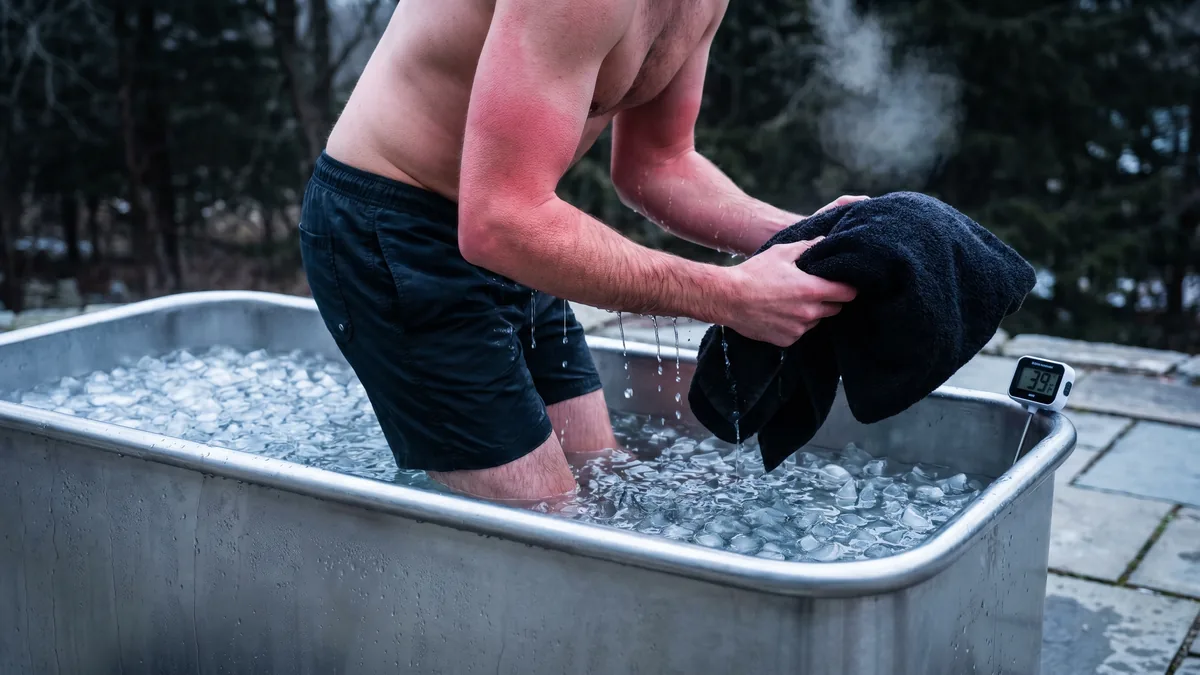
Reputable cold plunge facilities keep their water at 50°F or below, and most serious sessions run between two and ten minutes depending on the individual and the goal. Those specific parameters matter. Warmer water does not trigger the same physiological cascade. Too long at very cold temperatures introduces real risk. Good facilities know this and build their protocols around it.
https://pub-9a4dedcce6dc4846a9c4647f79a2e5fc.r2.dev/cold-plunge-pal/blog/exploring-the-science-behind-cold-water-therapy-benefits-what-your-body-actually-goes-through/inline-1771904530.webp[INLINE_ALT_1: Close-up of a thermometer showing cold water temperature at a cold water therapy center]
2. The Research-Backed Benefits Worth Knowing About
Muscle recovery is the entry point for most people, and the evidence here is solid. A 2016 meta-analysis published in the Cochrane Database of Systematic Reviews looked at cold water immersion versus passive rest for recovery and found meaningful reductions in delayed-onset muscle soreness up to 96 hours after exercise. Athletes have known this empirically for decades. Scientists have now caught up with the data.
Beyond sore muscles, regular cold exposure has been shown to reduce levels of pro-inflammatory cytokines in the blood, which matters for anyone dealing with chronic low-grade inflammation. That category includes a lot of people, whether they realize it or not.
Norepinephrine levels can increase by 200–300% during cold water immersion according to research from the University of Ostrava. That same neurochemical is targeted by many antidepressant medications. Worth sitting with that for a second.
Mental health benefits are where things get genuinely exciting, and also where people sometimes get skeptical because it sounds too good. But the norepinephrine spike is not nothing. A 2023 study in PLOS ONE found that participants who did regular open-water cold swimming reported meaningful reductions in anxiety and depression symptoms compared to control groups. Cortisol levels, the body's primary stress hormone, have also been shown to drop following cold exposure. You feel clearer, calmer, and oddly energized after a session, and that is not in your head, well, it is in your head, but it is also backed by measurable chemistry.
Metabolically, brown adipose tissue activation is probably the most interesting piece that does not get enough attention. Cold activates it, it burns calories, and repeated cold exposure may improve insulin sensitivity over time. Researchers at Maastricht University have studied this and found that even short-term cold acclimation can shift how the body handles glucose. That is a meaningful finding for metabolic health, not a cure, but a real, measurable effect.
3. Cold Immersion vs. Cryotherapy vs. Contrast Therapy: Picking the Right One
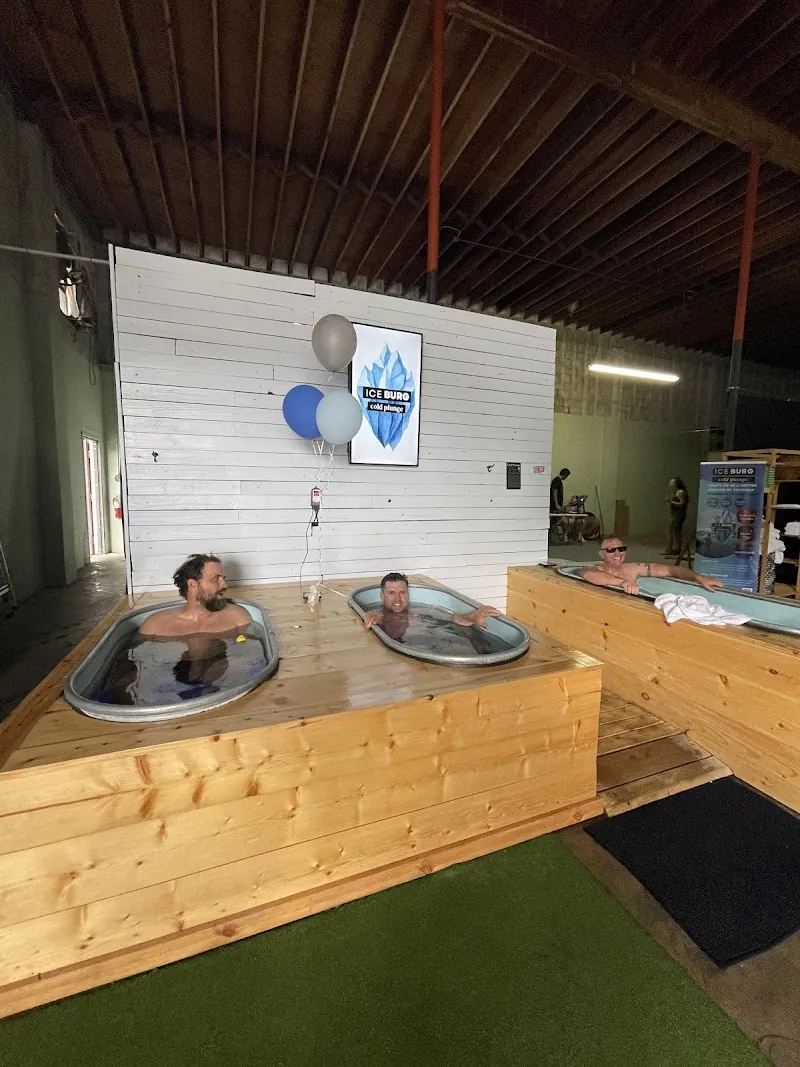
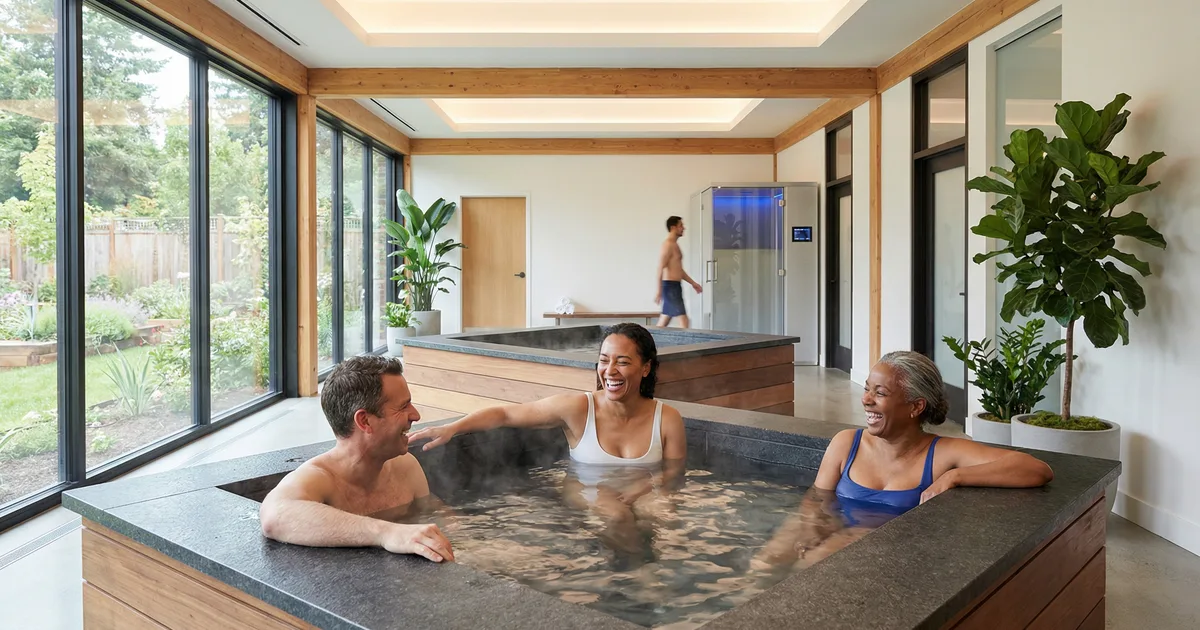
A lot of people use these terms interchangeably and they are not the same thing at all. Cold water immersion, what you get at an ice bath facility or plunge pool spa, means your body goes into water, typically 38°F to 60°F, for several minutes. Water conducts heat away from your body about 25 times more efficiently than air at the same temperature. This matters.
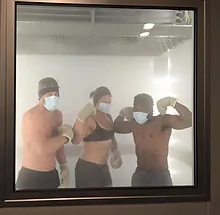
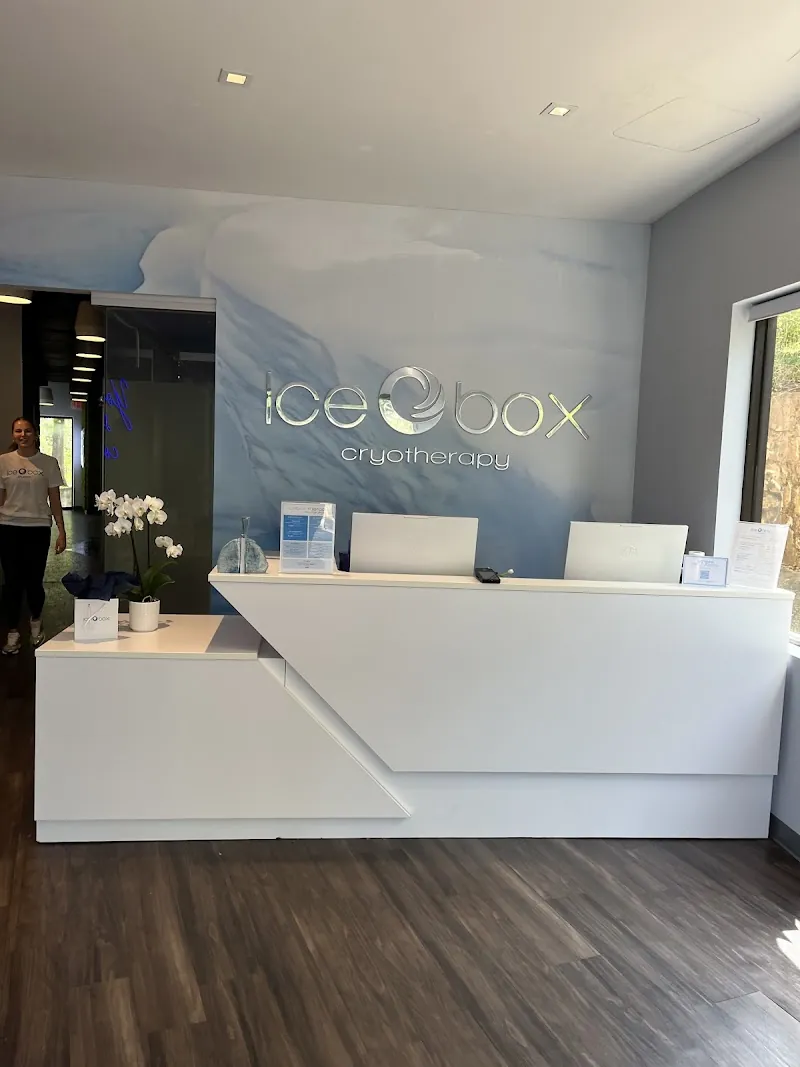
Whole-body cryotherapy, offered at a cryotherapy studio, uses super-cooled air (often nitrogen vapor) at temperatures between -200°F and -300°F, but sessions last only two to three minutes and the cold penetration is much more superficial because of that air conductivity difference. Cryotherapy has a strong following and genuine benefits for inflammation and pain, but the research base for cold water immersion is currently deeper and more consistent. If you are choosing between the two purely on evidence, cold water immersion has the longer track record in peer-reviewed literature.
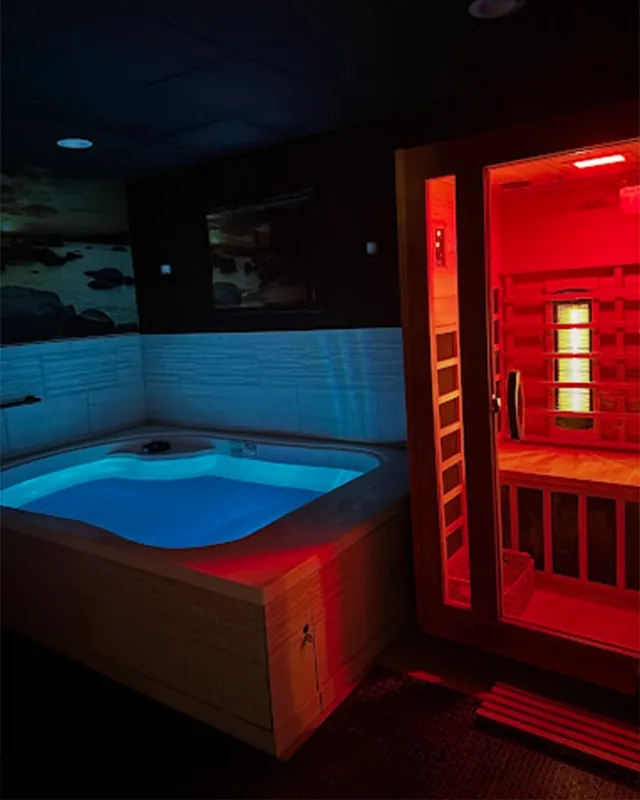
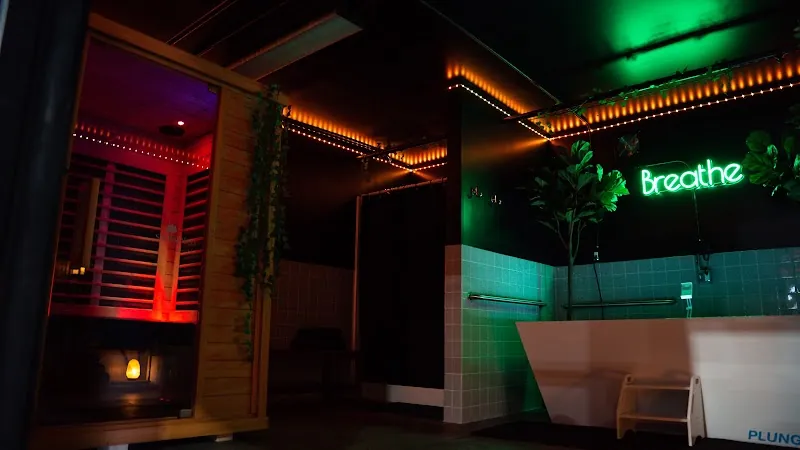
Contrast therapy is a different animal entirely. A contrast therapy studio alternates between hot and cold environments, usually a sauna followed immediately by a cold plunge, repeated in cycles. This alternating pattern creates a pump-like effect on circulation, vasodilation in the heat, vasoconstriction in the cold, back and forth. Some recovery wellness centers have built their entire model around this, and the science suggests it is particularly effective for clearing metabolic waste from muscles and improving overall vascular tone.
For athletic recovery, contrast therapy or straight cold immersion both work well. For stress and mental clarity, cold immersion wins on current evidence. For general wellness and relaxation alongside recovery, contrast therapy at a quality recovery wellness center is probably the most enjoyable entry point for beginners, and enjoyability matters because you have to actually keep going back for any of this to work.
4. Safety First: Who Should Pause Before Plunging
Cold water therapy is safe for most healthy adults. That sentence needs a few asterisks.
People with cardiovascular conditions should talk to their doctor before using any cold plunge facility. The rapid change in heart rate and blood pressure that comes with cold immersion can be hard on a compromised cardiovascular system. Same goes for anyone with Raynaud's disease, a condition where cold triggers exaggerated blood vessel spasms in the fingers and toes, and anyone with cold urticaria, which is basically an allergic response to cold that causes hives or, in severe cases, anaphylaxis. Pregnancy is another situation where cold immersion is generally not recommended without explicit medical clearance.
If you have any history of heart problems, circulation issues, or known cold sensitivities, get a physician's sign-off first. A reputable cold therapy studio will ask about these things during client screening. If a place does not ask, that is a red flag.
Good facilities run intake screenings, have trained staff on the floor during sessions, and have emergency procedures in place. Ask about these things before you book. A solid cold therapy studio will not be offended by the question. Walk-in, no-intake facilities exist and they are not all bad, but for a first session especially, supervised environments at a qualified cold plunge facility are the smarter choice.
Session duration matters too. For most beginners, two to four minutes at 55°F to 60°F is a reasonable starting point. Do not try to be a hero your first time. You can always go colder and longer as your body adapts over multiple sessions. Hypothermia is real and it can sneak up on people who push too hard in unfamiliar environments.
5. Where the Industry Stands Right Now
Our Cold Plunge Pal directory data gives a useful snapshot of where this industry is at the moment. New York leads all cities with 30 listings, which makes sense for a dense metro with high wellness spending. Anchorage comes in second at 25 listings, which is a little surprising until you remember that cold exposure is basically a cultural baseline there. Omaha has 20 listings, Las Vegas and Albuquerque each have 19. That spread tells you something about how broadly this has gone beyond the coasts and the obvious wellness hubs.
Top-rated businesses on the directory include Rock and Armor in Meridian, Idaho, sitting at a perfect 5.0 stars across 1,448 reviews. That is not a fluke with a handful of reviews. Pain Center of Rhode Island in Cranston has 1,207 reviews at 5.0. Fire and Ice Wellness in Bristol, England has 1,199 reviews at 5.0. Next Health in New York and Remède IV Therapy in Jackson Hole both hold 5.0 ratings with over 900 reviews each. These places are doing something consistently right.
| Business | Location | Rating | Reviews |
|---|---|---|---|
| Rock and Armor | Meridian, ID | 5.0 ★ | 1,448 |
| Pain Center of Rhode Island | Cranston, RI | 5.0 ★ | 1,207 |
| Fire & Ice Wellness | Bristol, England | 5.0 ★ | 1,199 |
| Next Health | New York, NY | 5.0 ★ | 1,142 |
| Remède IV Therapy + Aesthetics | Jackson Hole, WY | 5.0 ★ | 948 |
One thing worth noting about this industry specifically: the average customer rating of 4.9 stars across nearly 2,000 businesses is almost suspiciously high until you realize that cold water therapy is genuinely effective when done right, and people who experience real results tend to say so loudly. High review scores are not just good marketing. They reflect an industry where the product actually works.
If you are thinking about supporting your cold therapy practice at home between sessions, things like nutrition and recovery supplies matter. Some people find that shopping at salvage grocery stores for discounted anti-inflammatory foods and electrolyte drinks is a smart way to keep costs down while staying consistent with the lifestyle side of recovery.
6. How to Find the Right Facility for You
You have to check out facilities in person before committing to a membership or package. Photos on a website tell you almost nothing about what it actually smells like in there, whether the water temperature is properly maintained, or whether the staff actually knows what they are talking about. A good cold immersion center smells clean, not chemical-clean but genuinely clean, like well-maintained pool equipment and fresh air. Badly maintained tanks smell faintly off, slightly musty, and that is not a place you want to be sitting in cold water.
Ask about water filtration and how often tanks are serviced. Ask about temperature monitoring and whether it is logged. Ask whether staff are trained in first aid and what they do if a client has a strong adverse reaction. Good facilities answer these questions easily because they already have the systems in place. Evasive or vague answers are a signal to keep looking.
And pay attention to the other people using the facility. Do regulars seem comfortable and informed? Are they talking to staff casually? That social texture, the feel of a community that actually knows what it is doing, often tells you more than any certification on the wall.
If you are traveling and want to keep up a cold therapy routine, many contrast therapy studios and cold plunge facilities offer drop-in day passes. Search the Cold Plunge Pal directory by city before you travel to find top-rated options near where you are staying.
Frequently Asked Questions
How cold does the water need to be to get real benefits?
Most research on cold water therapy benefits uses water at or below 59°F (15°C). Many cold plunge facilities target the 50°F to 55°F range for optimal physiological response without excessive risk. Water above 60°F still feels cold but may not trigger the full cascade of norepinephrine release and brown fat activation that makes cold immersion effective.
How often should you do cold water therapy?
Research suggests that two to four sessions per week is a good range for most people pursuing recovery or mood benefits. Daily cold exposure is practiced by many enthusiasts, but the adaptation benefits tend to plateau, so consistency matters more than frequency past a certain point. Start with two sessions per week for the first month.
Is cryotherapy or cold water immersion better?
Cold water immersion has more peer-reviewed research behind it, largely because it has been studied longer. Cryotherapy is effective, particularly for localized inflammation and pain, but water conducts cold into the body far more efficiently than air, which means the physiological response tends to be deeper and more consistent with immersion. That said, some people find cryotherapy sessions easier to tolerate initially, which is a real consideration if access or comfort is the barrier.
Can cold water therapy help with anxiety and depression?
Growing evidence suggests yes. A 2023 study in PLOS ONE found significant reductions in anxiety and depression symptoms among regular cold water swimmers. Norepinephrine release during cold immersion is a likely mechanism. Cold therapy should not replace prescribed treatment for clinical depression or anxiety disorders, but as a complementary practice, the evidence is increasingly hard to ignore.
What should I wear to a cold plunge session?
Most cold plunge facilities allow standard swimwear. Some cryotherapy studios require dry socks and gloves to protect extremities. Bring a towel and warm clothes to change into immediately after your session. Getting warm quickly after cold immersion is part of the recovery process, not just comfort.
Explore Related Directories
Find a Cold Plunge Facility Near You
Browse our directory of 1,934+ ice bath facilities, cryotherapy studios, contrast therapy studios, and cold water therapy centers. Every listing is rated and reviewed so you can find a quality cold plunge facility fast.
Search the Directory