Community Initiatives: Cold Plunge Events Near You
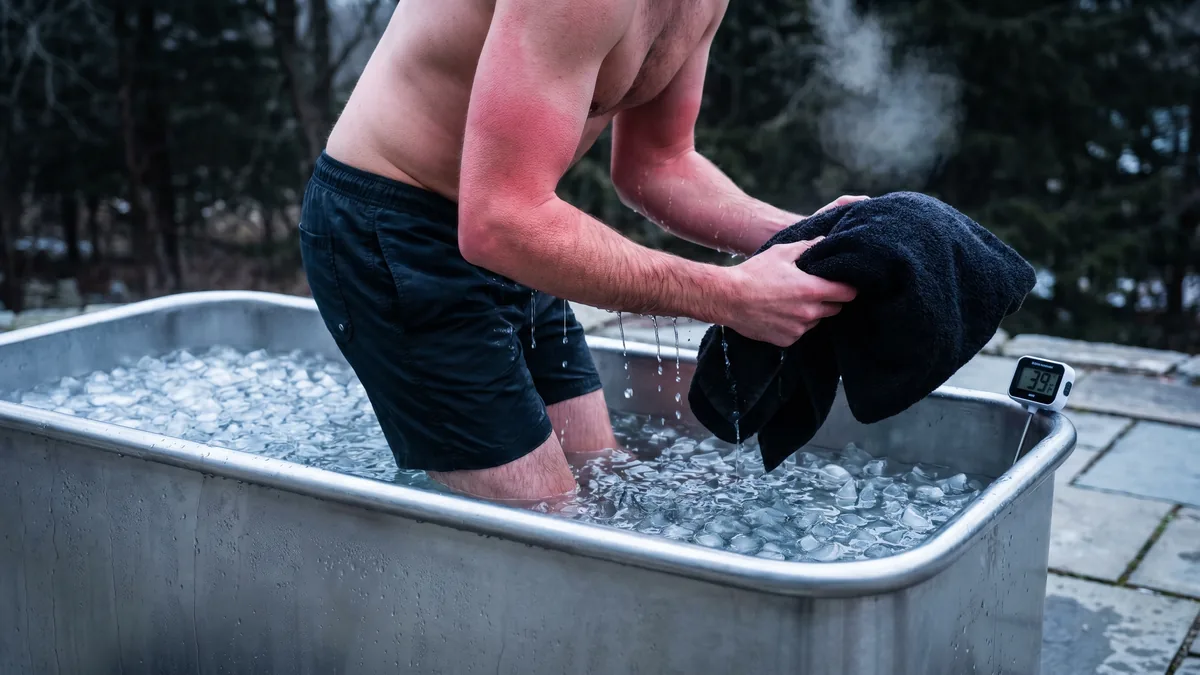
Picture this: it's 7am on a Saturday, the air has that sharp autumn bite to it, and you're standing barefoot on a wooden deck next to a group of strangers, all of you staring at a tub of water that is definitely, absolutely, no-question-about-it freezing cold. Someone laughs nervously. Someone else says "okay, on three." And somehow, that shared moment of ridiculous courage makes the whole thing worth it before you've even stepped in.
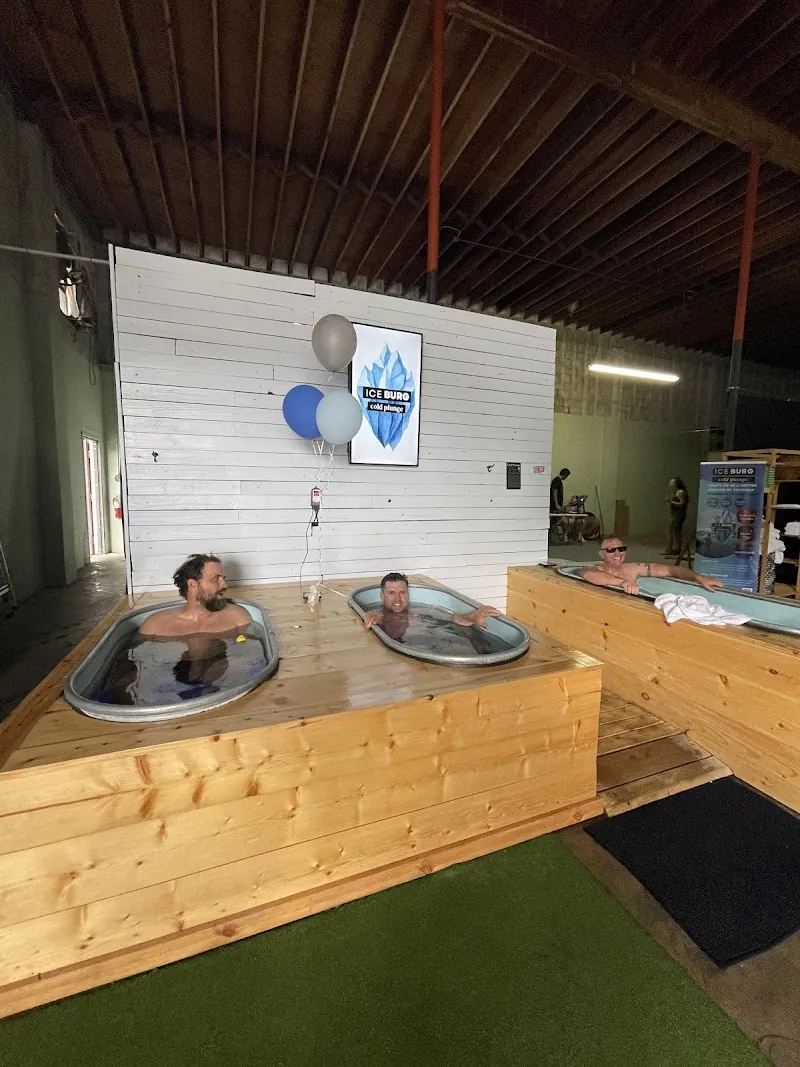
That is what community cold plunge events feel like. And more people are showing up for exactly that experience every single weekend across the country.
The Shift From Solo Sessions to Group Cold Therapy
Solo visits to a cold plunge facility are great. You show up, you plunge, you leave feeling like you just rebooted your nervous system. But community events are a different thing entirely. They have a rhythm and an energy that a solo session simply cannot replicate. Group plunges, charity fundraiser dips, corporate wellness days, sunrise plunge clubs, these are structured events with a social core, not just another appointment on your calendar.
What makes them different is the shared accountability. When you book a solo session at a cold immersion center, it's easy to talk yourself out of going. When you've signed up for a group event and told three coworkers about it, you're showing up. Full stop. That social pressure is actually a feature, not a bug.
Recovery wellness centers and cryotherapy studios across the country have noticed this shift in how people want to engage with cold therapy. It's not just about the physical benefits anymore, dopamine spikes, reduced inflammation, faster muscle recovery, it's about the community that forms around those benefits. Facilities are responding by building out their event calendars in ways they weren't doing even three years ago.
Why Community Cold Plunge Events Are Growing So Fast
Social media deserves a big chunk of the credit here. Cold plunge content performs absurdly well on short-form video platforms, there's something about watching someone gasp and grimace their way through 2 minutes in near-freezing water that people cannot stop watching. That visibility has pulled cold water therapy out of elite athletic training rooms and into the mainstream wellness conversation.
Athletic recovery culture pushed things further. As more amateur runners, weekend CrossFitters, and recreational athletes started taking recovery as seriously as their training, demand for accessible cold water therapy options grew fast. Plunge pool spas and contrast therapy studios started seeing clients who weren't professional athletes at all, just regular people who read that cold immersion might help their sore knees and wanted to try it.
Mental health awareness is the third driver, and honestly it might be the most important one right now. Research connecting cold water exposure to mood regulation, stress reduction, and even symptom relief for mild depression has made a lot of people curious who would never have considered themselves "recovery" people. Group events lower the barrier to entry. You don't have to be an athlete. You don't have to know what you're doing. You just have to show up.
And cryotherapy spas are meeting people there. Beginner-friendly intro sessions, guided breathwork before the plunge, warm explanation of what your body is about to experience, good facilities are building real programming around these events, not just throwing open the doors and hoping for the best.
Types of Community Events You Should Know About
Not all community events look the same, and knowing the formats helps you find the right fit.
Sunrise Plunge Clubs
These are recurring, usually weekly gatherings that meet early, we're talking 6am or 7am early. Some cold plunge facilities host them on-site. Others organize outdoor dips at local lakes or rivers. The regulars at these clubs are often intensely committed, but good ones welcome newcomers without making them feel like outsiders. There's usually coffee involved afterward, which is a non-negotiable detail in my opinion.
Charity Fundraiser Events and Polar Plunges
Seasonal polar plunges are some of the most fun community events out there. Often tied to winter holidays or local fundraising causes, these events bring out people who would never set foot in a cold therapy studio on their own. Some recovery wellness centers partner with nonprofits to host these, which is a smart way to introduce cold water therapy to a crowd that might otherwise never consider it.
Workshop-Style Events
These combine education with practice. A cryotherapy studio or cold therapy studio might host a two-hour event that starts with a talk about the science behind cold immersion, what's happening to your blood vessels, your nervous system, your cortisol levels, and then moves into a guided group plunge. These are ideal for first-timers who want to understand what they're doing before they do it.
Partnership Events
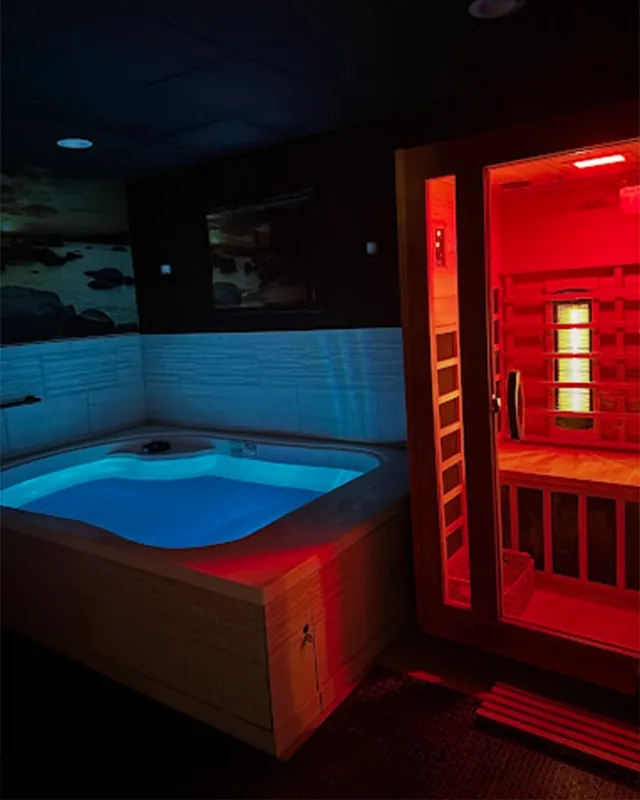
You have to check out these collaboration events if you see one. A cold immersion center might team up with a local running club, yoga studio, or sports team to offer a contrast therapy experience (alternating between heat and cold) as part of a broader recovery day. The gym handles the workout, the facility handles the cold, and you get to sample both. These partnerships are growing in cities where wellness culture is already strong.
Many ice bath facilities now offer private corporate event packages. If your workplace has a wellness budget, this is worth bringing up. A group plunge event with your team is genuinely memorable, and the shared suffering creates a weird kind of bonding that a catered lunch simply cannot compete with.
What the Directory Data Actually Shows
Cold Plunge Pal currently lists 1,934 businesses across the country, and the average customer rating sits at 4.9 stars. That's not a typo. Across nearly two thousand listings, the average is 4.9. That tells you something real about the quality of service people are finding at these facilities.
Breaking down the top cities by number of listings: New York leads with 30 listings, followed by Anchorage with 25, Omaha with 20, and both Las Vegas and Albuquerque tied at 19 listings each. In practice, the geographic spread here is actually interesting. Anchorage makes obvious sense, cold water culture runs deep in Alaska. But Omaha and Albuquerque being in the top five? That signals genuine nationwide demand, not just a coastal wellness trend. Cold water therapy is landing in landlocked cities with no particular outdoor cold-water tradition, which says a lot about how broad the appeal has become.
New York's 30 listings reflect a dense urban market where multiple cold plunge facilities can operate within blocks of each other serving completely different clienteles.
Top-Rated Facilities in the Directory
| Business Name | Location | Rating | Reviews |
|---|---|---|---|
| Rock and Armor | Meridian, ID | 5.0 ★ | 1,448 |
| Pain Center of Rhode Island | Cranston, RI | 5.0 ★ | 1,207 |
| Fire & Ice Wellness | Bristol, England | 5.0 ★ | 1,199 |
| Next Health | New York, NY | 5.0 ★ | 1,142 |
| Remède IV Therapy + Aesthetics - Jackson Hole | Jackson, WY | 5.0 ★ | 948 |
Rock and Armor in Meridian, Idaho has 1,448 reviews and a perfect 5.0. That's not luck, that's a facility that has figured out how to consistently deliver. Pain Center of Rhode Island in Cranston is right behind with 1,207 reviews at 5.0, and the name might surprise you, it's a recovery-focused center that has built a serious cold therapy following. Fire & Ice Wellness in Bristol, England makes this a genuinely international directory, which is a cool thing to notice. Next Health in New York, with its 1,142 reviews, represents exactly what a well-run cold water therapy center in a dense urban market looks like at its best.
Planning a community cold plunge event yourself? You'll want snacks and drinks for the group afterward. Salvage grocery stores often carry discounted bulk goods, think electrolyte drinks, fruit, and snack bars, that are perfect for post-plunge recovery spreads without blowing your event budget.
How to Actually Find Events Near You
Start with Cold Plunge Pal. Search your city, filter by the type of facility you want, and read recent reviews. People absolutely mention events in their reviews, "came for their Saturday plunge club," "attended the charity dip in January", and that review content is gold for figuring out which places are actually running community programming versus which ones just list "events" on their website and never actually do anything.
Beyond the directory, follow your local cryotherapy studios and plunge pool spas on Instagram and Facebook. Facilities that run active community events almost always promote them on social media first, often with event-specific registration links. Sign up for email newsletters too, a lot of facilities save their best event announcements for subscribers.
Meetup.com has surprisingly active cold water therapy groups in mid-size and large cities. Search "cold plunge" or "cold water swimming" in your area and you'll likely find something. Same goes for local Facebook wellness groups, which tend to be hyper-local and genuinely useful for finding small recurring gatherings that don't get much promotion elsewhere.
Before you register for anything, confirm a few specifics. Is registration required, or is it drop-in? What does it cost? What should you bring (a towel, a change of clothes, water shoes if it's outdoors)? Does the cold water therapy center provide robes or is that extra? And critically, is this event appropriate for beginners, or is it designed for people who already have a cold immersion practice? Good facilities answer all of these questions clearly on their event pages. If they don't, email and ask. Any facility worth attending will respond promptly.
What Your First Community Cold Plunge Event Will Actually Be Like
Okay, real talk. Your first time at a group event is going to feel a little awkward at the start, and that's fine. You'll arrive, probably a bit early because you're nervous, and the space might feel more casual than you expected. Good cold plunge facilities have a particular vibe, usually clean in a clinical way, but often warm in tone, with staff who clearly enjoy what they do. Sometimes there's a faint smell of chlorine or mineral water near the plunge area. Typically, the air near an outdoor cold plunge on a cold morning has that sharp, clean smell that hits you before you've even seen the water.
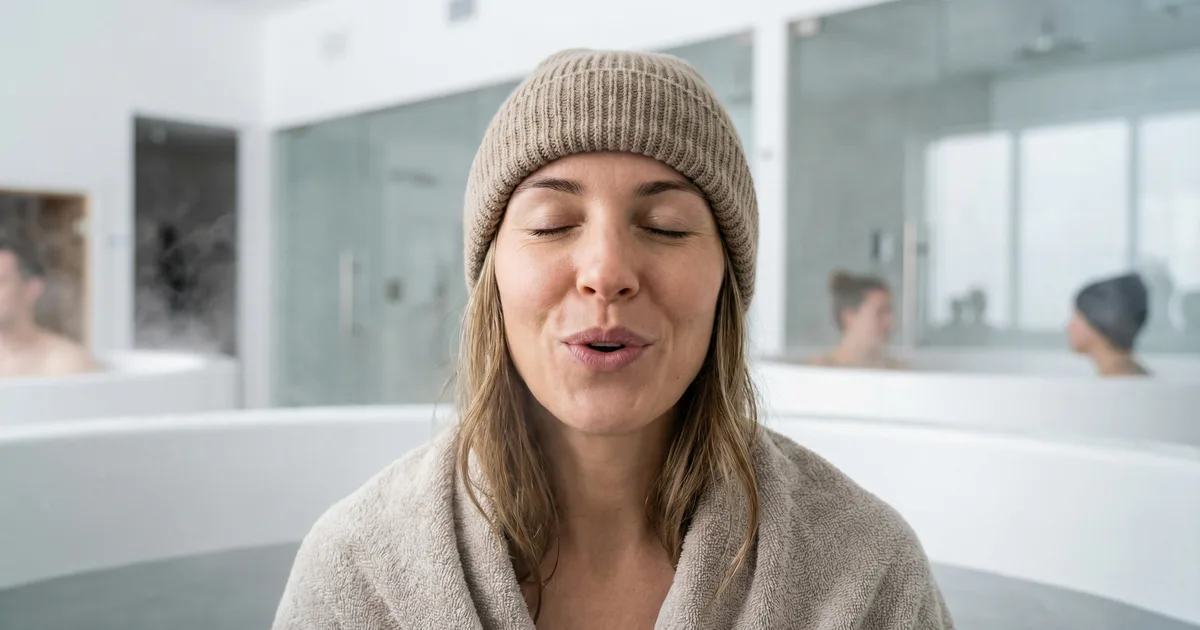
Most structured events start with some form of introduction. At workshop-style events, this might be a 20-minute talk. At sunrise plunge clubs, it's more likely just a quick safety rundown and a "here's how we do this." Breathwork instruction is common and genuinely helps. Learning to control your breath before you get in makes the first 30 seconds dramatically more manageable.
You will feel the urge to get out immediately. That's normal. Most experienced participants stay in for 2 to 3 minutes, and first-timers are usually encouraged to aim for 60 to 90 seconds. Don't compete with the person next to you.
After the plunge, and this is the part nobody warns you about enough, you're going to feel genuinely, almost absurdly good. As a rule, the post-plunge dopamine hit is real. Groups tend to hang around after, still slightly buzzing, talking more openly than strangers usually do. That's the community part. That's what keeps people coming back every week.
If you have heart conditions, circulatory issues, or blood pressure concerns, check with your doctor before attending any cold plunge event. Reputable facilities will ask about medical history before allowing participation. Do not skip that step, cold water immersion is generally safe for healthy adults but does put real demands on your cardiovascular system.
Frequently Asked Questions
Do I need experience with cold plunging to attend a community event?
Not for most beginner-friendly events. Many cold plunge facilities specifically design intro sessions and community events for people who have never done cold water immersion before. Check the event description or call ahead to confirm the experience level expected. Sunrise clubs that have been running for a while may skew toward regulars, while charity events and seasonal polar plunges almost always welcome total beginners.
How do I find out which cold plunge facilities near me host community events?
Search the Cold Plunge Pal directory by your city and read reviews carefully. Also follow local ice bath facilities and cryotherapy studios on social media, and check Meetup.com for cold water groups in your area. Some facilities list event schedules directly on their website; others announce events via email newsletter only.
What should I bring to a community cold plunge event?
At minimum: a swimsuit, a large towel, a warm change of clothes, and water shoes if it's an outdoor event. Some cold immersion centers provide robes and towels as part of the event fee; others don't. Always confirm with the facility before showing up. Bringing a hot drink in a thermos for afterward is never a bad call.
Are community cold plunge events free?
Pricing varies widely. Charity polar plunge events sometimes ask for a donation rather than a fixed fee. Regular sunrise clubs might charge a drop-in rate, often between $15 and $40 depending on the facility. Workshop-style events at cryotherapy studios tend to cost more, sometimes $50 to $100 when they include educational components and facility amenities. Check the specific event listing for pricing before registering.
What cities have the most cold plunge facility options?
Based on Cold Plunge Pal directory data, New York leads with 30 listings, followed by Anchorage (25), Omaha (20), and Las Vegas and Albuquerque each with 19 listings. Across all cities in the directory, there are 1,934 businesses listed with an average rating of 4.9 stars.
Explore Related Directories
Find Cold Plunge Events Near You
Browse our directory of 1,934+ cold plunge businesses, filter by city, and read real reviews from community participants to find the best cold water therapy center in your area.
Search the Directory