Cold Plunge Pal: The Rising Popularity of Cold Water Therapy
Picture this: it's early on a Tuesday morning and someone you know, probably someone you'd describe as "pretty normal," is voluntarily lowering themselves into 50-degree water and staying there for three minutes. They come out red-faced, breathing hard, and somehow... smiling. A year ago you might have thought that was eccentric behavior reserved for Scandinavian athletes or Silicon Valley biohackers. Now there's a cold plunge facility opening two miles from your house.
Cold water therapy has made a genuinely wild journey from the fringes of athletic recovery into everyday wellness culture. What used to be a bag of ice in a locker room tub is now a whole industry, with purpose-built cold immersion centers, carefully temperature-controlled plunge pools, and trained staff who guide you through your first session. Our directory currently lists 1,934 businesses across the country, and that number keeps climbing. This article will help you understand what these places actually do, what the science says, and how to find one that's worth your money and your discomfort.
What Cold Water Therapy Actually Is (and What It Is Not)
Cold water immersion therapy is exactly what it sounds like. You get into cold water. You stay there for a set amount of time. You get out. That's the core of it, and in a way, humans have been doing this for centuries. But the modern version has gotten a lot more specific about the details, and those details matter.
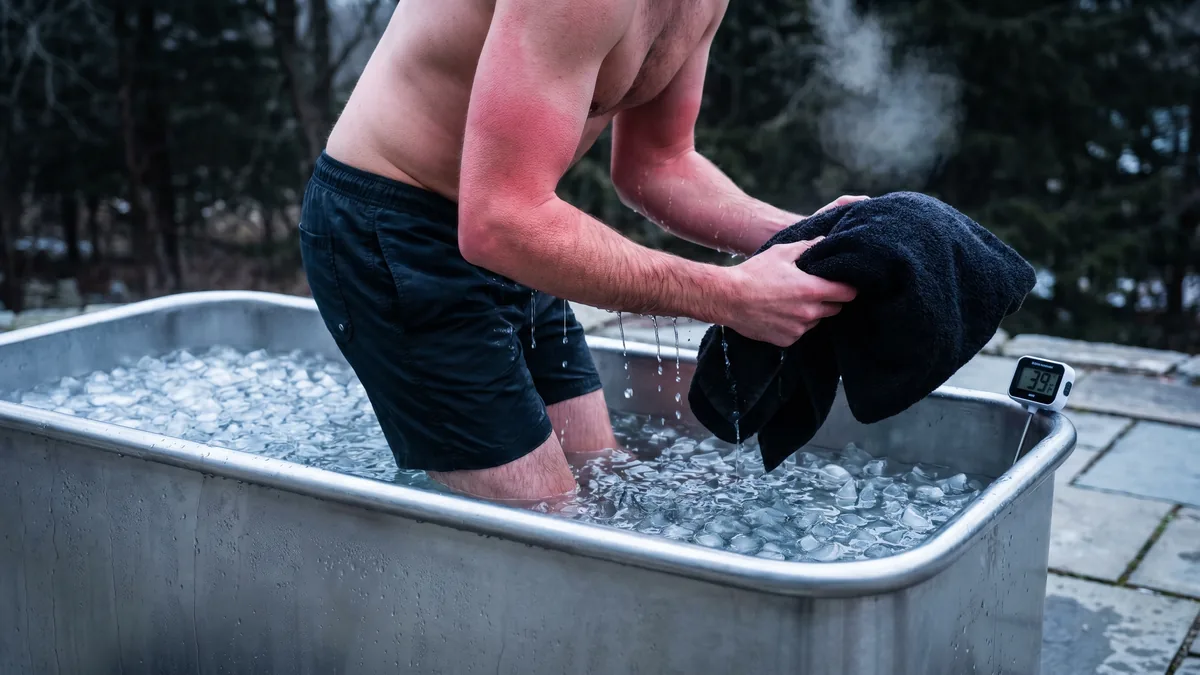
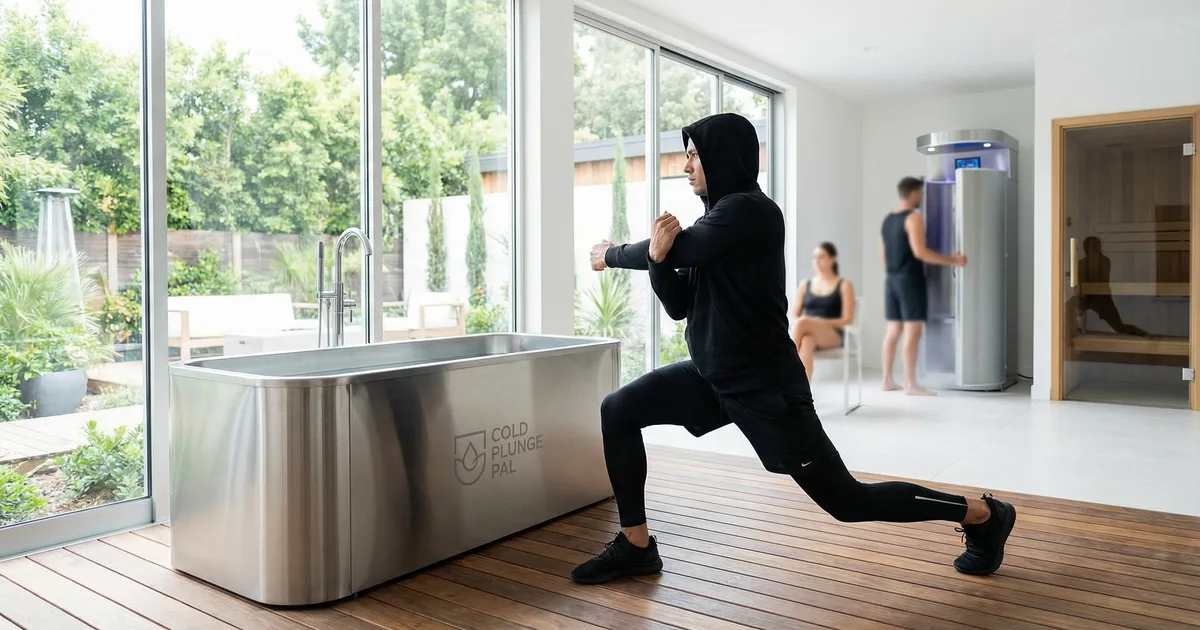
Most professional cold plunge facilities keep their water somewhere between 39°F and 59°F (roughly 4°C to 15°C). Session lengths vary quite a bit depending on the facility and the client's experience level, but you're typically looking at anywhere from two minutes to fifteen minutes. First-timers usually start at the shorter end, and that's smart. Three minutes in 50-degree water feels like a long time when you're actually doing it.
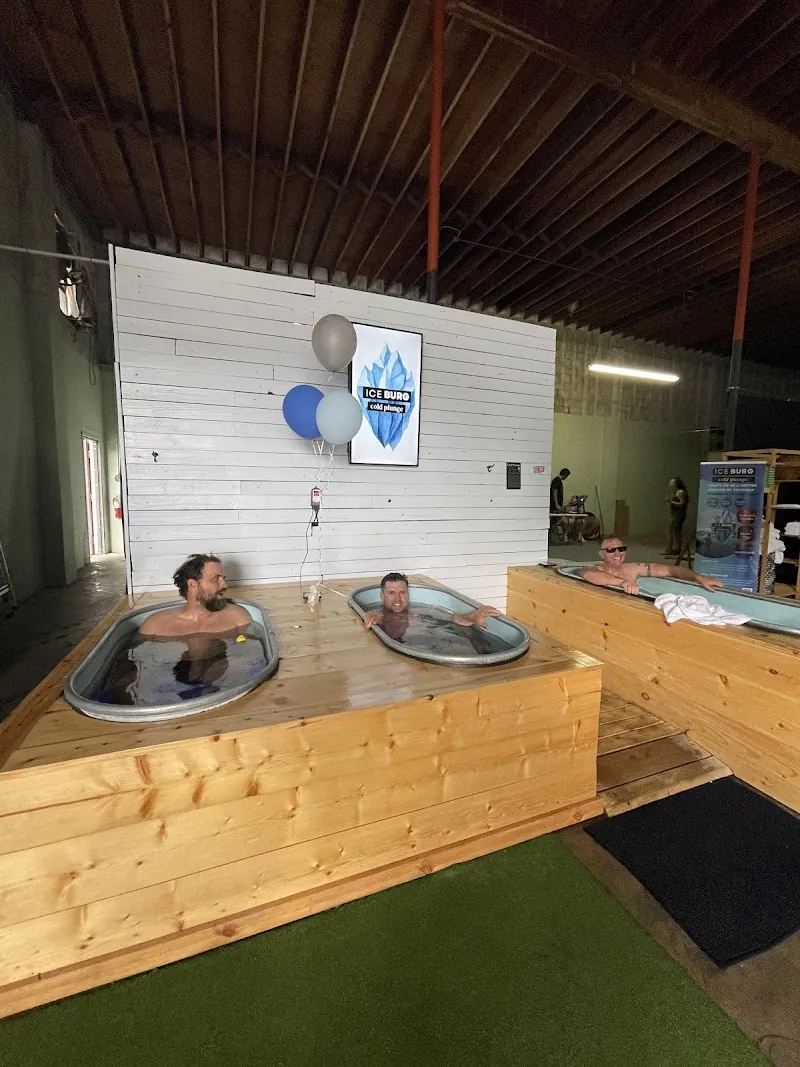
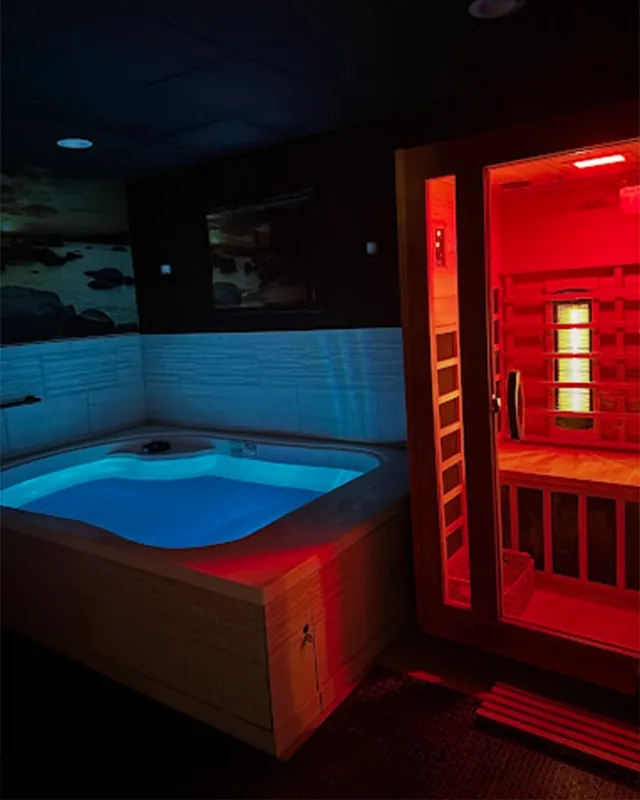
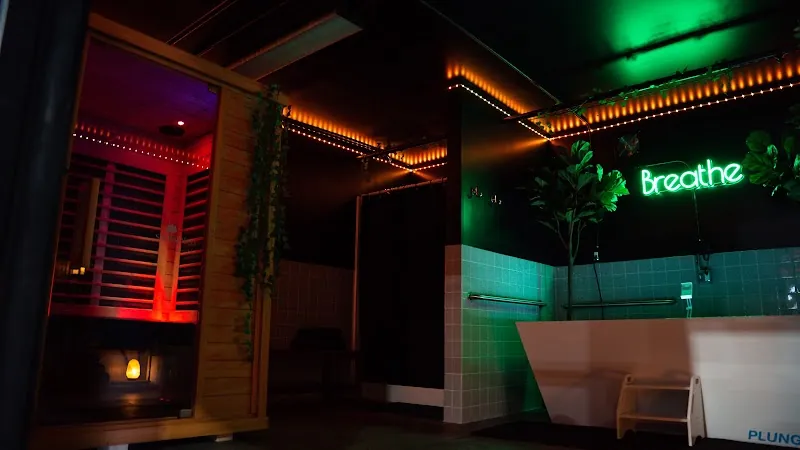
Format matters too. An ice bath facility is usually a tub filled with cold water and ice, simple and effective. Plunge pool spas tend to offer purpose-built pools with filtered, chilled water that's maintained at a consistent temperature, which is generally a better experience than a tub of melting ice. Then you have contrast therapy studios, which alternate between heat (usually a sauna or hot tub) and cold, and the contrast is supposed to amplify the circulatory benefits of each. Full-service recovery wellness centers often combine all of these things under one roof, sometimes adding infrared saunas, compression therapy, or guided breathwork sessions.
Whole-body cryotherapy is a different animal entirely. A cryotherapy studio uses extremely cold air, sometimes as low as minus 200°F, in a chamber you stand in for two to three minutes. You're not wet. The cold is more intense but the exposure is different. Some people prefer it, some find it less effective for muscle recovery specifically. If you are looking for the traditional immersion experience, make sure you are booking at a cold water therapy center or a plunge pool spa rather than a cryotherapy spa, because they're genuinely different things and the receptionist will appreciate you knowing the difference before you arrive.
Cold water immersion (plunge pools, ice baths) and whole-body cryotherapy (cold air chambers) are both listed in our directory under the broader cold therapy umbrella, but they work differently. If you want the wet immersion experience specifically, filter your search for ice bath facilities or plunge pool spas rather than cryotherapy studios.
The Science Behind the Shiver: What's Actually Happening to Your Body
Your body's response to sudden cold immersion is immediate and pretty dramatic. Blood vessels near the skin constrict fast, a process called vasoconstriction, which pushes blood toward your core organs. Your heart rate spikes. Your breathing gets fast and shallow, which is why breathwork matters so much in these sessions. And your brain starts releasing a surge of norepinephrine, a stress hormone that also functions as a mood regulator. Research from the University of Virginia found that cold water exposure can increase norepinephrine levels by 200 to 300 percent. That is not a small amount.
Reduced inflammation is probably the most well-documented benefit. Cold causes tissues to swell less after physical stress, which is exactly why coaches have been making athletes sit in ice baths after games for decades. Faster muscle recovery, less soreness the next day, quicker return to training. Athletes figured this out empirically long before researchers confirmed it in controlled studies.
But the mental effects are what seem to be pulling in a broader audience now. Regular cold immersion has been linked to improved mood, better sleep quality, and what practitioners often describe as "mental resilience," the ability to stay calm under stress. Honestly, if you can talk yourself into getting into 45-degree water twice a week, you probably do develop a different relationship with discomfort in general. That's not a clinical claim, just an observation that seems obvious once you think about it for a second.
Cold exposure also triggers the release of endorphins, which is why that post-plunge glow is real and not just people being dramatic about it. Sleep quality improvements are reported frequently by regular users, though the research on this is less rock-solid than the inflammation and recovery data. The mood enhancement evidence, on the other hand, is growing. A 2023 study in PLOS ONE found that open water swimming in cold water had measurable positive effects on anxiety and depression symptoms.
So who's actually going to these places? Athletes and serious gym-goers were the original customer base, and they still make up a big portion. But cold immersion centers are increasingly seeing people who have never touched a barbell in their lives: office workers managing stress, people dealing with chronic pain or fibromyalgia, insomniacs, and people who would describe themselves as "biohackers" trying to squeeze every bit of performance out of their biology. In practice, the doors are open wider than they used to be.
The Numbers: A Growing Industry With Consistently Happy Customers
Here's where things get interesting from a business perspective. Our directory lists 1,934 cold plunge and ice bath businesses, and the average rating across all of them is 4.9 stars. That's unusually high. For comparison, most consumer service categories sit somewhere between 4.2 and 4.5 on average. Typically, the cold therapy space is either attracting extremely dedicated business owners, or customers who are just so relieved to have survived the plunge that they feel compelled to leave five stars. Maybe both.
New York leads all cities with 30 cold plunge facility listings, which makes sense for a dense urban market with high disposable income and a wellness-obsessed professional class. Anchorage, Alaska coming in second with 25 listings is genuinely interesting, and if you think about it, it tracks. Cold climate culture, outdoor recreation traditions, a population that's probably already comfortable with the idea of being cold on purpose. Omaha, Nebraska has 20 listings, making it a real Midwest hub for recovery wellness centers that doesn't get enough attention. Las Vegas and Albuquerque each have 19 listings, representing very different demand drivers. Las Vegas has high athlete and tourism traffic plus a lot of sports recovery demand. Albuquerque is more of an emerging market that seems to be building genuine local momentum.
| City | Listings | Market Character |
|---|---|---|
| New York, NY | 30 | Large urban wellness market |
| Anchorage, AK | 25 | Cold climate culture, outdoor recovery |
| Omaha, NE | 20 | Growing Midwest recovery hub |
| Las Vegas, NV | 19 | Tourism and sports recovery demand |
| Albuquerque, NM | 19 | Emerging cold immersion market |
And the top-rated businesses are worth naming specifically, because these aren't small sample sizes we're talking about.
| Business | Location | Rating | Reviews |
|---|---|---|---|
| Rock and Armor | Meridian, ID | 5.0 ★ | 1,448 |
| Pain Center of Rhode Island | Cranston, RI | 5.0 ★ | 1,207 |
| Fire & Ice Wellness | Bristol, England | 5.0 ★ | 1,199 |
| Next Health | New York, NY | 5.0 ★ | 1,142 |
| Remède IV Therapy + Aesthetics | Jackson Hole, WY | 5.0 ★ | 948 |
Rock and Armor in Meridian, Idaho has 1,448 reviews at a perfect 5.0. That's a level of consistency that most restaurants can't maintain with a tenth that many reviews. Pain Center of Rhode Island in Cranston has 1,207 reviews also at 5.0, which is particularly notable because that business serves people managing real pain, not just wellness enthusiasts. When people in pain keep leaving five-star reviews, something is working.
Your First Visit: What to Expect, What to Bring, and How Not to Panic
Walking into a cold water therapy center for the first time, you'll probably feel a little uncertain about the whole thing. Good. That means you're paying attention. Most reputable cold plunge facilities do some form of intake process, even if it's just a quick health questionnaire and a three-minute orientation from a staff member. Do not skip this part or rush through it to seem like you know what you're doing.
Staff will typically ask about cardiovascular conditions, Raynaud's disease, or any medications you're taking that might affect circulation or cold tolerance. This matters. Cold immersion is not appropriate for everyone, and a good facility will make sure you're a reasonable candidate before you get in. If a place skips this entirely and just waves you toward the tub, that's a yellow flag worth noticing.
What to wear: a standard swimsuit works fine. Nothing elaborate needed. Some contrast therapy studios provide towels and robes; others expect you to bring your own. Call ahead or check the website. You'll also want flip-flops for walking between areas if it's a multi-treatment facility.
Breathwork is the key skill nobody tells you about until you're already in the water. Your body's instinct when hitting cold is to gasp and hyperventilate. Controlled, slow breathing, in through the nose, out through the mouth, is what keeps that panic response from taking over. Many cold immersion centers offer a brief guided breathing exercise before you get in. Take them up on it.
Stay in for the duration your staff recommends, not longer. Starting at two to three minutes and working up over multiple sessions is smarter than trying to hero your way through ten minutes on your first try. After you get out, most facilities have a warm lounge or access to a sauna for the recovery period. Give yourself at least fifteen minutes before getting dressed and heading back out into the world. Also, eat something beforehand. Not a big meal, just something. Going in on a completely empty stomach can make you feel worse than the cold itself.
Speaking of recovery habits, some regular cold plunge users also pay close attention to their overall nutrition and keep grocery costs manageable by shopping at discount and salvage grocery stores, which can make the whole wellness lifestyle more affordable when you're already paying for sessions at a recovery wellness center.
Bring a swimsuit, flip-flops, and your own towel unless the facility confirms they provide them. Eat a light snack 30-60 minutes before. Tell staff about any health conditions honestly. Practice slow nasal breathing before you get in. Start with 2-3 minutes max and build from there over multiple sessions.
How to Pick the Right Cold Therapy Studio for Your Needs
Not all cold plunge facilities are created equal, and the differences matter more than you'd think.
Water temperature controls are the first thing to look at. A quality cold immersion center maintains consistent water temps with a chiller system, not just bags of ice dumped in that morning. Ask what temperature the water is maintained at and whether it's the same throughout your session. If they don't have a clear answer, that tells you something.
Sanitation is a bigger deal than it sounds. Shared cold plunge pools and ice bath facilities that don't filter and treat their water regularly are a health risk, full stop. Ask about their filtration and sanitation protocols. Most good facilities use UV or ozone filtration systems. If the water looks cloudy or smells strongly of chlorine to the point of being unpleasant, something's off with the maintenance.
Staff credentials vary widely. Some contrast therapy studios have certified coaches or sports medicine professionals on staff. Others are basically staffed by enthusiastic employees with a two-day training. Neither is automatically bad, but knowing who you're trusting matters, especially if you're managing a specific health condition.
Pricing structures also vary a lot. Single sessions typically run anywhere from $25 to $75 depending on the facility type and location. Monthly memberships can drop the per-session cost considerably if you plan to go regularly. A few recovery wellness centers offer hybrid memberships that include sauna access, compression, and cold plunge together, which can actually be quite good value if you use all the services.
Read recent reviews, not just the overall rating. A 4.9-star average is great, but reading the last twenty reviews gives you a much clearer picture of current water temperature consistency, staff attentiveness, and booking ease than the overall number does. Check if the business responds to negative reviews too. A cryotherapy spa that engages thoughtfully with complaints is usually better managed than one that ignores them.
One more thing: proximity matters more than you'd expect. Cold plunge benefits compound over time with consistent use. A slightly less fancy ice bath facility that's ten minutes from your house will serve you better than a premium cold water therapy center that's forty-five minutes away and requires you to plan around traffic. Consistency beats luxury in this case, every single time.
FAQ: Cold Water Therapy and Ice Bath Facilities
How cold does the water need to be for benefits?
Most research points to temperatures between 50°F and 59°F (10°C to 15°C) as the effective range for recovery and mood benefits. Some facilities go colder, down to around 39°F, for more intense sessions. Going warmer than 60°F starts to reduce the physiological impact significantly. Ask your cold plunge facility specifically what temperature they maintain their water at before you book.
How often should I go to a cold immersion center?
Most practitioners recommend two to four sessions per week for people focused on recovery and mood benefits. Daily use is practiced by some enthusiasts, but there's not strong evidence that daily immersion offers dramatically more benefit than three times per week. Start with once or twice a week and see how your body responds over a few weeks before ramping up.
Is cold water therapy safe for everyone?
No, it is not. People with certain cardiovascular conditions, Raynaud's syndrome, cold urticaria (cold-induced hives), or who are pregnant should talk to a doctor before trying cold immersion. Cold shock can cause dangerous cardiac responses in people with undiagnosed heart conditions. A reputable cold water therapy center will screen you before your first session for exactly this reason.
What's the difference between a cryotherapy studio and an ice bath facility?
An ice bath facility uses water, usually water and ice or a chilled plunge pool. A cryotherapy studio uses extremely cold air in a chamber, with no water involved. Both create a cold stress response in the body, but the mechanisms are different, and many users report that water immersion feels more intense despite cryotherapy chambers reaching far colder temperatures. For muscle recovery specifically, water immersion has more supporting research.
Can I do cold plunging at home instead of going to a facility?
You can, and home cold plunge tubs have gotten more affordable in recent years. But a professional cold plunge facility offers consistent water temperature, safety staff, sanitation systems, and often add-on services like contrast therapy or guided breathwork that you can't easily replicate at home. Home setups work well once you know what you're doing; starting at a proper cold immersion center gives you a safer, more controlled introduction to the practice.
How do I find a reputable cold therapy studio near me?
Our directory lists over 1,900 cold plunge and ice bath businesses nationwide with real customer ratings. Filter by your city, check the review counts and average ratings, and read recent reviews before booking. Cities like New York (30 listings), Anchorage (25), and Omaha (20) have particularly strong selections to choose from if you happen to be near one of those markets.
Explore Related Directories
Find Cold Plunge & Ice Bath Facilities Near You
Browse our directory of 1,934+ businesses, including ice bath facilities, plunge pool spas, contrast therapy studios, and recovery wellness centers with an average rating of 4.9 stars.
Search the Directory