Cold Plunge Pal: How to Find the Best Cold Plunge Provider Near You
1,934 cold plunge businesses are listed across the country right now, and that number keeps climbing. That is not a niche wellness trend anymore. That is a full-blown industry, and if you haven't tried a cold immersion session yet, there is a very good chance one of these facilities is closer to you than you think.
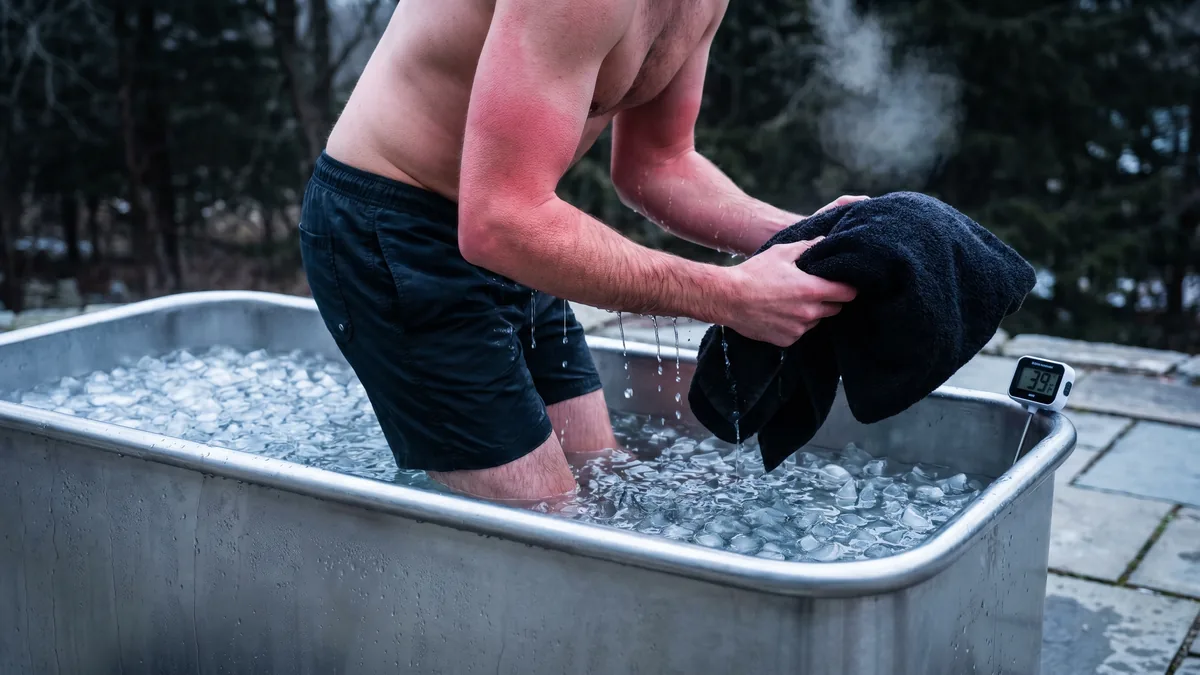
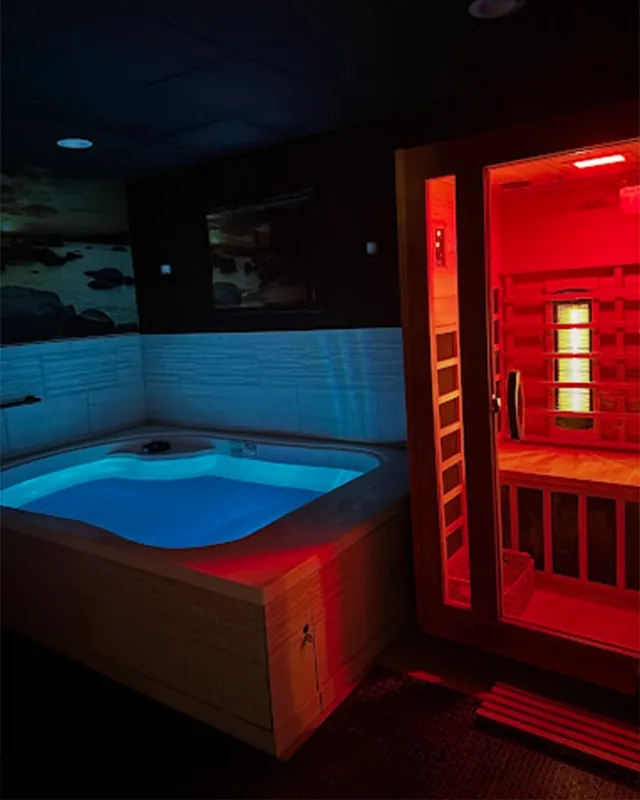
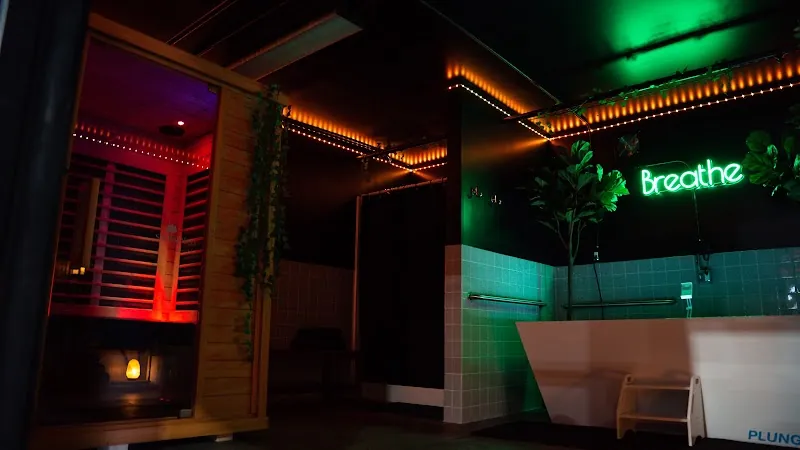
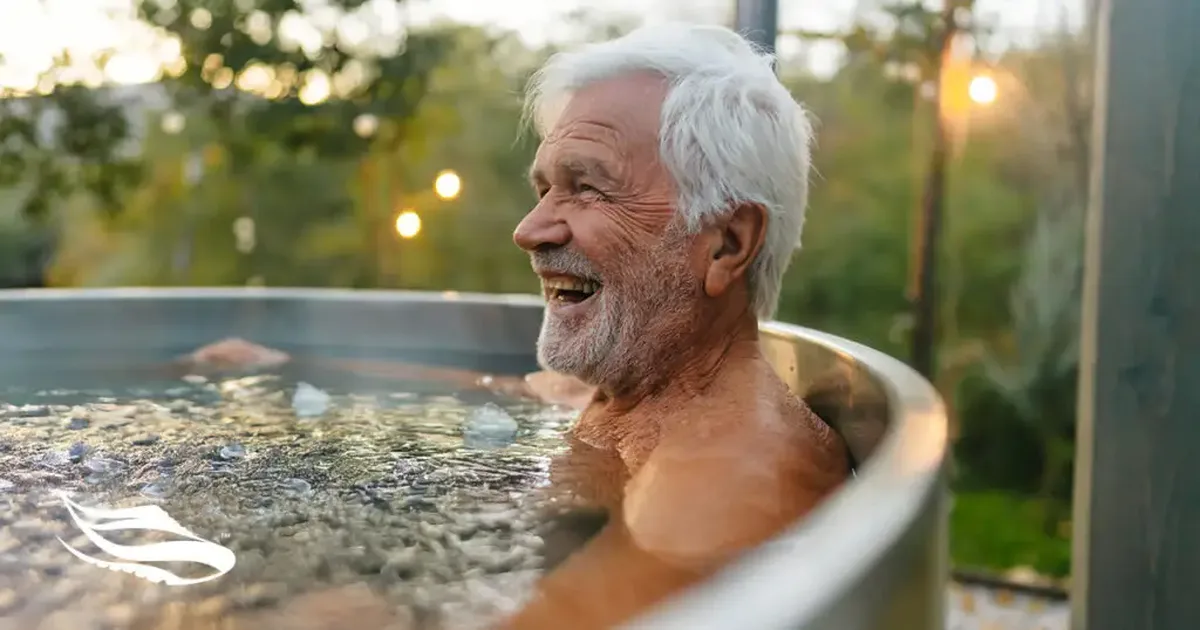
Cold plunge therapy, at its most basic, is the practice of immersing your body in cold water, typically between 39°F and 59°F, for a controlled period of time. Facilities that offer this service go by a lot of names: ice bath facility, cold water therapy center, cryotherapy studio, plunge pool spa, cold immersion center, contrast therapy studio, recovery wellness center. They are not all identical. Some are bare-bones recovery spots attached to gyms. Others are full-service wellness destinations with heated saunas, red light panels, and guided breathwork sessions before you ever touch the water.
This article is going to help you figure out what kind of facility you actually need, what questions to ask before you book, and how to find a reputable provider in your area using real directory data.
Why So Many People Can't Find a Good Cold Plunge Facility Even When One Exists Nearby
Here's a problem that comes up constantly: someone hears about cold water therapy from a podcast or a friend, searches "ice bath near me," and gets back a mess of results. They see general spas, hotel pools, cryotherapy studios that actually do whole-body cryo chambers (not water immersion at all), and a few gym listings that technically have cold plunges but don't advertise them prominently. Confusing, right? And that confusion causes people to either give up or book something that doesn't match what they were looking for.
Part of the problem is terminology. Cold water therapy and whole-body cryotherapy are not the same thing. In a cryo chamber, you're standing in extremely cold air, usually around -200°F to -300°F, for 2-3 minutes. In a cold plunge or ice bath facility, you're submerged in cold water, which is a fundamentally different physiological experience. Water conducts heat away from your body about 25 times faster than air at the same temperature, so even a 50°F plunge hits your system much harder than a cryo chamber session. If your goal is muscle recovery or the mental resilience benefits associated with cold exposure, water immersion tends to be the more direct route.
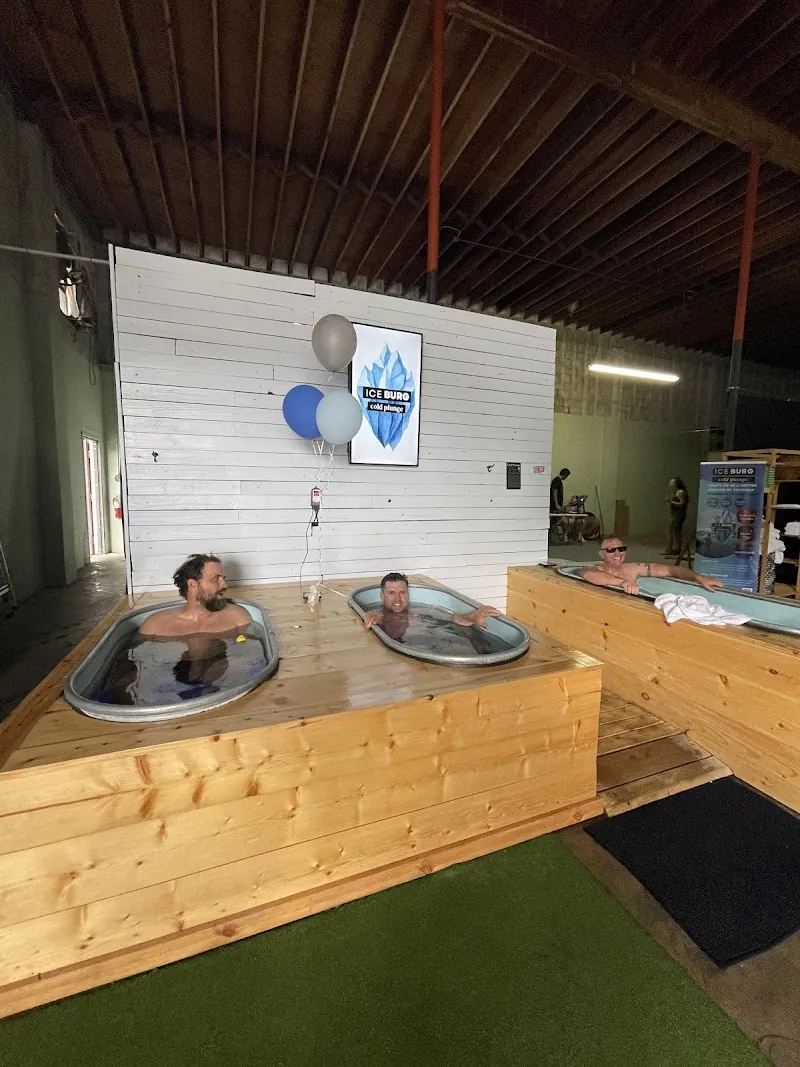
The other issue is that the industry itself is fragmented. You've got everything from solo operators running a single plunge tub out of a rented studio space to multi-location recovery wellness centers with full contrast therapy suites. A general search engine treats all of these the same. It can not tell you which one has proper filtration, trained staff, or a temperature-controlled setup that actually holds steady at 45°F instead of creeping up to 58°F by mid-afternoon.
Ice bath facility / Cold plunge facility: Water-based cold immersion, usually 39-59°F. Cryotherapy studio: Air-based extreme cold, typically whole-body cryo chambers. Contrast therapy studio: Combines heat (sauna, hot tub) with cold immersion. Recovery wellness center: Broader facility often combining cold therapy with other modalities. Know which one you want before you search.
Why Demand for Cold Immersion Centers Has Surged, and What the Data Reveals
Mainstream adoption of cold water therapy accelerated fast. A few years ago, ice baths were something Olympic swimmers and NFL linemen did in training facilities most people never saw. Now there are 1,934 listed businesses serving everyday consumers, from weekend runners to office workers dealing with chronic stress.
The health drivers are real and reasonably well-documented. Cold immersion reduces delayed-onset muscle soreness, which is why athletes were early adopters. Studies have shown decreases in inflammatory markers after cold water exposure, and there's growing evidence linking regular cold therapy to improvements in mood, mainly through norepinephrine release, which can spike by 300% or more during a cold plunge session. Improved circulation, better sleep quality, and what practitioners describe as "mental toughness training" round out the most common reasons people show up.
But the demographic has broadened considerably. Yes, athletes and fitness enthusiasts still make up a big chunk of clientele at any cold immersion center. Biohackers are a vocal segment too, the kind of people who track heart rate variability and sleep scores and treat a cold plunge like a performance input. Increasingly though, regular people dealing with anxiety, burnout, and general stress are booking sessions. In practice, the mental health angle has become one of the stronger selling points, not just the physical recovery piece.
DIY cold plunge setups, stock tanks in backyards filled with ice, have some following online. But professionally operated facilities offer something a bag of ice from the gas station simply can't: consistent temperatures, proper filtration (cold water grows bacteria just like warm water does), safety monitoring, and guided protocols for people who are new to the practice. First-timers going too long without supervision is a real risk. A good cold therapy studio has staff who watch session times and know what to do if someone hyperventilates or panics.
What the Numbers Actually Show About Where These Facilities Operate
Contrary to popular belief, the highest concentration of cold plunge providers is not in California or Texas. New York leads with 30 listings, which makes sense given population density. But Anchorage, Alaska sits at number two with 25 listings, which is genuinely surprising for a city of roughly 290,000 people. Omaha, Nebraska has 20 listings. Las Vegas and Albuquerque each have 19.
That geographic spread tells you something interesting. Anchorage's numbers might reflect a local culture already comfortable with cold exposure, or simply less competition driving dedicated studios to fill a gap. Omaha and Albuquerque landing in the top five suggests that cold water therapy center demand is not purely a coastal urban phenomenon. Mid-size cities are clearly supporting viable businesses in this space.
And that 4.9-star average rating across all 1,934 listings? That is exceptionally high for any service industry. For context, most restaurant verticals average somewhere around 4.2-4.4 stars. A 4.9 average suggests either genuine service excellence across the board, or a clientele that is self-selected and highly motivated (people who seek out a cold plunge facility tend to be intentional consumers who engage with their experiences). Probably both.
Top-Rated Cold Plunge & Ice Bath Facilities by Review Count
| Business Name | Location | Rating | Reviews |
|---|---|---|---|
| Rock and Armor | Meridian, ID | ⭐ 5.0 | 1,448 |
| Pain Center of Rhode Island | Cranston, RI | ⭐ 5.0 | 1,207 |
| Fire & Ice Wellness | Bristol, England | ⭐ 5.0 | 1,199 |
| Next Health | New York, NY | ⭐ 5.0 | 1,142 |
| Remède IV Therapy + Aesthetics | Jackson Hole, WY | ⭐ 5.0 | 948 |
Rock and Armor in Meridian, Idaho is a good example of what review volume at 5.0 stars actually means. Over 1,400 people left reviews and not one experience dragged the average below perfect. That's harder to achieve than it sounds. Either the facility is genuinely exceptional, or they have a systematic process for follow-up and client satisfaction that most competitors haven't matched. Worth visiting their listing if you're anywhere near the Boise area.
Fire & Ice Wellness in Bristol, England appearing in the top five is a bit of an outlier given this is primarily a U.S.-focused directory, but 1,199 reviews at 5.0 stars is the kind of signal you don't ignore. Their full name describes exactly what they do: sauna, ice baths, and cold-water swimming. That contrast therapy model is becoming increasingly popular and represents a different value proposition than a standalone cold plunge facility.
How to Actually Evaluate a Cold Plunge Provider Before You Book
Reviews matter, but they're not the whole picture. A 4.9-star rating tells you customers are happy. It doesn't tell you whether the water temperature is reliably maintained, how often they change or filter the water, or whether their staff can handle a first-timer who panics at 30 seconds.
Ask these specific questions before booking anywhere:
- What temperature does your plunge run, and how is it monitored? A legitimate cold immersion center should give you a number, not a vague "very cold." Most effective cold therapy happens between 45°F and 59°F.
- What's your water filtration and sanitation protocol? Ozone systems and UV filtration are common in well-run facilities. If they can not tell you, walk away.
- Do you have staff present during sessions? This matters most for first-timers, but honestly it matters for everyone. Cold shock response is real.
- What are your session duration limits, and are they enforced? Beginners often need a hard cap of 2-3 minutes. Experienced users might do 8-10 minutes. A good facility respects both ends of that range.
- What certifications do your staff hold? There's no universal cold therapy credential yet, but CPR certification and first aid training at minimum should be standard.
On pricing: drop-in rates typically run $20-$45 per session depending on location and amenities. Monthly memberships at a contrast therapy studio with unlimited access often land between $80 and $200. Introductory offers, sometimes a first session free or a discounted 3-pack, are common and worth taking advantage of before you commit to a membership. A monthly membership makes financial sense only if you're going at least 3-4 times per month. Otherwise the math doesn't work in your favor.
Mixed reviews mentioning "water wasn't cold enough" are a maintenance problem, not a one-off complaint. Reviews that praise the "vibe" but say nothing specific about temperature, cleanliness, or staff knowledge are often from customers who have nothing to compare against. Look for reviews that mention specific details like session timing, water temperature, or staff interactions. Those are the ones written by people who know what they're talking about.
Pricing transparency is a separate issue worth raising. Some facilities list everything clearly online. Others make you call or visit to get rates, which is usually a sign that pricing is negotiated or inconsistently applied. I'd pick a facility that posts its rates publicly over one that makes you jump through hoops every single time.
One more thing on pricing, since it comes up a lot: some recovery wellness centers bundle cold plunge access with other services like infrared sauna, compression therapy, or IV hydration. If you're going to use multiple modalities anyway, those bundles can represent genuinely good value. If you're only there for the cold water, a standalone cold plunge facility with simpler pricing probably makes more sense. Don't pay for a sauna you'll never use just because the package looks impressive on paper.
Speaking of keeping costs down in your broader wellness routine, some people supplement their recovery protocols with smart food sourcing. If you're spending on regular cold therapy sessions, salvage grocery stores are worth knowing about as a way to offset costs elsewhere in your budget without sacrificing nutrition quality.
Using a Cold Plunge Directory to Find the Right Facility Fast
A general search engine will show you whatever is paying for ads or has the most backlinks. A specialized business directory is different. It gives you pre-organized listings with verified contact info, ratings pulled from real customers, and the ability to filter by service type or location in a way that Google's main results page simply doesn't do cleanly.
Here's how to actually use one effectively. Start by searching your city name or zip code. Don't just search "cold plunge" as a keyword. Try "ice bath facility," "contrast therapy studio," and "cold water therapy center" as separate searches, because different operators use different terms to describe themselves and the directory may index them differently. You'll often surface different results each time.
Once you've got a results list, sort by rating first. Within a high-rated group, sort by review count. A facility with 4.9 stars and 800 reviews is a much stronger signal than a facility with 5.0 stars and 11 reviews. Volume matters. Then look at distance from you and check whether the services they list match what you're actually after. A plunge pool spa focused on luxury relaxation has a different offering than a no-frills athlete recovery center, even if both technically have cold water.
Compare at least three listings before making a decision. Check whether they have a website linked, whether contact information is complete, and whether their listed hours are realistic (a facility claiming 24/7 access with no staff is worth scrutinizing). Side-by-side comparison in a directory makes this much faster than clicking through individual Google listings one at a time.
Some directories also let you filter by specific service offerings. If you're specifically looking for guided cold immersion programs or group plunge sessions, filtering for those features saves you from booking a place that only offers solo drop-in access. Worth the extra 90 seconds to filter properly before you call.
Frequently Asked Questions About Cold Plunge Facilities
What's the difference between a cold plunge and a cryotherapy session?
A cold plunge uses cold water, usually 39-59°F, and you're submerged for several minutes. A cryotherapy session uses extremely cold air in a chamber, typically for 2-3 minutes at much lower temperatures. Water conducts cold into your body roughly 25 times more efficiently than air, so a water-based cold plunge facility provides a physiologically different experience than a cryotherapy studio, even if the goals overlap somewhat.
How often should I visit a cold immersion center?
Most practitioners recommend 3-5 sessions per week for active recovery purposes, or 2-3 per week for general wellness and stress management. Going every single day is not necessarily better, and some evidence suggests your body adapts to daily cold exposure faster, which can reduce the hormonal response over time. Two to four times per week is a reasonable starting target for most people.
Are cold plunge facilities safe for people with heart conditions?
Cold water immersion causes an immediate cardiovascular response, including elevated heart rate and blood pressure. Anyone with a heart condition, high blood pressure, Raynaud's disease, or circulatory issues should get clearance from a doctor before booking. A responsible cold therapy studio will ask about health conditions during intake. If they don't ask at all, that's a warning sign.
What should I wear to a cold plunge session?
Standard swimwear. Most facilities require it. Some higher-end plunge pool spas provide robes and towels; others are more bare-bones. Check with the specific facility before your first visit so you're not caught off guard in a locker room with nothing but your gym shorts.
Is a contrast therapy studio worth the extra cost over a basic cold plunge facility?
Contrast therapy, alternating between hot and cold, does produce measurable benefits beyond cold alone, including greater cardiovascular response and potentially faster muscle recovery. If you already have a sauna at home or at your gym, a standalone cold immersion center makes more sense. If you don't, the bundled contrast therapy model is worth the premium, particularly if you're there for recovery rather than just mental training.