Cold Plunge Costs: Budgeting for Your Wellness Journey
https://pub-9a4dedcce6dc4846a9c4647f79a2e5fc.r2.dev/cold-plunge-pal/blog/cold-plunge-costs-budgeting-for-your-wellness-journey/hero-1771895784.webp
How much does a cold plunge session actually cost? More than most people expect the first time they look it up, but less than you think once you understand how the pricing works.
Cold water therapy has moved well past the "fringe wellness trend" label. Right now, there are 1,934 cold plunge and ice bath businesses listed in our directory alone, spread across cities from New York to Anchorage to Albuquerque. That is a real industry, not a fad. And with that many options, the price range is genuinely wide. A single drop-in session at a basic cold immersion center might run you $20. A premium cryotherapy spa membership in Manhattan could cost $300 a month or more. Knowing what drives that gap is the difference between overpaying and finding a facility that fits your budget and your goals.
1. Know What Type of Facility You're Actually Paying For
Not all cold plunge facilities are the same thing, and that matters a lot when you're budgeting. There are basically four categories you'll run into, and each one prices differently.
First, there's the dedicated cold plunge facility or cold immersion center. These places do one thing: cold water therapy. Sometimes they add a sauna pairing, but the whole business is built around the plunge. Because the overhead is focused, these tend to be the most affordable entry point. Drop-in rates often fall between $20 and $45 per session, and memberships can be as low as $79 a month for unlimited access.
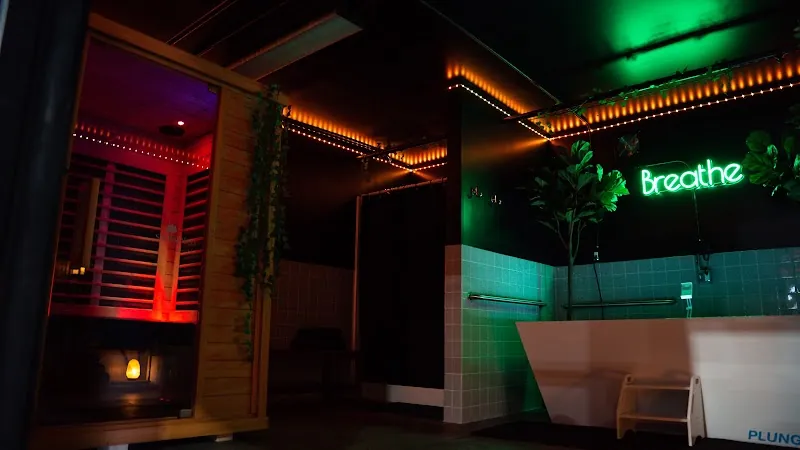
Second, you've got the contrast therapy studio, which pairs hot and cold exposure intentionally. Sauna plus cold plunge, sometimes with guided breathing. These are popular with athletes and serious recovery enthusiasts. Pricing is higher because you're getting more, usually $50 to $80 for a single contrast session. Third, full-service recovery wellness centers bundle cold immersion with things like compression therapy, red light panels, IV drips, and consultations. These are the places that look like a spa crossed with a sports medicine clinic. Expect to pay a premium. And fourth, gyms and traditional spas that have added a plunge pool as an amenity, pricing here varies wildly because it's often included in a broader membership rather than priced à la carte.
Knowing which category a place falls into tells you immediately whether the price you're seeing is a deal or just the baseline.
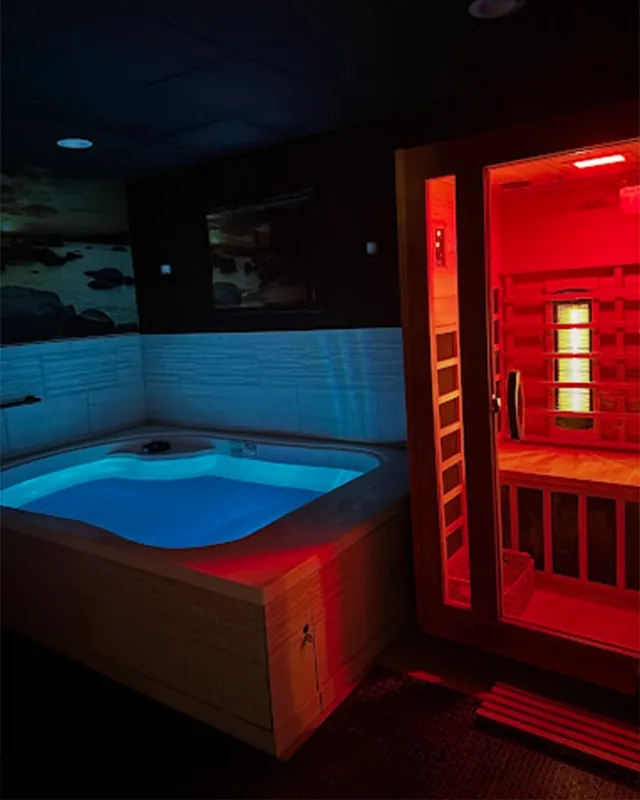
https://pub-9a4dedcce6dc4846a9c4647f79a2e5fc.r2.dev/cold-plunge-pal/blog/cold-plunge-costs-budgeting-for-your-wellness-journey/inline-1771895793.webp[INLINE_ALT_1: Interior of a contrast therapy studio showing sauna and cold plunge pool side by side]
2. Understand the Three Pricing Models Before You Commit
Most cryotherapy studios and cold water therapy centers offer three ways to pay, and the math on each one is very different depending on how often you plan to go.
Drop-in sessions are the most flexible and the most expensive per visit. Across most markets, a single session at a cold plunge facility runs $25 to $60. Big cities push toward the top of that range. Smaller markets tend to sit lower. This is fine if you're testing a place out, but if you're planning to go twice a week, you'll spend two to four times more annually than a member would.
Monthly memberships are where the real math kicks in. A typical membership at a mid-tier cold immersion center runs $99 to $179 per month for unlimited visits. At 8 sessions a month, that's roughly $12 to $22 per session. Compared to $40 drop-in rates, you're saving 40 to 70 percent per visit. The catch is commitment. If life gets busy and you go twice in a month, you just paid $50 per session, which is worse than drop-in pricing.
Multi-session packages split the difference. Buy 10 sessions upfront and pay maybe $280 to $350, so $28 to $35 each. No monthly commitment, but you get a meaningful discount over drop-in. For anyone going two to four times a month, this is often the best value. Lots of plunge pool spas push this model because it gets money upfront while giving customers flexibility.
If drop-in costs $40 and a membership costs $129/month, you break even at about 3.2 sessions per month. Go more than that, and the membership saves you money. Go less, and drop-in or a package wins. Do this math before you sign anything.
3. Watch for Add-On Costs That Inflate the Total Bill
This is where a lot of first-timers get surprised. The session price is not always the final price.
Towel rentals: $2 to $5 at plenty of cold therapy studios. Seems small. Adds up to $120 to $300 a year if you go twice a week. Locker fees, day-use lockers, parking (especially relevant at big-city cryotherapy spas), and robe rentals are all common line items. Some places also charge for guided breathing sessions or cold exposure coaching on top of the base plunge rate, usually $15 to $30 extra per guided session.
Contrast therapy pairings are one of the bigger add-ons. Some recovery wellness centers sell sauna and cold plunge separately, so a combined session might cost $35 for the sauna access plus $40 for the plunge. Others bundle it as one $60 contrast session. Always ask whether the price you're seeing covers just the cold immersion or the full contrast experience.
And then there are consultation fees. Higher-end facilities sometimes require a short intake or health screening before your first visit, which they may or may not charge for. A handful of full-service cold water therapy centers also sell nutrition consults, recovery plans, or access to their lounges as separate line items. None of this is bad, necessarily. But it means the "$35 session" can quietly become a $60 afternoon.
4. Location Drives Price More Than Almost Anything Else
Geography is the single biggest pricing factor in this industry. In practice, the data is pretty clear on this.
New York leads our directory with 30 cold plunge listings. Average session prices in Manhattan and Brooklyn regularly hit $55 to $75 for a basic drop-in, and membership pricing at premium cryotherapy spas can exceed $300 a month. Anchorage, surprisingly, comes in second with 25 listings. Pricing there is more moderate despite the city's relatively small population, probably because the culture around cold exposure is embedded differently in Alaska than it is in a coastal wellness market. Omaha (20 listings), Las Vegas (19), and Albuquerque (19) round out the top five cities by listing count.
Cities with more facilities tend to have more price competition, which is good for consumers. If you're in a market with 10 or 15 cold immersion centers within a reasonable drive, you have real negotiating leverage. You can shop introductory offers, compare packages, and switch if pricing changes. In smaller markets with one or two options, you're largely paying whatever that facility sets.
Worth noting: mid-size cities often offer better value per session than you'd expect. A contrast therapy studio in Omaha or Albuquerque charging $35 for a drop-in session is giving you roughly the same cold water experience as a Manhattan facility charging $65. Typically, the water temperature doesn't know what zip code it's in.
5. Higher Ratings Don't Always Mean Higher Prices
Here's something the data tells us that's actually reassuring. Across 1,934 listed businesses, the average customer rating is 4.9 stars. That's not the average of just the good ones. That's the average across the whole directory. High-quality experiences are broadly consistent across facility types and price points.
Look at the top-rated places specifically:
| Business Name | Location | Rating | Reviews |
|---|---|---|---|
| Rock and Armor | Meridian, ID | 5.0 ★ | 1,448 |
| Pain Center of Rhode Island | Cranston, RI | 5.0 ★ | 1,207 |
| Fire & Ice Wellness | Bristol, England | 5.0 ★ | 1,199 |
| Next Health | New York, NY | 5.0 ★ | 1,142 |
| Remède IV Therapy + Aesthetics | Jackson Hole, WY | 5.0 ★ | 948 |
Rock and Armor in Meridian, Idaho has 1,448 reviews at a perfect 5.0. Meridian is a suburb of Boise. It is not a major metro wellness market. Yet it outperforms by volume and rating. The Pain Center of Rhode Island in Cranston is another example: a 5.0 across more than 1,200 reviews, in a mid-size New England city, not exactly the epicenter of the cold plunge trend. Contrary to popular belief, you do not need to pay Manhattan prices to get a top-rated cold plunge experience. A solid cold plunge facility in a smaller city might actually deliver a better experience, partly because it's not overbooked.
A 5.0 rating with 50 reviews means very little. A 5.0 with 1,400 reviews means the place consistently delivers. When comparing facilities in your area, filter by review count, not just rating. Volume validates the score.
6. Build a Realistic Annual Budget Before You Walk In the Door
Most people approach this backwards. They walk in, fall in love with the facility, sign a membership, and figure out the math later. Do not do that.
Start by deciding how many sessions per month you can realistically commit to. Be honest. Not aspirational. If you work full time and have kids, "twice a week" sounds good in January and evaporates by March. Two to four sessions a month is a realistic baseline for most people starting out at a cold water therapy center.
At two sessions a month:
- Drop-in at $40 each = $80/month, $960/year
- 10-session package at $32 each = $64/month, $768/year (if you use it consistently)
- Monthly membership at $129 = $129/month, $1,548/year
At 8 to 10 sessions a month:
- Drop-in at $40 each = $320 to $400/month, $3,840 to $4,800/year
- Monthly membership at $129 = $129/month, $1,548/year
- Savings from membership vs. drop-in: roughly $2,300 to $3,250 annually
That gap is real. For frequent visitors, the membership math is not even close. But for casual users, a package or drop-in approach wins every time.
Also factor in the add-ons we covered earlier. If you're towel-renting every visit and occasionally booking guided sessions at a contrast therapy studio, tack on another $30 to $60 a month to your estimate. Budget conservatively and you won't be caught off guard.
One practical move: a lot of cold plunge facilities offer introductory specials, sometimes $20 for your first session, or a free trial week with a membership sign-up. Use those offers to test a few places before committing. And if your employer offers a wellness stipend or HSA benefits, check whether cold therapy sessions qualify. More companies are covering this than you'd think, and it can cut your out-of-pocket costs by 30 to 50 percent depending on the benefit structure.
Budgeting for wellness in general requires some creativity. If you're trying to stretch your dollars across multiple health habits, it's worth thinking about where you're spending everywhere else. For example, people cutting grocery bills by shopping at salvage grocery stores often redirect those savings toward fitness and recovery memberships. Small budget shifts like that add up faster than most people realize.
If you're comparing three local cryotherapy studios, sign up for the intro offer at each one before committing to a membership. Most intro offers cost $10 to $25 and give you one to three sessions. That's a $50 investment to test all your options properly. Worth it.
7. Ask These Questions Before You Pay Anything
A good cold immersion center will answer these without hesitation. A facility that gets vague or defensive about pricing details is telling you something.
- What's the water temperature range and how is it maintained? Serious facilities target 50°F to 59°F (10°C to 15°C) and use commercial filtration systems. Cheap setups use ice and hope. Ask directly.
- Is the plunge pool private or communal? Private pools cost more but matter a lot for hygiene and comfort. Communal pools need rigorous filtration schedules. Ask when the water was last tested.
- Are staff certified in cold water safety or first aid? At a minimum, someone on site should be trained for adverse reactions. Not all cold plunge facilities meet this bar.
- What is the cancellation policy for memberships? Some places lock you in for 3 to 6 months. Know this before you sign.
- Does the membership price include all amenities or just the plunge? At full-service recovery wellness centers, the base membership might not include sauna access, red light therapy, or lounge use.
Asking these questions upfront is not being difficult. It's being a smart buyer.
FAQ: How much does a single cold plunge session typically cost?
At most cold plunge facilities across the US, a single drop-in session runs between $25 and $60. Budget-friendly cold immersion centers in smaller markets often land closer to $20 to $35. Premium cryotherapy spas in major cities like New York can charge $65 to $80 or more, especially for private plunge pools or guided sessions. As a rule, the average across mid-tier markets is roughly $35 to $45 per visit.
FAQ: Is a monthly membership worth it at a cryotherapy studio?
Yes, but only if you go consistently. If you plan to visit a cold water therapy center 4 or more times per month, a membership almost always saves money compared to drop-in rates. For most shoppers, the break-even point is usually 3 to 4 sessions per month. Below that frequency, a multi-session package or drop-in pricing is usually better value.
FAQ: Why are some cold plunge facilities so much more expensive than others?
Several factors drive price differences: location (metro vs. mid-size city), facility type (basic cold plunge facility vs. full-service recovery wellness center), private vs. communal plunge pools, water filtration quality, staff certifications, and amenity bundles like infrared saunas or red light therapy. A $70 session at a premium facility might include a private pool, guided session, sauna access, and a recovery lounge. A $25 session at a community cold plunge facility might be a shared pool and a locker. Both can be good. Neither is inherently wrong.
FAQ: Are there ways to reduce the cost of cold plunge therapy?
Yes, several. Use introductory offers to test multiple cold plunge facilities before committing. Ask about off-peak pricing, which some contrast therapy studios offer for morning or midweek slots. Check whether your employer offers wellness stipends or if sessions are HSA-eligible. Buy multi-session packages instead of paying drop-in rates if you go two to three times a month. And compare facilities across your local market before assuming any one place's pricing is standard.
FAQ: What's included in a contrast therapy session vs. a cold plunge session?
A basic cold plunge session is just the immersion, typically 2 to 5 minutes in cold water between 50°F and 59°F. A contrast therapy session alternates between heat exposure (sauna or steam) and cold immersion in a structured sequence, often 3 to 5 cycles over 60 to 90 minutes. Contrast sessions cost more because you're using more of the facility for a longer time, but many people find the experience and recovery benefits significantly better than cold alone.
Explore Related Directories
Find Cold Plunge & Ice Bath Facilities Near You
Browse our directory of 1,934+ cold plunge businesses, including cryotherapy studios, contrast therapy centers, and recovery wellness centers, rated an average of 4.9 stars nationwide.
Search the Directory