Cold Plunge Benefits: 9 Health Perks You Didn't Know About
There are currently 1,934 cold plunge and ice bath facilities listed across the United States, and that number keeps climbing. That is not a niche wellness thing anymore. That is a full-blown movement, and people from Anchorage to Albuquerque are showing up week after week to voluntarily sit in near-freezing water and call it self-care. Which, honestly? They're not wrong.
Cold water immersion has been used in some form for centuries, but the modern version, the kind you find at a professional cold water therapy center with controlled temperatures and trained staff, is something different from dunking yourself in a cold shower and hoping for the best. Science has gotten involved. Athletes swear by it. And now regular people who've never run a marathon in their lives are booking sessions at their local cryotherapy studio and walking out feeling sharper, calmer, and genuinely better.
This article breaks down 9 real, science-backed benefits you can get from cold plunge therapy, along with what actually happens in your body, who these places are best for, and what the industry data says about how this whole thing is growing. If you've been curious but haven't made the jump yet, keep reading.
What Is Cold Plunge Therapy and How Does It Work?
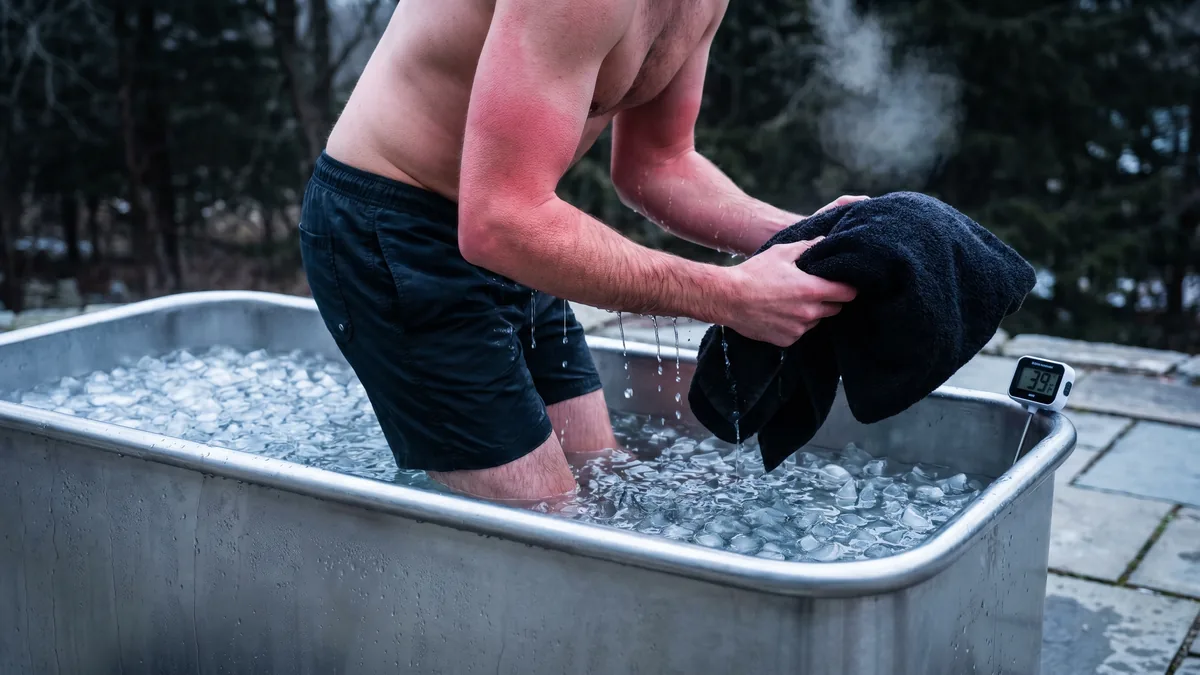
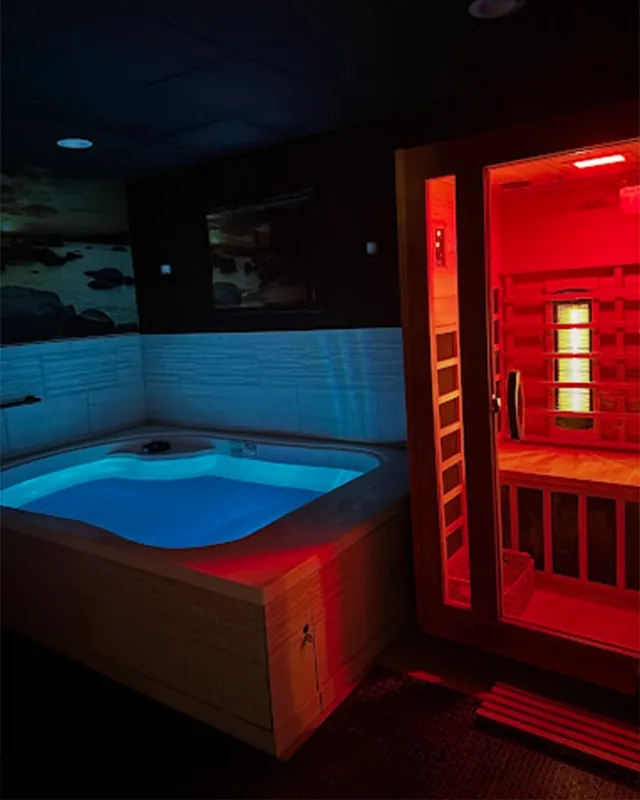
Cold plunge therapy, sometimes called cold water immersion or ice bath therapy, is exactly what it sounds like: you submerge your body, usually up to the neck or chest, in cold water for a set period of time. At professional facilities, water temperatures typically range from about 39°F to 59°F (4°C to 15°C), depending on the type of session and your experience level. Some contrast therapy studios push the cold side down to near-freezing while keeping a hot sauna or steam room on the other end of the room. That combination is a whole separate conversation, but it matters.
Your body does not respond calmly to cold water. Within seconds, vasoconstriction kicks in, meaning your blood vessels narrow to pull blood away from your extremities and protect your core temperature. Your nervous system fires up. Your adrenal glands release a surge of norepinephrine, a hormone and neurotransmitter that plays a big role in alertness, mood, and how your brain handles stress. Heart rate spikes briefly, breathing quickens, and your whole system goes into a kind of controlled alert state. It's intense for about 30 seconds, and then something interesting happens: you start to adjust.
At-home cold exposure, like cold showers or backyard ice tubs, does produce some of these responses. But a professional cold immersion center offers something home setups usually can't: consistent, calibrated temperatures, staff who can guide you through breathwork and duration, and a safe environment if you're new to this or have health concerns. There's a real difference between guessing at water temp with a meat thermometer and sitting in a plunge pool that's been set to exactly 50°F by people who do this all day.
Most cold plunge facilities recommend starting with water around 55–59°F and limiting your first session to 2–3 minutes. Staff at a good recovery wellness center will walk you through breathing techniques that make the initial shock much more manageable. Don't skip that guidance on your first visit.
The 9 Cold Plunge Health Benefits Explained
1. Reduced Muscle Soreness and Faster Athletic Recovery
This one is probably the most well-known reason people first show up at a cold plunge facility, and the science holds up. Cold water immersion reduces delayed onset muscle soreness (DOMS) by slowing down metabolic activity and reducing the buildup of waste products in muscle tissue after intense exercise. A 2022 meta-analysis published in the Journal of Physiology confirmed that post-exercise cold immersion significantly reduces perceived soreness at 24 and 48 hours compared to passive recovery.
Athletes have known this for years, which is why professional sports teams have had ice tubs in their locker rooms forever. But now weekend runners, CrossFit regulars, and people who just overdid it moving furniture can walk into a plunge pool spa and get the same benefit. Most guests at these facilities report that soreness the day after a hard workout is noticeably less intense after even a single session.
2. Decreased Inflammation
Inflammation is the body's natural response to damage or stress, but chronic low-grade inflammation is linked to a long list of health problems, from joint pain to cardiovascular issues to fatigue that won't quit. Cold exposure directly reduces inflammatory markers. Vasoconstriction limits the flow of inflammatory cells to affected tissues, and the post-immersion rewarming process, where blood rushes back into the extremities, actually helps flush out those cells more efficiently.
People managing chronic inflammation, whether from autoimmune conditions, overtraining, or general lifestyle stress, are among the most consistent visitors at cold water therapy centers. And yeah, the relief is real enough that many of them come back twice a week.
3. Improved Circulation
Every time you get into cold water, your blood vessels constrict. Every time you get out, they dilate again. Do that repeatedly over weeks and months, and you're essentially giving your circulatory system a workout. Blood vessel walls become more responsive, circulation to peripheral areas improves, and your cardiovascular system gets better at adapting to stress. Contrast therapy, alternating between a hot sauna and a cold plunge, amplifies this effect dramatically by forcing the vessels to cycle between constriction and dilation in the same session.
4. Boosted Mood and Mental Health
This is the one that surprises people most. That norepinephrine surge mentioned earlier? Research from the University of Virginia found that cold water immersion can increase norepinephrine levels by up to 300%. Norepinephrine plays a major role in focus, mood, and the body's ability to handle stress. People who do regular cold plunges often report feeling genuinely happier and more emotionally resilient over time, not just in the immediate glow after a session.
Dopamine also gets involved. Studies show cold exposure produces a long-lasting dopamine increase that is sustained over hours, unlike the quick spike you'd get from, say, a cup of coffee. That explains why so many regular visitors to a cryotherapy studio describe their sessions as addictive in the best possible way.
5. Enhanced Immune Function
Cold exposure appears to increase white blood cell count and activate certain immune responses over time. A study out of the Netherlands followed people who took cold showers for 30 days and found they called in sick to work 29% less than the control group. That's not nothing. Regular cold water immersion seems to prime the immune system in a way that makes it more responsive without triggering the chronic activation that causes problems.
Worth noting: this benefit builds up over weeks, not overnight. One session at a cold immersion center will not cure your upcoming cold. But consistent exposure? That's a different story.
6. Increased Metabolism and Weight Management Support
Cold exposure activates brown adipose tissue, which is a type of fat that actually burns calories to generate heat. Regular cold immersion increases the amount and activity of brown fat in your body, which can give your resting metabolism a small but real boost. This isn't a magic weight loss solution, and anyone who tells you it is should be looked at skeptically. But as one piece of a bigger picture that includes good food (a topic for another day, though if you're hunting for budget-friendly whole foods to support your recovery diet, salvage grocery stores can be a surprisingly good resource for discounted healthy staples), cold therapy does contribute to metabolic health.
7. Better Sleep Quality
Your core body temperature naturally drops when you fall asleep. Cold plunge sessions, especially in the late afternoon or early evening, seem to help prime that process by lowering your core temp ahead of bedtime. Many regular visitors at recovery wellness centers report falling asleep faster and waking up less often after sessions. The nervous system regulation piece matters here too: cold water immersion activates the parasympathetic nervous system during the rewarming phase, which is essentially your body's rest-and-digest mode. That calm, heavy feeling after a plunge? That's your nervous system settling down.
8. Sharpened Mental Focus and Cold Resilience
Sitting in 50°F water and staying calm is hard. Your brain wants to panic. Learning to breathe through that response, to stay present and controlled when every instinct says get out, builds a kind of mental toughness that carries over into daily life. Regular practitioners consistently report better focus, improved stress tolerance, and a general sense that hard things feel more manageable. Some cryotherapy studios even offer structured breathwork coaching alongside their cold sessions for exactly this reason.
This benefit might be the most underrated on the whole list.
9. Stress Reduction Through Nervous System Regulation
Cold water immersion is a stressor, yes, but it's a controlled stressor, and that distinction matters a lot. Exposing your body to brief, intense cold trains your autonomic nervous system to handle the stress response more efficiently. Over time, your heart rate variability improves, your cortisol response becomes more measured, and you genuinely get better at not overreacting to everyday stress. Office workers, caregivers, and people dealing with burnout are among the fastest-growing demographics visiting contrast therapy studios for exactly this reason.
Who Can Benefit Most From Cold Water Therapy?
Athletes and fitness enthusiasts were the original audience for cold water immersion, and they're still a core part of the clientele at most plunge pool spas. But the demographic has expanded way beyond that. High-stress professionals who've never touched a barbell are booking regular sessions. People managing chronic inflammation from conditions like fibromyalgia or arthritis are using cold therapy as part of their pain management routine. Biohackers obsessed with performance metrics track their heart rate variability before and after sessions.
And then there are the people who just feel kind of burnt out and want something that actually works.
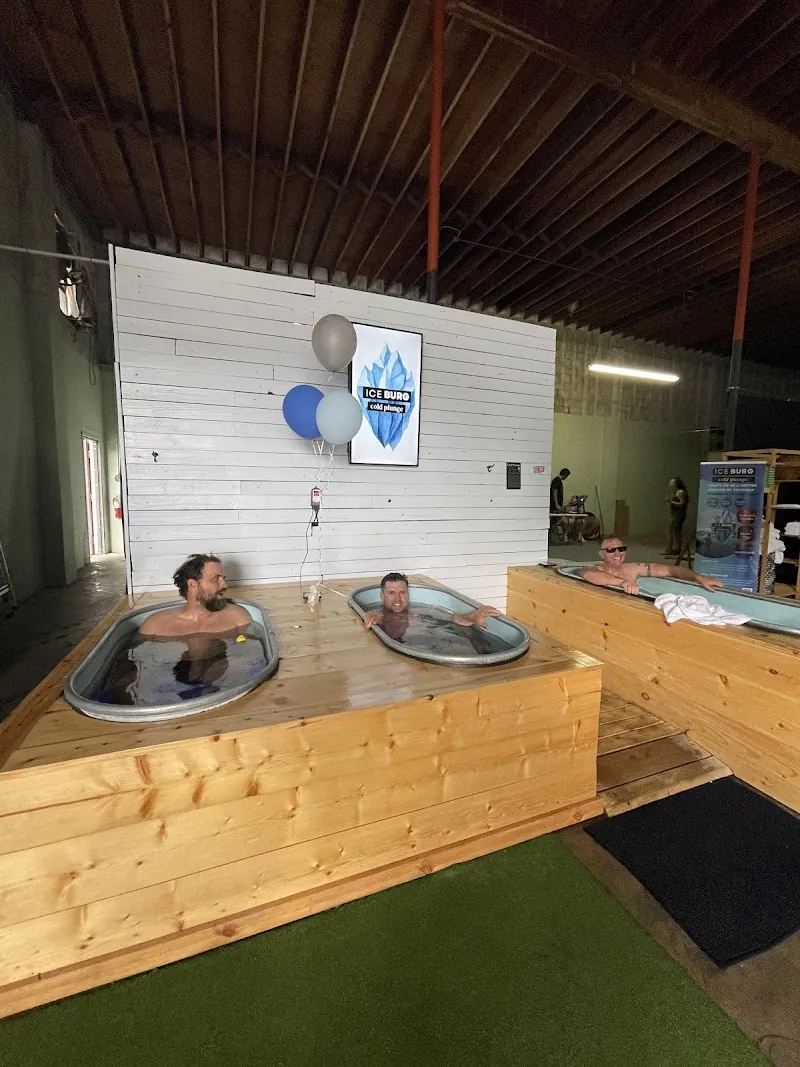
Most cold immersion centers serve all of these groups in the same space, which creates an interesting mix of people. You might share a plunge pool with a competitive triathlete and a 52-year-old accountant who found out about this from a podcast. That's genuinely how it goes at most of these facilities.
Cold water immersion is generally safe for healthy adults, but you should consult a physician before starting if you have cardiovascular disease, Raynaud's syndrome, uncontrolled high blood pressure, or a history of cold urticaria (cold-triggered allergic reactions). Pregnant women should also check with their provider. Good cold plunge facilities will ask about these conditions during intake, but do not assume that takes the place of medical advice.
What to Expect at a Professional Cold Plunge Facility
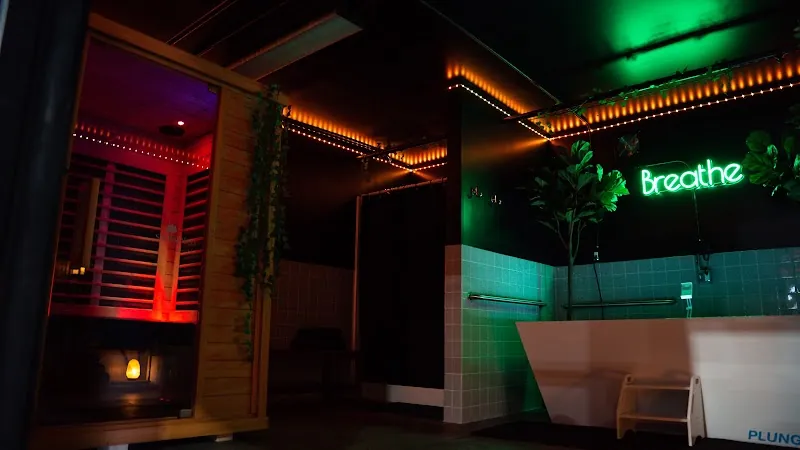
Walking into one of these places for the first time feels a little like a high-end gym combined with a spa, but quieter and with a faint smell of clean water and eucalyptus if there's a sauna nearby. Check-in is usually quick. Most facilities do a brief intake form asking about health history, and many will pair first-time visitors with a staff member who explains what to expect.
Sessions at a standalone cold plunge facility typically run anywhere from 2 to 10 minutes depending on your experience level and the temperature setting. Staff will usually recommend starting on the shorter end. Some places use a timer and coaching audio; others have staff right there in the room. You'll wear a swimsuit. You'll be given a towel. Some fancier spots have heated changing rooms and post-session warming areas that feel genuinely luxurious after you've just been sitting in 45°F water.
Contrast therapy sessions are structured differently. You alternate between hot and cold, typically spending 10–15 minutes in a sauna followed by 2–3 minutes in the cold plunge, cycling through that pattern two or three times. Many people find this format easier to commit to than cold alone because the heat phase gives you something to look forward to. Recovery wellness centers that offer both options almost always say contrast therapy is their most popular booking.
Safety protocols at reputable facilities include continuous staff monitoring, clear maximum time guidelines posted at each station, and always having warm robes or blankets available post-session. Responsible cold therapy studios do not leave first-timers alone in a plunge tank. If a place does, find a different one.
Cold Plunge Facilities by the Numbers, Industry Data and Growth
Those 1,934 listed cold plunge and ice bath facilities represent something real: a market that's moved from fringe to mainstream faster than almost any other wellness category. And the geographic spread is telling. New York leads with 30 listings, which makes sense given population density. But Anchorage, Alaska at 25 listings? That's impressive for a city of roughly 290,000 people. Omaha has 20 listings, Las Vegas 19, Albuquerque 19. These are not coastal wellness hotspots. These are middle-American cities where regular people are deciding that cold therapy is worth their money.
The average customer rating across all listed facilities is 4.9 stars. That is extraordinarily high for any service-based industry. People who try cold plunge therapy and go to a professional facility for it are almost universally satisfied, which suggests the experience delivers on its promise in a way that sticks. High ratings don't always mean a business is good; sometimes they just mean nobody's bothered to leave a bad review. But when you combine a 4.9 average with review counts in the hundreds or thousands, that's a different signal entirely.
| Business Name | Location | Rating | Reviews |
|---|---|---|---|
| Rock and Armor | Meridian, ID | 5.0 ★ | 1,448 |
| Pain Center of Rhode Island | Cranston, RI | 5.0 ★ | 1,207 |
| Fire & Ice Wellness | Bristol, England | 5.0 ★ | 1,199 |
| Next Health | New York, NY | 5.0 ★ | 1,142 |
| Remède IV Therapy + Aesthetics | Jackson Hole, WY | 5.0 ★ | 948 |
Rock and Armor in Meridian, Idaho, with 1,448 reviews at a perfect 5.0, is a genuinely remarkable outlier. Meridian is a suburb of Boise with a population of around 130,000. For a cold plunge facility in that market to accumulate nearly 1,500 perfect reviews, they must be doing something very right, consistently, over a long period of time. You have to check that place out if you're anywhere near the Treasure Valley.
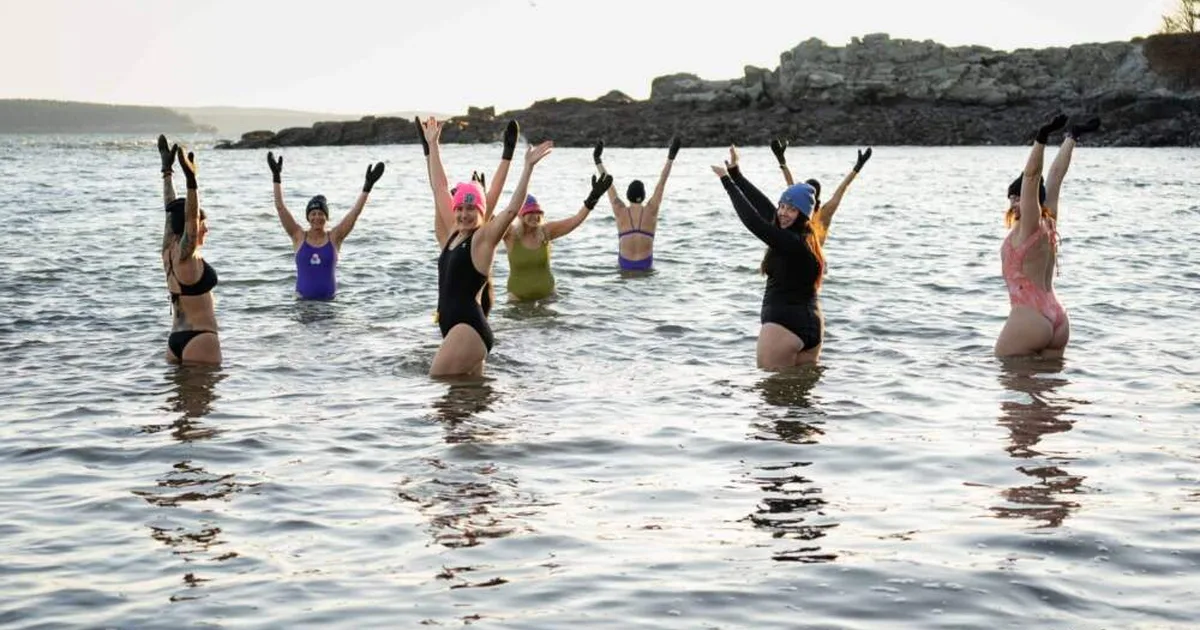
Fire and Ice Wellness in Bristol, England, also makes the list, which points to the fact that this directory captures an international footprint even though it's primarily U.S.-focused. Cold water swimming and contrast therapy have a long tradition in Northern Europe, so a Bristol operation with nearly 1,200 five-star reviews fits right in with that cultural history. Good cold therapy crosses borders, apparently.
What drives ratings this high across such a wide range of facilities? Part of it is staff quality. Cold plunge sessions are inherently personal and a little vulnerable; you're in a swimsuit, slightly scared, and trusting the people around you to keep you safe. When staff are knowledgeable, calm, and genuinely encouraging, that creates an experience people want to tell others about. Part of it is the outcome: when something actually makes you feel noticeably better, you leave a five-star review. And part of it is that the barrier to entry at a good cold immersion center feels worth it when the results show up in your sleep, your mood, and your recovery times within the first few weeks.
In practice, the industry is not slowing down. As more research surfaces and more mainstream media coverage puts cold therapy in front of people who've never heard of it, those 1,934 listings will grow. If you haven't tried a session at a local recovery wellness center, there's genuinely no better time to find one near you and book your first appointment.
Is cold plunge therapy safe for beginners?
Yes, for most healthy adults. Reputable cold plunge facilities offer guided first sessions, recommended time limits, and staff supervision. Start at higher temperatures (55–59°F) and shorter durations (2–3 minutes). Always disclose any cardiovascular or cold-sensitivity conditions before your session.
How often should you do cold plunges to see benefits?
Most research and practitioner guidance points to 3–5 sessions per week for consistent benefits, though even 2 sessions per week produces noticeable results for most people. Benefits like improved mood and reduced soreness show up quickly; immune and metabolic changes take several weeks of regular exposure to build.
What's the difference between a cold plunge and cryotherapy?
Cold plunge therapy uses water immersion, which conducts heat away from the body much more efficiently than air. Cryotherapy uses very cold air (often below -100°F) in an enclosed chamber for short sessions of 2–3 minutes. Both produce similar physiological responses, but water immersion tends to be more accessible and less expensive per session at most facilities.
What should I wear to a cold plunge session?
A standard swimsuit works for most cold plunge facilities. Some cryotherapy studios provide specific garments for whole-body cryo chambers. Bring or rent a towel, and wear flip-flops if you have them. Most recovery wellness centers provide robes or warm wraps post-session.
How do I find a cold plunge facility near me?
Our directory lists 1,934 cold plunge and ice bath facilities across the United States, searchable by city. Top cities include New York (30