Winter Cold Plunge in Cold Weather: Seasonal Tips to Stay Safe and Get More From Every Session

Across the Cold Plunge Pal directory, there are 1,934 listed businesses with an average rating of 4.9 stars, and what's genuinely striking about that number is how many of those top-rated spots are located in cold climates. Anchorage, Alaska has 25 listings. Jackson Hole, Wyoming is home to Remède IV Therapy + Aesthetics, sitting at a perfect 5.0 stars with 948 reviews. People in genuinely frigid places are not avoiding cold plunge therapy in winter. They're showing up for it.
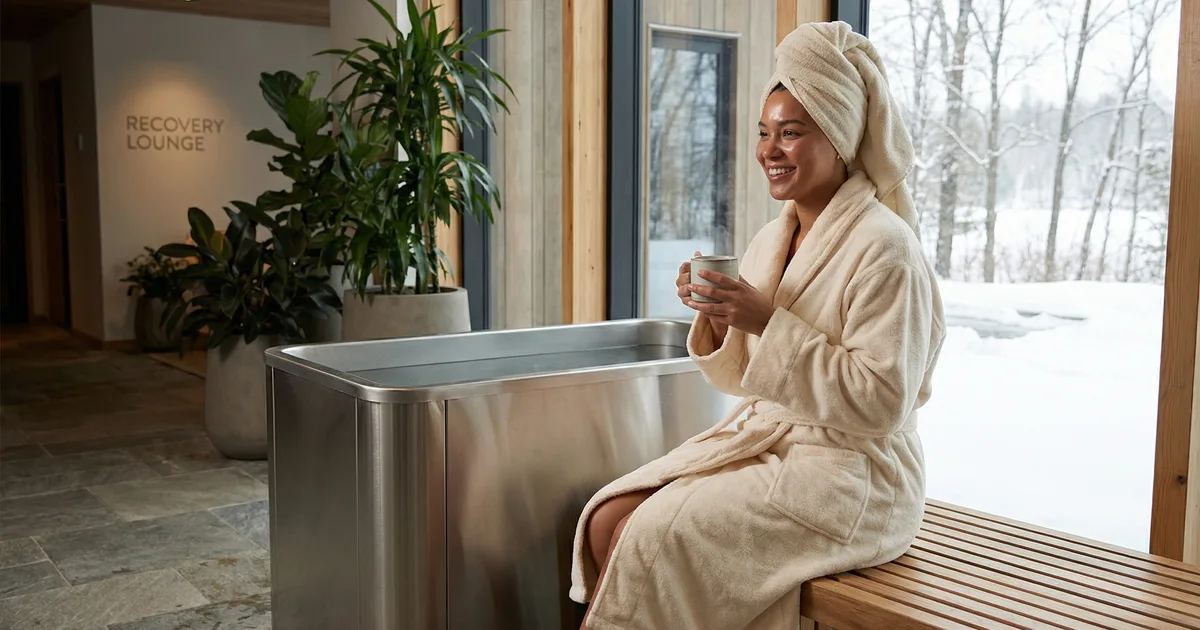
That counterintuitive reality is what this guide is built around. Most people assume that cold water therapy is a summer thing, something you do after a hot run or a sweaty gym session in July. But winter might actually be the more interesting season for it, both in terms of what your body does during immersion and in terms of what regular sessions can do for your mood, energy, and recovery during the months when you need it most. This guide covers how winter specifically changes your plunge experience, how to prepare smarter, how to schedule sessions for safety and effect, and how to recover well when the temperature outside is already working against you.
How Winter Actually Changes What Happens in the Plunge
Your body does not walk into a cold plunge facility the same way in February as it does in August. That sounds obvious, but most guides skip over the specifics. Here's what actually shifts.
Ambient air temperature matters more than most people realize. Even if a cold water therapy center keeps its plunge pool at a fixed 50°F year-round, your body is starting the session from a colder baseline when it's 20°F outside. Core temperature drops faster. Vasoconstriction, the narrowing of blood vessels that your body triggers to protect your organs from cold, happens more aggressively and more quickly in winter sessions. That's not necessarily dangerous, but it does mean the session feels harder even at the same water temperature you'd use in July. If you've done a summer session and thought "I've got this," and then walked into the same cold immersion center in December and felt completely wrecked after two minutes, that's why.
Shorter daylight hours play into this too. Reduced sun exposure in winter lowers your vitamin D levels over time, which affects muscle recovery and mood. Your nervous system is also generally running a bit more taxed during winter, partly from the cold itself and partly from the seasonal stress that a lot of people carry without naming it. A contrast therapy studio session can genuinely help with that, but the cumulative effect means your post-plunge recovery takes longer than it does in summer. Plan for it.
And here's a small thing nobody mentions: winter clothing. You're arriving at a plunge pool spa wearing five layers, your hands are cold before you even undress, and you might be slightly dehydrated because people drink less water in winter without thinking about it. All of that shapes the session before you've even touched the water.
In winter, expect faster core temperature drops, more intense vasoconstriction, longer recovery windows, and greater benefit from a warm-up routine before your session. Professional cold plunge facilities control water temperature year-round, which makes them especially valuable in winter when outdoor DIY options become unpredictable and genuinely risky.
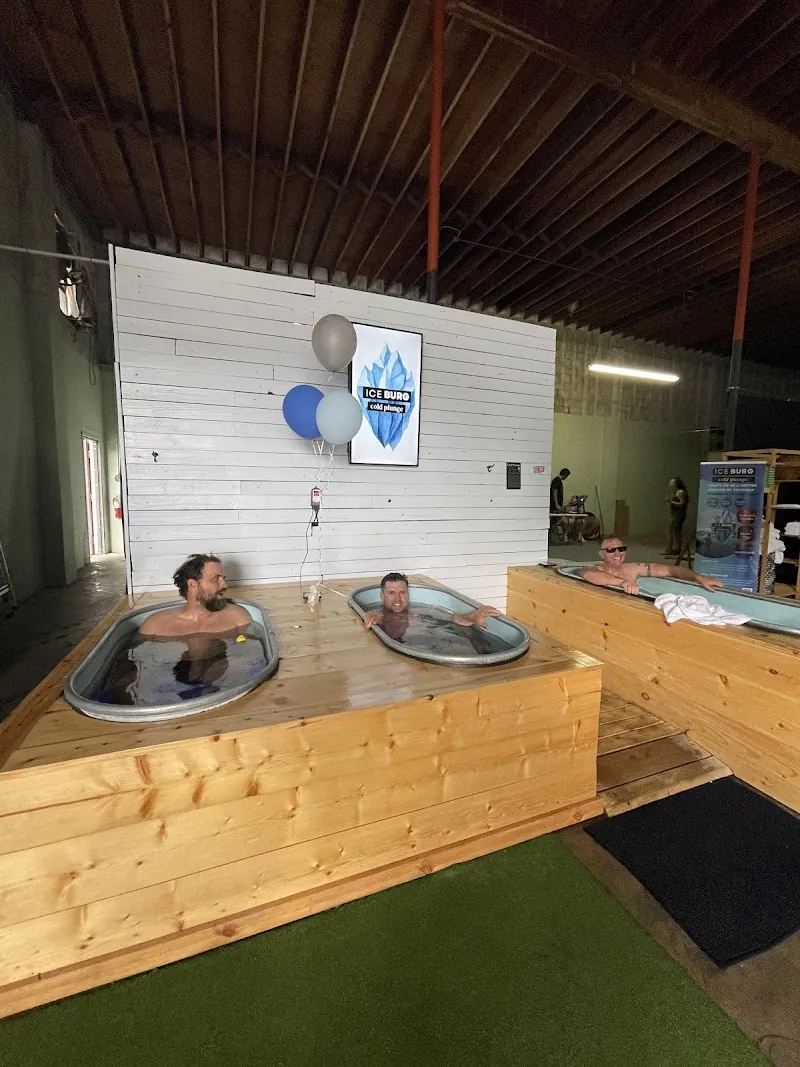
This is exactly why visiting a professional cryotherapy studio or recovery wellness center beats trying to improvise cold exposure outdoors in winter. Places like Rock and Armor in Meridian, Idaho, which holds a 5.0-star rating across 1,448 reviews, or Next Health in New York with 1,142 reviews at 5.0 stars, maintain controlled conditions regardless of what's happening outside. That consistency is not a small thing in winter.
Winter Pre-Plunge Preparation: What to Do Before You Get In
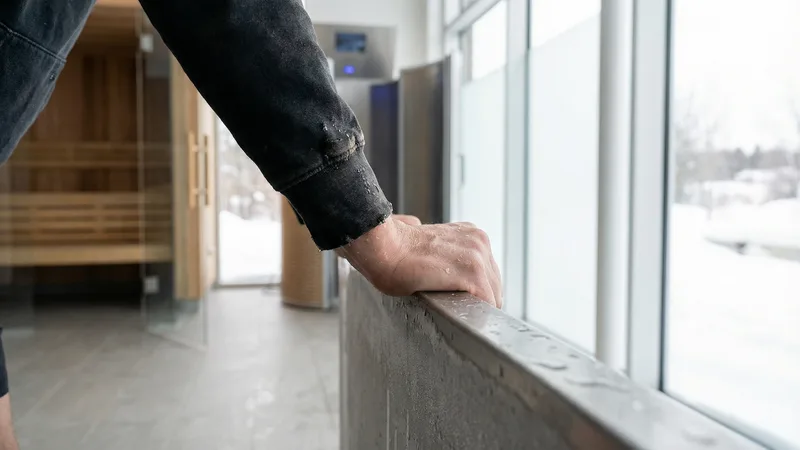
Skipping warm-up before a winter cold plunge is the most common mistake people make. Not the only one, but the most common. Starting a session with a cold baseline body temperature, after walking in from freezing air, without any movement prep, dramatically increases the shock your cardiovascular system experiences when you hit the water. A 5 to 10 minute dynamic warm-up, light cardio, leg swings, arm circles, a couple of minutes of jumping jacks, does a real job of raising your core temperature before you cool it back down intentionally.
Hydration timing matters and most people get this wrong in winter. Drink 16 to 20 ounces of warm water or herbal tea about 30 to 45 minutes before your session. Not ice water, not a protein shake, not coffee. Warm fluids. Cold, ironically, you're going to get plenty of in a few minutes, and your body will vasodilate better going into immersion if it's been warmed from the inside. Also avoid heavy meals within 90 minutes of your session. Vasoconstriction redirects blood from your digestive system and that can cause real discomfort if your stomach is still working hard on a full lunch.
Pack smart for a winter session. This sounds like common sense but I've talked to people who show up at a cold therapy studio in January in a light hoodie and flip flops, planning to just change back into what they wore in. That's a rough exit from a plunge on a cold day.
✓ Warm dry clothing layers for after the session (not what you wore in)
✓ Insulated footwear, preferably slip-on so you're not standing barefoot on cold floors
✓ A warm hat, because heat loss from your head post-plunge is real
✓ A thermos with hot tea, broth, or warm water to drink immediately after
✓ Moisture-wicking base layer for during the session itself
✓ Let facility staff know if this is your first winter session
That last item on the checklist, telling staff it's your first winter session, matters more than people think. Good cold plunge facilities will adjust their recommendations for you. Staff at highly-rated places tend to be genuinely attentive, and a quick heads-up gives them a chance to check in during your session rather than assuming you're a regular who knows exactly what they're doing.
One more nutrition note: if you tend to stock up on winter pantry staples or herbal teas in bulk, Salvage Grocery Stores is worth checking out as a directory of discount grocery options that often carry quality teas, electrolyte drinks, and recovery-friendly pantry items at reduced prices. Staying stocked on the right pre- and post-session drinks is easier when you're not paying full retail for everything.
Timing Your Sessions: When to Go and How Often
Midday wins in winter. Full stop.
Between roughly 11 a.m. and 2 p.m., your body's core temperature naturally peaks, which gives you the best starting point for a cold immersion session. Your muscles are warmer, your nervous system is more awake, and the contrast between your body temperature and the water feels more manageable. Morning sessions are not off the table, but they require a longer warm-up, maybe 10 to 15 minutes instead of 5, and you should expect the session to feel harder even if everything else is identical.
For beginners doing their first winter sessions at an ice bath facility, two to three times per week through December, January, and February is the right range. That spacing, with at least 48 hours between sessions, gives your nervous system time to fully recover. Cold immersion is a real stressor on the body. A good stressor, but a real one. Doing it four days in a row in January without adequate sleep and nutrition is not building resilience; it's just accumulating fatigue.
Experienced users who've been doing regular sessions through the summer can maintain four to five sessions per week in winter, but only with strong sleep and nutrition support. This is not the season to also be under-eating, undersleeping, and grinding through a heavy training block at the same time. One of those levers has to give, and cold plunge should be the last thing you cut if you're feeling run down, not something you add more of hoping it'll fix the problem.
Session length is the other variable. A reasonable rule is to reduce your individual immersion time by 20 to 30 percent during winter compared to your summer baseline. If you typically do eight minutes in summer, aim for five to six minutes in winter at the same water temperature. The increased physiological stress of the season means you're getting a comparable stimulus in less time. More is not better here.
Best time of day: 11 a.m. to 2 p.m.
Beginner frequency: 2–3x per week, 48 hours between sessions
Experienced frequency: 4–5x per week with full recovery support
Session length: Reduce by 20–30% from your summer baseline
Post-Plunge Recovery in Winter: This Is Where Most People Get It Wrong
Getting out of the plunge is not the end of the session. In winter, it's actually the part that needs the most attention.
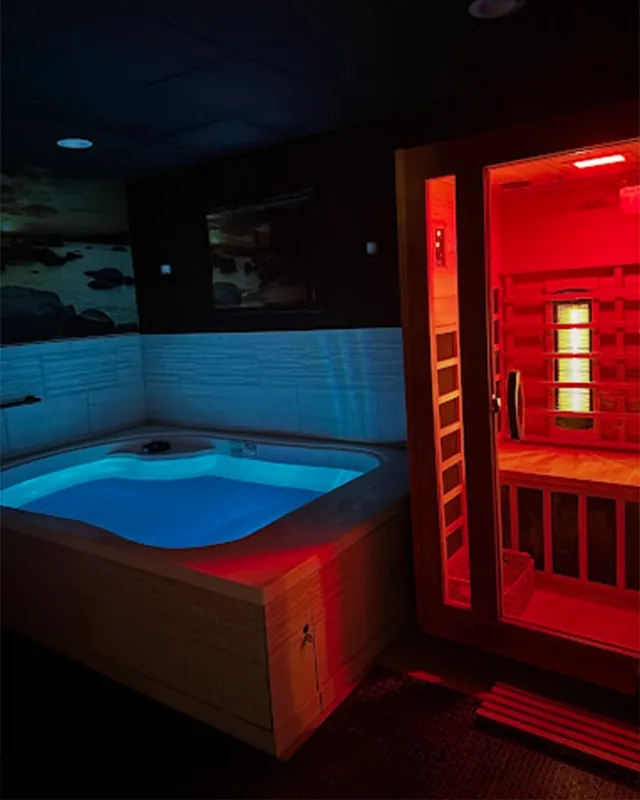
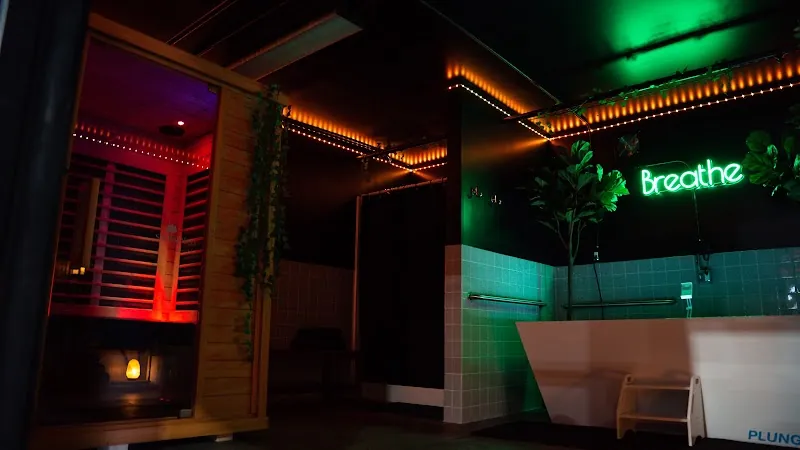
Your body will start rewarming the moment you exit the water, and how you support that process in the first 10 to 20 minutes shapes a lot of how you feel for the next several hours. Do not go straight outside into cold air. Do not stand around in a wet suit chatting by the door. Get dry, get your warm layers on, put on the hat, and drink something warm. Contrast therapy studios that include sauna access are genuinely excellent for this; a short five to ten minute sauna session after the plunge can accelerate rewarming safely and feels remarkable in winter.
Pain Center of Rhode Island in Cranston, which holds a 5.0-star rating across 1,207 reviews, is a good example of the kind of recovery-focused wellness center that structures the full experience around proper pre- and post-session protocols, not just the plunge itself. Fire & Ice Wellness in Bristol, England, with 1,199 reviews at 5.0 stars, built their entire model around exactly this kind of full-cycle approach combining cold water and heat.
Shivering after the plunge is normal and actually beneficial; it's your body generating heat through muscle contraction. But you want to support that process, not fight against it by standing in a cold lobby in a thin towel. Give yourself at least 20 to 30 minutes of warm recovery time before getting back in a car or heading back outside in winter conditions. Budget for it when you schedule your session.
Food after a session is worth thinking about too. A small warm meal or snack with protein and some carbohydrates within about 45 minutes of finishing helps your body complete the recovery cycle. This does not need to be elaborate. Warm soup, eggs, rice, something simple. Just do not fast for three hours post-plunge in winter thinking you're adding to the benefit.
Frequently Asked Questions
Is it safe to do cold plunge therapy in winter if I'm new to it?
Yes, with the right preparation. Beginners should start with shorter sessions (two to three minutes) at a professional cold plunge facility where staff can monitor them. The key winter-specific addition is a proper warm-up beforehand and a planned recovery period after. Do not start cold plunge in winter on your own outdoors; visit a controlled cold water therapy center first.
How cold should the water be for a winter session?
Most cold immersion centers keep water between 45°F and 55°F. For winter sessions, beginners can start at the higher end of that range (50–55°F) and work down over several weeks. Because your body starts colder in winter, the same water temperature will feel more intense than it did in summer, so there's no need to go colder just because it's winter.
Can I do cold plunge therapy if I have a cold or flu?
No. Do not visit a cold plunge facility if you're sick. Cold immersion is a stressor on the immune system, and using it while your body is already fighting an infection is counterproductive and potentially harmful. Wait until you're fully recovered, at least 48 hours symptom-free, before returning.
What's the difference between a cryotherapy spa and a cold plunge facility?
Cryotherapy typically uses cold air in a chamber rather than water immersion, and sessions are shorter (two to three minutes at extreme cold). A cold plunge facility or ice bath facility uses water, which conducts heat away from the body much more efficiently than cold air. Both have uses, but water immersion has more research behind it for muscle recovery and nervous system benefits.
Why do top-rated cold plunge facilities cluster in cold cities?
It's a fair question. Looking at the Cold Plunge Pal directory, cities like Anchorage (25 listings) and the presence of highly-rated spots in places like Jackson Hole suggest that people in colder climates build a stronger relationship with cold as a tool rather than just an inconvenience. There's also a cultural thread around resilience training and outdoor recovery culture in mountain and northern cities that drives demand for professional cold immersion centers year-round.
Should I eat before a winter cold plunge session?
A light snack is fine if it's been more than two hours since your last meal, but avoid heavy or large meals within 90 minutes of your session. Vasoconstriction during immersion pulls blood away from digestion, which can cause nausea or cramping if your stomach is full. Stick to warm fluids in the 30 to 45 minutes before you go in.
Explore Related Directories
Find a Cold Plunge Facility Near You
Browse our directory of 1,934+ cold plunge businesses, ice bath facilities, contrast therapy studios, and recovery wellness centers across the country. Average rating: 4.9 stars.
Search the Directory