Why Your First Breath in Cold Water Changes Everything
Ever wonder why your body panics the moment cold water hits your skin? That involuntary gasp is not a sign of weakness. It's a hardwired survival reflex, and knowing how to work with it (rather than fight it blindly) is one of the most useful skills you can develop before your next cold plunge session.
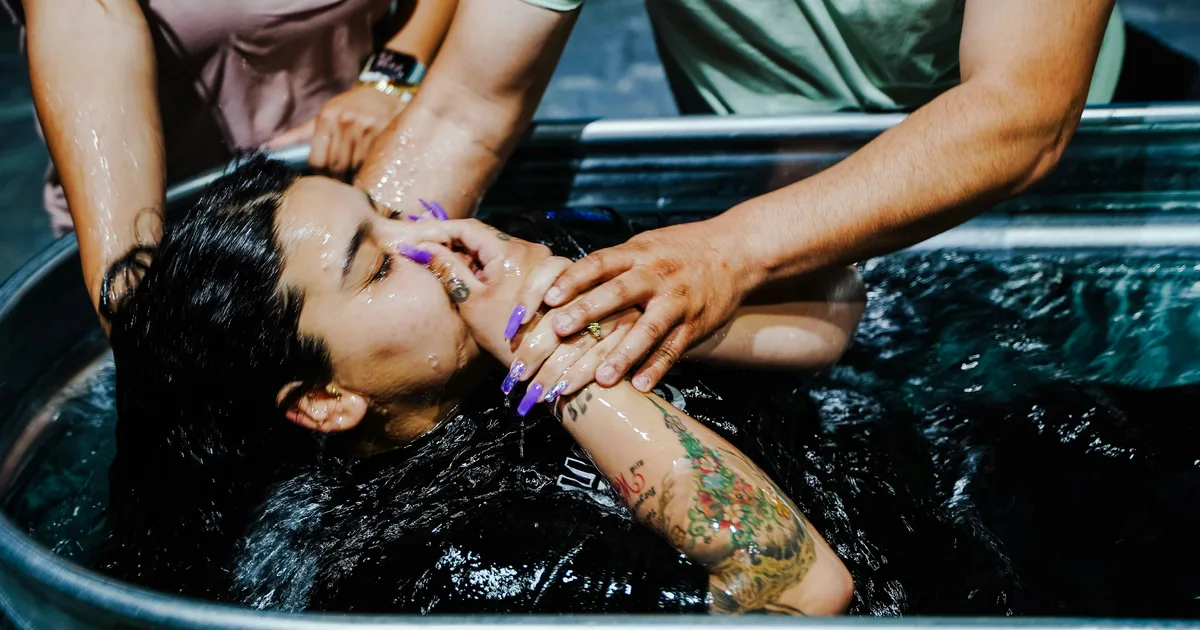
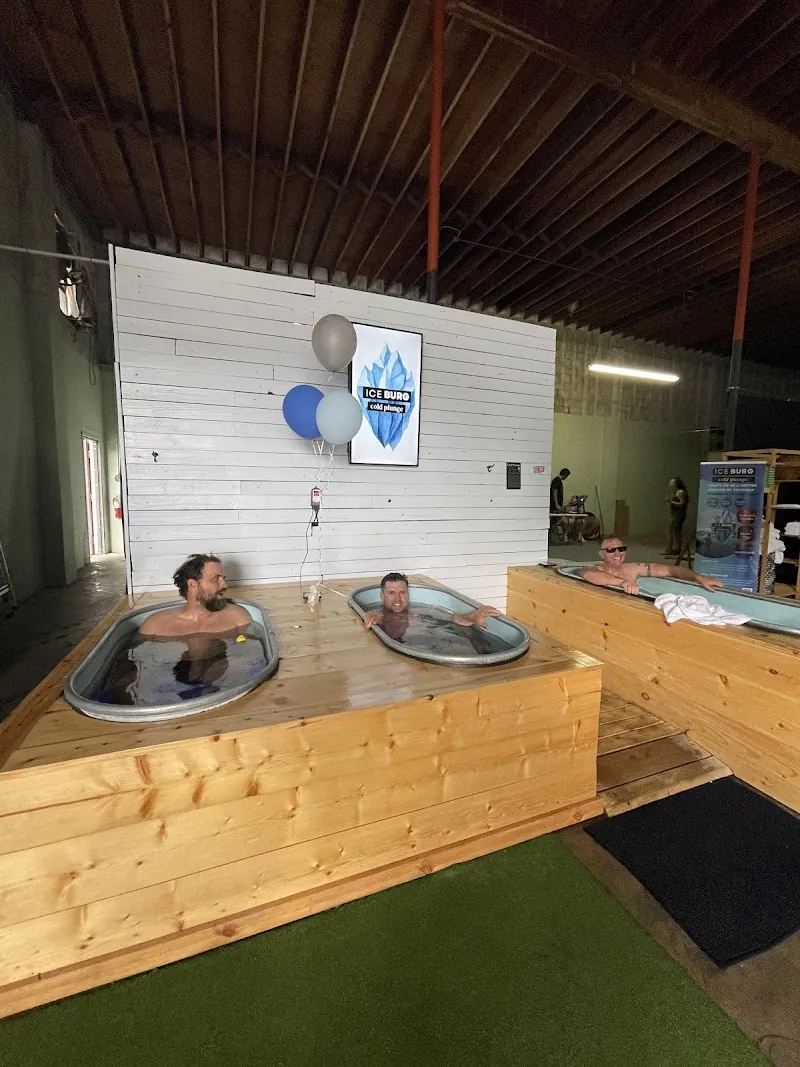
Cold Plunge Pal connects you with 1934+ verified cold plunge facilities, each averaging a 4.9-star rating from real visitors. These are serious, well-run places. But even the best facility in your city cannot override your nervous system for you. That part is on you, and your breath is where it all starts.
1. Understand What's Actually Happening to Your Body
Cold shock response kicks in within the first three to five seconds of immersion. Your skin temperature drops fast, and your body interprets that as a threat. It sends a signal to gasp, hyperventilate, and flood your system with adrenaline. Heart rate spikes. Breathing goes shallow and rapid. Your brain is screaming to get out.
Here's the odd part: none of that is dangerous in a controlled setting. It feels dramatic, but it's a reflex, not a verdict. Most people who bail on their first cold plunge do so in that initial window, not because they couldn't handle the cold, but because they weren't ready for the breathing chaos that came with it.
Once you know the reflex is coming, you can prepare for it. That changes the whole experience. You stop being a passenger and start being someone who can actually stay in long enough to feel the benefits.
2. Use Nasal Breathing to Override the Gasp Reflex
Mouth breathing accelerates panic. Nasal breathing slows it down. This is not a theory. It's basic physiology: breathing through your nose activates the parasympathetic nervous system, which is the part of you responsible for calm, rest, and recovery.
Before you step into the plunge tank, take two or three slow nasal breaths. Seriously, just two or three. Do it on the steps if you need to. You're not stalling; you're priming your system for what's coming.
Once you're in, keep your mouth closed if you can. When the cold shock response fires and your body tries to gasp, the nasal breathing pattern gives you something to hold onto. It's a physical anchor. Most good cold plunge facilities will have staff who can coach you through this if you ask, and at a 4.9-star average across these places, most of them take that kind of guidance seriously.
Box breathing works especially well here. Four counts in through the nose, hold for four, out for four, hold for four. Repeat. It sounds almost too simple, but that four-four-four-four rhythm gives your brain a task to focus on instead of the temperature.
3. Time Your Breathing Before You Get In
Do not wait until you're already cold to figure out your breathing pattern. Practice it beforehand.
Spend 60 to 90 seconds doing box breathing before you enter the tank. You can do it standing next to the plunge, sitting in the changing area, or even in your car on the way there. Some facilities have a brief waiting or prep area where you can get settled. Use it. That quiet minute of controlled breathing before immersion makes the first five seconds dramatically easier to manage.
A lot of first-timers skip this step entirely because they feel self-conscious. They walk in, see the tank, and just jump. Understandable. But the ones who take that pre-plunge breath work seriously are the ones who come back for a second session instead of swearing it off forever.
And honestly, if you see someone standing by the tank looking like they're meditating, they probably know exactly what they're doing.
4. Keep the Pattern Going Through Your Full Session
Breath control doesn't stop once you've survived the first shock. Maintaining slow, rhythmic nasal breathing throughout your session, even for just two to three minutes, keeps your nervous system in a manageable state and actually extends how long you can comfortably stay in.
Some people find it helpful to count their breaths. Others prefer to focus on a single point on the wall. Box breathing on a loop gives you both structure and rhythm. Try all three on different visits and see what sticks. Each cold plunge facility has a slightly different setup, different water temperature, different ambient noise, so your best approach may shift depending on where you go.
Cold plunge sessions are short. Two to five minutes is typical. That's 30 to 40 breath cycles at a calm pace. Forty calm, intentional breaths. That's the whole session. When you frame it that way, it stops feeling overwhelming and starts feeling manageable.
Ready to put this into practice? Browse cold plunge facilities on Cold Plunge Pal and find a verified, highly rated spot near you. Go in with your breathing plan, not just your towel.