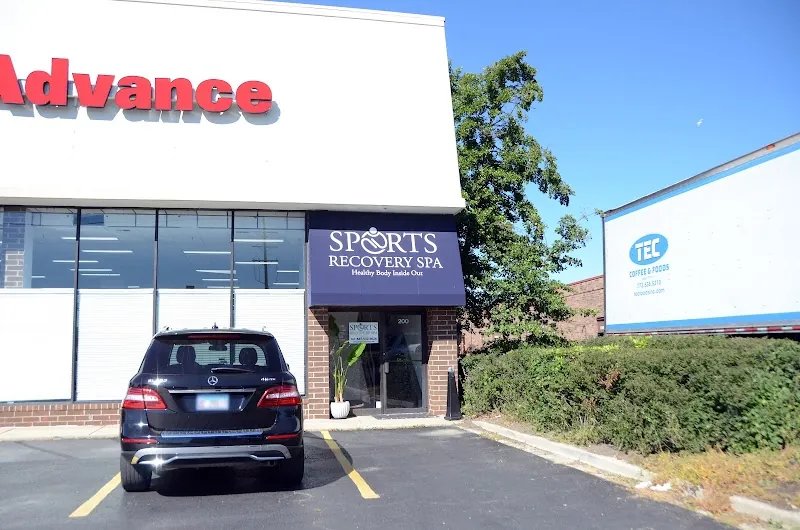
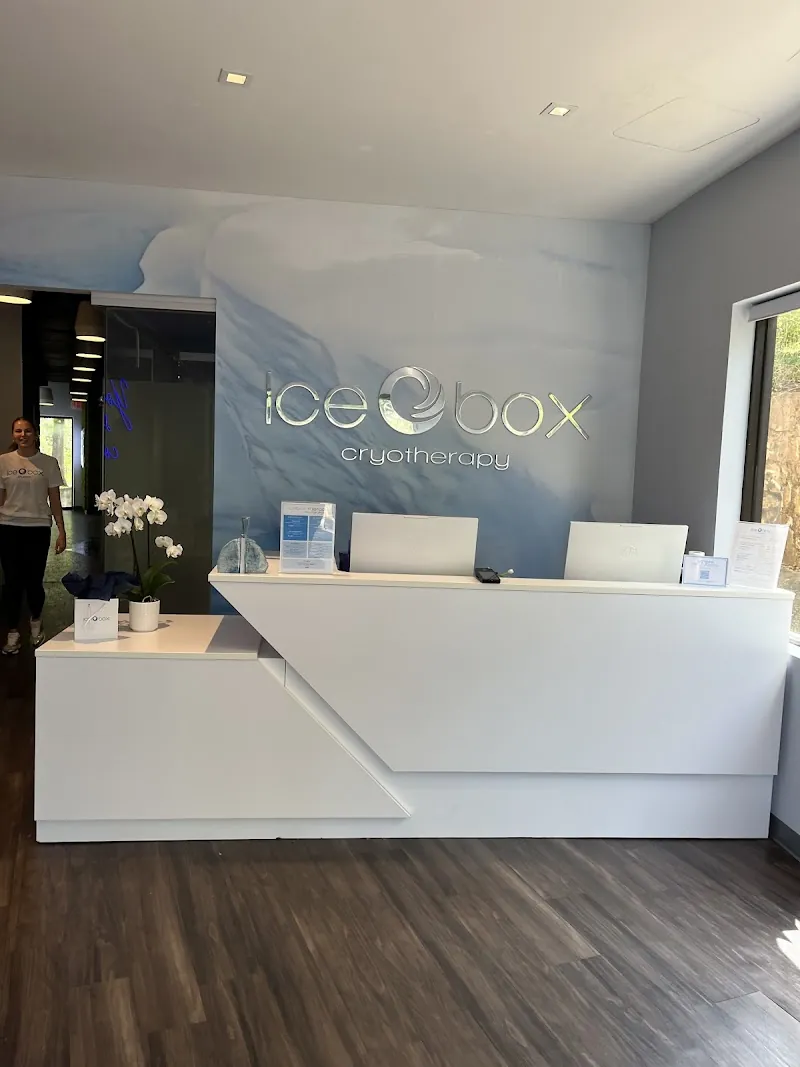
What to Look for in a Cryotherapy Spa Before You Book Your First Session
How do you know if a cold plunge facility is actually worth your money? That question sounds simple, but the answer gets complicated fast once you start looking at how many options exist right now. Cold water therapy has exploded over the past few years, pulling in everyone from elite athletes to office workers trying to manage stress and inflammation. Across the Cold Plunge Pal directory alone, there are 1,934 listed businesses, with an average rating of 4.9 stars, which honestly tells you that people are finding places they love. But loving a place and choosing the right place for your specific needs are two different things.
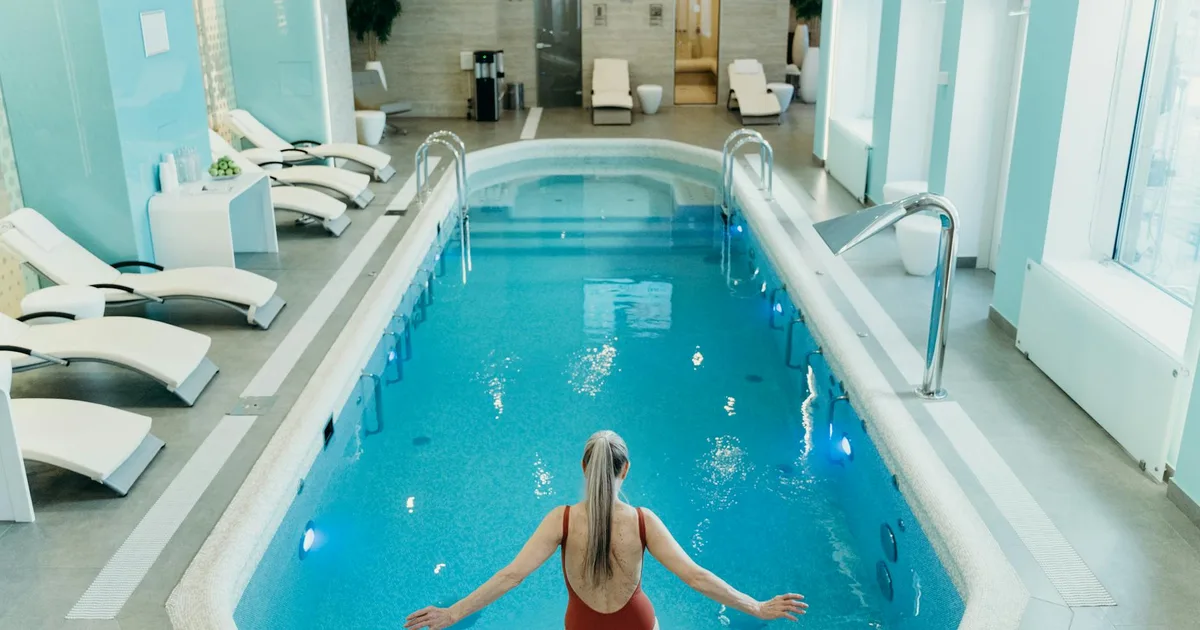
This guide is for anyone using Cold Plunge Pal to find a cryotherapy spa, ice bath facility, or contrast therapy studio and wanting to make a smarter choice before they walk through the door. Not just "find somewhere with good reviews," but actually evaluate a facility on the things that matter: safety, equipment quality, staff knowledge, and whether the place is set up for your particular goals. Because a recovery wellness center focused on post-surgery rehab is going to look very different from a plunge pool spa that caters to CrossFit athletes, and knowing that difference saves you from wasting sessions at the wrong spot.
Understanding the Types of Cold Therapy Facilities
Not all cryotherapy spas are built the same, and this is actually one of the most overlooked parts of the whole decision. People hear "cold therapy" and assume every facility is interchangeable, the way you might assume every coffee shop pulls a decent espresso. They are not. Walking into one for the first time without knowing the difference between what's on offer can mean spending money on something that doesn't match what you actually need.
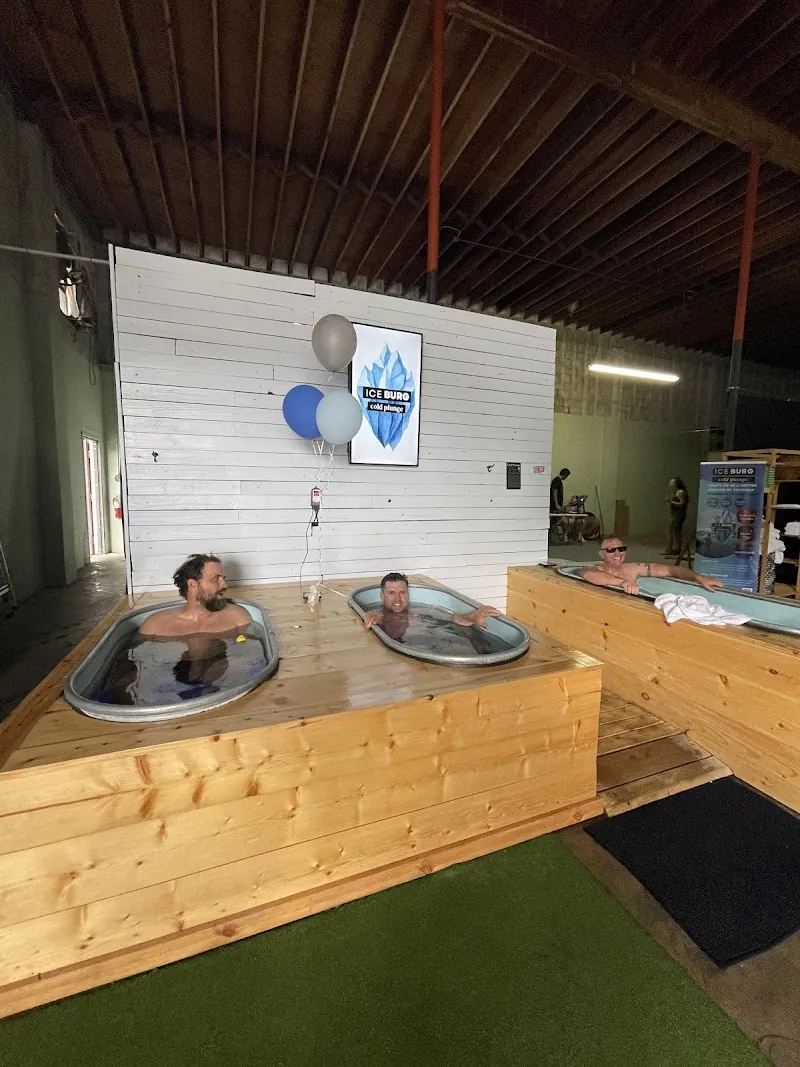
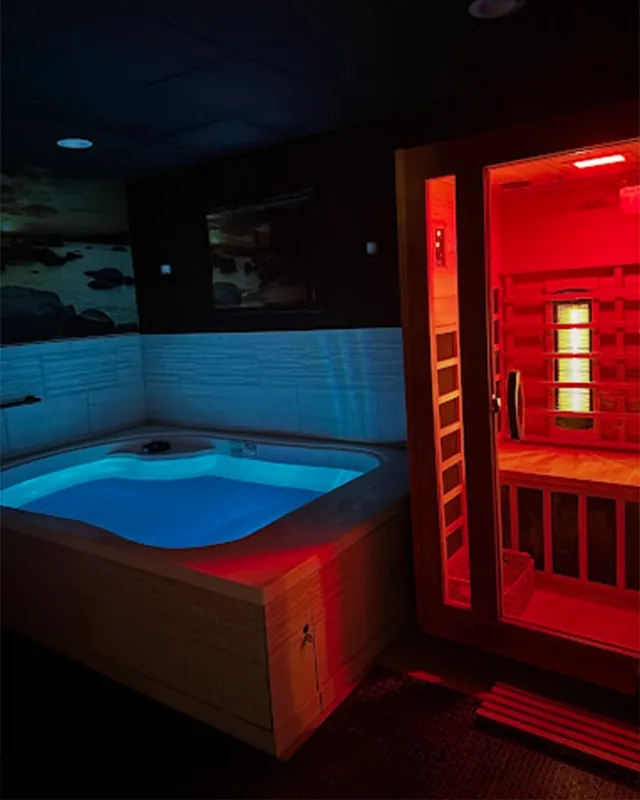
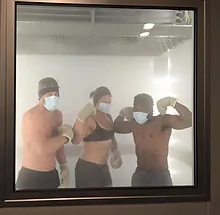
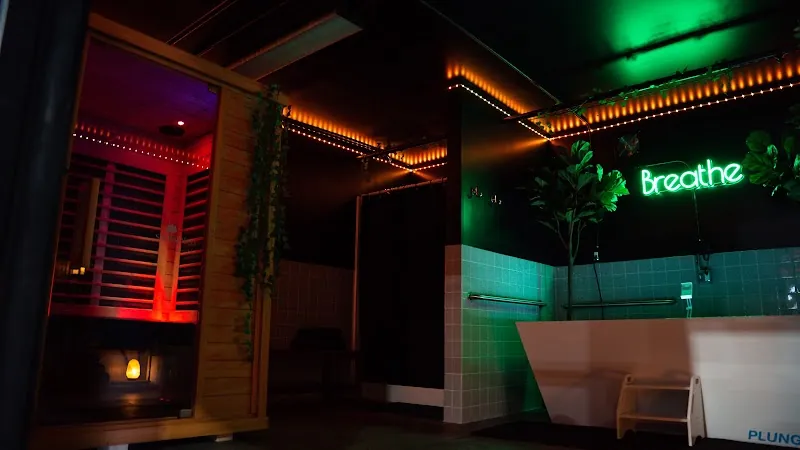
There are four main categories worth knowing. Whole-body cryotherapy studios use freezing cold air chambers, usually liquid nitrogen cooled, where you stand for two to four minutes in sub-zero air temperatures. Cold immersion centers, sometimes called cold water therapy centers, focus on actual water immersion through ice baths or plunge pools. These two feel very different physiologically, and the research behind them diverges a bit too. Then there are contrast therapy studios, which alternate between heat (saunas, hot tubs) and cold in a structured sequence designed to accelerate circulation and recovery. Finally, recovery wellness centers bundle multiple modalities together, often adding compression therapy, red light, IV drips, and other tools alongside the cold work.
Knowing which category you're walking into matters because your goal should drive your choice. Someone recovering from a knee surgery is probably better suited to a supervised cold immersion center with staff who understand therapeutic protocols than a trendy contrast therapy studio that mainly serves gym-goers looking for a post-workout buzz. Someone chasing mental health and mood benefits might get more from a daily plunge pool spa with flexible membership pricing than from a single cryo chamber session. Match the facility type to the actual reason you're going.
Before booking, call or message and ask: "What's the difference between your services, and which would you recommend for someone trying to [your goal]?" A good cold therapy studio will answer this clearly and specifically. If the response is vague or just promotional, that tells you something important about staff knowledge before you ever set foot inside.
Red flag worth noting: a cryotherapy spa or cold immersion center that cannot explain the science behind what they offer, even in basic terms, is one to approach cautiously. You don't need a staff member to lecture you with citations. But if no one can articulate why alternating hot and cold affects the vascular system, or what temperature range their plunge pools run at, that's a gap in training that might show up in other places too.
Safety Standards and Staff Qualifications
Safety is not a nice-to-have at an ice bath facility. It is the whole ballgame. Cold water immersion carries real physiological risks, including cold shock response, hyperventilation, sudden drops in blood pressure, and in rare cases, cardiac events in people with underlying conditions. This is not meant to scare anyone off, millions of people do cold plunges every week without incident, but it does mean that the difference between a well-run cold water therapy center and a poorly run one can have genuine consequences.
Start by asking about staff credentials. Reputable cold plunge facilities should be able to tell you what certifications their team holds. CPR and AED certification is a baseline and should be non-negotiable. Some facilities go further, with staff trained in sports medicine, formal cryotherapy instruction, or first responder credentials. Rock and Armor in Meridian, ID, one of the top-rated businesses in the directory with a perfect 5.0 across 1,448 reviews, is a good example of what community trust looks like when a facility takes its standards seriously. That kind of review volume at that rating doesn't happen by accident.
Supervision policies matter just as much as credentials. Ask directly whether a staff member is present during sessions. Some budget cold immersion centers run essentially on autopilot, with a receptionist at the front and nobody actively watching the plunge area. That setup might be fine for a seasoned regular who knows their body and their limits. For first-timers, people with health conditions, or anyone trying a new protocol, unattended sessions are a genuine safety gap.
And honestly, if a facility hesitates or gets defensive when you ask about supervision, that's your answer.
Health screening is another concrete thing to look for. A professional cryotherapy studio or contrast therapy studio will require a health intake form before your first session. This is where they're supposed to flag contraindications: cardiovascular conditions, Raynaud's disease, pregnancy, recent surgeries, hypertension, cold urticaria. Some of these conditions don't disqualify someone from cold therapy entirely, but they change the protocol significantly. A facility that waves you through without any screening at all is cutting corners in a way that could hurt someone.
Ask the facility:
- What certifications does your staff hold? (Look for CPR/AED at minimum)
- Is a staff member present during sessions?
- Do you require a health intake form for new clients?
- What do you do if a client has a cold shock response or medical event?
- What conditions do you screen for before approving participation?
If a facility can't answer all five of these clearly and without irritation, keep looking.
Next Health in New York, NY, maintains a 5.0 rating across 1,142 reviews and is one of the more medically credentialed recovery wellness centers in the directory. Places like that set a useful benchmark for what "taking safety seriously" looks like in practice. They're not necessarily the right fit for everyone's budget, but they illustrate the standard.
Equipment Quality and Facility Hygiene
A plunge pool spa can have beautiful branding and a great Instagram presence and still be running equipment that hasn't been properly maintained in months. This section is about cutting through the aesthetics and looking at what actually keeps you safe and clean during a session.
Water sanitation is probably the most important equipment factor in any cold immersion center or plunge pool environment. Standing water at cold temperatures is not inherently self-cleaning, and shared plunge pools can harbor bacteria if filtration is inadequate. Quality cold water therapy centers use continuous filtration systems alongside UV sanitation, ozone treatment, or both. These aren't just premium features; they're the difference between water that's genuinely clean and water that looks clean but hasn't been properly treated. Ask how frequently water is tested and whether results are posted or available on request. Some facilities keep a log. A facility that can't tell you its sanitation schedule should make you pause.
Temperature control reliability is another thing worth probing. A credible cold therapy studio should be able to tell you exactly what temperature range their equipment runs at, whether that's a cryo chamber or a cold plunge pool. For context, most therapeutic cold plunge pools sit between 50°F and 59°F (10°C to 15°C), though some facilities offer colder options down toward 39°F for more advanced users. The point isn't what temperature they use, different goals call for different protocols, the point is that they should know the exact number, and that number should be consistent session to session. Temperature fluctuations aren't just inconvenient; they indicate equipment that isn't being properly calibrated or maintained.
Do a visual sweep when you walk in. Non-slip flooring around plunge pools. Clean changing areas without a mildew smell. Adequate lighting so you can see where you're stepping. Equipment that looks maintained rather than just functional. These details might seem minor, but a recovery wellness center that lets visible areas slide is almost certainly not being rigorous about the less visible stuff either. Pain Center of Rhode Island in Cranston, RI, 5.0 stars across 1,207 reviews, is a facility that clearly invests in operational quality, and you can often tell that kind of thing just from reading how reviewers describe the physical experience of being there.
One thing I'll add that people don't always think about: check the changing room lockers and shower areas specifically. These spaces often tell you more about a facility's real hygiene standards than the main plunge area, which tends to get more attention because it's the "product." Grout condition, drain cleanliness, whether there are dry towels and basic amenities, small things, but indicative.
- Ask about the water filtration and sanitation system (UV, ozone, or both)
- Ask how often water is tested and if logs are available
- Confirm the exact temperature range of plunge pools or cryo chambers
- Ask how often equipment is serviced and calibrated
- Do a visual check: flooring, lighting, changing areas, and drain condition
- Note whether the facility smells clean or damp and stale
Fire and Ice Wellness in Bristol, England, which carries a 5.0 rating across 1,199 reviews, is interesting because it's a smaller-format facility compared to some of the bigger wellness chains, and yet it consistently gets praised for both the quality of the water experience and the overall cleanliness. Smaller doesn't mean worse. Sometimes a well-run independent cold plunge facility puts more care into these details than a large corporate chain does.
Worth mentioning: Remède IV Therapy + Aesthetics in Jackson Hole, WY (5.0 stars, 948 reviews) bundles cold therapy alongside IV treatments and aesthetics, which is an increasingly common model for recovery wellness centers. If you're looking at a facility that combines modalities like this, apply the same equipment and hygiene questions to every service on the menu, not just the cold plunge portion.
A side note that's slightly off-topic but genuinely useful: if you're building a recovery routine around regular cold plunge sessions, the costs add up quickly in terms of both sessions and nutrition. Some members of cold therapy communities have found that shopping at salvage grocery stores for discounted recovery staples like protein, electrolyte drinks, and anti-inflammatory foods helps stretch a wellness budget that's already being stretched by membership fees. Not glamorous advice, but practical.
Pricing, Memberships, and What Good Value Actually Looks Like
Pricing at cryotherapy spas varies wildly, and the range does not always map to quality in the way you'd expect. Single sessions at cold immersion centers can run anywhere from $20 to $80 depending on the city and format. Monthly memberships at a contrast therapy studio might be $100 to $250 or more. New York, which has the most listings in the Cold Plunge Pal directory at 30 businesses, tends toward the higher end because of real estate costs. Anchorage comes in second with 25 listings, and Omaha, Las Vegas, and Albuquerque round out the top five cities at 20, 19, and 19 listings respectively.
More expensive does not mean better managed. Some of the most highly rated facilities in mid-sized cities charge less than their big-city counterparts because overhead is lower, not because quality is lower. Compare what you get per dollar: session length, supervision quality, equipment type, and included amenities like towels, showers, and parking.
Month-to-month memberships are almost always preferable to long-term contracts when you're starting out, especially at a new facility you haven't tested yet. Try at least two or three sessions before committing to anything. A facility confident in its product will usually accommodate this without a hard sell.
- Pressure to sign a long-term contract on your first visit
- No clear pricing listed online or at the desk
- Significant price difference between advertised rate and what you're told in person
- Facilities that won't let you do a trial session before committing
Frequently Asked Questions
What's the difference between whole-body cryotherapy and a cold plunge pool?
Whole-body cryotherapy uses a chamber of super-cooled air (usually via liquid nitrogen) that you stand in for a few minutes. Cold plunge pools use actual cold water. Water conducts cold much more efficiently than air, so a 50°F plunge pool feels far more intense than a cryotherapy chamber at similar temperatures. Both have research behind them, but they work differently and suit different goals.
How do I know if a facility is actually safe?
Ask directly about staff certifications, supervision policies during sessions, and their health intake and screening process. A reputable cold water therapy center or cryotherapy spa will answer all three without hesitation. If they can't, or if they treat the questions as suspicious, that tells you something about their culture around safety.
Is a higher star rating always a reliable indicator of quality?
Rating is useful but incomplete. A 4.9-star average across the Cold Plunge Pal directory is impressively high, but individual ratings reflect customer experience more than technical safety standards. Use ratings as a starting filter, then verify with direct questions about the things that matter most to you.
What should I bring to my first session at a cold plunge facility?
Most facilities provide towels and some provide robes, but check in advance. Bring a swimsuit, flip flops for the changing area (non-slip footwear matters), any completed intake forms if they were sent ahead, and a layer of warm clothing to put on right after your session. First sessions can leave you feeling cold for longer than expected, and having warm layers ready makes a real difference.
Are contrast therapy studios better than standalone cold plunge facilities?
Neither is universally better. Contrast therapy, alternating between hot and cold, is particularly effective for circulation and muscle recovery. Standalone cold immersion has strong evidence for reducing inflammation and improving mood. Which works better depends entirely on your goal and how your body responds. If you haven't tried both, a contrast therapy studio is a good place to start because you can compare how each modality feels for you.
Making Your Final Decision
Choosing a cryotherapy spa or cold plunge facility doesn't need to be complicated, but it does need to be intentional. Know your goal. Ask real questions about safety and equipment. Do a visual check when you arrive. Start with a trial session before committing money to a membership. These four steps will filter out the facilities that look good in photos but don't hold up under any scrutiny.
Cold water therapy, done well and done safely, is one of the more effective recovery and wellness tools available right now. A 4.9-star average across nearly 2,000 listings suggests a lot of people are already finding places they trust. The goal of this guide is to help you join that group faster, and with fewer wasted sessions along the way.
Good facilities want you to ask hard questions. That's usually how you can tell them apart from the ones that don't.
Explore Related Directories
Find a Cold Plunge Facility Near You
Browse our directory of 1,934+ cryotherapy spas, ice bath facilities, contrast therapy studios, and recovery wellness centers. Rated, reviewed, and searchable by city.
Search the Directory