Two Plunges a Week Changed How I Think About Cold Water
How long does it actually take to feel the difference from cold plunging? Shorter than most people expect, but only if you show up consistently.
That's the part nobody warns you about when you first step into 50-degree water and gasp. One session is a thrill. Two sessions in a week is a habit forming. A dozen sessions over a month is when your body starts to genuinely change, and more importantly, when cold plunging stops feeling like something you survive and starts feeling like something you look forward to.
Why Frequency Matters More Than Duration
Most cold plunge facilities recommend 2 to 3 sessions per week for good reason. That frequency keeps your nervous system adapting without burning you out. Going every single day in the beginning often backfires; people get fatigued, skip a week, and lose momentum entirely.
Two to three times per week hits a sweet spot. Your body gets enough cold exposure to build real adaptation, but you also get recovery days where the benefits actually consolidate. Think of it like strength training. The work happens in the session. The gains happen between sessions.
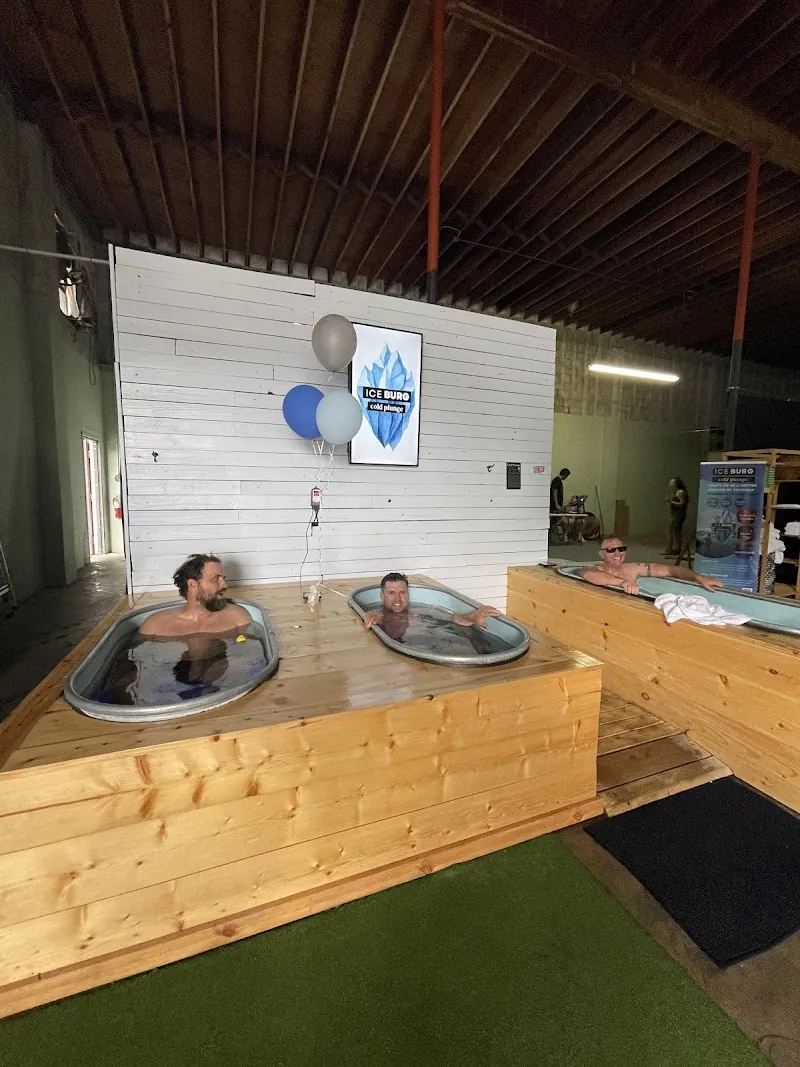
And yes, session length matters too, but maybe not the way you'd think. A focused 3 to 5 minute plunge at the right temperature does more for most people than 10 minutes of miserable, white-knuckling it through water that's barely cold enough. Most quality cold plunge facilities keep their water between 45 and 55 degrees Fahrenheit. At that range, 3 minutes gets the job done.
Start there. Two sessions a week, 3 to 5 minutes each. Give it a month before you judge the results.
The Math Behind Monthly Memberships
Here's where the routine starts to make real financial sense. Drop-in rates at cold plunge facilities typically run $15 to $30 per session. That adds up fast.
Monthly memberships at these places usually land between $50 and $150, depending on the facility and your city. Do the math on two sessions per week: that's roughly eight sessions a month. At a $20 drop-in rate, you're spending $160 a month paying as you go. A $75 unlimited membership cuts that cost in half, and you can actually plunge more often without watching the per-visit cost tick upward.
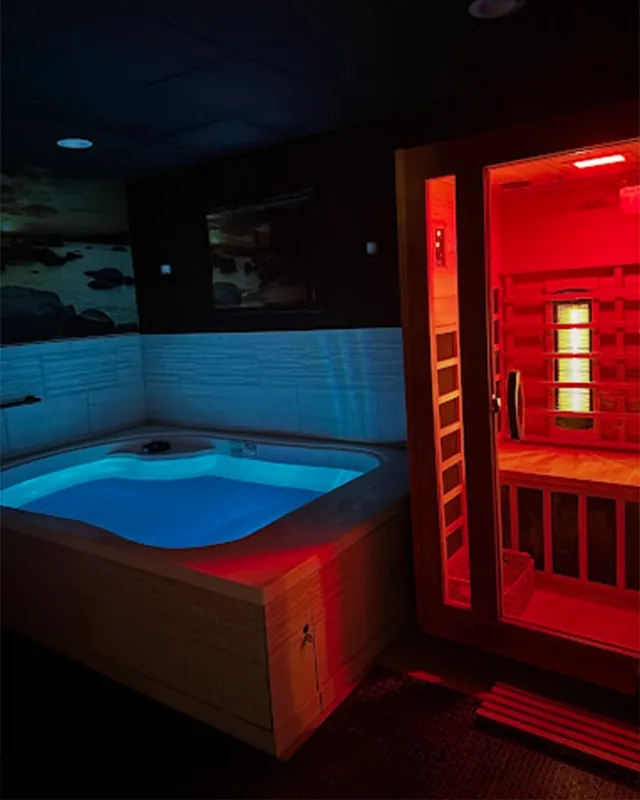
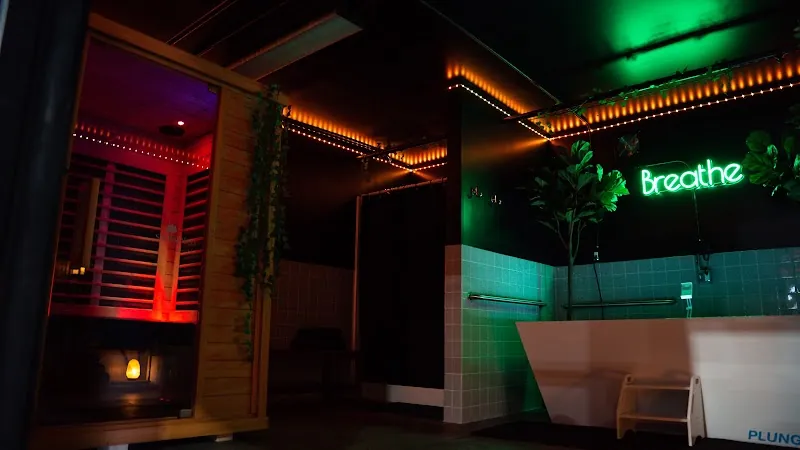
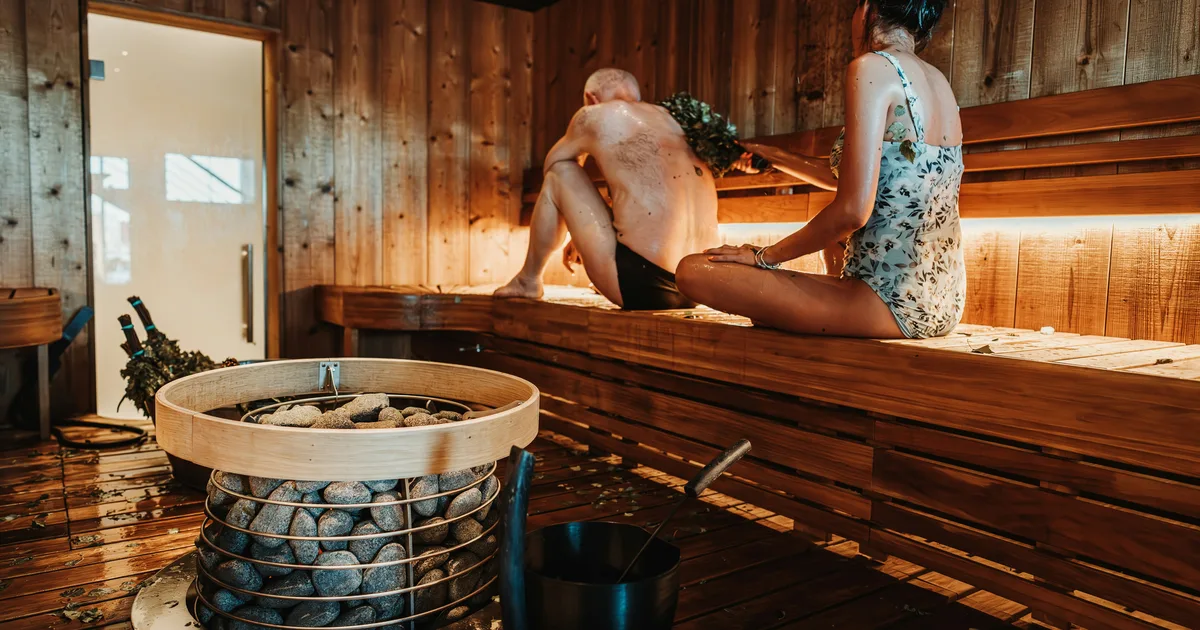
Worth noting: some cold plunge facilities bundle membership perks like sauna access, towel service, or guided breathwork sessions into their monthly plans. If you're going to commit to a routine anyway, those extras cost you nothing additional. Ask about them before you sign up.
Cold Plunge Pal lists 1934+ verified facilities with real ratings, which makes it easy to compare membership pricing in your area before you commit to anything.
Building the Habit So It Actually Sticks
Consistency is the hard part. Not the cold water.
Most people who fall off their cold plunge routine do not quit because the plunges were too intense. They quit because life got busy and there was no structure holding the habit in place. Treating your sessions like appointments, not options, is the single biggest thing you can do to stay consistent.
Pick two or three days and anchor your plunge to something else you already do. Some people go right after a morning workout. Others make it part of their lunch break if a facility is nearby. In practice, the specific timing matters less than the anchor. Pair it with a fixed event and it becomes automatic over a few weeks.
A lot of cold plunge facilities also allow you to book time slots in advance, which is underrated as a commitment tool. Booking a 7 a.m. slot on Tuesday and Thursday nights before is a completely different psychological experience than telling yourself you'll "try to get there this week." One of those results in you showing up. Typically, the other doesn't.
And if you do miss a session, do not let it spiral into a missed week. One skipped plunge is just a skipped plunge. It means nothing about your routine unless you let it.
Getting More Out of Every Session
Once the routine is in place, you can start paying attention to the details that improve each session. Controlled breathing before and during the plunge makes a real difference, not in a vague wellness sense but in a practical "you will stay in longer and feel better afterward" sense. Slow exhales calm the initial shock response faster than anything else.
Timing your sessions to when the facility is less crowded is also worth considering. Mid-morning on weekdays tends to be quieter at most cold plunge facilities than weekend afternoons. Quieter sessions mean less waiting, a more relaxed environment, and staff who have more time to answer questions if you have them.
Some facilities offer small group cold exposure sessions with coaching, usually included in higher-tier memberships. If you can access that, try it at least once. Having someone walk you through a structured breathwork and cold plunge sequence is a genuinely different experience from going it alone, and it often teaches you techniques you'll carry into every solo session afterward.
Your routine doesn't have to be complicated. Show up twice a week, stay in for 3 to 5 minutes, breathe through the hard part, and keep your membership active. That's the whole plan. Do it for 60 days and see how you feel. Most people who build that habit don't give it up.