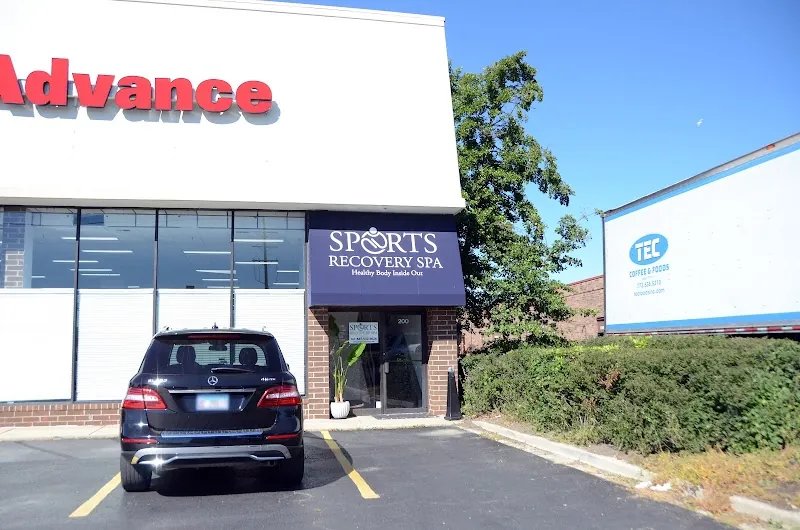
Step-by-Step Guide to Using a Plunge Pool Spa Effectively

Picture this: someone walks into a cold immersion center for the first time, skips talking to the staff, walks straight past the showers, and drops themselves into the coldest pool available. About four seconds later they're gasping, gripping the edge, and hauling themselves back out looking like they've just survived something. They'll tell their friends it "didn't work" and that cold plunge is overhyped. What actually didn't work was the approach, not the therapy. Cold water immersion is one of those things where the difference between a miserable experience and a genuinely useful one comes down almost entirely to preparation and technique, and most first-timers skip both.
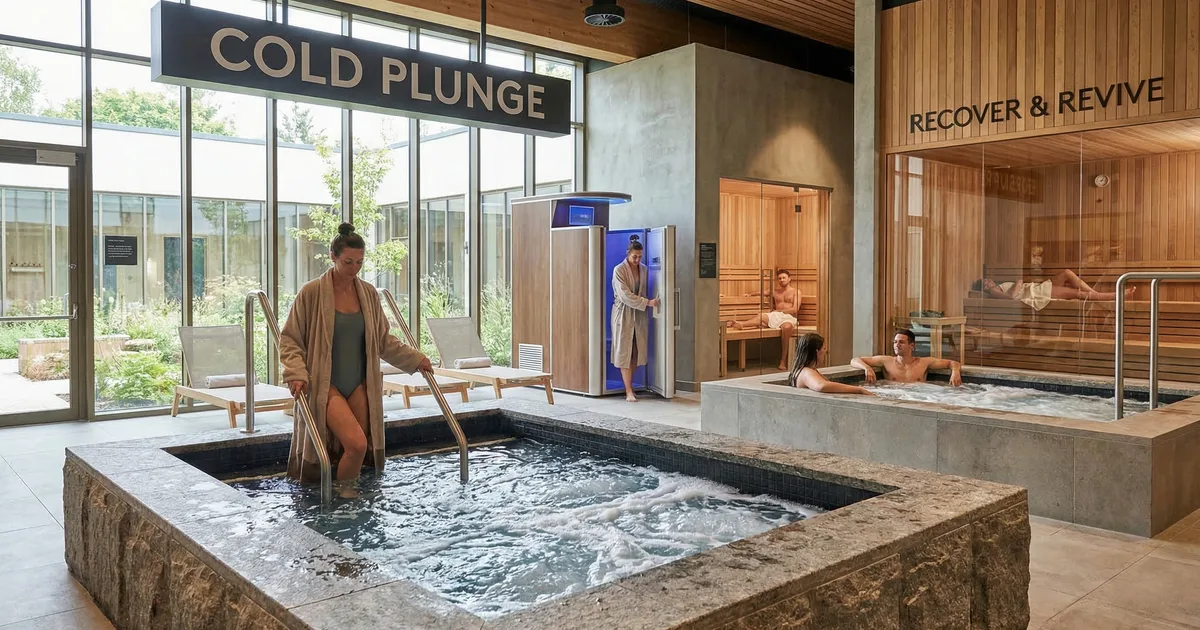
Cold water therapy has moved well past the "weird athlete thing" phase. What started as a niche recovery tool used by professional sports teams has found its way into mainstream wellness culture in a pretty big way. Across our directory at Cold Plunge Pal, there are now 1,934 listed businesses, spanning everything from standalone ice bath facilities to full contrast therapy studios that combine hot and cold circuits. Average ratings sit at 4.9 stars, which honestly tells you something about how much people love these places once they know how to use them. Cities like New York (30 listings), Anchorage (25 listings), and Omaha (20 listings) are among the most active markets right now. This guide covers how to actually get the most out of a visit, start to finish.
Section 1: How to Prepare Before Your Visit
Most people think you just show up. That's the first mistake. A cold plunge facility, especially a busy one in a high-demand city, usually requires a reservation. Many of these places also ask you to complete a health intake form or sign a waiver before you arrive, and doing that on your phone in the parking lot is not the vibe you want going into a session that's supposed to calm your nervous system. Book in advance, handle the paperwork the night before, and show up with your head already in the right place.
Here's what to pack, because this list is shorter than people expect. You need a swimsuit or athletic wear that you don't mind getting very cold and wet, a towel (some facilities provide them, some don't, worth asking when you book), flip-flops or sandals for the wet floor areas, and a water bottle. That's basically it. Some people bring a dry robe or a warm hoodie to pull on immediately after their session, and honestly that's a really good call, especially if it's cold outside or the facility's warm-up area is minimal.
Body preparation matters more than gear, though. Avoid eating a heavy meal within about 90 minutes of your session. Your body is going to be doing something physiologically intense, and digesting a big lunch at the same time is not a combination that ends well. Stay well hydrated throughout the day leading up to it, and skip alcohol or strong stimulants beforehand. Caffeine in moderate amounts is generally fine, but a pre-workout supplement followed by a cold plunge is the kind of thing that sounds like a bad idea and is.
Write this down the night before:
✅ Reservation confirmed and intake form completed
✅ Swimsuit, towel, flip-flops packed
✅ Water bottle filled
✅ Last full meal at least 90 minutes before session
✅ Alcohol and stimulants avoided
✅ Route and parking figured out (some cold plunge facilities are in dense urban areas with tricky parking)
One more thing worth mentioning on the preparation front: if you have any cardiovascular conditions, blood pressure issues, or Raynaud's disease, talk to your doctor before visiting a cold water therapy center. Reputable facilities will ask about this in their intake forms, but it's worth having that conversation proactively rather than discovering a contraindication mid-session.
Section 2: Understanding the Facility Layout and Services
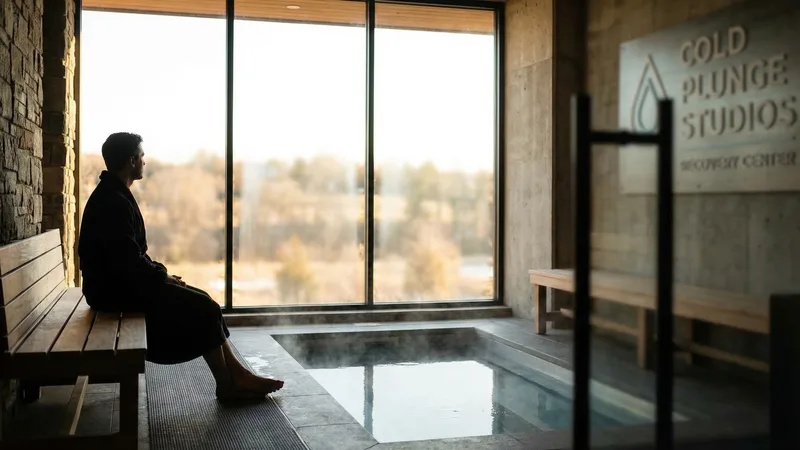
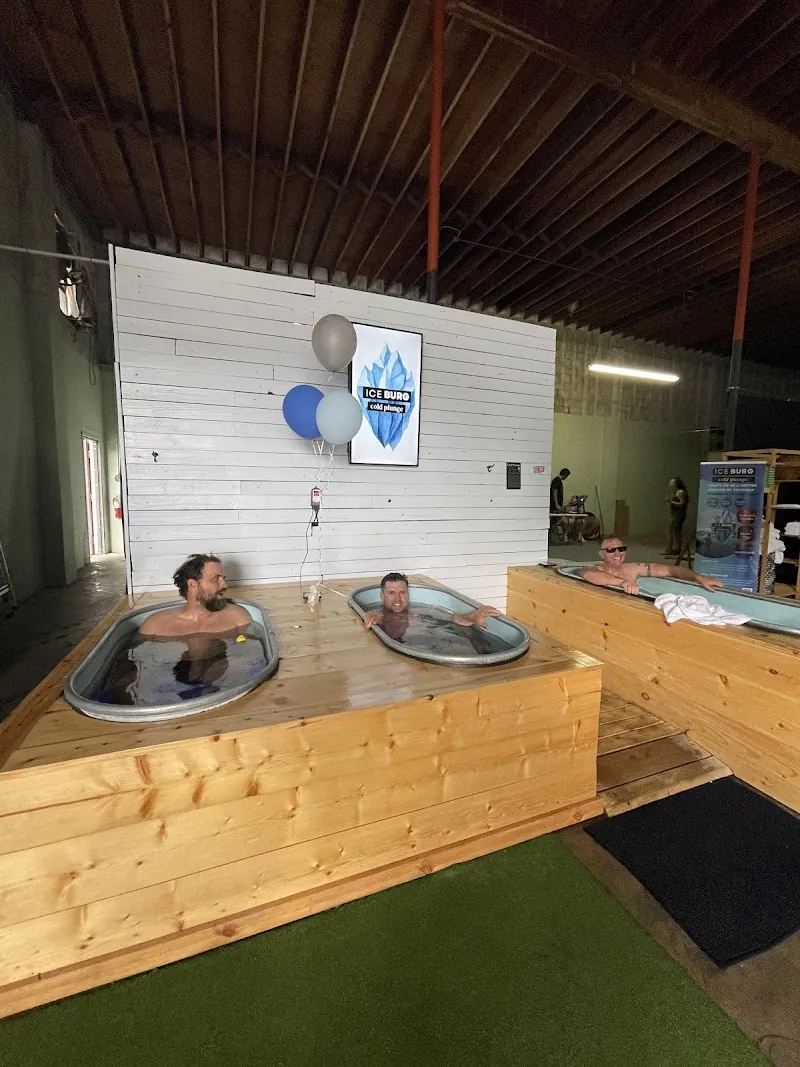
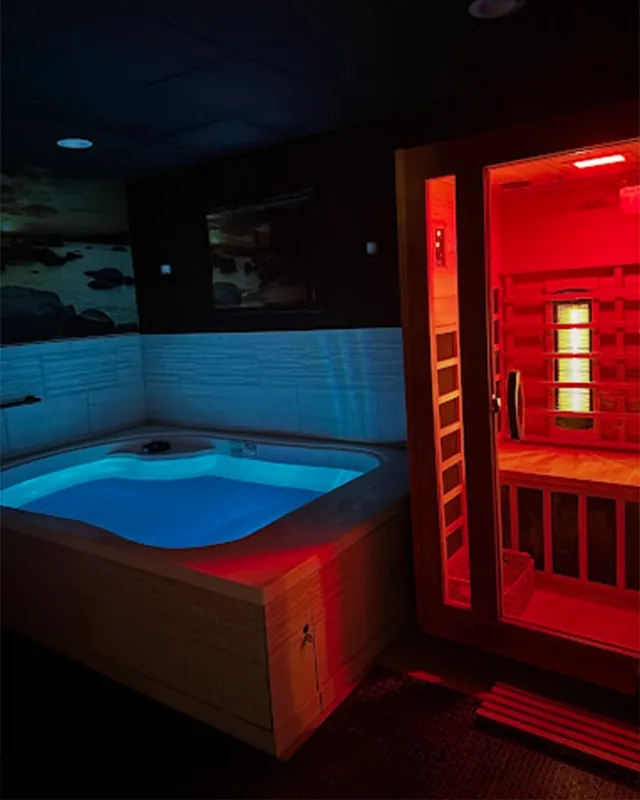
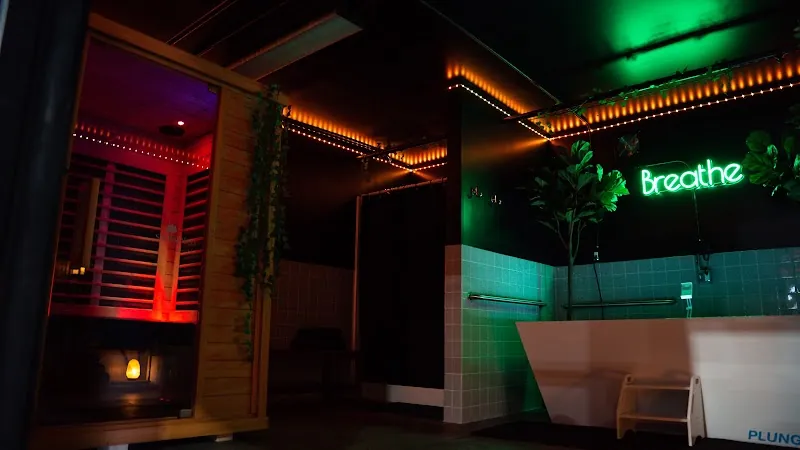
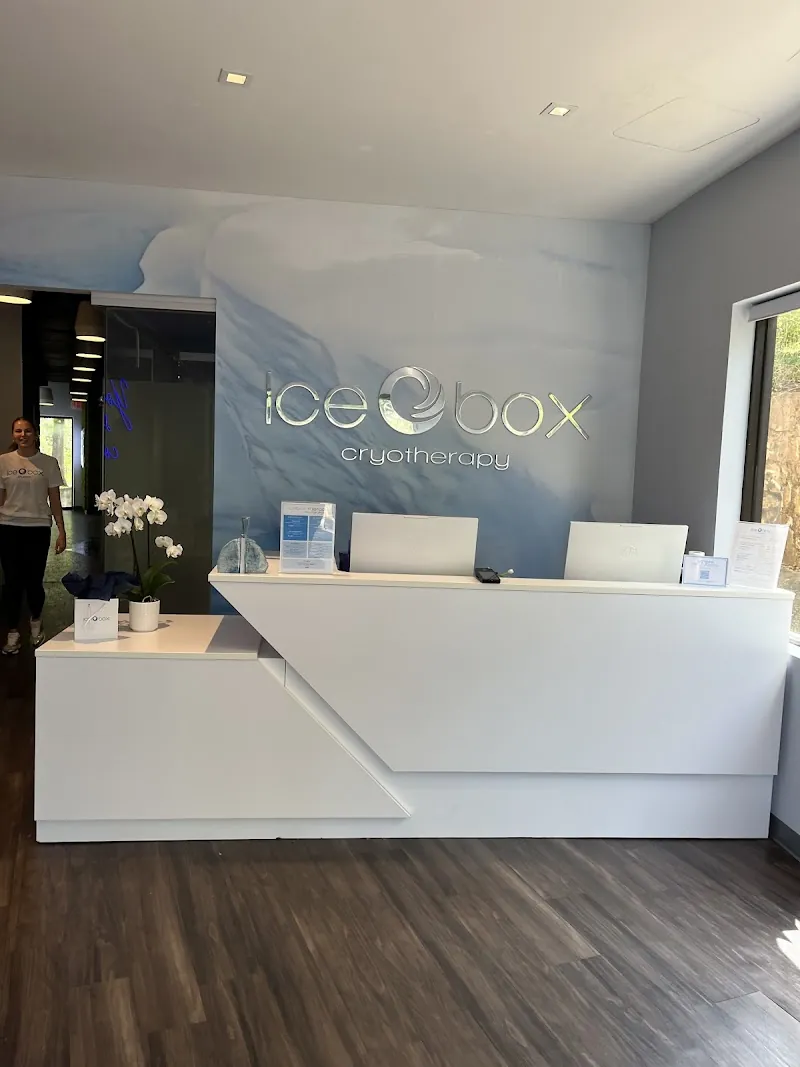
Walking into a cryotherapy spa or a recovery wellness center for the first time can feel a little disorienting if you don't know what you're looking at. Most facilities follow a pretty similar layout: you come in through a reception or check-in area, move to changing rooms, then into a shower area, and then into the main pool space. Some contrast therapy studios have a separate sauna or hot pool zone on one side and cold plunge pools on the other, designed so you move back and forth between the two. Others are simpler, just a few cold tanks at different temperatures and a bench to sit on after.
Staff at a good cold immersion center are usually well-trained and genuinely want to help first-timers. Do not skip talking to them. They can tell you which pool is at what temperature (and the difference between a 59°F pool and a 45°F pool is significant), how long sessions typically run, and what the house rules are around entry technique, sharing pools, and time limits. Places like Next Health in New York, which holds a 5.0-star average across 1,142 reviews, have built their reputation partly on this kind of guided experience. You're not bothering anyone by asking questions. That's literally part of what they're there for.
Understanding the difference between services matters if you're trying to pick the right type of facility. A dedicated ice bath facility usually focuses on cold water immersion at specific controlled temperatures, often between 50°F and 59°F for general recovery, though some go lower. A contrast therapy studio layers in heat exposure (sauna, steam, or hot pool) and has you alternate between hot and cold in timed cycles. Research suggests the alternation amplifies certain circulatory benefits, but for pure post-workout muscle recovery, a focused cold plunge facility works well on its own. Neither is universally better; it depends on what you're after.
Ask for a walkthrough. Seriously.
Before entering any water, ask a staff member to walk you through: the temperature of each pool, the recommended session duration for beginners, the entry and exit protocol, and where the warm-up area is. Takes about three minutes. Saves you from making the mistake described in the opening of this article.
Section 3: Step-by-Step Instructions for Your First Cold Plunge Session
Okay, you've booked, you've packed, you've talked to the staff. Now you're actually standing in front of a cold plunge pool spa and it looks very cold and you're reconsidering every decision that led you here. Normal. This is where technique actually matters.
Step 1: Start with a warm shower. Most cold plunge facilities require this anyway for hygiene reasons, but it also does something useful for your mindset. A warm shower before a cold plunge creates a clearer mental contrast, and mentally transitioning through the warm stage helps your body move into the cold less chaotically. Don't make it hot. Warm is the word. About two minutes is plenty.
Step 2: Enter slowly. Lower yourself in starting with your feet, then legs, then waist, then chest. Do not jump. Jumping into cold water on your first visit to a cold therapy studio triggers a much stronger shock response and can cause involuntary gasping underwater, which is genuinely dangerous. Slow entry gives your body a few seconds to begin adjusting at each stage. Some people pause at waist level for ten or fifteen seconds before going deeper. That's completely fine and actually smart.
Step 3: Control your breathing. Cold shock causes rapid, shallow breathing. It's automatic and it happens to everyone, even people who've done this dozens of times. Your job in the first thirty seconds is to slow your exhales down. Long, slow out-breaths activate the parasympathetic nervous system and calm the shock response faster than anything else. Breathe in through your nose if you can, out through pursed lips. Focus on that rather than the temperature.
Step 4: Set a realistic time goal. Beginners should aim for two to three minutes. That's it. Not ten. Not fifteen. Two to three minutes in genuinely cold water does meaningful physiological things; you don't need to white-knuckle it for twenty minutes to get a benefit. Experienced users at established recovery wellness centers sometimes work up to ten or fifteen minutes over months of consistent practice, but longer sessions without adaptation can actually stress the body more than help it. Rock and Armor in Meridian, Idaho, which carries a 5.0-star rating across an impressive 1,448 reviews, is one example of a facility where staff actively guide clients on time expectations rather than just letting people guess.
Wait, that's not quite right to say "longer is always worse" categorically. Duration recommendations vary by temperature. At 59°F, ten minutes is very different physiologically than ten minutes at 45°F. When in doubt, follow the recommendation of the staff at your specific cold immersion center, who know the exact temperature of their pools.
Step 5: Exit safely and warm up gradually. Getting out of a cold plunge pool spa is not the finish line; it's a transition. Dry off thoroughly, put on warm layers immediately, and move around a little. Gentle movement helps your body redistribute blood flow as your core temperature normalizes. Some facilities have a warm room or infrared sauna for post-plunge use, which is a genuinely useful addition. Do not take a hot shower immediately after exiting. Your body is already working hard to rewarm itself and a sudden blast of external heat disrupts that process. Let your body do the work for at least ten minutes first.
Before, during, and after your cold plunge:
✅ Two-minute warm shower before entering
✅ Slow entry: feet first, then legs, waist, chest
✅ Focus on slow exhales during the first 30 seconds
✅ Target 2-3 minutes for your first session
✅ Exit carefully, dry off, layer up immediately
✅ Wait at least 10 minutes before any hot shower
✅ Drink water after your session
Section 4: Making the Most of Ongoing Sessions and Choosing the Right Facility
Cold water therapy works best as a regular practice, not a one-time experiment. The physiological adaptations, better circulation, reduced inflammation, improved mood regulation through dopamine response, these things compound over repeated sessions. Most people who visit a cryotherapy studio or recovery wellness center regularly settle into a rhythm of two to four sessions per week. Daily plunging is possible and some enthusiasts do it, but it's not necessary for most wellness goals.
Choosing the right facility makes a big difference to whether you stick with it. Our directory currently lists businesses across a pretty wide range of formats and price points. Places like Fire and Ice Wellness in Bristol, England (5.0 stars, 1,199 reviews) and Remède IV Therapy in Jackson Hole, Wyoming (5.0 stars, 948 reviews) represent opposite ends of the spectrum in terms of vibe: one is a community-focused cold-water swimming spot, the other is a high-end medical wellness environment. Both can be excellent depending on what you're looking for. The point is that "best cold plunge facility" is a personal question, not a universal ranking.
A few things to look for when picking a facility: temperature transparency (do they clearly post what temperature each pool is?), staff knowledge and willingness to orient new clients, cleanliness of the water and surrounding areas, and session flexibility. Some places sell memberships, some sell drop-in sessions, and some require package purchases upfront. Know what you're buying before you commit.
On the subject of recovery more broadly, it's worth noting that what you eat around your sessions matters too. Some people who get serious about cold therapy also start thinking more carefully about their overall nutrition and food budget. If that sounds like you, it might be worth checking out salvage grocery options in your area for affordable whole foods that support recovery without wrecking your budget.
And one thing that doesn't get said enough: the mental side of cold plunging is real and it compounds. Most people who stick with it report that it changes how they respond to discomfort in other areas of their life. That might sound like a stretch, but the research on cold exposure and mental resilience is actually pretty solid. Pain Center of Rhode Island in Cranston, for example, has 1,207 reviews at a 5.0-star average, and a lot of their clients aren't athletes; they're people managing chronic pain and anxiety. In practice, the population using cold water therapy centers has broadened a lot.
✅ Clearly posted water temperatures for each pool
✅ Staff who offer orientations to new visitors
✅ Clean water and regularly maintained filtration
✅ Flexible booking: drop-in, membership, or package options
✅ A proper warm-up area after your session
✅ Good reviews across a large number of real customers (not just a handful of five-stars)
Frequently Asked Questions
How cold does the water actually get at a plunge pool spa?
Most cold plunge facilities operate their pools between 50°F and 59°F for standard cold immersion. Some ice bath facilities offer colder options, down to 40°F or even lower for advanced users. Many contrast therapy studios have multiple tanks at different temperatures so you can choose based on your experience level. Always ask staff before entering.
Is it safe for beginners with no cold water experience?
Yes, with proper preparation and staff guidance. Typically, the cold shock response in the first thirty seconds is the biggest risk for new users, which is why slow entry and breath control are so important. People with certain heart conditions, high blood pressure, or Raynaud's disease should check with a doctor first. Good cold immersion centers will screen for these things during intake.
How long should a beginner stay in the cold plunge?
Two to three minutes is the standard beginner target. That's enough time to trigger a meaningful physiological response without overdoing the stress load. Build up over multiple sessions before going longer. Most experienced users at recovery wellness centers cap sessions at ten to fifteen minutes regardless of experience level.
Can I do cold plunging every day?
Technically yes, and some dedicated practitioners do. But two to four times per week is sufficient for most wellness goals and gives your body time to adapt between sessions. Daily cold water therapy is more useful for advanced users who've been doing it consistently for months, not as a starting point.
What should I eat or drink before a session?
Avoid a heavy meal within 90 minutes of your visit. Stay well hydrated throughout the day. Skip alcohol. Light food a couple of hours before is fine. After your session, drink water and eat normally; some people find a light protein-containing snack helpful for recovery, but there are no rigid rules here.
Do I need to book ahead or can I walk in?
Most cold plunge facilities in busy cities require reservations, especially during peak hours. Facilities in New York, for instance, where there are 30 listings competing for a large and enthusiastic customer base, often fill up. Book online in advance, complete any intake forms ahead of time, and arrive five to ten minutes early.
More Ways to Save
Find Cold Plunge Pal Near You
Browse our directory of 1,934+ cold plunge businesses across the country, from dedicated ice bath facilities to full contrast therapy studios. Average rating: 4.9 stars.
Search the Directory