One Minute Is All You Need to Start Cold Plunging the Right Way
Most people jump into cold water for as long as they can stand it. That approach is almost always wrong. Pushing through until you bail out does not build tolerance; it builds dread. Structured, timed sessions work better in almost every measurable way, and the difference shows up faster than you'd expect.
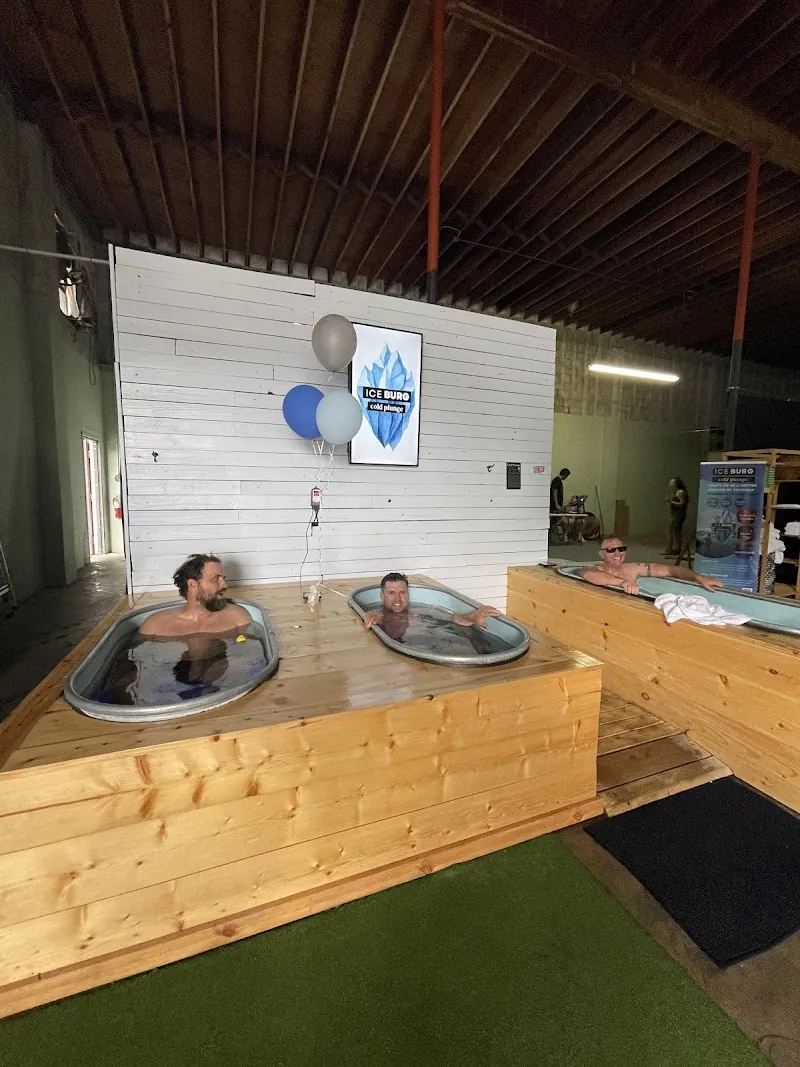
Cold plunge facilities are serious about this. Browse the 1934+ verified listings on Cold Plunge Pal and you will notice that the top-rated spots, the ones averaging 4.9 stars, consistently coach visitors on session length before they ever step near the water. That is not a coincidence.
Why Starting at One Minute Actually Makes Sense
One minute sounds embarrassingly short. It feels like you should be doing more. But your nervous system does not care about your ego, and the first 60 seconds of cold immersion are genuinely the hardest part of any session.
Your body's cold shock response peaks in that first minute: heart rate spikes, breathing gets ragged, and your instinct screams to get out. Sitting with that discomfort, learning to slow your breath, and choosing to stay anyway builds real mental and physical adaptation. You cannot rush that process by doubling your time on day one. All you do is make the experience miserable and less likely to repeat.
And honestly, one minute done well beats five minutes done panicked every single time.
Start your timer before you get in. Some people wait until they are in the water, which means the first few seconds of cold shock pass uncounted. Set the timer, step in, and let it run. That small habit change gives you accurate data on your own progress over time.
The 30-Second Rule and How to Apply It at a Facility
Adding 30 seconds per session is not arbitrary. It maps closely to how thermal adaptation actually works. Your body needs repeated, slightly increasing exposure to build tolerance, and 30 seconds is small enough that it does not feel like a jump but meaningful enough to push your ceiling forward.
Here is a practical way to use this at a cold plunge facility. Before you book or walk in, write down where you are in the progression. Session one: 1 minute. Session two: 1 minute 30 seconds. Session three: 2 minutes. Keep it on your phone. Venues with good staff will often track this with you if you ask, and the better cold plunge facilities absolutely will encourage you to tell them your target time before you get in the water.
Wait, that is not quite right to say "better" facilities only. Even mid-tier spots will work with you on timing if you bring your own structure to the visit.
A few practical notes: do not skip sessions and then try to compensate by jumping ahead two increments. If you miss a week, repeat your last completed time before moving forward. Adaptation is not linear, and trying to leap ahead after a gap often results in a rough experience that sets you back mentally more than physically.
Also, watch how other visitors approach their sessions next time you are at one of these places. You will almost always see two camps: the people who stay calm and breathe steadily, and the people white-knuckling the edge of the tub. Calm, timed sessions produce visibly different body language. That alone is worth noticing.
Quality Over Quantity Is Not Just a Slogan
Cold plunge facilities see every type of visitor. Some come in competitive, trying to outlast the person next to them. Some come in anxious, cutting their session short before the benefits even kick in. Neither extreme is particularly useful.
Quality in a cold plunge session means controlled breathing throughout, full body immersion (shoulders under if the facility allows), and mental focus rather than white-knuckling or distraction. A focused 90-second session will do more for you than a distracted four-minute one where you spent half the time negotiating with yourself to stay in.
Bring a simple focus cue. Some people count breaths. Others pick a point on the wall and just hold their gaze. The specific method does not matter much; having one matters a lot. It gives your brain something to do other than catalog how cold the water is, which is genuinely useful because your brain will enthusiastically catalog exactly that if you give it nothing else to work with.
Pick one cue and stick with it across sessions. Consistency here compounds over time.
Making Each Visit Count
Before you go to a cold plunge facility, know your number. Know what your target time is for that specific visit. Not a range. Not "somewhere around two minutes." An actual number.
Log it afterward. Your phone's notes app works fine. Date, location, duration, how it felt on a simple 1-10 scale. Three months of that data will show you something real about your own adaptation curve, and it makes each visit feel purposeful rather than just another dip in cold water.
One more thing worth saying directly: do not chase other people's numbers. Someone on a forum claiming they do 10-minute sessions in 45-degree water has a different starting point, a different history, and possibly a different relationship with honesty. Your progression is yours. One minute on day one is not a failure. It is the correct starting point for almost everyone.
Frequently Asked Questions
- How cold should the water be for a beginner session? Most cold plunge facilities maintain water between 50 and 59 degrees Fahrenheit. That range is cold enough to trigger adaptation benefits without being dangerous for healthy adults starting out. Ask the facility for their current temperature before your session.
- Can I do multiple sessions in one visit? Some facilities allow it. If you do, rest fully between plunges, at least 10 to 15 minutes, and do not add extra time to each session just because you are doing multiples. Treat each plunge as its own event.
- What if I can't make it to the full minute on my first try? Get out, warm up, and try again next visit. There is nothing wrong with that. Forcing a full minute while hyperventilating is not productive and is not safe. Progress matters more than hitting a specific number on day one.
- Does the time I spend in matter more than the temperature? Both matter, but for beginners, duration management is usually the more practical lever since temperature is set by the facility. Focus on controlled, progressive timing first and let temperature be a secondary variable.
- Should
More Ways to Save