Local vs Online Cold Therapy Studios: What's Best for You?

Should you drive to a cold plunge facility or just set up a tub at home? That's the real question behind all the hype around cold therapy right now, and the answer is not as obvious as most people assume.
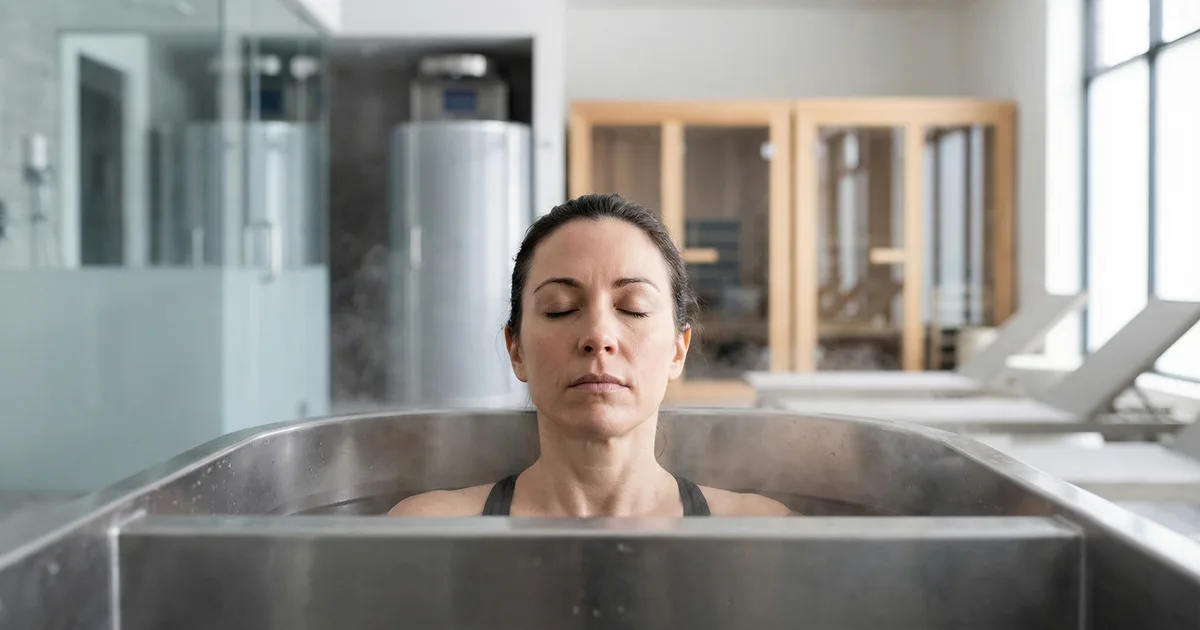
Cold therapy has gone from a fringe biohacker obsession to something you can find in strip malls, upscale wellness spas, and Instagram feeds all at once. Ice bath facilities are opening in cities across the country. Cryotherapy studios are booking up weeks in advance. And at the same time, at-home cold plunge tubs are flying off shelves for $300 to $5,000 depending on how serious you want to get. There are now 1,934 businesses listed across just five cities on Cold Plunge Pal, with an average rating of 4.9 stars. That's a staggering number of options, and it tells you something important: this is not a niche hobby anymore.
So this guide is here to cut through the noise. We'll look at what each path actually costs, what you actually get, and where people tend to go wrong. By the end, you should be able to make a real decision instead of just adding another tab to your browser.
Why So Many People Get This Decision Wrong
Most people walk into this choice backwards. They either buy a $2,000 tub based on a podcast recommendation and never use it, or they sign up for a studio membership without understanding what they're paying for. Both mistakes are expensive and both are avoidable.
Here's what nobody tells you: the right choice depends almost entirely on where you are in your cold therapy journey, not on which option is objectively better. A beginner who jumps straight to a home setup without any guidance is going to have a bad time. Someone who's been doing cold immersion for two years probably does not need to pay $40 per session at a plunge pool spa to keep progressing.
Walking into one of these places for the first time can be genuinely intimidating. You don't know how long to stay in, what temperature is appropriate, whether your breathing is wrong, or whether that weird chest tightness is normal. That uncertainty is exactly why in-person guidance matters so much early on. A staffed cold water therapy center gives you real-time feedback from someone who has seen hundreds of first-timers panic at 55 degrees.
And then there's the equipment trap. People assume the online/at-home route is cheaper. Sometimes it is. But buying a decent cold plunge tub, maintaining it, paying for ice or a chiller unit, and actually using it consistently is a real commitment. A lot of those tubs end up as very expensive patio furniture. Yards have been ruined by leaky first-gen plunge setups. (Not that I'm judging, but it happens more than people admit.)
Ask yourself: Have you done more than 5 cold plunge sessions before? Do you have at least 6 square feet of dedicated space? Are you genuinely self-motivated without community accountability? If you answered no to any of these, a local cold therapy studio is probably the smarter starting point.
What You're Actually Getting With Each Option
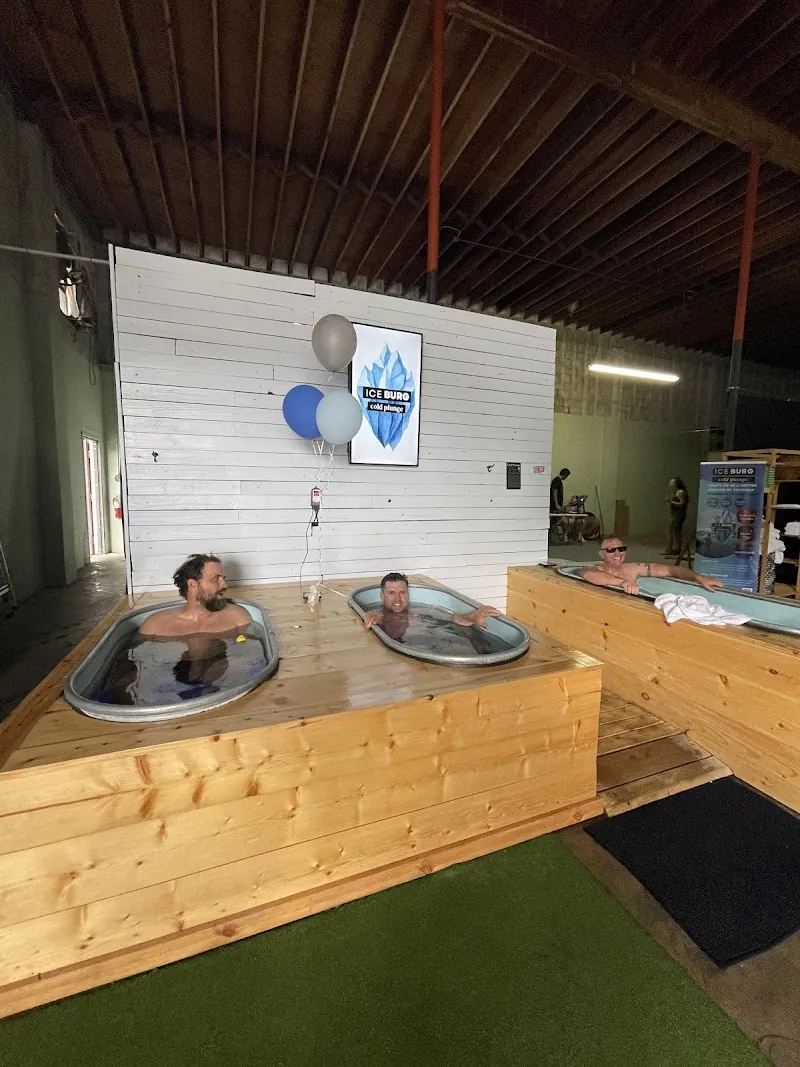
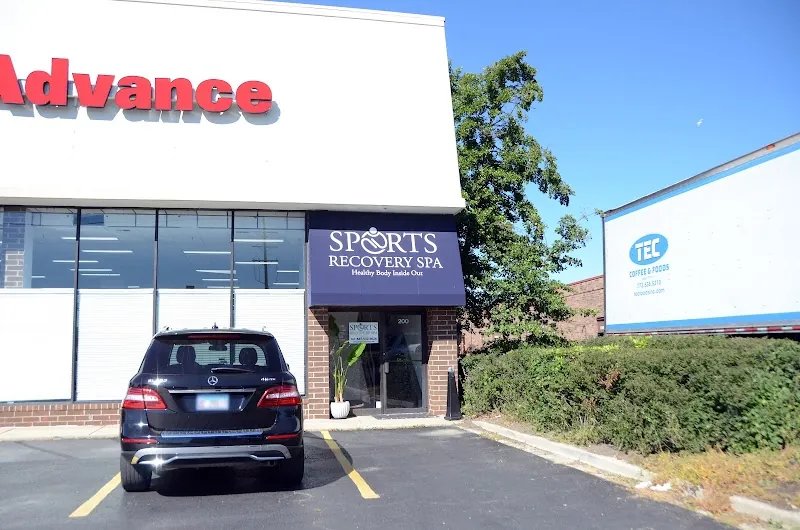
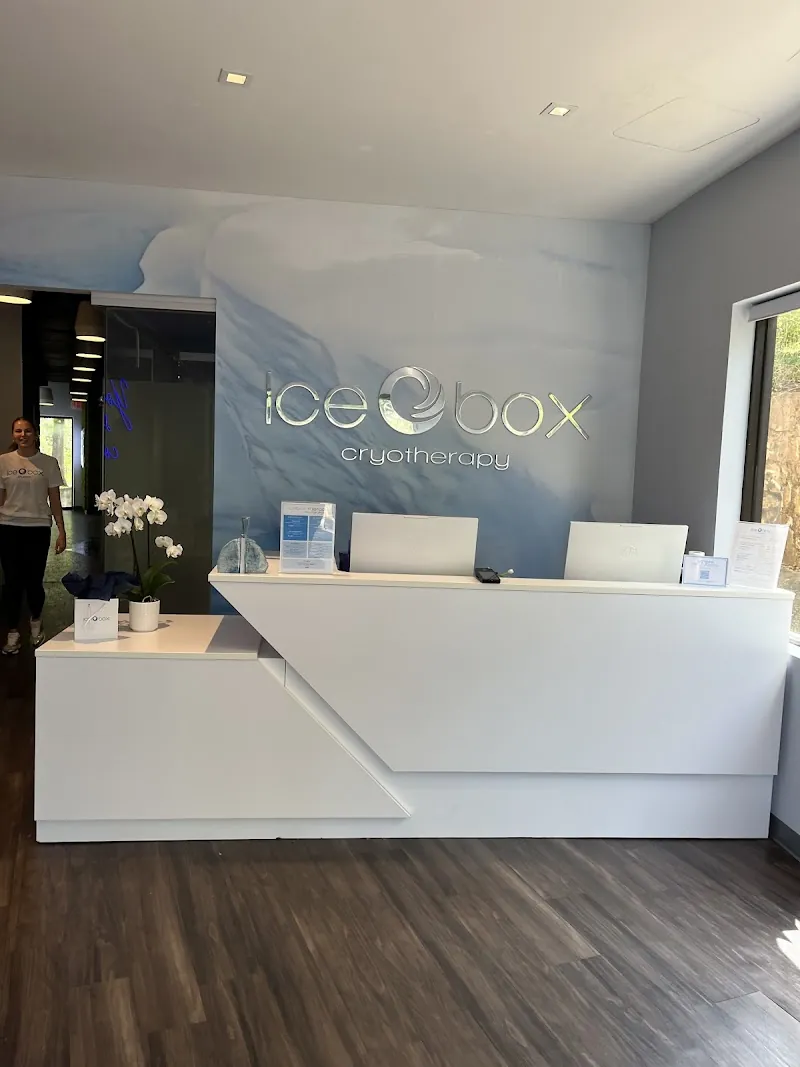
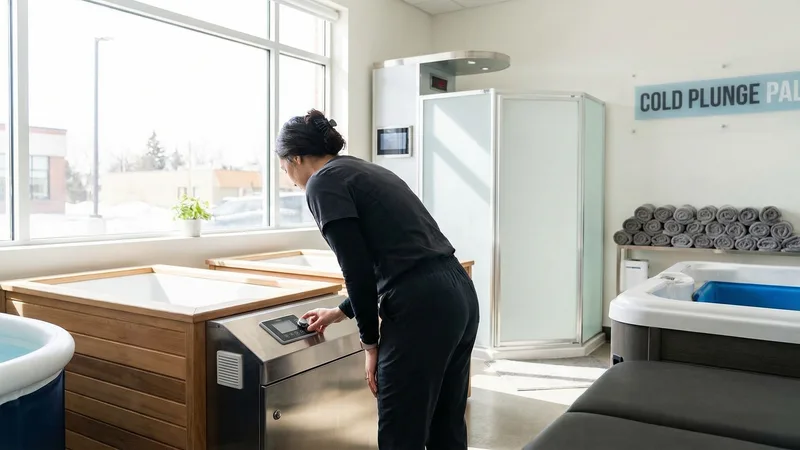
Local cold therapy studios vary a lot more than people expect. Some are boutique recovery wellness centers where everything is clean, calm, and guided. Others are more like gym annexes where staff check you in and then leave you to figure it out. Knowing the difference matters.
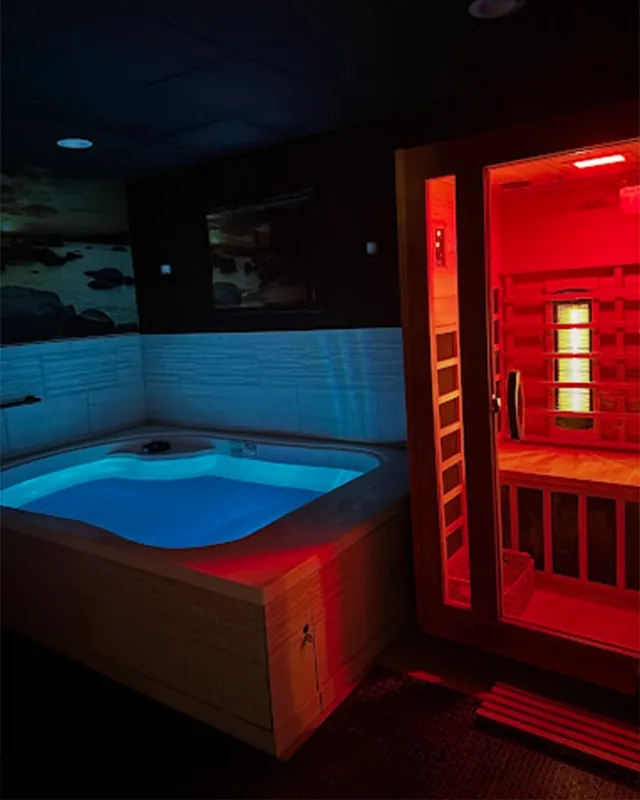
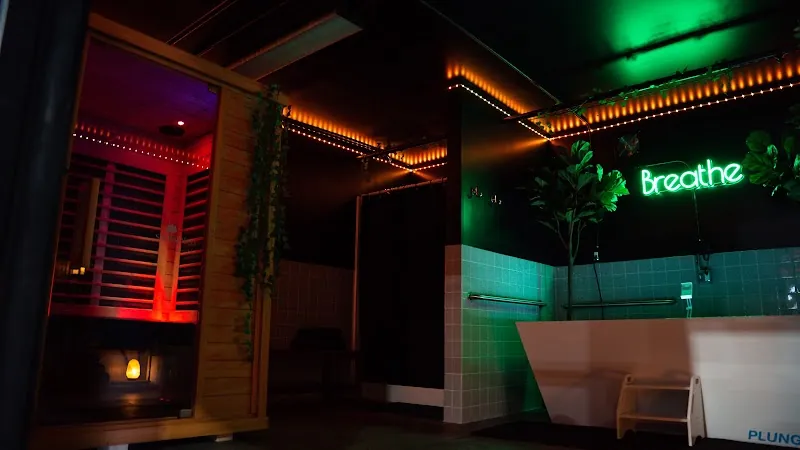
A proper in-person facility, whether that's a contrast therapy studio, a cryotherapy spa, or a dedicated ice bath facility, will typically offer: supervised cold plunge sessions at controlled temperatures, sauna or infrared contrast options, breathwork guidance before your plunge, and amenities like towels, showers, and recovery lounges. Some go further with IV therapy, red light therapy, or full recovery protocols. Places like Next Health in New York (5.0 stars, 1,142 reviews) and Rock and Armor in Meridian, Idaho (5.0 stars, 1,448 reviews) are examples of facilities that have clearly figured out how to deliver consistent, high-quality experiences at scale. Those review counts are not accidents. They reflect real systems and real staff training.
Online programs are a different animal entirely. You're mostly buying access to coaching protocols, breathwork methods like the Wim Hof method, app-based temperature tracking, and video instruction. Some programs are excellent. Others are just repackaged YouTube content sold as a subscription. The quality range is wide, and there's no star rating system to help you sort the good from the bad.
At-home cold plunge tubs range from basic stock tanks ($80 at a farm supply store, no joke) to purpose-built units with chillers and filtration systems that cost $4,000 or more. What you get out of the at-home route depends heavily on what you put in, including time, money, and discipline.
The Real Cost Breakdown
Here's where things get specific. Local studios usually charge $25 to $60 per session for a single visit. Memberships bring that down to $15 to $35 per session if you go frequently. Say you go twice a week at $25 per session: that's $2,600 per year. At a premium studio, it could be double that.
At-home setups have a big upfront cost but lower ongoing costs. A mid-range cold immersion setup with a chiller runs about $2,000 to $3,500. Add $50 to $100 per month for electricity and maintenance supplies. Over two years, you're looking at roughly $3,200 to $5,900 total. That's actually comparable to two years of studio membership, especially if you're using it daily.
So the cost argument for going online/at-home only works if you actually use the equipment consistently. And most people do not, at least not right away.
Side-by-Side Comparison: Local Studio vs. Online Program
| Criteria | Local Cold Therapy Studio | Online / At-Home Program |
|---|---|---|
| Upfront Cost | Low to medium (pay per session) | Medium to high (equipment cost) |
| Long-Term Cost | Higher (ongoing membership fees) | Lower (one-time equipment investment) |
| Convenience | ⭐⭐⭐ (requires travel, scheduling) | ⭐⭐⭐⭐⭐ (anytime, no commute) |
| Professional Guidance | ⭐⭐⭐⭐⭐ (trained staff on-site) | ⭐⭐⭐ (video/app only) |
| Safety | ⭐⭐⭐⭐⭐ (supervised, emergency protocols) | ⭐⭐ (solo, no backup) |
| Community | ⭐⭐⭐⭐⭐ (shared sessions, group energy) | ⭐⭐ (mostly solo) |
| Flexibility | ⭐⭐⭐ (limited to studio hours) | ⭐⭐⭐⭐⭐ (fully on your schedule) |
| Equipment Quality | ⭐⭐⭐⭐⭐ (commercial grade) | ⭐⭐⭐ (varies by budget) |
Safety deserves a longer conversation than a table cell allows. Doing cold immersion alone, especially when you're new, carries real risk. Sudden cold shock can cause cardiac stress and disorientation. A quality cold plunge facility has trained staff who watch for signs of trouble. At home, you're on your own. If you're going the at-home route, never plunge alone until you have significant experience, and keep your sessions shorter than you think you need to.
Do not attempt cold plunges alone if you have any cardiovascular conditions, are pregnant, or have not spoken to a doctor first. This is not optional caution. Local facilities take this seriously. You should too.
Who Should Pick What: A Practical Framework
Go with a local cold therapy studio if:
- You're new to cold exposure and want proper guidance on breathwork, duration, and temperature
- You want access to contrast therapy (sauna + cold) without buying two separate pieces of equipment
- You live in a city with strong options. New York has 30 listings, Anchorage has 25, Las Vegas has 19. Urban dwellers are spoiled for choice.
- You need accountability and community to stay consistent
- You want to try it before committing hundreds or thousands of dollars to home equipment
Go with an online or at-home setup if:
- You've already done 10 or more supervised sessions and understand your body's response
- You have the space and budget for a quality cold immersion setup
- You're in an area without easy access to a recovery wellness center or cryotherapy studio
- You travel frequently and want a protocol you can follow anywhere with a cold shower or hotel bath
- You're genuinely self-disciplined and do not need external accountability to stick with habits
Honestly, the hybrid approach works best for most people. Start at a local facility, learn the practice properly, then build a home setup once you know you'll actually use it. Several regulars at places like Pain Center of Rhode Island (5.0 stars, 1,207 reviews in Cranston) or Fire & Ice Wellness in Bristol, England (5.0 stars, 1,199 reviews) report that their studio experience fundamentally changed how they approach their home practice. That foundation matters.
And if budget is genuinely tight, being clever about where you spend money in other areas can free up room for a studio membership. For example, if you're spending more than you need to on groceries, checking out salvage grocery options in your area can shave real dollars off your monthly food bill, which makes a $80-per-month plunge pool spa membership a lot more realistic.
Real Facilities Worth Knowing About
Five businesses on Cold Plunge Pal stand out with perfect 5.0 ratings and review counts that prove they're not statistical flukes.
Rock and Armor in Meridian, Idaho leads with 1,448 reviews at 5.0 stars. That's the kind of volume that only comes from doing things right, consistently, for a long time. Next Health in New York brings a premium multi-service model with 1,142 reviews at the same rating. Remède IV Therapy + Aesthetics in Jackson, Wyoming shows that high-end resort markets are taking cold therapy seriously too, with 948 reviews. These places aren't just good. They're setting the standard for what a quality cold plunge facility actually looks like.
Worth noting: the cities with the most listings are not always the cities you'd expect. Anchorage, Alaska at 25 listings makes a lot of sense when you think about it. Cold water access is practically a local tradition. Omaha at 20 listings is more surprising. Midwest adoption of cold immersion therapy has quietly accelerated in the past few years.
Your Decision Checklist
Before you book a session or buy a tub, run through this:
- Experience level: Zero to five sessions? Start local. Ten or more? You have real options.
- Budget: Less than $500 to spend upfront? Go local, pay per session. $2,000 or more available? Home setup becomes viable.
- Space: Do you have a dedicated outdoor or indoor spot for a tub? No? Studio first.
- Health status: Any heart conditions, high blood pressure, or recent surgery? Cleared by a doctor? If not, do not do this at home solo.
- Local access: Are there quality cold water therapy centers or contrast therapy studios near you? Check the directory. The answer might surprise you.
- Consistency: Are you the type to use something daily once you set it up? Or does gear tend to collect dust? Be honest.
Most cold therapy studios offer a single drop-in session for $25 to $50. Do three of those before spending a dollar on home equipment. Three sessions will tell you everything you need to know about whether you'll stick with this practice.
Frequently Asked Questions
Is a local cold therapy studio worth the ongoing cost?
For beginners, yes, absolutely. For experienced practitioners who already know their protocol and have space for equipment, probably not long-term. In practice, the sweet spot is using a studio for your first three to six months, then reassessing. If you're going three or more times per week, the math on a home setup starts to look better.
What temperature should a cold plunge be?
Most facilities run their plunges between 50°F and 59°F (10°C to 15°C). Beginners often start at the warmer end. Experienced practitioners sometimes go lower. Do not start below 50°F without proper guidance. A staffed cold immersion center will set this appropriately for your experience level.
Can I do cold therapy at home without any equipment?
Yes. Cold showers and cold baths work. They're less effective than a dedicated cold plunge setup because temperature control is harder, but they're a legitimate entry point. If your tap runs cold (under 60°F), a 2 to 3 minute cold shower produces real physiological benefits. This is also a good way to test your tolerance before investing in anything.
Are cryotherapy studios the same as cold plunge facilities?
Not exactly. Cryotherapy uses extremely cold air (sometimes as low as -200°F) applied for 2 to 3 minutes. Cold plunging uses cold water immersion for longer durations. They have overlapping benefits but different mechanisms. Many recovery wellness centers now offer both. If you're choosing purely for athletic recovery, most research currently favors water immersion over air cryotherapy.
How do I find a good local cold plunge facility near me?
Check the Cold Plunge Pal directory. Filter by city, read the reviews carefully (look for patterns in what people praise or complain about), and look for facilities with at least 50 reviews before trusting the rating. Single-digit review counts can be misleading in either direction.
What's the biggest mistake beginners make with cold therapy?
Staying in too long on the first session. Typically, the urge to prove something to yourself is real, but it's counterproductive. Two to three minutes is enough for significant benefits. Pushing to eight minutes your first time and then feeling awful for the rest of the day is a great way to never do it again.