Cool Showers First: The Gradual Approach That Makes Cold Plunging Actually Stick
You've been thinking about cold plunging for months. Maybe you watched a few videos, read about the recovery benefits, and finally decided to try it. So you show up at a facility, lower yourself into 50-degree water, and last about 40 seconds before climbing out shaking and swearing you'll never do it again. Sound familiar? That experience puts a lot of people off cold plunging entirely, which is a shame, because the problem usually isn't the plunge itself. It's the fact that most people skip the preparation step completely.
There's a smarter way to do this. Starting with cool showers at home before you ever book a session at a cold plunge facility gives your body a chance to adapt. And that adaptation matters more than most beginners realize.
Why Jumping Straight In Backfires
Your body doesn't love sudden cold. That's just biology. When cold water hits your skin without warning, your system triggers a gasp reflex, your heart rate spikes, and your brain floods with stress signals. None of that is dangerous for most healthy people, but it is deeply unpleasant, and it makes it almost impossible to stay in long enough to get any benefit.
Here's what actually happens physiologically: blood vessels near the skin constrict rapidly, your breathing becomes shallow and fast, and your body dumps adrenaline into your system. You feel panicked even if you know, logically, that you're safe. That panic response is what makes people bail after 30 seconds.
And honestly, that's not a willpower problem. It's a preparation problem.
Most visitors to cold plunge facilities have never spent any time conditioning themselves to cold water before they arrive. They treat the first plunge like a test of toughness instead of a skill to build. That framing sets them up to fail, or at least to have a pretty rough time.
What "Start Warm, Go Cold" Actually Means in Practice
Cold Plunge Pal recommends starting with cool showers at home, around 65 degrees Fahrenheit, for a full week before attempting a real plunge. That temperature is cold enough to trigger mild adaptation but not so extreme that it feels miserable from the first second. Most people find 65-degree water uncomfortable but manageable, which is exactly where you want to be during a conditioning phase.
Start each shower at your normal warm temperature. After a few minutes, gradually reduce the temperature until you're solidly in that 65-degree range. Stay there for 60 to 90 seconds. That's it. Do that once a day for seven days.
A few things will happen over that week. Your gasp reflex will get less intense. Your breathing will calm faster once you're in the cold water. And your brain will start to associate cold water with "uncomfortable but fine" instead of "emergency." That mental shift is actually the most important part.
By day five or six, you'll probably notice you're reaching for the cold tap a little more quickly, and staying in a bit longer without thinking about it. That's your nervous system adapting. Good sign.
Using This Approach to Get More From Your First Real Session
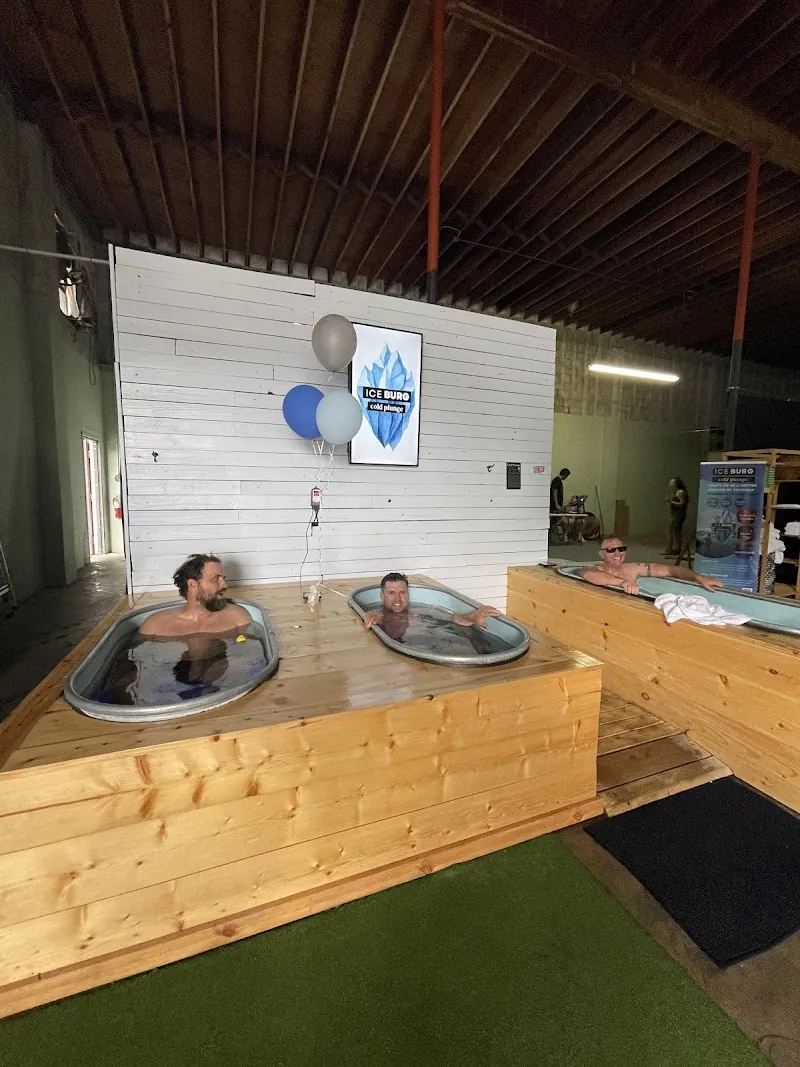
Cold plunge facilities are set up for people who are ready to get in, breathe through it, and actually stay long enough to feel the effects. Most locations in the Cold Plunge Pal directory, which lists 1,934-plus verified facilities with an average rating of 4.9 stars, have staff or posted guidance about breathing techniques and session length. But that guidance works a lot better when your nervous system is already somewhat familiar with cold exposure.
Walk into your first real session having done seven days of cool showers, and you will have a completely different experience than someone coming in cold, so to speak, with zero prep.
A few specific things to do at the facility itself. First, ask the staff what temperature the plunge is set to. Many facilities run between 45 and 55 degrees Fahrenheit, which is a significant step down from the 65-degree showers you've been doing at home. Knowing the number helps you set realistic expectations. Second, use the breathing techniques you've been practicing in the shower. Box breathing, slow exhales, whatever worked for you at home will work better in the plunge when your body already recognizes the sensation.
Wait, that's not quite right to say "whatever worked." Some breathing techniques actively backfire in cold water. Hyperventilating before a plunge, for example, is genuinely risky. Stick to slow, controlled exhales. That part is not negotiable.
Building a Habit That Keeps Paying Off
One week of cool showers is a starting point, not a finish line. The people who get the most out of cold plunge facilities are the ones who treat cold exposure as an ongoing practice rather than a one-time experience. That might mean continuing cool showers at home between visits. It might mean gradually dropping the shower temperature further over time, from 65 degrees down to 60, then 55, as your tolerance builds.
Cold plunging is one of those things where consistency beats intensity every time. Two sessions a week for a month will do more for you than one brutal session where you barely survived 45 seconds.
And if you're using Cold Plunge Pal to find facilities near you, pay attention to the reviews. A 4.9-star average across thousands of locations is unusually high, and a lot of those reviews mention staff helpfulness specifically. Don't be shy about telling the staff it's your first time. Good facilities will walk you through the process, adjust expectations, and sometimes suggest shorter initial sessions for beginners. That kind of guidance is worth asking for.
Start with the showers. Give yourself the week. Then book the session. You'll be surprised how different the experience feels when your body isn't completely blindsided by the cold.