Cold Water and a Clear Head: What Actually Happens to Your Brain After a Plunge
Ever wonder why people step out of a cold plunge grinning like they just won something? It's not a performance. Something real is happening inside the brain, and once you understand it, you'll stop seeing cold exposure as a punishment and start seeing it as one of the most accessible mental reset tools available to you.
The Dopamine Surge Is Not a Myth
Cold exposure triggers a massive release of dopamine. Not a little bump, not a mild nudge. Research has shown dopamine levels can rise by up to 250% after cold water immersion, and that increase can last for several hours after you get out. That's a longer dopamine window than most people get from a cup of coffee.
Dopamine is the brain's focus and motivation chemical. When levels are elevated, you think more clearly, you feel more capable, and background mental noise tends to quiet down. People describe it as the fog lifting.
And here's the part that surprises most first-timers: it doesn't take a long plunge to get there. Even two or three minutes in cold water is enough to trigger the response. You do not need to sit in ice water for twenty minutes to get the benefit. Start short.
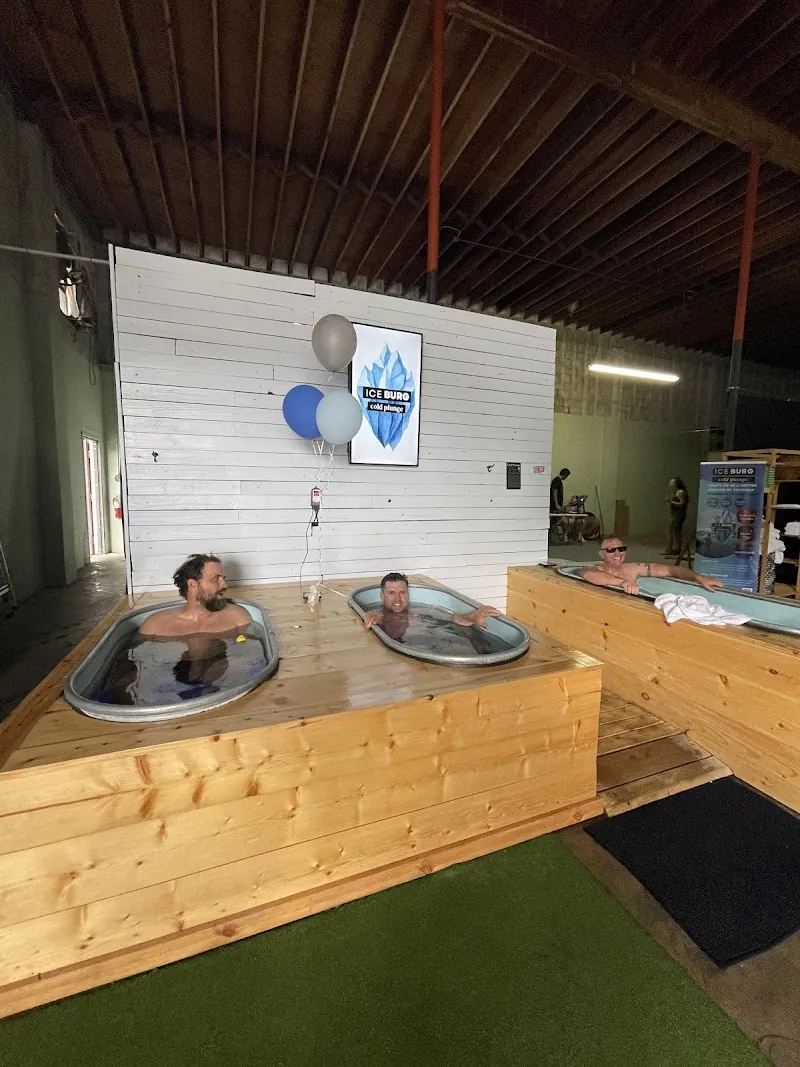
If you're using a cold plunge facility for the first time, tell the staff what you're after. Most good facilities will walk you through session lengths based on your goal. Mental clarity and stress relief often require a shorter, sharper exposure than, say, muscle recovery work.
Why Focus and Mood Improve Together
Dopamine doesn't work alone. Cold water immersion also raises norepinephrine levels, sometimes by up to 300%. Norepinephrine is closely tied to attention and alertness. It's the brain's way of sharpening the picture.
These two chemicals working together explain why so many regular cold plungers report that their best thinking happens in the hour or two after a session. It's not placebo. It's neurochemistry.
Wait, that's not quite right to leave it there. Mood and focus aren't the same thing, and they don't always move together. What cold exposure seems to do is lower anxiety while raising alertness, which creates that specific mental state people describe as "calm but switched on." That combination is genuinely rare. Most stimulants raise alertness but also raise anxiety. Cold water does the opposite.
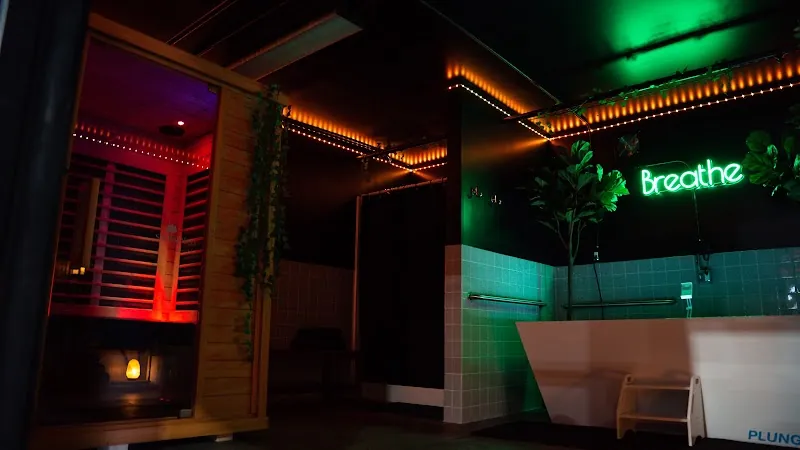
Cold plunge centers that offer guided breathwork alongside immersion sessions tend to amplify this effect. Controlled breathing before and during the plunge helps regulate the initial stress response, which means the calm clarity afterward hits harder and lasts longer. Worth asking about when you book.
Mental Resilience Builds Over Time
One session gives you a mental boost. Regular sessions build something bigger.
Repeated cold exposure trains your nervous system to handle stress more efficiently. Your body learns to move through the initial shock without going into full panic mode, and that adaptation carries over into everyday life. Difficult meetings, tight deadlines, hard conversations. Your baseline stress tolerance genuinely shifts.
This is not a vague wellness claim. It's a measurable physiological adaptation. Over weeks and months, cold plunge regulars show lower baseline cortisol levels and faster recovery from acute stress. Your brain becomes less reactive, not because you've numbed out, but because it's had practice moving through discomfort and coming out the other side.
Consistency matters more than intensity here. Three or four sessions a week at a moderate cold temperature will do more for your mental resilience than one brutal ice bath per month. Frequency beats extremity every time.
Cold Plunge Pal's directory has 1,934+ verified listings with an average rating of 4.9 stars, so finding a well-reviewed facility near you that you can visit regularly is actually pretty doable. Regularity is the whole game.
Getting the Most Out of a Session for Mental Clarity
Not all plunges are equal when your goal is mental performance rather than physical recovery.
Temperature matters. For cognitive benefits, water between 50°F and 59°F (10°C to 15°C) seems to hit the sweet spot for most people. Colder is not automatically better. Extremely cold water can trigger so much survival stress that the clarity benefit gets buried under the shock. A cold plunge facility with good temperature controls and clear readouts is worth choosing over one where you're guessing.
Timing matters too. Morning plunges tend to set a clearer, more focused tone for the entire day. An afternoon session can work as a mid-day reset if you're feeling mentally sluggish. Evening plunges are fine for some people but can interfere with sleep for others, because that dopamine and norepinephrine spike is not always compatible with winding down. Morning works better in most cases if mental clarity is your primary goal.
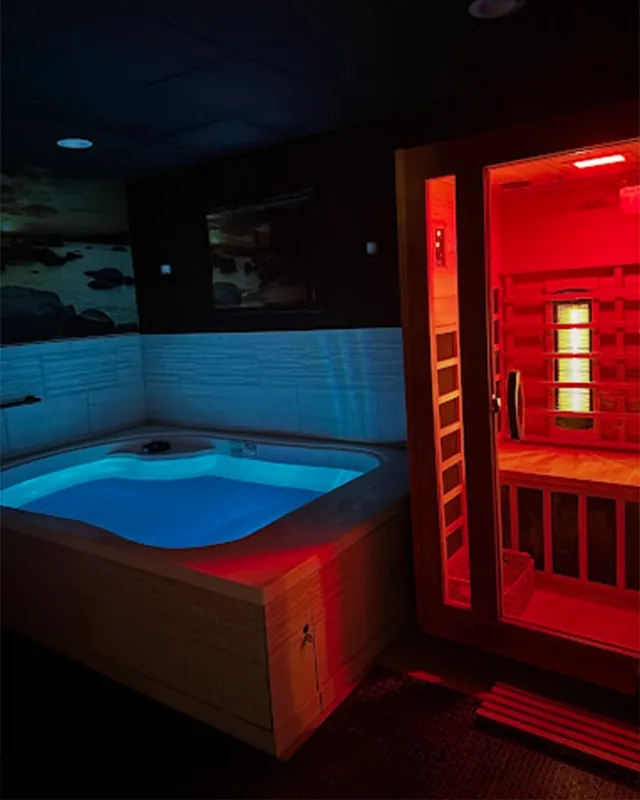
One small thing a lot of people skip: sit quietly for five to ten minutes after getting out. Don't immediately reach for your phone. Let the neurochemical shift settle. Some facilities have warm rest areas designed exactly for this, and honestly those spaces are underused. The post-plunge stillness is half the benefit.
Frequently Asked Questions
- How long does the mental clarity effect last after a cold plunge?
Most people report heightened focus and improved mood for two to four hours after a session. With regular practice, the baseline improvement between sessions also grows. - Do I need to go to a dedicated cold plunge center, or can I use an ice bath at home?
Both work. A dedicated facility gives you better temperature consistency, professional guidance, and a controlled environment, which is genuinely useful when you're starting out. At home, it's harder to hold a steady temperature and easier to bail early. - How cold does the water need to be for mental benefits?
Most research points to 50°F to 59°F as effective for cognitive and mood benefits. Going colder adds physiological stress without necessarily adding more mental clarity benefit. - Can cold plunging help with anxiety specifically?
Cold exposure has been shown to lower cortisol and reduce baseline anxiety over time. It is not a replacement for professional mental health support, but many people find it a useful complement to other tools they're already using. - How often should I plunge to notice mental resilience improvements?
Three to four times per week is a good target for building real adaptation. Less frequent sessions still offer acute benefits but wonMore Ways to Save