Unlocking the Health Benefits of Cold Plunges: Insights from Joe Rogan's Experience
Joe Rogan, Frozen Water, and Why Everyone Suddenly Wants to Freeze
Picture this: you're scrolling through clips from the Joe Rogan Experience at midnight, and there he is, red-faced and grinning after climbing out of a plunge pool, telling his guest that he feels more alive than he has all week. You think he's exaggerating. Then you start reading the research, and the data tells a different story than you expected.
Joe Rogan has been one of the loudest mainstream voices pushing cold water therapy into everyday wellness conversations for years now. With a podcast audience estimated at over 14 million listeners per episode, and a social media footprint that reaches tens of millions more, when Rogan says something works, a measurable chunk of the population goes looking for where they can try it themselves. Cold plunging is one of those things. Bookings at cold plunge facilities across the U.S. have spiked alongside his coverage of the topic, and the market data backs that up. Our directory currently lists 1,934 cold plunge and ice bath facilities operating across the country, and the average customer rating across all of them sits at 4.9 stars out of 5. That is not a niche wellness fad quietly serving a small audience. That is a full-on industry.
This article is about what the science actually says, what Rogan actually does, and what you can realistically expect if you walk into a cold water therapy center near you and give this thing a shot. No hype, just the numbers and the physiology.
So What Actually Is a Cold Plunge?
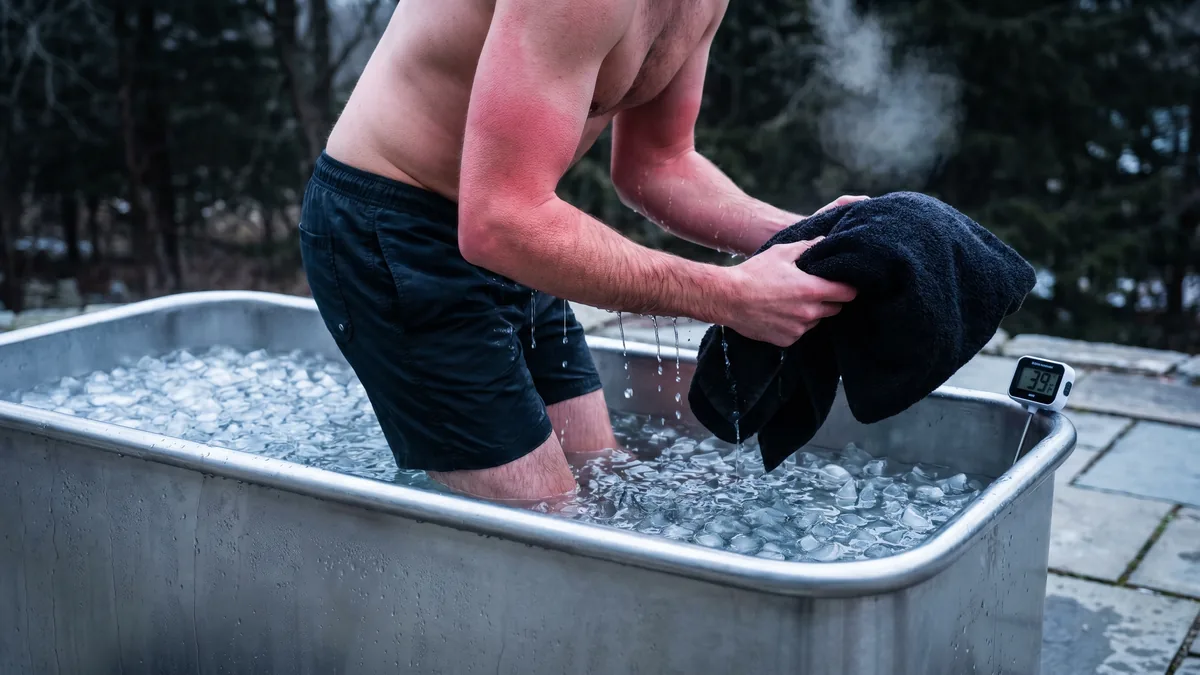
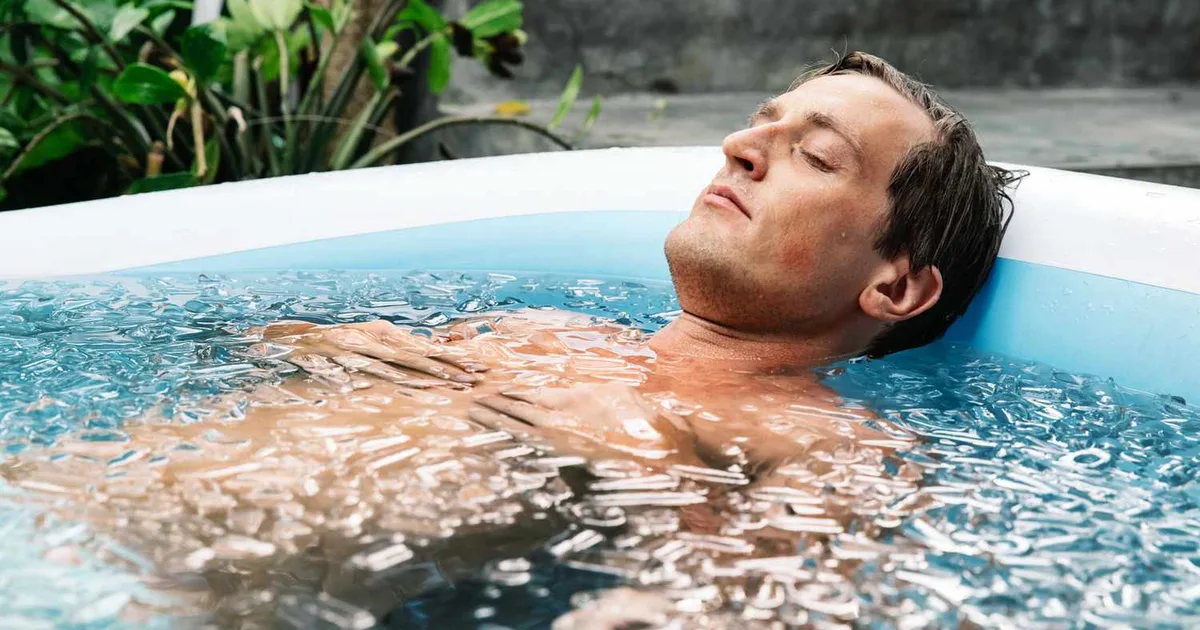
Cold water immersion therapy, in its simplest form, is the act of submerging your body in water that is cold enough to trigger a stress response. Most professional facilities keep their water at or below 50°F, with some going as low as 38-40°F for clients who want the full intensity. Sessions typically run between 2 and 10 minutes, depending on the protocol and the individual's experience level. Beginners usually start at 2 to 3 minutes. Veterans sometimes push past 10, though most researchers say you hit the bulk of the physiological benefit well before that.
Home setups do exist. Rogan himself has a dedicated plunge pool at his home. But a dedicated home setup can run anywhere from $5,000 to $20,000 for a good chiller unit, and that's before maintenance. A professional cold plunge facility or cryotherapy studio charges somewhere between $20 and $60 per session, which makes the economics pretty clear for most people who want to test the waters before committing to a home unit (pun intended, honestly).
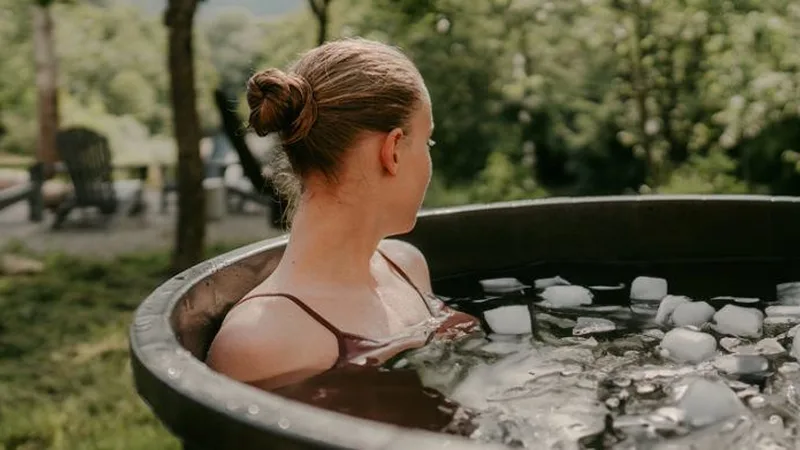
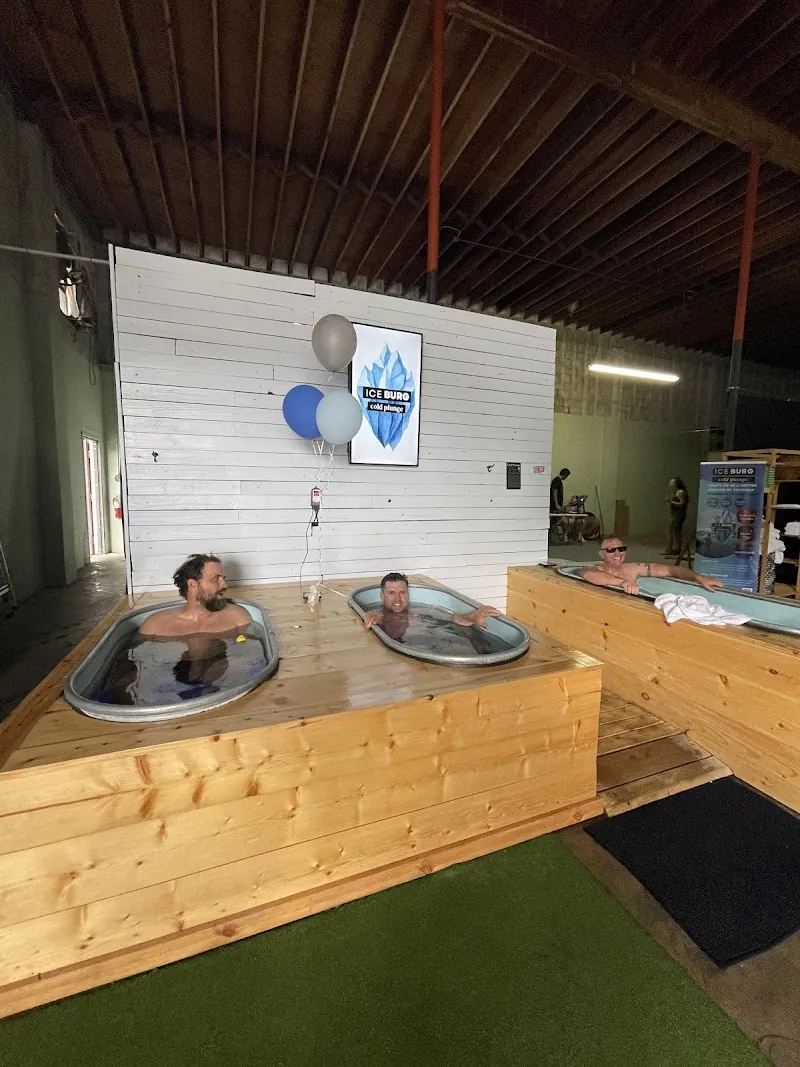
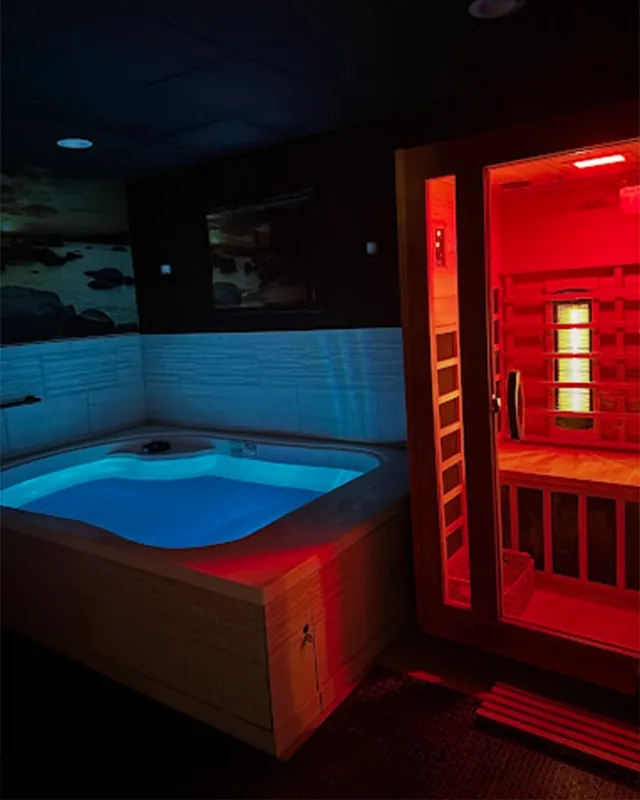
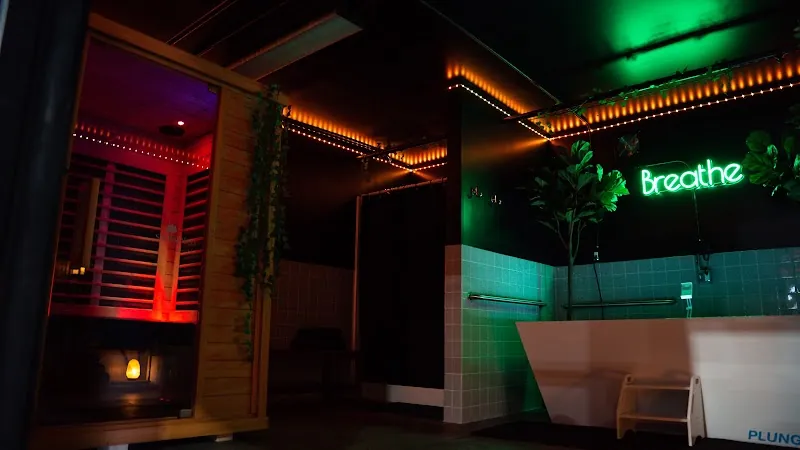
The types of facilities vary more than you'd think. A cryotherapy studio uses a chamber that blasts cold air around the body rather than submerging you in water. A plunge pool spa focuses specifically on water immersion, often with multiple pool depths and temperatures. A contrast therapy studio, which is one of the faster-growing formats, pairs hot and cold exposure in the same session, alternating between a sauna or hot tub and a cold immersion tank. Recovery wellness centers tend to bundle cold therapy with other services like infrared sauna, compression therapy, and IV drips. Each of these formats delivers the core stimulus differently, and the experience at each one is genuinely distinct.
Walking into one for the first time, you'll usually go through a short intake process. Some facilities require you to fill out a health history form, especially if you have cardiovascular conditions. Staff will walk you through how to breathe through the initial shock (slow controlled exhales, not panicked gasping), how long to stay in, and what to do immediately after. Post-session, most cold immersion centers encourage a slow passive rewarming period rather than jumping straight into a hot shower. That last part matters more than most people realize.
Start at 50°F for 2-3 minutes and focus on controlled breathing. Do not get in and immediately try to match whatever time you saw on a podcast. Your nervous system needs time to adapt. Most quality cold therapy studios will have staff who can pace you through your first session safely.
What the Science Actually Says About Cold Exposure
Here is where it gets genuinely interesting, and where Rogan's anecdotal experience actually lines up with documented physiology pretty well.
Cold water immersion triggers an immediate release of norepinephrine, a neurotransmitter and hormone involved in attention, focus, and mood regulation. A study frequently cited by Dr. Andrew Huberman (a regular Rogan podcast guest) found that cold exposure can increase norepinephrine levels by 200 to 300 percent. That is not a small bump. That is a dramatic neurochemical shift that happens within minutes of entering cold water, which explains why so many people describe feeling sharply alert and oddly euphoric after a plunge. Rogan talks about this effect constantly, and the mechanism behind it is real.
Inflammation reduction is another well-documented effect. Cold water causes vasoconstriction, the narrowing of blood vessels, which slows the inflammatory response in muscle tissue. Athletes have used this for decades after training. Post-session, when the body rewarms, blood vessels dilate and circulation surges, which is thought to help clear metabolic waste products from muscle tissue faster. Multiple studies in the Journal of Physiology and the British Journal of Sports Medicine have documented measurable reductions in perceived muscle soreness 24 to 48 hours after cold immersion compared to passive recovery.
Mental health data is catching up to the anecdotal reports too. A 2023 study in the journal PLOS ONE found that open water cold swimming was associated with meaningful reductions in anxiety and depression symptoms in a cohort of 61 adults. Sample size is small, sure, but the direction of the evidence is consistent across multiple studies. Cold exposure seems to build what researchers loosely call "mental resilience," the ability to stay calm under physiological stress, which translates off the pool ledge into real life.
Contrary to popular belief, the immune system benefits are not firmly established in the literature yet. Some studies suggest modest increases in certain immune cell activity following regular cold exposure. Others show no significant effect. The brown fat activation story is more solid: cold exposure does activate brown adipose tissue, which burns calories to generate heat. Regular cold immersion has been associated with improved insulin sensitivity and a small but real increase in metabolic rate. For people managing weight or metabolic health, that is worth paying attention to.
Sleep quality improvements are another frequently cited benefit. And honestly, this one surprised me when I first looked at the data. Cold exposure in the late afternoon or evening appears to facilitate the natural drop in core body temperature that precedes deep sleep. Several users in recovery wellness center reviews mention improved sleep as one of the first changes they notice after starting a regular cold therapy routine.
What Joe Rogan Actually Does
Rogan is not shy about his routine. Across dozens of podcast episodes and social media posts, he's described a fairly consistent protocol. He uses a dedicated cold plunge pool at his home, kept at around 40-45°F. He typically does three to four sessions per week. Sessions run roughly 10 minutes, though he has mentioned going shorter on days when he's particularly worn down or post-training. He almost always follows the cold plunge with time in his sauna, doing what is essentially a contrast therapy protocol: cold, then heat, sometimes cycling back to cold again.
Dr. Rhonda Patrick, a researcher and frequent Rogan guest, has discussed the specific protocols in detail on the podcast. She recommends cold immersion before or after (but not immediately after) resistance training to avoid blunting the hypertrophic signaling that triggers muscle growth. This is a real tradeoff that Rogan has addressed directly: if muscle gain is your primary goal, cold immersion right after lifting may interfere with gains. If recovery and general health are the goal, the timing matters less.
Dr. Andrew Huberman, a neuroscientist at Stanford and another regular on the show, has recommended starting with 11 minutes of total cold exposure per week across multiple sessions rather than one long soak. That number comes from his reading of the research on norepinephrine release and metabolic activation. Rogan has cited this protocol himself and seems to exceed it comfortably.
For readers who do not have a home setup, the practical translation is straightforward. Find a local contrast therapy studio or cold plunge facility and book two to three sessions per week. Aim for at least 2 to 4 minutes per session to start, building toward 10. Pair it with sauna time if the facility offers it. Do not stress about hitting exact temperatures at first; any water below 60°F will trigger the core physiological responses.
3-4x per week. Water at 40-45°F. Roughly 10 minutes per session. Follow with sauna. Avoid cold immersion immediately after heavy resistance training if muscle building is your main goal. That's it. No complicated system required.
The Industry Behind the Ice: Market Data and Where Facilities Are Thriving
1,934 facilities. That number deserves some context.
Five years ago, finding a dedicated cold immersion center in your city was genuinely difficult outside of major coastal metros. Today, the directory data tells a different story. New York leads with 30 listed facilities, which you would expect. But the next cities on the list are Anchorage (25 listings), Omaha (20 listings), Las Vegas (19 listings), and Albuquerque (19 listings). Anchorage and Omaha appearing that high in the rankings is the interesting part. It means demand for cold water therapy centers is not clustering in the same cities where boutique wellness tends to concentrate. It's spreading into different regional markets, which signals genuine mainstream adoption rather than coastal trend cycling.
And those 4.9-star average ratings across 1,934 businesses are almost suspiciously good. But when you look at the top-rated facilities individually, the reviews are detailed and specific in ways that suggest real customer experiences rather than review farming. Rock and Armor in Meridian, Idaho carries a perfect 5.0 rating across 1,448 reviews. Pain Center of Rhode Island in Cranston holds 5.0 stars across 1,207 reviews. Next Health in New York has 5.0 stars from 1,142 reviewers. These are not small sample sizes. That is strong, consistent satisfaction data across thousands of customers.
| Business Name | Location | Rating | Reviews |
|---|---|---|---|
| Rock and Armor | Meridian, ID | 5.0 ★ | 1,448 |
| Pain Center of Rhode Island | Cranston, RI | 5.0 ★ | 1,207 |
| Fire & Ice Wellness | Bristol, England | 5.0 ★ | 1,199 |
| Next Health | New York, NY | 5.0 ★ | 1,142 |
| Remède IV Therapy + Aesthetics | Jackson, WY | 5.0 ★ | 948 |
One thing worth noting about the facility spread: places like Remède IV Therapy and Aesthetics in Jackson, Wyoming, which has 948 reviews and a perfect 5.0, are bundling cold therapy with IV hydration and other recovery services. That bundled model seems to be performing exceptionally well. Customers who are already spending money on their recovery are willing to add cold immersion as part of a broader session. In practice, the per-visit economics work better for the facility, and customers get more out of a single appointment. It's a format that more standalone cryotherapy studios are starting to copy.
Fire and Ice Wellness in Bristol, England showing up in the top five globally with 1,199 reviews is also interesting. Cold water swimming has a much longer cultural history in the U.K. and Northern Europe than in the U.S., which probably contributes to the density of reviews, but the fact that it surfaces in a directory primarily serving U.S. markets says something about how international the cold therapy conversation has gotten.
Separately: if you're someone who's trying to build out a home wellness routine on a budget while also booking occasional sessions at a cold plunge facility, it's worth knowing that some people supplement their nutrition and recovery on the cheap by shopping at places like salvage grocery stores, which carry discounted health foods, protein supplements, and recovery-focused products at significantly reduced prices. Every dollar saved on groceries is a dollar available for your next cold therapy studio session.
Practical Advice for Getting Started Without Wasting Money
Skip the $15,000 home chiller unit for at least six months. Seriously. A lot of people get fired up watching Rogan's clips and immediately start pricing out home setups, which is backwards. Go to a local cold immersion center five to ten times first. Figure out if you actually like it and whether it fits your schedule before making a capital investment.
When comparing facilities, look at more than just price per session. Check whether the facility maintains documented water temperature logs (a good one should, especially below 50°F). Ask about staff training and whether someone is present during sessions. A quality cold water therapy center will have a clear protocol for emergencies, not because emergencies are common, but because cold water immersion does carry real contraindications for people with certain cardiovascular conditions.
Contrast therapy is worth trying specifically. Typically, the research on alternating hot and cold exposure shows benefits that may exceed cold-only protocols for circulation and recovery, and the experience of going from 180°F sauna to 40°F plunge and back again is genuinely striking in a way that's hard to describe. Most contrast therapy studios that offer both charge only a modest premium over cold-only sessions.
Three to four sessions per week is the sweet spot based on both Rogan's reported routine and the research literature. Two sessions per week will still deliver measurable benefits. One session per week is better than nothing but probably not enough to build the adaptation that makes cold exposure feel progressively easier over time.
One more thing worth saying plainly: if you have a heart condition, high blood pressure, Raynaud's disease, or are pregnant, talk to a doctor before getting in a cold plunge. Cold water immersion causes an immediate spike in heart rate and blood pressure. For healthy people that spike is brief and manageable. For people with certain conditions it can be dangerous. Most good recovery wellness centers will screen for this during intake. Do not skip that part.
Ask the facility what temperature they maintain, whether staff are present during sessions, what their emergency protocol is, and whether they offer contrast therapy. Any cold plunge facility worth your money will answer all four questions clearly and confidently.
Why This Is Not Just a Celebrity Trend
Celebrity-driven wellness trends usually burn fast. They spike when a famous face promotes something, fill a few Instagram feeds, and fade out when the next thing comes along. Cold water therapy has been different. As a rule, the reason is that the underlying science is real, documented, and getting more detailed every year, not weaker. Rogan helped a lot of people find it. But the 1,934 facilities in the directory and the 4.9-star average ratings across thousands of real customer reviews suggest that people who try cold immersion are not walking away disappointed.
And that's the key distinction. Rogan got people curious. For most shoppers, the physiology is what's keeping them coming back.
Most growth in cities like Omaha and Albuquerque matters here too. These are not places where boutique wellness trends usually land first. These fact that cold immersion centers are proliferating there, and maintaining near-perfect ratings, means something real is happening beyond influencer hype cycles. Demand is genuine and it's broad.
Start with two sessions at a local cold water therapy center. Take notes on how you feel for the 24 hours after each one. Give it a month before making any judgments. Generally, the data from nearly two thousand facilities suggests you'll be back for session three on your own terms.
Frequently Asked Questions
How cold does the water need to be for a real cold plunge?
Most research and professional cold plunge facilities target water temperatures at or below 59°F (15°C), with the strongest responses documented at 40-50°F. You don't need to hit the lowest possible temperature to get benefits, but you do need to be below 60°F for the core physiological stress response to activate.
How long should a beginner stay in a cold plunge?
Start with 2 to 3 minutes. Most cold immersion centers will guide first-timers through this. Work toward 5 to 10 minutes over several sessions. Dr. Huberman's recommendation of 11 minutes of total weekly cold exposure spread across multiple sessions is a reasonable target for beginners building toward a regular routine.
Is cold plunging safe for everyone?
No. People with cardiovascular conditions, high blood pressure, Raynaud's disease, or certain other conditions should consult a doctor first. Cold water immersion causes an immediate spike in heart rate and blood pressure that is safe for healthy adults but potentially dangerous for others. A good cold water therapy center will screen for contraindications before your first session.
What's the difference between a cryotherapy studio and a cold plunge facility?
A cryotherapy studio uses cold air (usually nitrogen-chilled) in a chamber that surrounds the body for 2 to 3 minutes. A cold plunge facility uses water immersion. Water conducts heat away from the body roughly 25 times faster than air, so water-based immersion is generally considered more physiologically intense at equivalent temperatures. Both trigger similar responses, but they're not identical experiences.
How often should you do cold plunges to see results?
Three to four sessions per week seems to be the sweet spot based on both the research and protocols discussed by practitioners like Dr. Huberman and Dr. Patrick on the Joe Rogan Experience. Two sessions