Unlocking the Benefits of Cold Water Therapy: How Ice Baths Transform Your Body
Most People Are Doing Recovery All Wrong
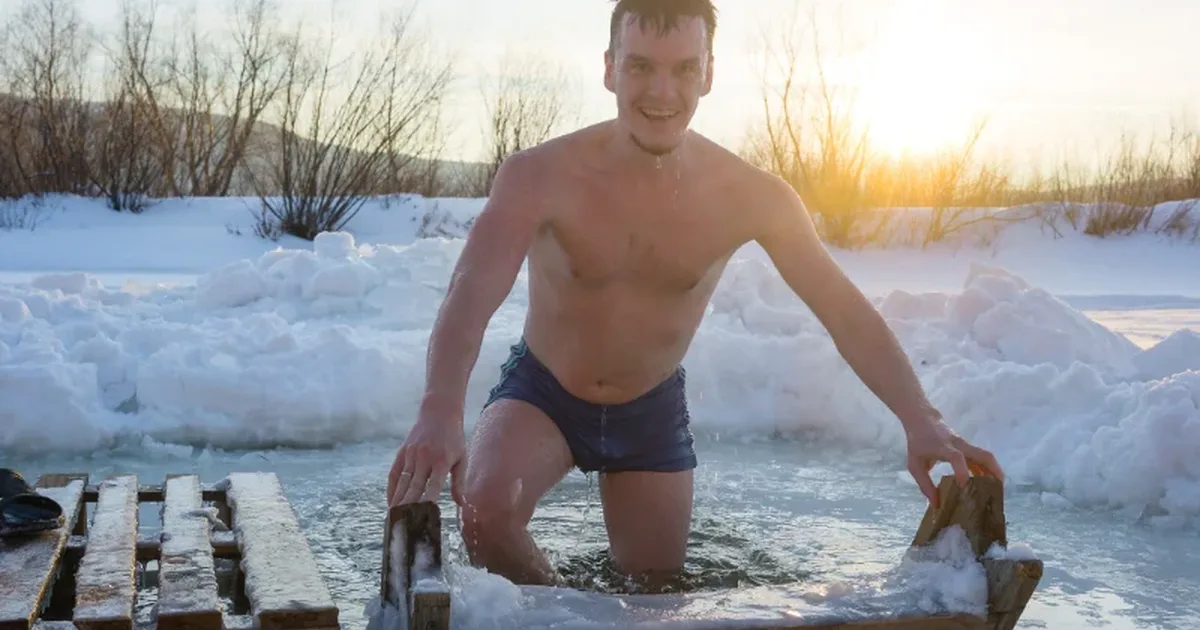
Cold water therapy is not a wellness trend that sprung up on Instagram last year. People have been submerging themselves in cold rivers, ice-fed lakes, and stone baths for thousands of years, across cultures that had nothing to do with each other. What's new is the science catching up to the practice, and a booming industry of professional ice bath facilities, cold plunge spas, contrast therapy studios, and recovery wellness centers making it accessible to anyone who doesn't happen to live next to a glacial stream. More people than ever are skipping the foam roller and the protein shake and heading straight to a cold immersion center after a hard workout, and honestly, the data on why is pretty hard to argue with.
This article covers what actually happens to your body during cold immersion, the physical and mental benefits that keep people coming back, what a real visit to a professional cold plunge facility looks like, and some hard numbers on just how fast this industry is growing. If you've been curious but hesitant, or if you're already a regular and want to understand more of the why behind the shiver, this is worth reading through.
What Is Cold Water Therapy? The Science Behind the Shiver
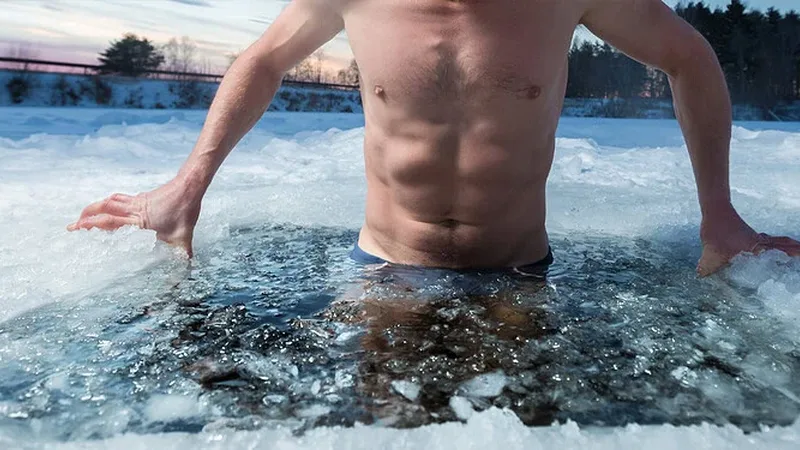
When you step into cold water, your body does not just feel cold. It goes into a cascade of physiological responses that are actually pretty remarkable. Blood vessels near the skin's surface constrict almost immediately, a process called vasoconstriction. Blood gets redirected toward your core to protect your vital organs. Your heart rate shifts, your breathing changes, and your adrenal glands start pumping out norepinephrine, a neurotransmitter and hormone that plays a big role in alertness, mood, and inflammation control. Norepinephrine levels can increase by 200 to 300 percent during a cold plunge, which goes a long way toward explaining why people step out of these sessions feeling oddly sharp and awake even if they went in exhausted.
Inflammation drops because cold slows cellular metabolism and reduces the movement of inflammatory mediators to damaged tissue. That's the same basic reason you put ice on a sprained ankle. A full-body cold immersion just applies that principle across your entire muscular and vascular system at once, which is why athletes have been using ice baths for decades before the wellness world picked it up.
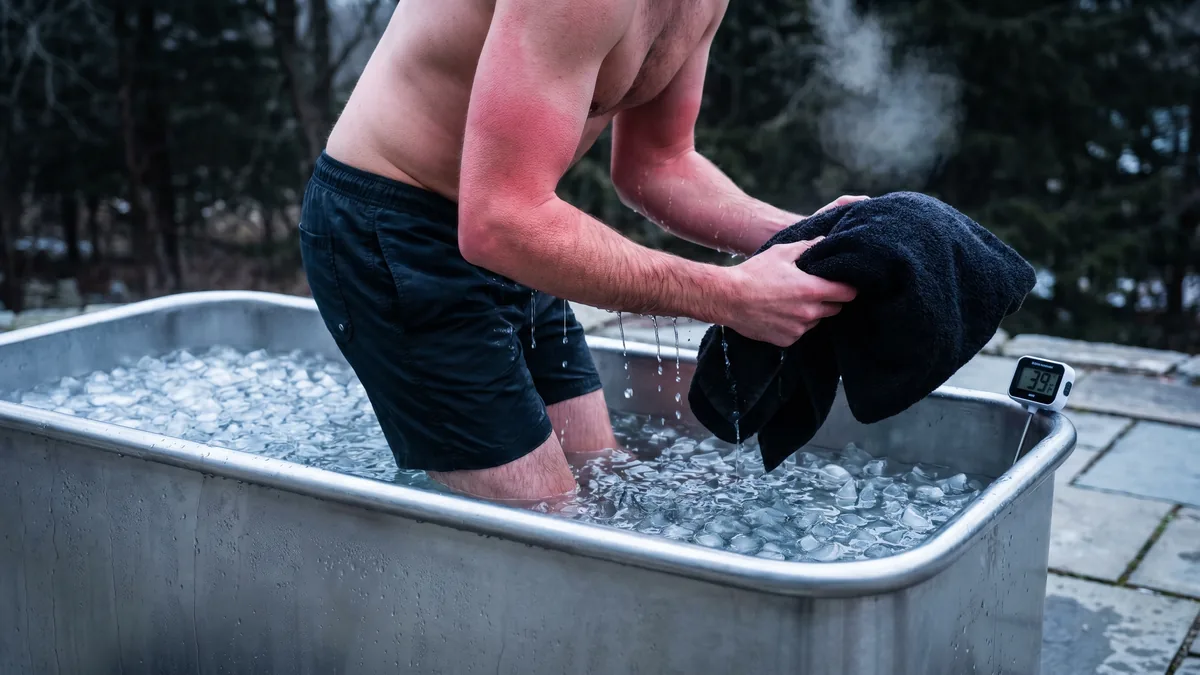
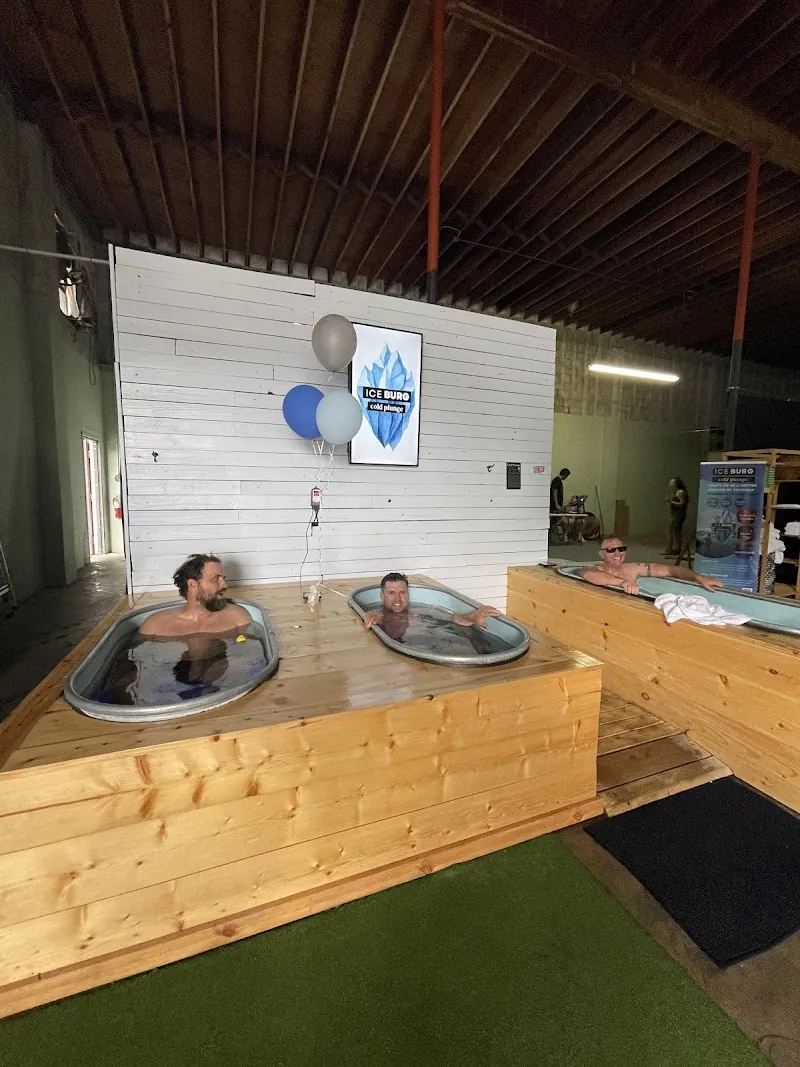
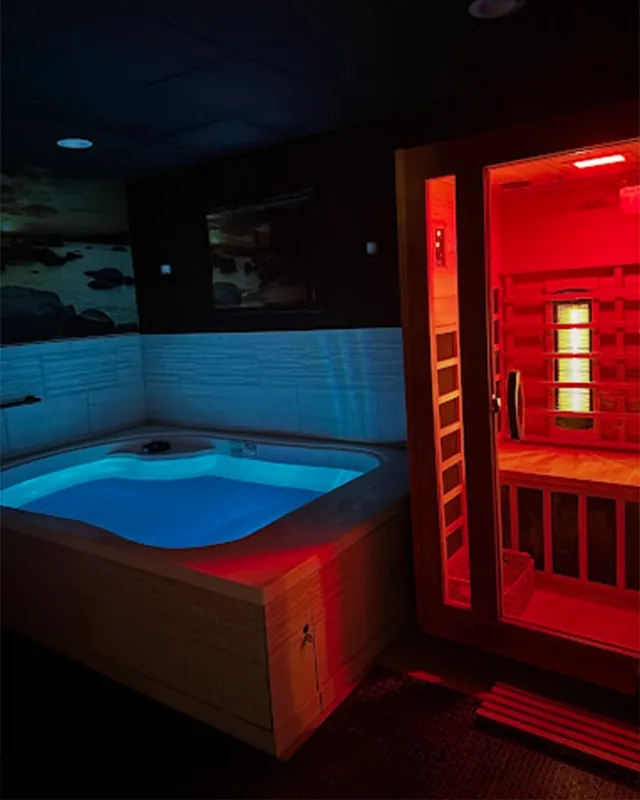
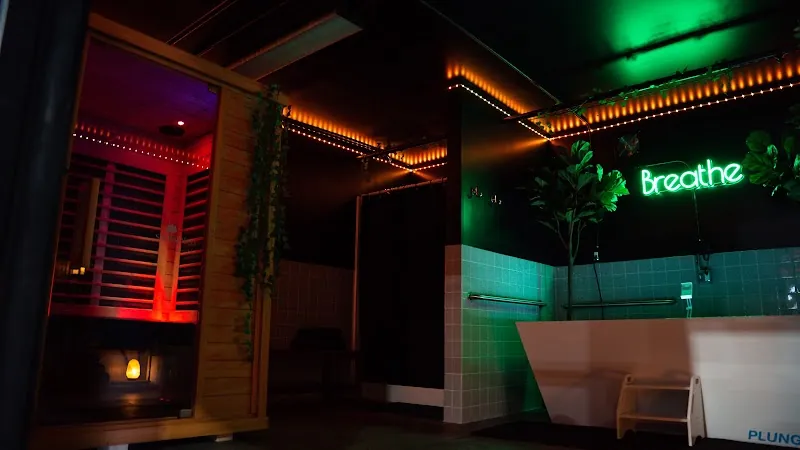
Professional cold plunge facilities offer this experience in a few different formats. Basic ice baths are exactly what they sound like: a tub, very cold water, and you. Plunge pool spas tend to offer purpose-built pools that are temperature-controlled to precise levels, usually somewhere between 39 and 59 degrees Fahrenheit depending on the protocol. Contrast therapy studios go back and forth between heat and cold, cycling a person through infrared saunas or steam rooms and then cold plunge pools in timed intervals. Some cryotherapy studios offer whole-body cryotherapy as an alternative, where you stand in a chamber filled with nitrogen-cooled air rather than water, though the physiological effects are somewhat different and the research base is thinner.
Cold showers are not the same thing. A cold shower at home runs around 60 degrees on a good day, and you can instinctively turn away from the spray, adjust the temperature, or step out in thirty seconds. At a proper cold immersion center, the water temperature is consistent, monitored, and documented. Staff are trained to guide you through breathwork, watch for signs of distress, and help you push through the first ninety seconds, which is almost universally the hardest part. That structured environment is genuinely what makes the difference for most people who've tried cold showers and given up.
Norepinephrine released during cold immersion doesn't just improve mood. It's also a potent anti-inflammatory agent, which is part of why consistent cold plunge sessions can have compounding benefits over weeks rather than just immediate post-session relief.
The Physical Benefits: More Than Just Sore Muscle Relief
Muscle recovery is the obvious one. Cold water immersion after intense exercise reduces delayed onset muscle soreness, the deep ache that sets in 24 to 48 hours after a hard session. A meta-analysis published in the Journal of Physiology found that cold water immersion significantly reduced muscle soreness compared to passive recovery, and that effect held across multiple types of exercise. That's why you'll find cold plunge facilities clustered near CrossFit gyms, running clubs, and sports training centers. Athletes figured this out through trial and error long before academic papers confirmed it.
But sore muscles are only part of the story. Regular cold immersion appears to support circulatory health in ways that go beyond the immediate vasoconstriction response. When you get out of a plunge pool, blood vessels dilate again to rewarm the body, a process called vasodilation. Done consistently, this repeated constriction and dilation acts almost like a workout for your vascular system, improving blood vessel elasticity and circulation over time. Some practitioners compare it to cardiovascular exercise for your veins, which is a bit of an oversimplification, but the core idea holds up.
Lymphatic drainage is another benefit that doesn't get talked about enough. Your lymphatic system doesn't have a pump the way your circulatory system has your heart. It relies on muscle movement and, it turns out, temperature changes to keep fluid moving. Cold immersion causes muscular contractions that help push lymph fluid through the system, supporting immune function and reducing swelling in a way that complements the anti-inflammatory effects of norepinephrine release.
Then there's metabolism. Cold exposure activates brown adipose tissue, a type of fat that actually burns calories to generate heat rather than storing energy the way white fat does. Adults have small deposits of brown adipose tissue, mostly around the neck and collarbone, and cold exposure appears to both activate existing deposits and potentially stimulate the conversion of some white fat to a more metabolically active form. This is not a weight loss shortcut. A single cold plunge session isn't going to burn meaningful calories on its own. But as part of a consistent routine at a recovery wellness center, the metabolic effects can add up and complement other health practices.
Honestly, the cumulative effect of all these physical benefits is probably what keeps people subscribed to cold plunge facilities month after month. It's not one dramatic result. It's sleeping better, recovering faster, getting sick less often, and feeling sharper during the day. That combination is hard to get from a single supplement or workout change.
Mental Health and Cognitive Benefits: The Part Nobody Talks About Enough
Cold immersion is a mental experience as much as a physical one, and the neurochemistry behind it is genuinely interesting. Beyond norepinephrine, cold exposure triggers a release of endorphins, which are the same chemicals associated with a runner's high. Dopamine levels also spike significantly after a cold plunge, and unlike the dopamine hit from checking your phone or eating sugar, this one doesn't crash immediately. Some research suggests dopamine remains elevated for several hours after cold immersion, which explains the consistent reports of improved mood, motivation, and mental clarity that people describe after visiting a cold water therapy center.
Stress resilience is a bigger benefit than most people expect going in. Controlled discomfort is, at its core, a form of stress inoculation. When you sit in 50-degree water and choose not to get out, you're training your nervous system to tolerate discomfort without panicking. Your body triggers a stress response, cortisol and adrenaline rise, your breathing gets difficult, and you actively work to stay calm and in control. Over time, repeated exposure to this kind of managed stress seems to lower the baseline reactivity of the nervous system, meaning everyday stressors feel smaller because your system has practiced handling bigger ones. Regular visitors to cold immersion centers often report this effect after just a few weeks of consistent sessions.
Sleep quality is the one that tends to surprise people the most. Cold exposure in the afternoon or early evening appears to support the body's natural temperature drop that signals it's time to sleep. Core body temperature has to fall slightly to initiate deep sleep, and a cold plunge hours before bed seems to help that process along rather than disrupt it. Several small studies have linked regular cold water immersion to reduced sleep onset time and better deep sleep duration, and the anecdotal reports from regular cold plunge facility clients echo those findings pretty consistently.
There's also growing research connecting cold water therapy to reduced symptoms of depression, particularly the type associated with low dopamine and norepinephrine activity. One study out of the UK found that open water swimming, which triggers similar cold immersion responses, led to measurable reductions in depression symptoms over a twelve-week period. A structured cryotherapy studio or cold plunge facility offers a safer, year-round version of that same exposure without requiring anyone to wade into a lake in February.
Many cold plunge facilities now pair sessions with guided breathwork instruction, often based on methods popularized by Wim Hof. Controlled breathing genuinely helps manage the initial shock response and extends the time you can comfortably stay in the water. If a facility you're considering doesn't offer any guidance on this, that's worth asking about before your first session.
What a Real Visit to a Cold Plunge Facility Actually Looks Like
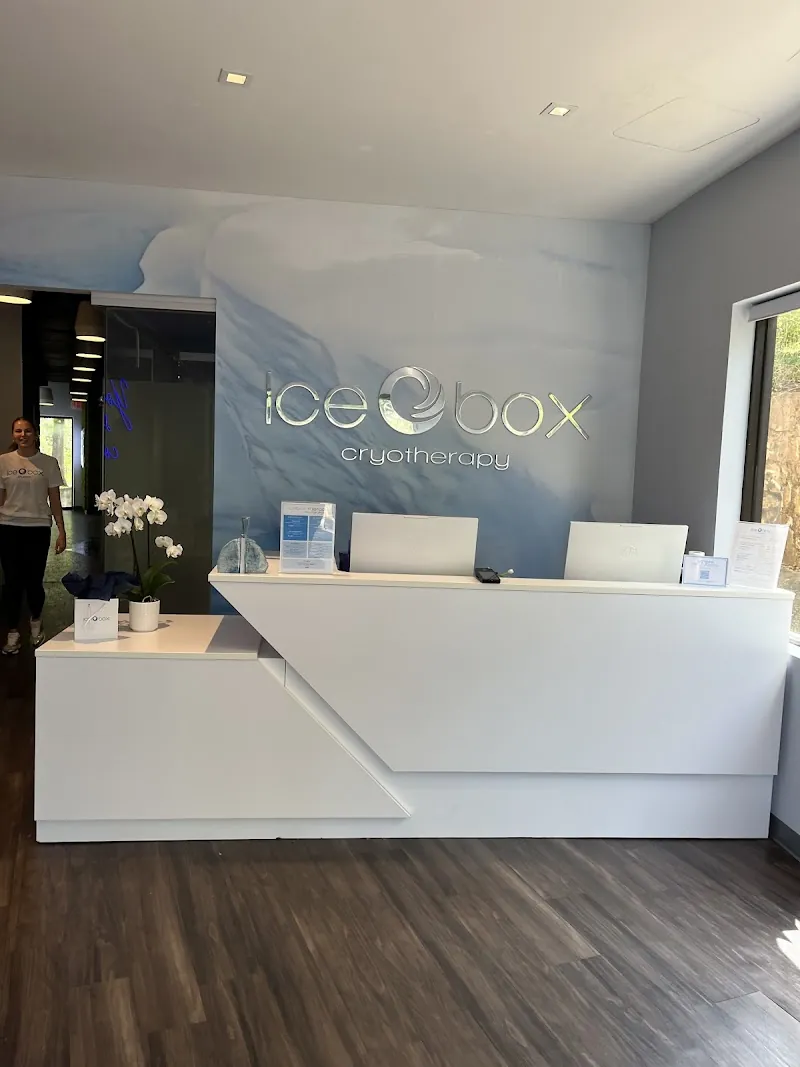
Walking into one for the first time, the vibe is usually closer to a high-end spa than a gym locker room. Most professional cold immersion centers have a clean, calm aesthetic, soft lighting, and staff who seem genuinely invested in making the experience approachable rather than intimidating. First visits typically start with a short intake process where staff ask about health conditions, medications, and experience level. Cold water immersion isn't appropriate for everyone, particularly people with certain heart conditions, and reputable facilities screen for that upfront.
Preparation usually involves a brief orientation on breathing techniques and what to expect during the plunge. You're not just going to be thrown into a tub and left there. Staff at a good cold plunge facility will walk you through pacing your breath, keeping your body still rather than thrashing (movement pulls more cold water against the skin and accelerates heat loss), and focusing on a fixed point to stay mentally grounded. That guidance makes a real difference, especially in the first two or three sessions before your body adapts to the initial shock.
Session duration varies by experience level and facility protocol. Most places recommend three to five minutes for beginners, with experienced users sometimes staying in for ten to fifteen minutes. Water temperature typically runs between 50 and 59 degrees Fahrenheit for standard sessions, with more advanced options dipping into the low 40s. After the cold portion, many contrast therapy studios direct you to a sauna, hot tub, or heated room to rewarm gradually. That contrast cycle, cold to hot and back, is actually where a lot of the circulatory benefits are amplified, because you're actively cycling between vasoconstriction and vasodilation in a controlled way.
Most plunge pool spas and recovery wellness centers ask you to wear a swimsuit. Some people bring their own, some facilities have rentals or loaners. Towels are almost always provided. You don't need to bring much. A water bottle, something warm to put on after, and a willingness to be briefly uncomfortable are really the only requirements.
Frequency matters more than duration for most people. Two to three sessions per week appears to be a sweet spot for building the adaptive benefits over time. Daily cold plunging is fine for most healthy adults, but the returns diminish compared to consistent twice-weekly visits, so don't feel pressure to go every day. Some people visit their local cold water therapy center once a week and still see meaningful benefits; they just accumulate more slowly.
One thing worth mentioning: if you're planning to keep up a cold plunge habit, your grocery budget might shift a little. Recovery-focused nutrition matters alongside cold therapy, and eating well doesn't have to be expensive. Stores like those listed in this salvage grocery store directory can be surprisingly useful for finding quality food at lower prices, especially if you're stocking up on things like protein, produce, and recovery-focused staples.
Cold Water Therapy by the Numbers: A Growing Industry
The numbers here tell a clear story. There are currently 1,934 cold plunge and ice bath businesses listed in our directory, reflecting just how fast professional cold immersion has moved from niche athletic recovery tool to mainstream wellness service. Five years ago you'd have had to be near a major metropolitan area or a professional sports training facility to find a dedicated cryotherapy studio or cold plunge facility. Now they're in mid-sized cities, smaller markets, and suburban areas across the country.
Average customer rating across all listed facilities sits at 4.9 stars. That's not a fluke. People who visit cold plunge facilities tend to become genuinely enthusiastic about them, which is partly a neurochemical reality (that dopamine release is real) and partly because the results are tangible enough to notice within a few weeks.
The top cities by listing count tell an interesting story about geographic spread. New York leads with 30 listings, which makes sense for a city that size. But Anchorage, Alaska has 25 listings, which is striking given its population. Anchorage residents have outdoor cold exposure practically year-round, and yet there's still massive demand for professional cold immersion centers that offer controlled, consistent temperatures and guided sessions. Omaha comes in at 20 listings, Las Vegas and Albuquerque each at 19. That distribution suggests this isn't a coastal wellness fad. It's reached genuinely diverse markets across different climates and demographics.
| Business Name | Location | Rating | Reviews |
|---|---|---|---|
| Rock and Armor | Meridian, ID | 5.0 ★ | 1,448 |
| Pain Center of Rhode Island | Cranston, RI | 5.0 ★ | 1,207 |
| Fire & Ice Wellness | Bristol, England | 5.0 ★ | 1,199 |
| Next Health | New York, NY | 5.0 ★ | 1,142 |
| Remède IV Therapy + Aesthetics | Jackson, WY | 5.0 ★ | 948 |
Rock and Armor in Meridian, Idaho is worth calling out specifically. Nearly 1,500 reviews at a perfect five-star rating is an extraordinary result for any wellness business, and it's not a major metro area. That kind of volume of happy customers in a mid-sized Idaho city says something real about how much demand exists outside the obvious markets. Fire & Ice Wellness in Bristol, England appearing in this data is also interesting, a reminder that cold water therapy's growth is not just an American phenomenon.
How to Choose the Right Cold Plunge Facility Near You
Not all cold plunge facilities are equal, and a few things separate the good ones from the ones you'll regret visiting.
Staff training is the first thing to check. A proper cold water therapy center should have staff who can explain the physiological basics, guide breathwork, and recognize signs of hypothermia or cardiovascular distress. If you walk in and nobody can answer a basic question about water temperature protocol or session safety, walk back out. This isn't alarmist; cold immersion carries real physiological risks for people with certain conditions, and you want people around who know what they're doing.
Hygiene matters enormously in shared plunge pools. Ask about water filtration, sanitization cycles, and how often water is changed. Quality cold immersion centers treat their pools with the same care as commercial swimming pools. Some use UV filtration, ozone systems, or strict chemical balancing protocols. If a facility is cagey about their water treatment practices, that's a red flag.
Temperature consistency is another differentiator. A plunge pool that fluctuates between sessions isn't delivering a reliable therapeutic experience. Good cold plunge facilities monitor and log water temperatures throughout the day and can tell you what temperature you'll be plunging into before you get there. That kind of operational attention usually reflects well on the rest of how they run things.
Reviews are your friend, but look at volume as well as score. A 5.0 rating on 12 reviews means less than a 4.8 on 800 reviews. Check for patterns in feedback, not just