Unlocking the Benefits of Cold Plunge Therapy: Insights from Joe Rogan
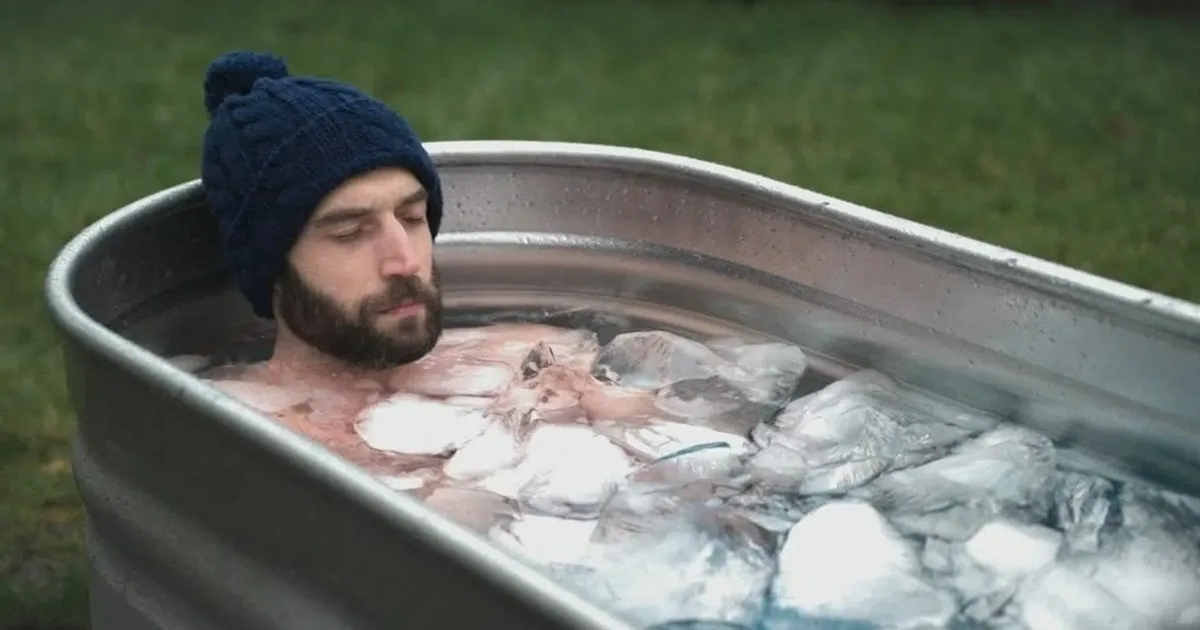
Cold Water Is Having a Moment, and It's Not Going Away
Most people assume cold plunge therapy is a fringe habit for extreme athletes or tech bros chasing biohacks. That framing misses the bigger picture entirely. Cold water immersion has been practiced for thousands of years, endorsed by serious research institutions, and right now it is growing into one of the fastest-expanding wellness sectors in the country. There are currently 1,934 cold plunge and ice bath facilities listed across major U.S. cities, and they carry an average customer rating of 4.9 stars, which is almost absurdly high for any service industry. People are not just trying this once. They are coming back, repeatedly, and telling everyone they know about it.
A lot of that cultural momentum traces back to one very loud voice: Joe Rogan. His podcast, The Joe Rogan Experience, reaches tens of millions of listeners, and over the past several years he has talked about cold plunge therapy with the kind of genuine enthusiasm that money can't manufacture. He's had scientists on the show, tried different protocols on himself, and described the experience in vivid, unfiltered detail. Whether or not you agree with everything Rogan says about health and wellness, his impact on the cold immersion center industry is measurable and real. Searches for "cold plunge near me" have grown dramatically year over year, and new cryotherapy studios are opening in cities from Anchorage to Albuquerque to meet the demand.
This article covers what cold plunge therapy actually is, what Rogan and the scientists he platforms have said about it, what the research supports, and how to find a qualified cold plunge facility or recovery wellness center near you. There's also real data on which cities have the most options and which businesses are earning the best reviews.
What Cold Plunge Therapy Actually Is (and What It Isn't)
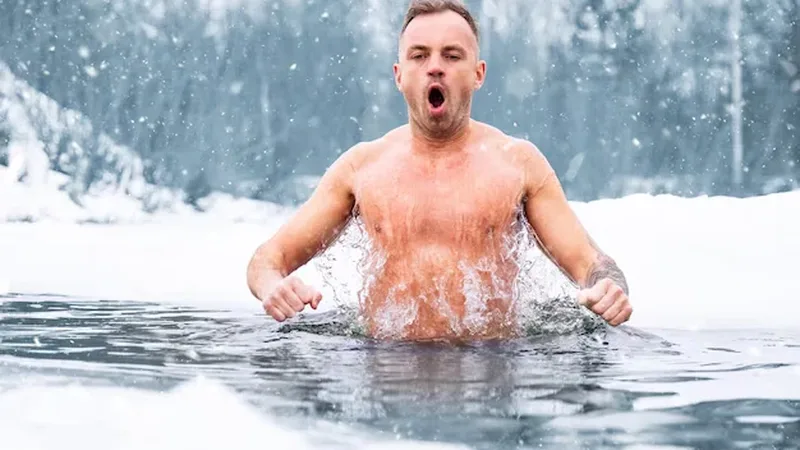
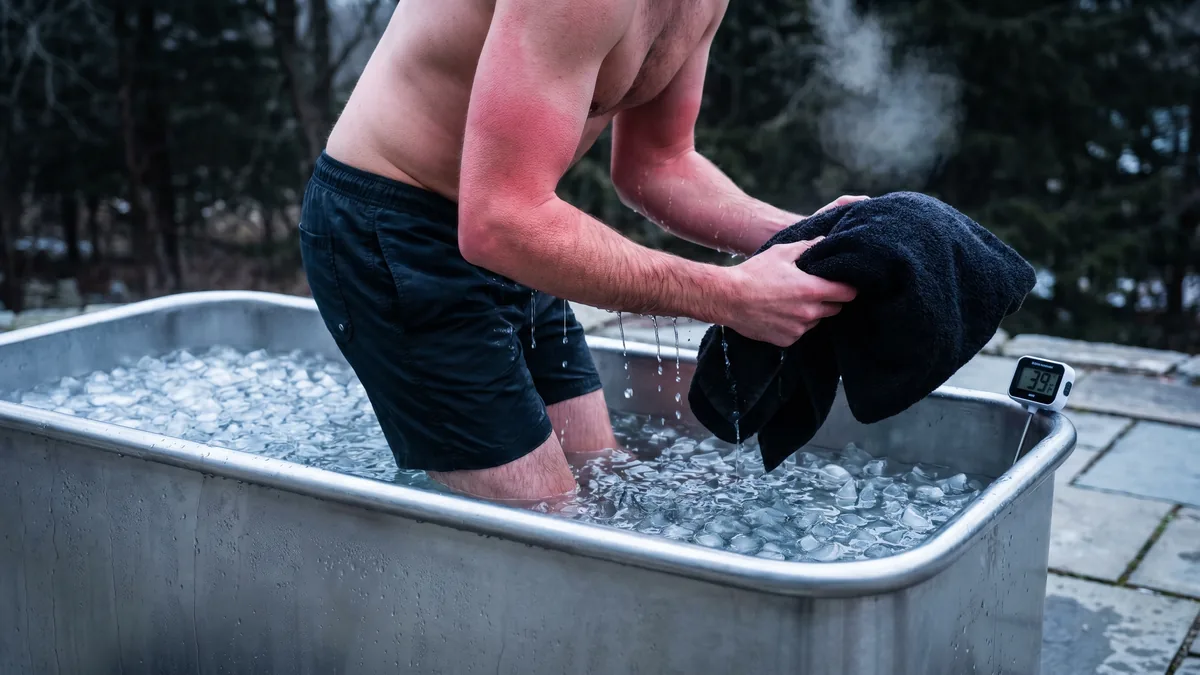
Cold plunge therapy, at its core, is deliberate immersion in cold water, typically between 39°F and 59°F, for a controlled period of time. That's it. No complicated equipment required, no special certification needed on your end as a user. You get in, you stay in, you get out. But the experience inside that temperature range is something else entirely. Your skin goes electric, your chest tightens, your brain screams at you to get out immediately. Most people describe the first thirty seconds as the hardest part, and they're right.
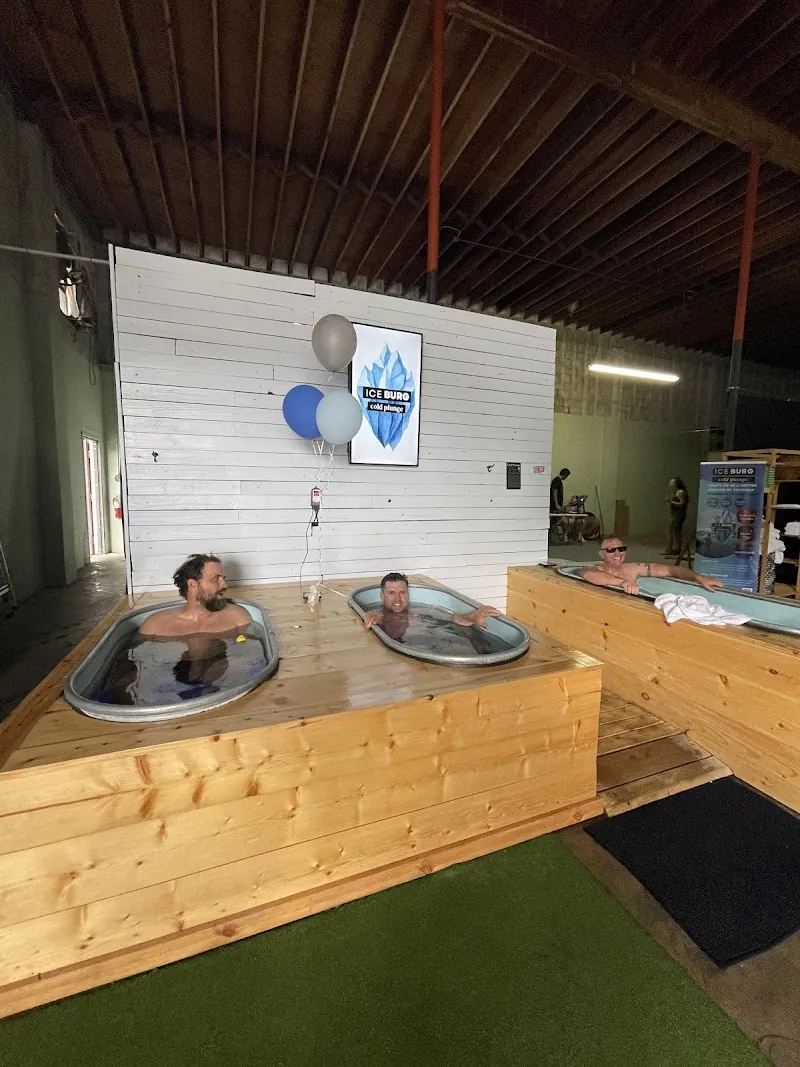
Walking into a plunge pool spa for the first time, you might be surprised by how clinical it feels. Not in a bad way, more like a very clean, slightly chilly athletic facility where people actually know what they're talking about.
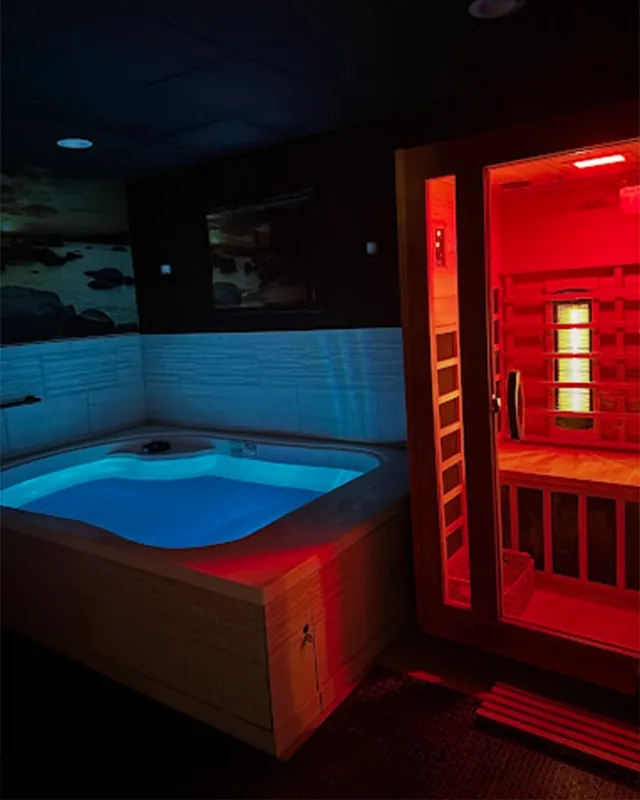
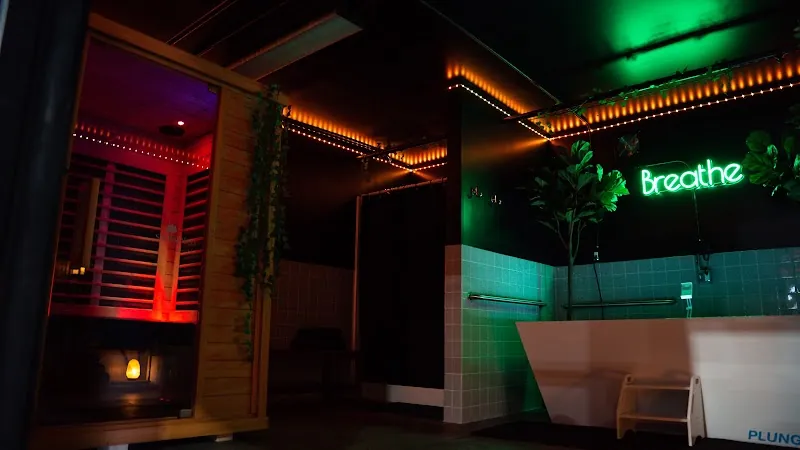
Formats vary quite a bit depending on where you go. A standalone ice bath facility might offer simple tubs filled with temperature-controlled water, nothing fancy but highly effective. Cold plunge pools are often larger, sometimes shared, and maintained at specific temperatures by the facility. Contrast therapy studios offer the full alternating experience: hot sauna or steam room followed by cold immersion, repeated in cycles. This hot-cold cycling is what a lot of serious practitioners swear by, and it's backed by research on vascular response and circulation. Then there are full cryotherapy sessions at a cryotherapy studio or cryotherapy spa, where you step into a chamber cooled with nitrogen vapor rather than water. Cryo chambers feel different from water immersion, colder in a drier way, and sessions are typically shorter (two to three minutes). Both methods have their advocates.
Historically, cold water therapy is not new at all. Ancient Greeks used cold baths medicinally. Scandinavian sauna traditions have always included rolling in snow or jumping into frozen lakes. Nineteenth-century European physicians prescribed cold water immersion for everything from fever to depression. What's changed is the infrastructure around it. Modern cold water therapy centers bring temperature precision, trained staff, and clean facilities to a practice that used to require a frozen pond or a lot of ice and a bathtub.
39°F–50°F: Intense cold, typically used by experienced practitioners for shorter durations (1-3 minutes). 50°F–59°F: More accessible for beginners, still highly effective, often recommended for sessions of 5-10 minutes. Always check with a qualified cold plunge facility on what protocol fits your experience level and health status.
Joe Rogan on Cold Plunging: The Protocols, the People He's Talked To, and Why Any of This Matters
Rogan has been talking about cold therapy on his podcast for years, but the conversations got notably more detailed and science-forward once he started regularly featuring researchers like Dr. Andrew Huberman and Dr. Rhonda Patrick. These aren't casual wellness influencers. Huberman runs a neuroscience lab at Stanford. Patrick holds a PhD in biomedical science and has published peer-reviewed research. When they describe specific mechanisms and protocols on a podcast with 11 million listeners per episode, people pay attention in a different way than they do for typical fitness content.
Rogan has described his own practice as daily cold plunges, typically targeting water temperatures in the low 40s Fahrenheit, and staying in for several minutes at a time. He combines this with sauna use, alternating between the two in what a contrast therapy studio would recognize immediately as a classic protocol. He's talked about doing sauna first, then cold, and cycling through multiple rounds. The specific cadence he's described on various episodes goes something like: sauna at 180–200°F for around 20 minutes, followed by cold plunge for 5-10 minutes, repeated two to three times. That's a serious session by any standard.
What gets cited most often from his conversations with Huberman is the norepinephrine response. Huberman has explained on the JRE and on his own podcast that cold water immersion triggers a large and lasting spike in norepinephrine, a neurotransmitter and hormone tied to mood, focus, and alertness. The spike can be 200-300% above baseline, and it lasts for several hours after you get out of the water. Rogan has called this one of the most powerful legal ways to change your brain chemistry quickly, and honestly, based on the science, he's not wrong about that specific claim.
And here is something worth thinking about: Rogan's reach means that a huge portion of the people now walking into their first cold immersion center are not athletes or researchers. They are regular people who heard a podcast episode and got curious. That's actually a good thing for the industry and probably for public health, because the barriers to trying cold therapy at a proper facility are low, the experience is supervised, and the reviews suggest people leave satisfied. A 4.9-star average across 1,934 businesses does not happen by accident.
Patrick's contributions to these conversations have focused more on the immune system and inflammation side of things, which we'll cover in the next section. But she has also mentioned cold therapy's potential impact on metabolic health, specifically the activation of brown fat tissue, in ways that have clearly influenced what Rogan emphasizes when he talks about his practice.
What the Research Actually Says About Cold Plunge Benefits
Let's separate the documented science from the enthusiastic speculation, because both exist in this space.
On the physical recovery side, the evidence is genuinely solid. Studies have consistently shown that cold water immersion after intense exercise reduces muscle soreness and perceived fatigue compared to passive recovery. A 2022 review published in sports medicine journals confirmed that athletes using ice bath facilities or cold plunge pools after training reported significantly less delayed onset muscle soreness (DOMS) in the 24-72 hour window post-workout. Improved circulation is another documented effect: the blood vessel constriction and dilation that happens during and after cold immersion essentially gives your vascular system a workout, improving blood flow to peripheral tissues over time.
Immune support is a bit more complicated. Some studies suggest regular cold water exposure increases white blood cell counts and improves immune markers. A famous Dutch study following practitioners of Wim Hof's cold therapy method showed measurable immune system activation. But researchers are careful to note that these effects are probably most pronounced in people who do this consistently over weeks and months, not from a single session at a cryotherapy spa.
In practice, the mental health angle is where things get really interesting. That norepinephrine spike Huberman talks about on JRE is real and documented. Cold water immersion also triggers endorphin release and has been shown to reduce cortisol levels in the hours after a session. A 2018 case study published in BMJ Case Reports described a young woman with major depression who found significant symptom relief through weekly open-water cold swimming, with the researchers proposing the norepinephrine and endorphin response as a likely mechanism. Multiple small trials since have suggested cold water therapy could serve as an adjunct treatment for anxiety and mild-to-moderate depression. These are promising findings, not conclusive proof, and anyone dealing with serious mental health challenges should treat a recovery wellness center as a complement to professional care, not a replacement.
Brown adipose tissue (BAT) activation is the metabolic angle. Unlike regular white fat, brown fat burns calories to generate heat. Cold exposure activates BAT, and some researchers believe regular cold therapy could support metabolic rate and even body composition changes over time. Typically, the effect size in the existing studies is modest, and it probably won't replace exercise and diet as metabolic levers, but it's a real mechanism worth knowing about.
Cold water immersion is contraindicated for people with certain cardiovascular conditions, Raynaud's disease, or cold urticaria. If you have any heart condition or circulatory issue, talk to your doctor before visiting a cold plunge facility or cryotherapy studio. Reputable facilities will ask about your health history before your first session.
The Industry Numbers: Where Cold Plunge Facilities Are Growing and Which Ones Stand Out
Right, so about those 1,934 businesses. That number spans everything from solo-practitioner contrast therapy studios to large multi-service cryotherapy spas with float tanks, infrared saunas, and IV therapy. Cities with high population density and strong fitness culture dominate the rankings, but some of the numbers are surprising.
New York leads with 30 listings, which tracks for a city that size and with that level of health-obsessed professionals willing to pay premium prices. Anchorage, Alaska comes in second with 25 listings, which is genuinely unexpected until you think about it. Alaskans have been doing informal cold water therapy in lakes and rivers for generations. There's a cultural familiarity there that other markets are still building. Omaha has 20 listings, Las Vegas 19, and Albuquerque also 19. As a rule, the spread across these very different cities suggests that demand for ice bath facilities and cold water therapy centers is not limited to coastal wellness markets. It's genuinely nationwide.
Now for the top-rated businesses, because this is where it gets genuinely useful for anyone trying to find a good facility:
| Business Name | Location | Rating | Reviews |
|---|---|---|---|
| Rock and Armor | Meridian, ID | 5.0 ★ | 1,448 |
| Pain Center of Rhode Island | Cranston, RI | 5.0 ★ | 1,207 |
| Fire & Ice Wellness | Bristol, England | 5.0 ★ | 1,199 |
| Next Health | New York, NY | 5.0 ★ | 1,142 |
| Remède IV Therapy + Aesthetics | Jackson Hole, WY | 5.0 ★ | 948 |
Rock and Armor in Meridian, Idaho stands out immediately. 1,448 reviews at a perfect 5.0 is not a fluke. That's a facility that has figured out how to deliver a consistently excellent experience to a very large number of people, in a mid-sized market that most people wouldn't expect to produce the country's most-reviewed cold therapy business. If you're ever in the Boise area, you have to check it out. Pain Center of Rhode Island in Cranston is interesting because it signals that cold therapy is making serious inroads into clinical pain management settings, not just fitness recovery. That crossover is worth watching.
Fire & Ice Wellness in Bristol, England being on this list is a small reminder that the directory has international reach. For what it's worth, Bristol has an incredible wellness and outdoor swimming culture built around the harbor and nearby natural sites, so a highly-rated local cold water therapy center there makes complete sense to anyone who knows the city.
Next Health in New York is the high-end multi-service model done right, and Remède IV Therapy in Jackson Hole is an example of how cold therapy has become part of a broader recovery and aesthetics offering in upscale resort markets. Both are worth bookmarking depending on where you're traveling.
One small practical note: if you're trying to manage costs around your wellness routine, it's worth knowing that some recovery wellness centers sell bundled session packages that can cut the per-visit cost significantly. And if you're building out a home recovery setup to supplement occasional visits to a cold immersion center, buying supplies in bulk, including things like Epsom salts, recovery supplements, or even protein and meal prep staples from budget-friendly sources like salvage grocery stores, can keep the overall lifestyle affordable without sacrificing quality.
How to Find and Evaluate a Cold Plunge Facility Near You
Finding a cold plunge facility or cryotherapy studio is easier than it was five years ago, but not all facilities are equal. Here's what actually matters when you're comparing options.
Temperature control is non-negotiable. A good cold plunge facility will know exactly what temperature their water is running at and will be able to tell you. If staff can't answer that question immediately, walk out. Anything in the 45-55°F range is a solid starting point for most people new to cold water therapy. Facilities that only offer "very cold" as a description are not taking the practice seriously.
Cleanliness matters more than decor. Cold water does inhibit some bacterial growth, but shared plunge pools still require proper sanitation protocols, filtration systems, and regular chemical testing. Ask how often water is changed or treated. A place that seems evasive about this is a red flag regardless of how nice the sauna room looks.
Staff knowledge is the real differentiator. At a legitimate cold therapy studio, someone on staff should be able to walk you through a beginner protocol, explain the breathing techniques that help you stay calm in the water, and tell you who should not be using cold immersion. If they just point you to a tub and leave, that's not the facility you want for your first session.
Pricing varies widely. A single session at a premium cryotherapy spa in Manhattan might run $60-$100. A membership at a smaller local contrast therapy studio in Omaha or Albuquerque might get you unlimited access for $80-$150 per month. For most people who want to build a regular practice, membership pricing wins over drop-in rates almost every time. Do the math before you commit to anything.
Reading reviews is useful, but look specifically for comments about staff, temperature consistency, and cleanliness, not just "great vibes." And with a national average of 4.9 stars across 1,934 businesses, the bar in this industry is genuinely high right now, so there are good options in most markets.
Frequently Asked Questions
How long should a beginner stay in a cold plunge?
Most cold water therapy centers recommend starting with 1-2 minutes for your first session at water temperatures around 50-55°F. You can gradually increase duration over several weeks as your body adapts. Do not try to match the durations you hear Rogan or other experienced practitioners discuss right away. Building tolerance takes time and is actually part of what makes cold therapy effective.
Is cold plunge therapy safe for everyone?
No, it is not appropriate for everyone. People with cardiovascular disease, high blood pressure, Raynaud's disease, cold urticaria, or during pregnancy should consult a doctor before using any cold immersion center or ice bath facility. Most reputable facilities will screen you before your first session for this reason.
What's the difference between a cold plunge and cryotherapy?
Cold plunge therapy uses cold water immersion in a pool or tub, typically for 3-15 minutes. Cryotherapy at a cryotherapy studio uses extremely cold nitrogen vapor in a chamber, with sessions lasting 2-3 minutes. Both trigger cold stress responses in the body, but water immersion is generally considered more intense because water conducts heat away from the body much faster than cold air does.
Can I do cold plunge therapy at home?
Yes, many people use ice baths in regular bathtubs or purchase purpose-built home cold plunge tubs. However, for beginners, starting at a proper cold plunge facility or contrast therapy studio is strongly recommended because trained staff can guide your first sessions safely. Home setups also require consistent temperature monitoring to be effective.
How often should you do cold plunge therapy?
Rogan and Huberman have both discussed daily cold plunging as their practice, but research supports meaningful benefits from 3-4 sessions per week. For general wellness and mood support, even 2-3 sessions weekly at a local recovery wellness center can produce noticeable effects over several weeks of consistent practice.
Does cold plunge therapy help with weight loss?
Indirectly, it might. Cold exposure activates brown adipose tissue, which burns calories to generate heat. But the caloric effect is modest and should not be treated as a primary weight management strategy. Cold therapy works best as part of an overall active lifestyle, not as a standalone fat-loss tool.
Explore Related Directories
The Complete Cold Plunge Guide: Safety, Protocol & Progression
Master cold plunge therapy with safety protocols and progression tips. Ideal for beginners seeking a safe and rewarding cold exposure experience.
Read free preview