Ultimate Guide to Cold Plunging: Health Benefits, Techniques, and Tips for Ice Baths
You Heard Everyone Talking About It. Now You Want to Know If It's Actually Worth It.
Maybe you saw a professional athlete posting a video of themselves grimacing in a tub full of ice. Maybe your gym started offering cold plunge sessions and you've been walking past the sign for three months telling yourself you'll look into it. Or maybe you tried it once, panicked after about fifteen seconds, and now you're wondering if you did it completely wrong. All of that is extremely normal. Cold plunging has gone from a niche recovery tool used by elite athletes to something your neighbor's cousin is doing every Saturday morning at a local recovery wellness center. This guide covers what it actually is, what the research says, how to do it safely, and how to find a good facility near you.
What Is Cold Plunging, and Why Is Everyone Suddenly Doing It?
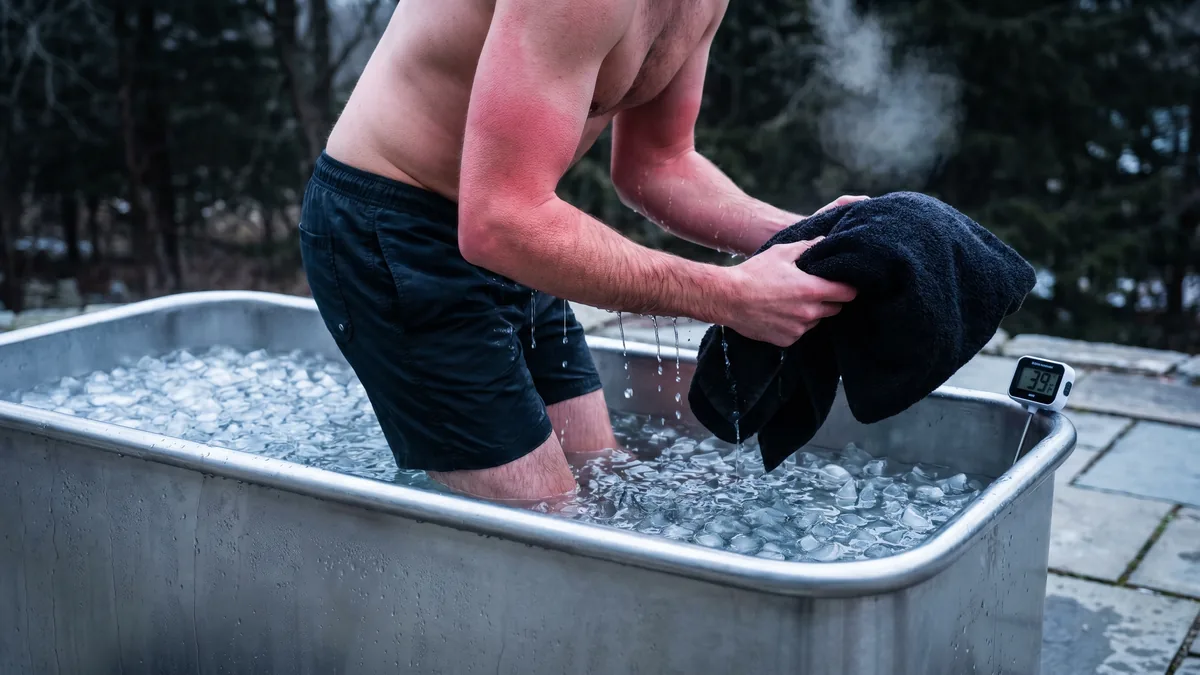
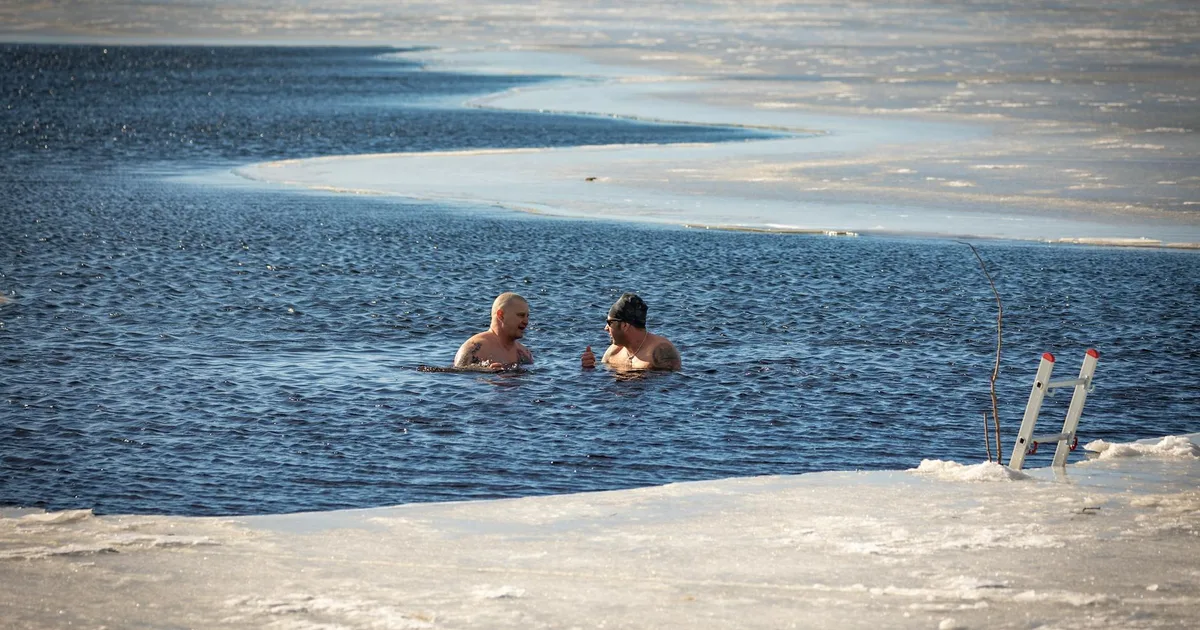
Cold immersion therapy, at its core, is exactly what it sounds like. You get into cold water, usually at 50°F or below, and you stay there for a controlled amount of time. Your body responds immediately, and not gently. Blood vessels constrict, your heart rate spikes, your breathing gets shallow and fast, and your nervous system goes into a kind of managed alert. That's the whole point. You're asking your body to handle a stressor, and over time, it gets better at handling it.
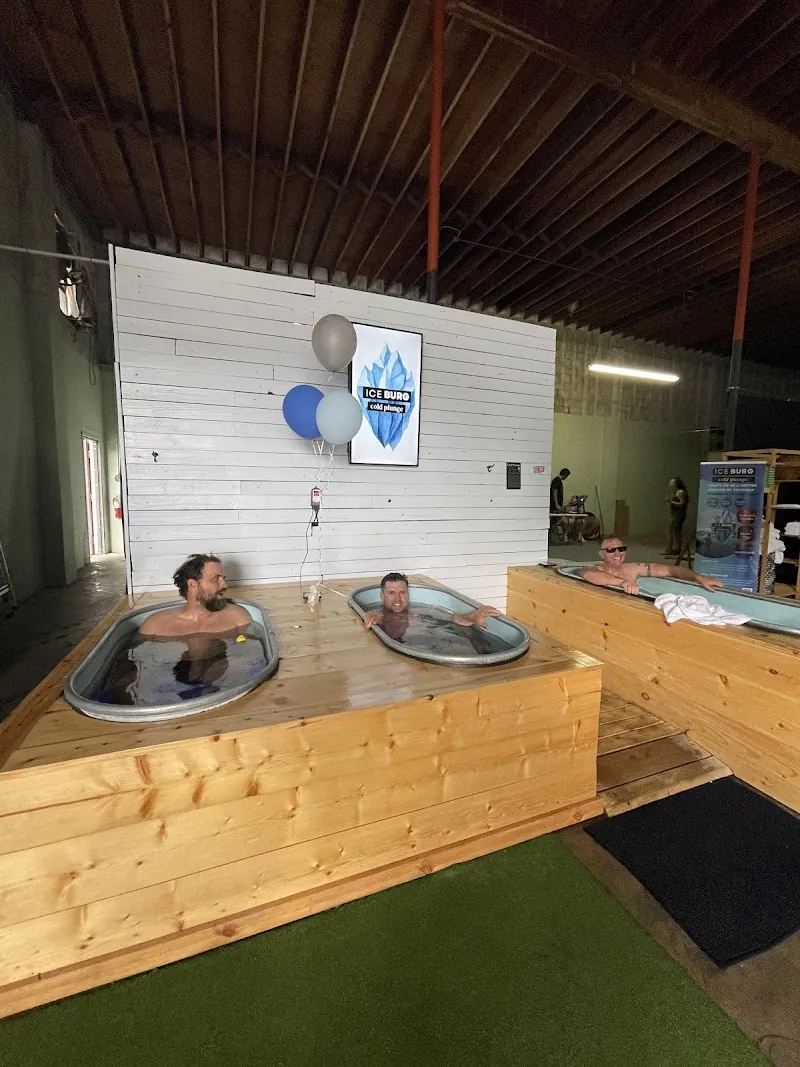
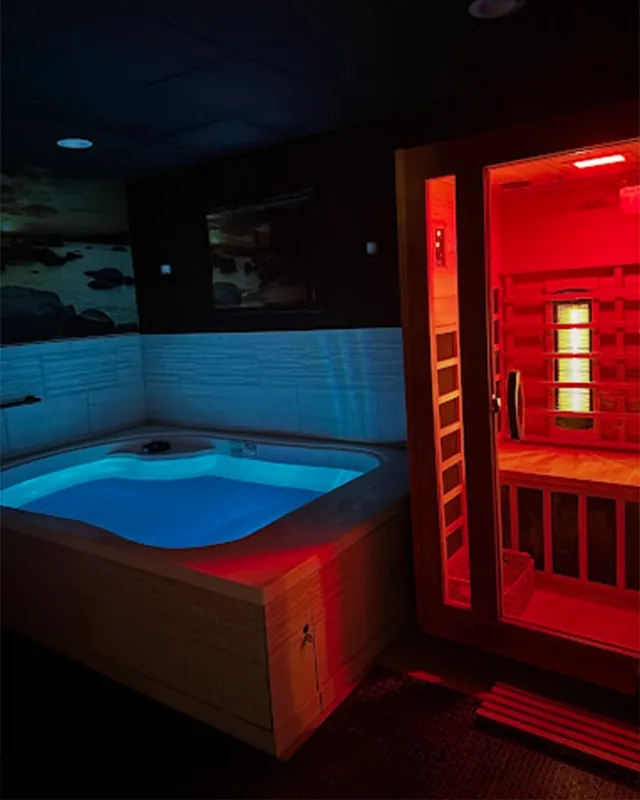
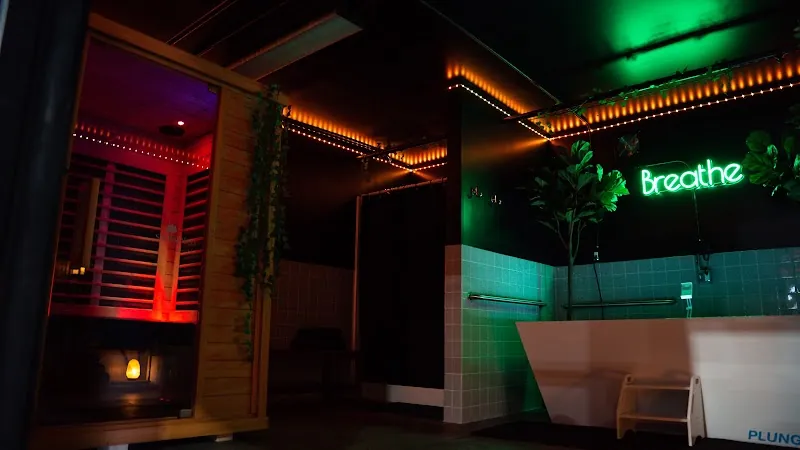
Different types of facilities approach this differently. An ice bath facility typically uses a purpose-built tub or tank filled with ice and water, kept at a precise temperature. A plunge pool spa might have a larger pool format, sometimes with chilled water maintained by commercial refrigeration equipment (no bags of ice from the gas station involved). A cryotherapy studio often uses whole-body cryotherapy chambers that expose you to extremely cold air rather than water, though many of these places also offer traditional water immersion options. And a contrast therapy studio alternates between hot and cold, usually pairing a sauna or steam room with a cold plunge in a structured back-and-forth protocol.
Cold water therapy has roots that go back a very long time. Ancient Romans had cold-water pools called "frigidaria" built directly into their bathhouses. Scandinavian cultures have been jumping into frozen lakes after saunas for centuries. In the 19th century, a Bavarian priest named Sebastian Kneipp popularized cold water treatments as a healing method across Europe. What changed more recently is the science. Researchers started actually measuring what happens to the body during and after cold immersion, and athletes started paying attention to those results.
And now here we are, with 1,934 cold plunge and ice bath businesses listed in the United States alone, and that number keeps growing.
What Cold Plunging Actually Does to Your Body (and Your Brain)
Let's start with the physical side. One of the most well-documented effects of cold immersion is reduced delayed onset muscle soreness, which is that specific misery you feel one to two days after a hard workout. Cold water causes blood vessels to constrict, which helps reduce inflammation and flush out some of the metabolic waste that accumulates in muscles after intense exercise. Studies involving athletes doing repeated cold water immersions after training have shown measurably faster recovery times compared to passive rest. Not dramatic, but real and consistent.
Circulation is another big one. The vasoconstriction and subsequent vasodilation (the opening back up of blood vessels after you warm up) acts almost like a pump for your circulatory system. Many people who visit a cold immersion center regularly report feeling warmer overall after a few weeks of consistent sessions, which sounds paradoxical but makes sense when you understand what's happening to blood flow.
Research supports cold plunging for reduced muscle soreness, faster athletic recovery, improved circulation, and potential boosts to metabolism through brown fat activation. These are not overnight results. Consistent sessions over weeks and months are where people tend to notice real changes.
Metabolically, cold exposure activates something called brown adipose tissue, a type of fat that actually burns calories to generate heat. Most adults have some of it, mostly around the neck and upper back. Cold exposure stimulates it. There's a reasonable amount of research suggesting that regular cold immersion might contribute to modest metabolic improvements over time, though I'd be skeptical of anyone claiming it's a significant weight loss strategy on its own.
Now the mental benefits. This is honestly where a lot of regular cold plungers say they notice the biggest difference in their day-to-day life. Cold exposure triggers a large release of norepinephrine, a neurotransmitter associated with focus and mood regulation. Some studies have documented norepinephrine increases of 200 to 300 percent during cold immersion. Endorphins also spike. The combination produces that almost euphoric feeling a lot of people describe in the minutes after getting out of the water.
Reduced anxiety and improved sleep quality are reported consistently by cold plunge regulars. And there's something else that's harder to quantify but that almost everyone who does this talks about: the feeling of mental resilience that comes from doing something uncomfortable on purpose. Getting into cold water is unpleasant, especially at first. Doing it anyway, breathing through it, staying calm when your body is screaming at you to get out, that kind of thing carries over. People say they handle stressful situations better. I believe them.
Emerging research is also looking at cold therapy's potential role in managing chronic pain and supporting immune function. Some early studies suggest that regular cold exposure may increase white blood cell counts and reduce markers of systemic inflammation. These are promising areas, but the evidence is not yet strong enough to make definitive claims. Anyone with a chronic health condition should talk to their doctor before starting a routine at a cold therapy studio or anywhere else.
How to Actually Do This: A Real Step-by-Step for Beginners
Drink water before you go. That's step one, and it sounds obvious, but a lot of first-timers show up dehydrated because they've been at the gym. Dehydration amplifies the physical stress response to cold, and your first session is already going to feel intense enough without adding that variable.
A light warm-up beforehand, just five to ten minutes of easy movement, helps your body transition more smoothly. You don't want to go in cold (no pun intended) from sitting at a desk all day.
When you get in, do it deliberately and without rushing. Hesitating on the edge while your feet are in and the rest of you isn't is actually harder than just going all the way in. Lower yourself in one smooth motion, keeping your core submerged. Your instinct will be to gasp and breathe fast. That's cold shock response, and it's normal. In practice, the single most important thing you can do in those first thirty seconds is control your breathing. Slow it down. Long exhales. Your nervous system will follow.
For a first session, aim for one to two minutes. That's it. You do not need to hit five or ten minutes your first time to get benefit. A lot of first-timers at an ice bath facility try to push through to some arbitrary number they read online and end up with a miserable experience that puts them off the whole practice. One to two minutes, controlled breathing, calm exit.
Getting out is its own step. Do not stand up too fast. Blood pressure shifts happen quickly after cold exposure, and standing rapidly can cause dizziness. Take your time, sit on the edge, then stand. Dry off and get warm clothes on. Let your body rewarm naturally if possible. A warm shower right away feels amazing but actually short-circuits some of the physiological adaptation you just worked to create. Give it ten to fifteen minutes if you can stand it.
Over the following weeks, you can gradually lower the water temperature and extend session length. A reasonable intermediate progression might look like this: week one and two at 55-60°F for two to three minutes, week three and four at 50-55°F for three to four minutes, and by month two trying to work toward 50°F or below for five to eight minutes. Advanced protocols used by serious athletes can go lower and longer, but most people don't need to go that far to get real benefit.
Contrast therapy, which you'll find at a contrast therapy studio, alternates hot and cold in cycles. A common format is three to four rounds of three minutes hot followed by one minute cold, finishing on cold. Typically, the alternating causes your blood vessels to dilate and constrict repeatedly, which produces stronger circulatory effects than cold alone. A lot of people find contrast sessions easier to handle psychologically than straight cold immersion, because the hot phase gives you something to look forward to.
Start at 55-60°F for 1-2 minutes. Focus on breathing before anything else. Exit slowly. Rewarm naturally when possible. Add time and lower temperature gradually over weeks, not days.
Safety: The Part You Should Actually Read Carefully
Cold shock is real and can be dangerous. When you hit cold water suddenly, your body gasps involuntarily and can breathe in water if your face is submerged. This is why you should never jump headfirst into cold water. It's also why you should never plunge alone, especially as a beginner. Serious cold plunge facilities always have staff present or visible during sessions for exactly this reason.
Signs that you've gone too long: uncontrollable shivering, skin turning blue or gray (not just pale), confusion, slurred speech, extreme fatigue, or difficulty moving your limbs. Those are early signs of hypothermia, and the right response is to exit the water immediately, get warm, and get help if the symptoms don't improve quickly.
Certain groups should consult a physician before visiting a cold water therapy center or cryotherapy spa. This includes anyone with cardiovascular conditions, since cold exposure causes an immediate spike in blood pressure and heart rate. People with Raynaud's disease, where blood vessels in the fingers and toes respond abnormally to cold, should be especially cautious. Anyone with respiratory conditions like asthma may find the cold air and water combination triggers symptoms. Pregnancy is another situation that requires medical guidance before cold immersion.
Don't hyperventilate before a plunge. Some people have read about breath-holding techniques and try to breathe rapidly beforehand to extend their time in the water. This can cause shallow water blackout. It is genuinely dangerous. Breathe normally.
Reputable cold plunge facilities take safety seriously. Good ones will have you fill out a health screening intake form before your first session, maintain precise temperature controls with visible readouts, have trained staff who know how to recognize and respond to cold shock, and post clear session time guidelines. If a facility can't tell you what temperature their water is maintained at, that's a red flag.
Industry Data: Where Cold Plunging Is Growing and Who's Doing It Best
There are currently 1,934 cold plunge and ice bath businesses listed in the United States, which is a striking number for a wellness category that most people hadn't heard of a decade ago. And they're rated well. Really well. As a rule, the average rating across all listed facilities is 4.9 stars, which is about as high as you see in any service category in any directory. Customer satisfaction at these places is clearly high, which tracks with the general enthusiasm you hear from regular cold plungers.
New York leads in total listings with 30, followed by Anchorage at 25, Omaha at 20, and both Las Vegas and Albuquerque at 19 each. The Anchorage number is interesting. Makes sense geographically, but it also says something about how embedded cold water culture already is in places where cold is just... part of life. Omaha showing up that high is a bit of a surprise, honestly. That city has developed a surprisingly active wellness scene.
Top-Rated Cold Plunge Facilities in the Directory
| Business Name | Location | Rating | Reviews |
|---|---|---|---|
| Rock and Armor | Meridian, ID | 5.0 ★ | 1,448 |
| Pain Center of Rhode Island | Cranston, RI | 5.0 ★ | 1,207 |
| Fire & Ice Wellness | Bristol, England | 5.0 ★ | 1,199 |
| Next Health | New York, NY | 5.0 ★ | 1,142 |
| Remède IV Therapy + Aesthetics | Jackson, WY | 5.0 ★ | 948 |
Rock and Armor in Meridian, Idaho tops the list with a perfect 5.0 across 1,448 reviews. That's not a small sample size. A thousand-plus reviews at 5.0 stars means something real is happening there. Pain Center of Rhode Island in Cranston is interesting because it leans into the clinical side of cold therapy, connecting it directly to pain management. Fire and Ice Wellness in Bristol, England rounds out the top three with 1,199 reviews, which is a good reminder that this directory catches some international listings too. Next Health in New York, with 1,142 reviews at 5.0 stars, sits in the most competitive wellness market in the country and still holds a perfect score.
Recovery is a whole economy now. And if you're also working on eating better as part of a broader wellness approach, it might be worth checking out resources like salvage grocery stores, which can help you stretch your food budget while you're also spending on things like plunge sessions and other recovery services.
What the ratings across the board suggest is that when people find a good cold plunge facility, they tend to really like it. This is not a category with a lot of disappointed customers. Cold water therapy centers seem to attract people who do the research, commit to the practice, and get real results.
Frequently Asked Questions About Cold Plunging
How cold does the water actually need to be to get benefits?
Most research on cold immersion uses water between 50°F and 59°F (10-15°C). You will feel significant physiological effects even at 60°F if you're new to it. Colder isn't always better. Consistent sessions at a moderate cold temperature tend to produce more sustainable results than occasional extreme sessions.
How often should I cold plunge?
Most practitioners recommend two to four sessions per week for general wellness benefits. Daily plunging is practiced by some, but research on optimal frequency is still developing. Starting with two sessions per week gives your body time to adapt between sessions.
Should I cold plunge before or after a workout?
After, for recovery purposes. Cold immersion before a workout may blunt performance by reducing muscle temperature and neural activation. Some research also suggests that cold immersion immediately after strength training might slightly reduce muscle protein synthesis, so if you're focused purely on building muscle, waiting a few hours after lifting before plunging may be worth considering.
What's the difference between a cryotherapy studio and a regular ice bath facility?
A cryotherapy studio typically uses a chamber that exposes your body to extremely cold air, usually minus 100 to minus 200 degrees Fahrenheit, for two to four minutes. An ice bath facility uses cold water immersion. Water conducts heat away from the body much more efficiently than air does, so water immersion at 50°F produces a stronger physiological response than air cryotherapy at much lower temperatures. Both have their advocates, and many recovery wellness centers offer both options.
Is cold plunging safe to do at home?
Many people do cold plunging at home using bathtubs with ice or purpose-built home plunge tubs. If you're going to do this, do not do it alone, at least not until you have significant experience. Tell someone in your household what you're doing. Keep your first home sessions short and conservative. A professional cold immersion center is a safer starting point because trained staff are present.