The Ultimate Beginner's Guide to Cold Plunging: Transform Your Health in 10 Seconds
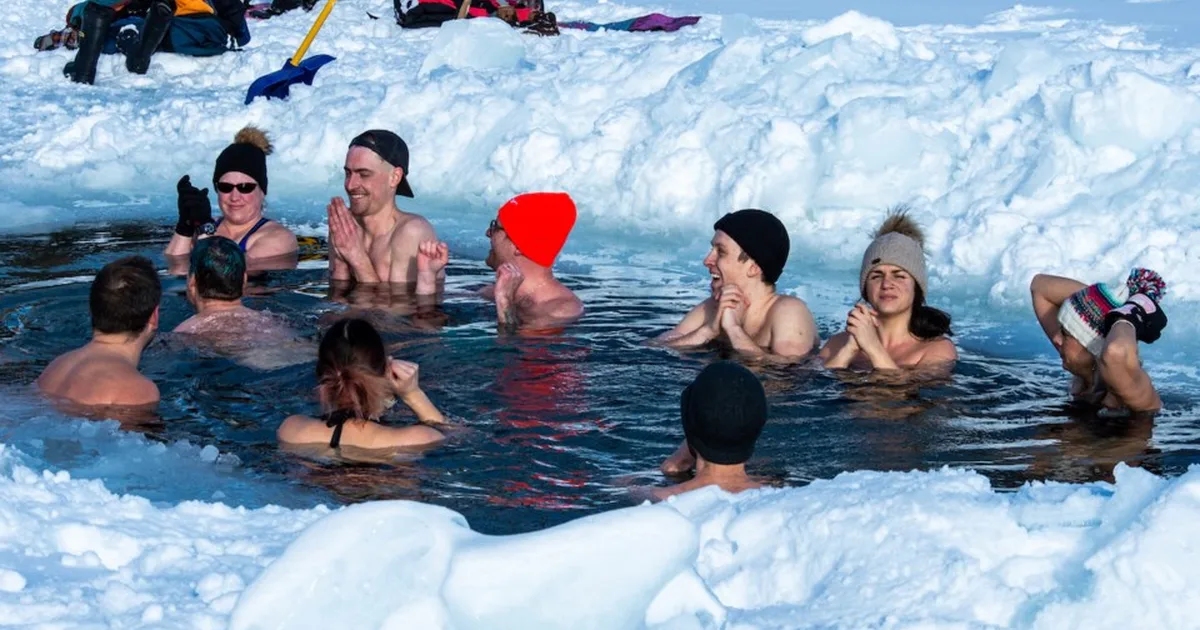
Ever wondered why people willingly jump into freezing cold water? It sounds like a dare, not a wellness routine. But cold plunging has moved way beyond the "crazy athlete" phase and into mainstream recovery culture, and the numbers back that up.
Right now, there are 1,934 cold plunge and ice bath facilities listed across the United States, from big cities to mid-sized towns you might not expect. These places are pulling in people who have never considered cold therapy before, people who are sore from the gym, burned out at the office, or just curious. With an average rating of 4.9 stars across all those listings, something is clearly working. This guide is here to walk you through what cold plunging actually is, what happens to your body, what a real session feels like, and how to find a cold plunge facility near you without guessing.
1. What Cold Plunging Actually Is (And What It Is Not)
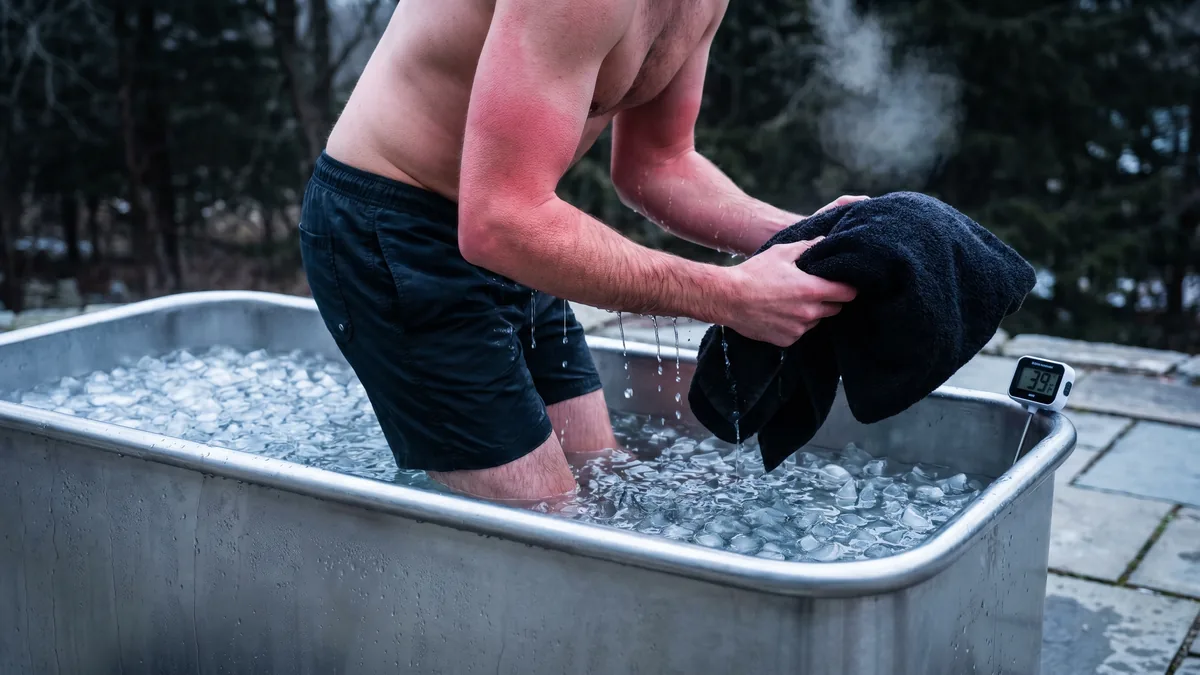
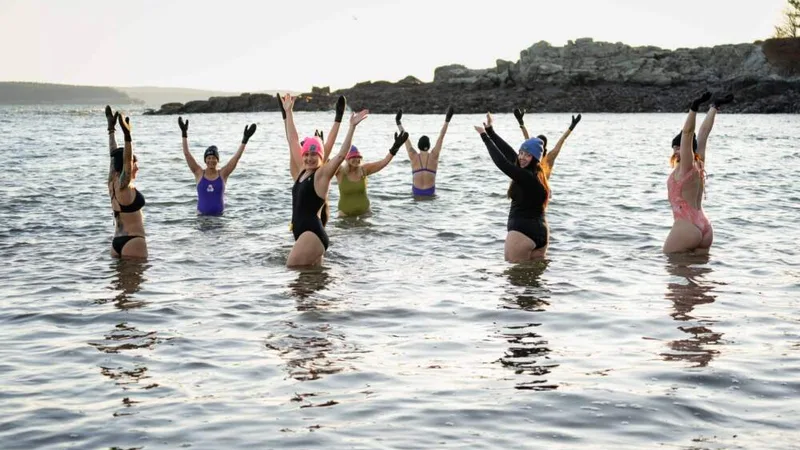
Cold plunging means deliberately getting your body into cold water, usually at 50°F (10°C) or below, for a set period of time. That is it. No special equipment required to understand the concept. You get in, you stay in as long as you can manage, you get out feeling like a different person.
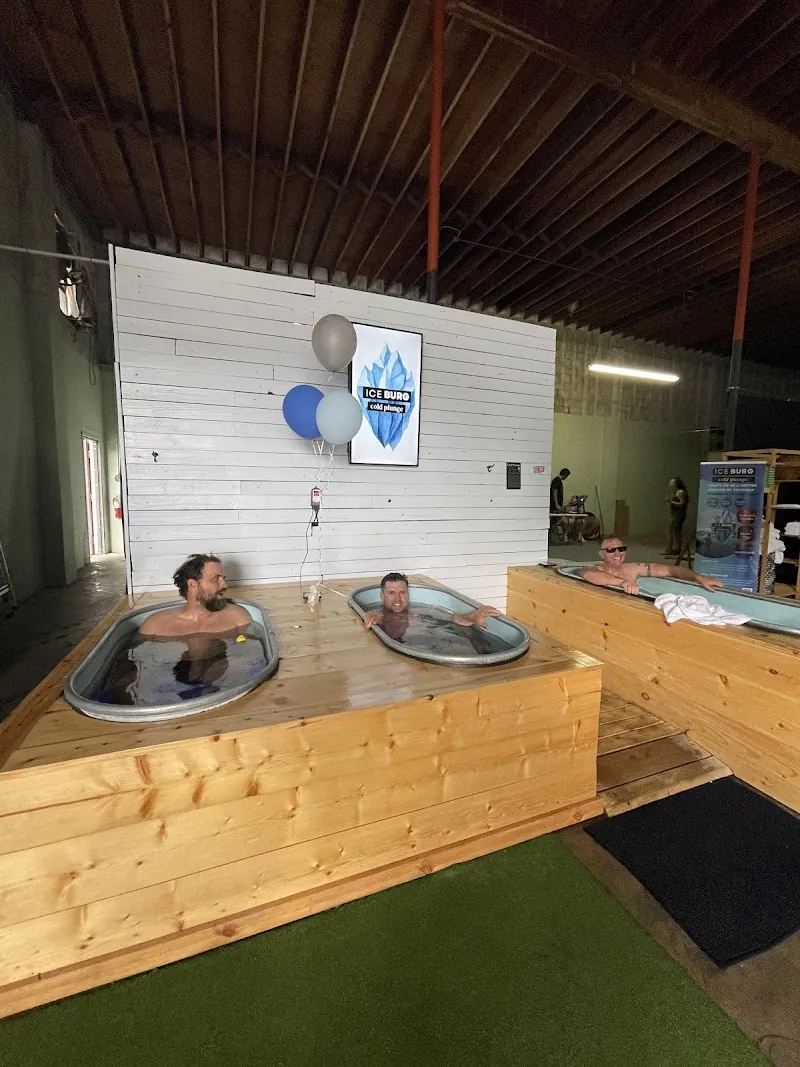
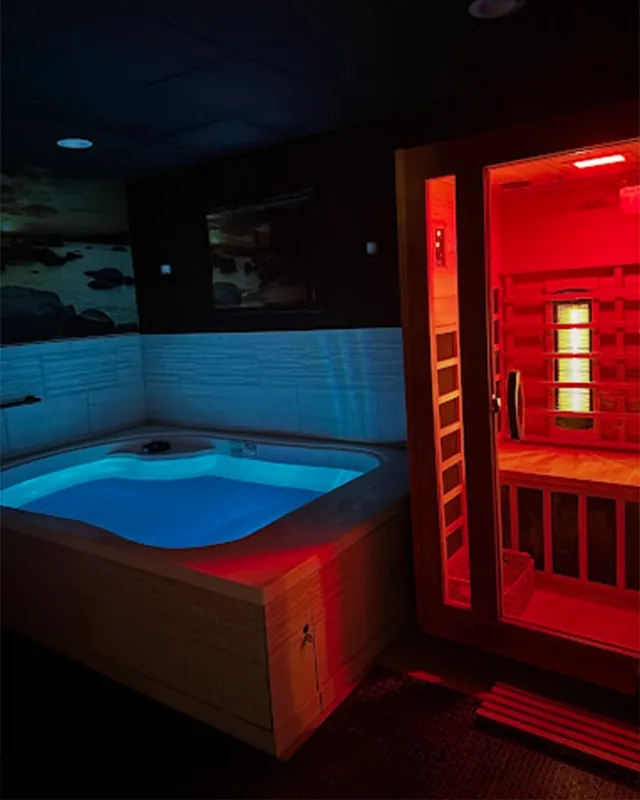
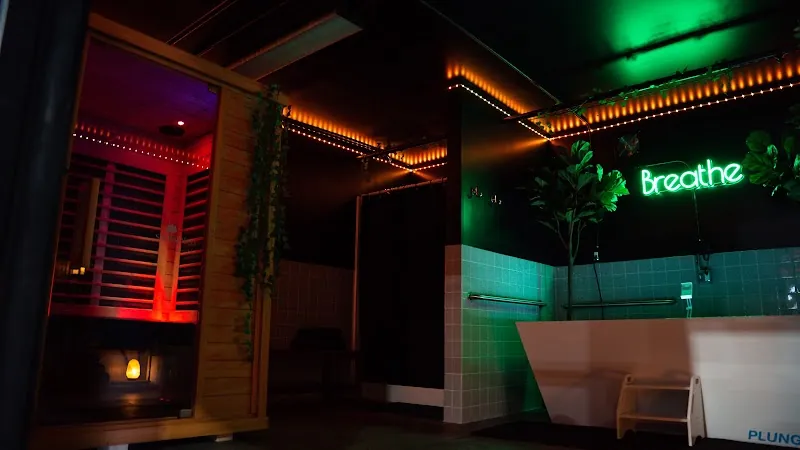
But the format matters more than people realize. A traditional ice bath is exactly what it sounds like: a tub, ice, water, you. A plunge pool spa is a step up, with temperature-controlled water that stays consistently cold without needing bags of ice every session. Cold immersion tanks are often deeper, designed for full-body submersion up to the neck. And then there are contrast therapy studios, which are genuinely their own thing. These places cycle you between hot and cold, usually alternating between a sauna or hot tub and a cold plunge pool. The contrast effect is intense in the best way possible.
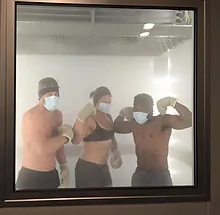
Cryotherapy spas are different. Whole-body cryotherapy uses cold air, not water. You stand in a chamber pumped with nitrogen-cooled air for 2-3 minutes. Some people prefer it because there is no wet feeling and the sessions are faster. But for most people who are drawn to cold water therapy, actual water immersion produces a deeper physiological response. Air cold and water cold feel completely different on the skin, and water pulls heat from your body much faster. When you are searching a directory for options, knowing these distinctions saves you from booking a cryotherapy spa when you actually want a cold immersion center.
2. What Your Body Does When You Hit Cold Water
The moment you step in, your body gasps. That is not weakness. That is your nervous system doing exactly what it is supposed to do, firing a cold shock response that sends a rush of signals through your entire system. Blood vessels near the skin constrict immediately, pushing blood toward your core to protect vital organs. Your heart rate jumps. Breathing goes shallow and fast.
And then something shifts.
If you hold on, keep breathing, and do not panic, your body starts to adapt within seconds. Norepinephrine, one of the brain's primary alertness chemicals, can spike by as much as 300% during cold immersion according to research from the University of Virginia. Dopamine levels rise too, and they stay elevated for hours after you get out. That combination is why people describe the post-plunge feeling as both calm and sharp at the same time. It is not just "feeling good." There is real neurochemistry behind it.
On the physical side, cold water therapy reduces inflammation by slowing down certain metabolic processes in muscle tissue. Athletes who visit a recovery wellness center regularly report faster muscle recovery between training sessions. Circulation actually improves over time even though it constricts immediately during the plunge. Your blood vessels get a workout, contracting and expanding repeatedly, which builds their responsiveness. Some research also links regular cold exposure to improved immune function, specifically to increased production of white blood cells and certain cytokines.
Honestly, the mental health effects are what keep most people coming back. Reduced anxiety, better sleep, sharper focus during the day. A lot of office workers have figured this out and started visiting these places on lunch breaks or before work. You come out of a cold immersion center looking a bit wild-eyed and feeling like you just pressed a reset button on your brain.
Athletes recovering from intense training get the most documented benefits, but cold plunging also helps office workers managing stress and fatigue, people dealing with chronic low-grade inflammation, anyone managing anxiety or mood dips, and general wellness seekers who just want more energy and better sleep. You do not need to be a competitive athlete to walk into a cold plunge facility.
3. What a Real Session Looks Like at a Professional Facility
Walking into a professional cold water therapy center for the first time is less clinical than you might expect. Most of these places feel more like a spa than a sports medicine office. There is usually a front desk check-in, a short intake form asking about health conditions, and a brief orientation from a staff member who has clearly answered the same nervous questions a hundred times before.
Good facilities take the intake seriously. A reputable cold plunge facility will ask about heart conditions, high or low blood pressure, Raynaud's disease, and whether you are pregnant. These are not just liability questions. Cold immersion causes real cardiovascular stress, and certain conditions make it risky. Staff at quality centers are typically trained in first aid and know how to recognize signs of cold shock or hypothermia. That supervision is part of what you are paying for.
In practice, the plunge pool itself is usually kept between 39°F and 55°F, depending on the facility and the protocol. Some cryotherapy studios that offer water immersion keep it closer to the warmer end for beginners, then give you the option to request colder temperatures as you build tolerance. You step in, usually up to the shoulders or neck, and the staff member will often guide you through breathing: slow inhale through the nose, slow exhale through the mouth. That breathing pattern is not optional for beginners. It is what keeps the cold shock response from turning into panic.
Most first sessions are 30 seconds to 2 minutes. You might feel like you cannot do it after 15 seconds. Push to 30. After you get out, many facilities have a warm-up area: towels, a sauna, warm tea, sometimes a heated floor. At a full contrast therapy studio, you might cycle through the cold plunge and a sauna two or three times in one session.
One thing worth knowing: the smell of chlorine is usually stronger in plunge pools than in regular pools. Facilities keep the water sanitized pretty aggressively because of how heavily the pools get used. It is not unpleasant, just noticeable. Some places use UV filtration systems that reduce the chemical load, so if that matters to you, it is worth asking when you book.
4. How to Get Started Without Completely Losing Your Mind
Preparation matters more than most first-timers think. Here is a practical checklist before your first visit to an ice bath facility.
- Wear a swimsuit that stays put. Nothing with loose fabric or ties that could become uncomfortable when wet and cold. Compression-style swimwear works well for both men and women.
- Eat something light beforehand. Not a full meal, but not fasted either. Your body is already under stress from the cold; low blood sugar on top of that is not a good combination.
- Practice box breathing before you arrive. Inhale 4 counts, hold 4, exhale 4, hold 4. Do this in the car. It primes your nervous system to stay calm under the initial cold shock.
- Do not shave the morning of your first plunge. Freshly shaved skin is more sensitive to cold, and that first session is already going to be plenty intense.
- Tell the staff it is your first time. Every good cold therapy studio has a beginner protocol and they will adjust the temperature or session length accordingly.
For the actual progression, start with 10 to 30 seconds and treat that as a real achievement. Do not compare yourself to the person who just walked out after 5 minutes. Over two to four weeks of visiting a cold immersion center two or three times per week, most people build comfortably to 2-minute sessions. By the six-week mark, 3 minutes is realistic and you will have noticed real changes in your mood, energy, and recovery.
Timing matters too. Post-workout plunges (within an hour after training) reduce muscle soreness most effectively. Morning plunges, done before coffee even, produce the longest-lasting mood and focus benefits throughout the day. Some people prefer evening sessions for stress relief before sleep, though cold exposure can be stimulating, so if it disrupts your sleep, shift it earlier.
Week 1-2: 10-30 seconds, 2x per week. Focus only on controlled breathing.
Week 3-4: 45-90 seconds, 2-3x per week. Start noticing post-session mood effects.
Week 5-6: 2-3 minutes, 3x per week. This is where most people feel consistent benefits.
Beyond 6 weeks: Maintain 2-3 minute sessions. Duration beyond 5 minutes adds minimal extra benefit for most people.
Pairing cold therapy with other recovery practices amplifies results. Sauna sessions before cold plunging are the classic combination, offered at most contrast therapy studios. Magnesium supplementation supports muscle recovery on rest days. Enough sleep. And genuinely, eating well matters. If you want to cut food costs while fueling your recovery routine better, salvage grocery stores carry discounted health foods, protein supplements, and recovery-focused snacks at serious markdowns, which is worth knowing if you are building out a fuller wellness routine on a budget.
5. The Industry by the Numbers: Where Cold Plunging Has Exploded
With 1,934 cold plunge and ice bath facilities now listed across the United States, this is no longer a niche service. These places exist in states and cities you would not necessarily expect. Yes, New York leads with 30 listings. But Omaha, Nebraska has 20. Albuquerque has 19. Typically, the geography of this industry is broader than the coastal wellness stereotype would suggest.
Anchorage, Alaska has 25 listings, which, okay, that tracks.
Las Vegas rounds out the top five with 19 listings, which makes a lot of sense given the density of athletes, performers, and high-volume tourists who need serious recovery options. Vegas also has a strong culture of high-end wellness amenities attached to hotels and performance facilities.
Here is a look at some of the top-rated cold plunge and recovery facilities in the country right now:
| Business Name | Location | Rating | Reviews |
|---|---|---|---|
| Rock and Armor | Meridian, ID | 5.0 ★ | 1,448 |
| Pain Center of Rhode Island | Cranston, RI | 5.0 ★ | 1,207 |
| Fire & Ice Wellness (Bristol's best local sauna, ice baths & cold-water swim spot) | Bristol, England | 5.0 ★ | 1,199 |
| Next Health | New York, NY | 5.0 ★ | 1,142 |
| Remède IV Therapy + Aesthetics - Jackson Hole | Jackson, WY | 5.0 ★ | 948 |
Rock and Armor in Meridian, Idaho is genuinely worth highlighting. A 5.0 rating across 1,448 reviews is almost statistically impossible to fake or maintain by accident. That kind of consistency over a large review volume means people are walking out of that place saying the same good things, over and over. If you are ever in the Boise area, you have to check that one out. Same goes for Next Health in New York if you are already in the city looking for a full-service recovery wellness center experience.
Pain Center of Rhode Island in Cranston is interesting because it is a medical-adjacent facility rather than a pure wellness spa. That crossover between clinical pain management and cold water therapy is a growing segment of the industry, and the 1,207 reviews at a perfect 5.0 suggests they have figured out how to do both well.
New York, NY: 30 listings
Anchorage, AK: 25 listings
Omaha, NE: 20 listings
Las Vegas, NV: 19 listings
Albuquerque, NM: 19 listings
6. Safety, Contraindications, and When to Talk to a Doctor First
Cold water therapy is safe for most healthy adults. That said, there are real conditions that make it risky, and reputable cold plunge facilities will screen for them before your first session.
Do not go to a cold immersion center without talking to your doctor first if you have any of the following: diagnosed heart disease or a history of cardiac events, uncontrolled high blood pressure, Raynaud's syndrome (a condition where cold triggers painful blood vessel spasms), peripheral artery disease, or if you are pregnant. Cold shock causes an immediate spike in heart rate and blood pressure. For a healthy person that spike is brief and beneficial. For someone with an underlying cardiovascular condition, it can be dangerous.
Hypothermia is also a real risk if sessions go too long, especially for beginners who are not yet reading their own body signals well. Professional cold therapy studios have protocols to prevent this: time limits, temperature guidelines, staff monitoring, and warm-up requirements after each session. Do not try to replicate what you see in videos of experienced cold plungers doing 10-minute sessions on your first week. That is how people end up shaking uncontrollably in a parking lot.
Good facilities also do not let you plunge alone. At minimum, staff should be present and checking on you. Some cryotherapy spas and plunge pool spas have visual monitoring for all plunge areas. If a facility does not ask any health intake questions and just waves you in, that is a red flag.
Start conservative. 30 seconds in properly cold water (40-50°F) is genuinely a workout for your system. You will feel it. There is no shortcut here, and there does not need to be.
FAQ: Is Cold Plunging Safe for Everyone?
Cold plunging is safe for most healthy adults. People with heart disease, uncontrolled high blood pressure, Raynaud's syndrome, peripheral artery disease, or who are pregnant should consult a doctor before visiting any cold water therapy center. Always tell the staff about any health conditions during intake.
FAQ: How Cold Is the Water at a Professional Facility?
Most cold plunge facilities maintain water temperatures between 39°F and 55°F (4°C to 13°C). Beginner pools are often set closer to 50-55°F, while advanced options can go below 45°F. Ask the facility what temperature their pools are set to before booking.
FAQ: How Often Should a Beginner Go?
Two to three times per week is the recommended starting frequency for beginners. Consistency over the first four to six weeks is what produces lasting benefits. Daily plunging is not necessary and may not add extra benefit for most people.
FAQ: What Is the Difference Between a Cold Plunge Facility and Cryotherapy?
Cold plunge facilities use cold water for immersion therapy. Cryotherapy spas use cold air, usually in a whole-body chamber cooled with liquid nitrogen or refrigerated air. Water conducts heat away from the body much faster than air, so the physiological response from cold water immersion is generally more intense at the same temperature. Many people prefer water immersion for this reason, though cryotherapy sessions are shorter and do not involve getting wet.
FAQ: What Should I Wear to a Cold Plunge Session?
A fitted swimsuit that stays secure when wet is ideal. Avoid loose-fitting trunks or bikinis with string ties that might become uncomfortable. Some facilities provide towels; others ask you to bring your own. Check with your specific cold therapy studio before your first visit.
Explore Related Directories
Find Cold Plunge & Ice Bath Facilities Near You
Browse our directory of 1,934+ cold plunge facilities, ice bath centers, and recovery wellness centers across the United States. With an average rating of 4.9 stars, these are some of the best-reviewed wellness businesses in the country.
Search the Directory