Success Stories: Transformative Experiences from Cold Plunging
Picture this: it's 7am on a Tuesday, you're standing at the edge of a pool filled with 50-degree water, and every instinct in your body is screaming at you to walk away. You step in anyway. Two minutes later, you climb out feeling more awake and alive than you have in months. That's the cold plunge experience in a nutshell, and millions of people are now actively seeking it out.
Cold water immersion therapy has moved way past the "extreme athlete" crowd. It's showing up in suburban strip malls, downtown wellness centers, and boutique recovery studios across the country. Regular people, desk workers, parents, retirees, weekend runners, are booking sessions at their local cold water therapy center the same way they'd schedule a massage. Something shifted in how we think about recovery, stress, and physical health, and cold plunging landed right at the center of it.
This article is about what actually happens when people commit to cold plunging consistently. Not the theoretical benefits you'd find in a research abstract, the real stories from real clients at ice bath facilities and cryotherapy studios, backed by some hard numbers that show just how fast this industry is growing.
What Is Cold Plunging and How Do These Facilities Work?
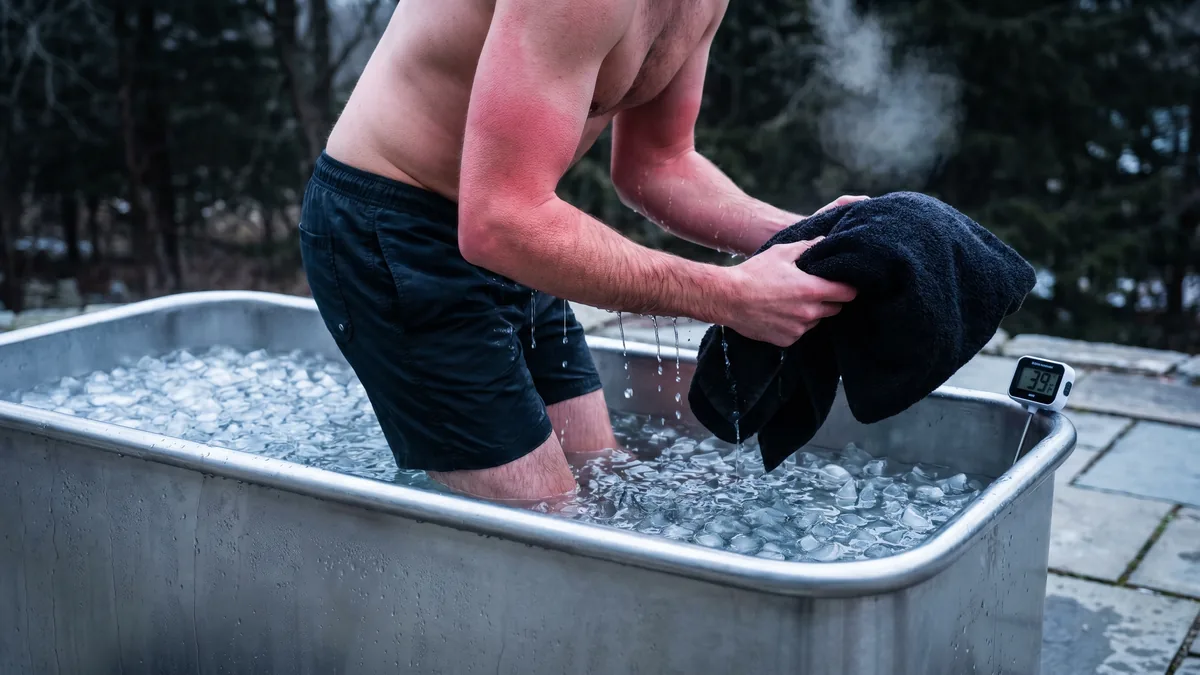
Cold plunging, at its core, is exactly what it sounds like. You immerse your body in cold water, typically between 39 and 59 degrees Fahrenheit, for a short period of time, usually two to ten minutes depending on your experience level and the facility's protocols. Your body goes into a controlled stress response, blood vessels constrict, your heart rate spikes briefly, and then your nervous system kicks into a kind of recalibration mode as you regulate. The science behind this is real and well-documented, even if some of the more dramatic claims floating around social media are overblown.
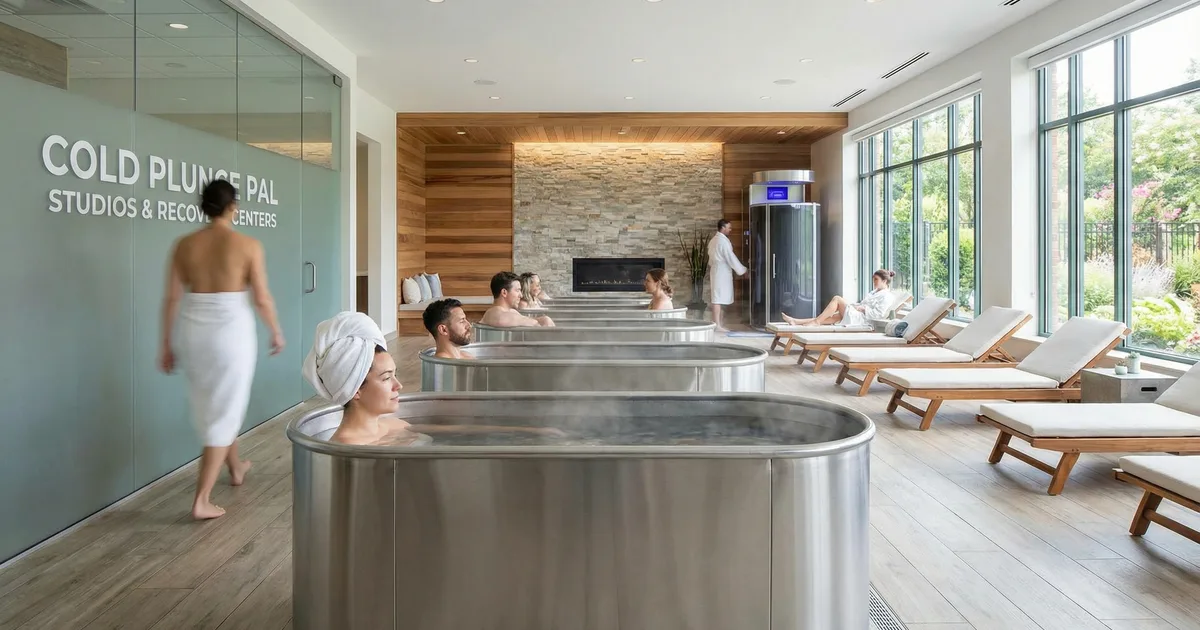
A plunge pool spa is not the same as a cryotherapy studio, though both get lumped together in casual conversation. Cryotherapy uses dry cold air, usually in a chamber you stand in for two or three minutes at temperatures well below zero. Cold immersion means actual water contact, which conducts heat away from your body much more effectively. Most people who've tried both say water immersion feels more intense even at higher temperatures, because water just pulls heat from your body faster than air does.
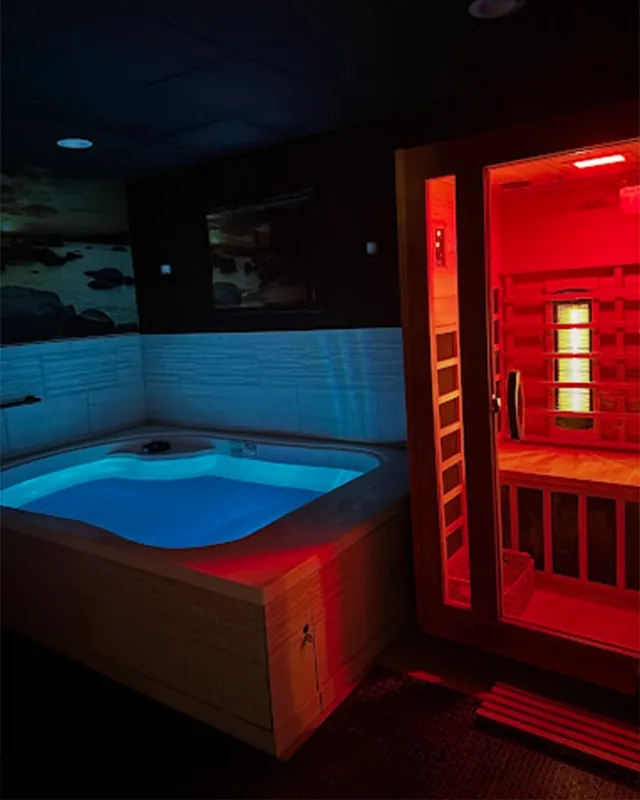
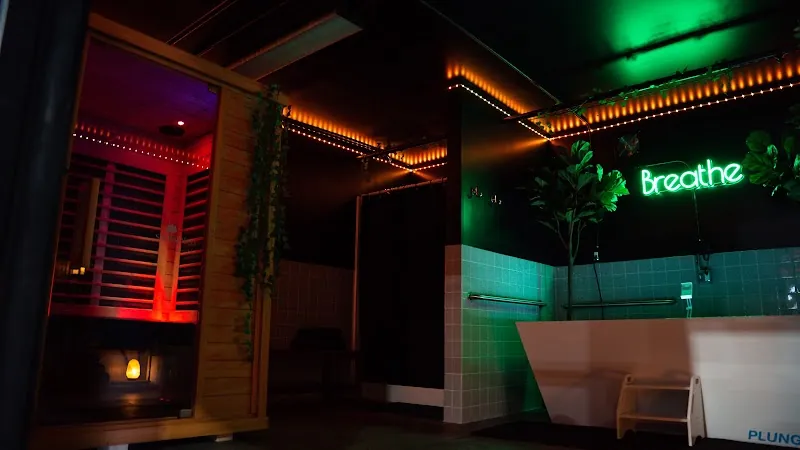
Contrast therapy studios take things further by alternating between hot and cold. You might spend ten minutes in a sauna or hot tub, then two minutes in a cold plunge, then back to heat, cycling through several rounds. This back-and-forth creates dramatic circulation changes that many clients report feeling for hours afterward. It's the format a lot of recovery wellness centers favor because it's more accessible for beginners who aren't ready to just drop into icy water cold.
Walking into one of these places for the first time usually involves a short intake form and a safety briefing. Staff will ask about heart conditions, blood pressure issues, and whether you've done cold immersion before. They'll explain breathing techniques, because panicked shallow breathing is the main thing that makes the experience miserable. Most good facilities pair you with a staff member or at least keep someone close by for your first session. After the plunge, there's typically a warmup period with towels, warm tea, and sometimes a heated lounge area.
Don't try to white-knuckle your way through a cold plunge by holding your breath or tensing up. It makes everything worse. Slow, steady exhales as you enter the water are what actually make the session manageable. Every experienced practitioner will tell you this, and they're right.
Physical Transformation Stories: What Clients Are Experiencing
Ask any staff member at a busy cold plunge facility what they hear most from returning clients, and the answer is almost always the same: sleep. People cannot stop talking about how their sleep improved. Faster sleep onset, deeper rest, waking up without that foggy grogginess. This keeps coming up across different client types, different ages, different fitness levels. It's not a placebo, cold exposure affects core body temperature regulation and melatonin timing in ways that genuinely improve sleep architecture.
Muscle recovery is the other big one, especially for athletes. A semi-pro soccer player in her late twenties who started going to a local cold immersion center three times a week after matches described the difference plainly: "I used to need two full days before I could train hard again. Now I'm ready the next morning." That kind of turnaround isn't unusual. Cold water reduces the inflammatory response in muscle tissue, which is why professional sports teams have had ice baths in their locker rooms for decades. What's new is that this is now accessible to anyone willing to show up at their neighborhood ice bath facility.
Chronic pain management is a category that doesn't get enough attention in the cold plunge conversation. People dealing with fibromyalgia, arthritis, and persistent joint pain are showing up at these facilities not for athletic performance but just to get through the day with less discomfort. Some of them have cycled through every other option, physical therapy, medications, cortisone shots, before landing on regular cold immersion as the thing that actually helps. One client at a contrast therapy studio described managing a decade-long lower back problem with weekly sessions and called it the first thing that gave her "a life back."
Structured programs make a real difference here. Dropping in randomly once a month does not produce the same results as committing to a weekly protocol at a recovery wellness center with a plan behind it. Facilities that offer guided programs, where you progress from shorter sessions at milder temperatures to longer immersions at colder temps, see much better client outcomes. The body adapts, and that adaptation is cumulative. Three weeks in, you'll notice things you didn't expect: better circulation in your hands and feet, faster post-workout bounce-back, reduced soreness that used to linger for days.
Injuries are their own category. A 45-year-old recreational runner recovering from a knee surgery described showing up at a cryotherapy spa because he'd hit a wall in his physical therapy progress. Regular cold immersion sessions, combined with his PT exercises, shortened his recovery timeline noticeably. His surgeon was skeptical but couldn't argue with the results. This is the kind of story that multiplies when people start talking to each other at these facilities.
Mental and Emotional Breakthroughs: Beyond the Physical
Nobody warns you about the mental side of cold plunging. You walk in thinking you're going to help your sore muscles, and three weeks later you notice you're handling stress differently. Deadlines that used to send you into a spiral feel manageable. In practice, the social anxiety that would spike before a big presentation feels... smaller. This is one of the most consistent things clients at cold therapy studios report, and it makes sense when you understand what's actually happening.
Cold immersion triggers a significant release of norepinephrine in the brain, we're talking increases of 200 to 300 percent in some studies. Norepinephrine is directly tied to focus, mood regulation, and stress response. Do this repeatedly, and you're essentially giving your nervous system regular training in handling high-stress situations and recovering quickly. That carries over. Of course it carries over.
Typically, the mindset piece is harder to quantify but easier to observe. Stepping into cold water when your brain is actively telling you not to is a small act of self-discipline that compounds. People describe it as "proof" to themselves that they can do hard things. Staff at cryotherapy studios hear this constantly. A 38-year-old accountant who started going to a plunge pool spa twice a week said it bluntly: "If I can do this, I can have that difficult conversation with my boss, I can wake up and work out when I don't want to." That's not wellness marketing. That's someone describing an actual shift in how they approach difficulty.
And then there's the community aspect, which genuinely surprises people.
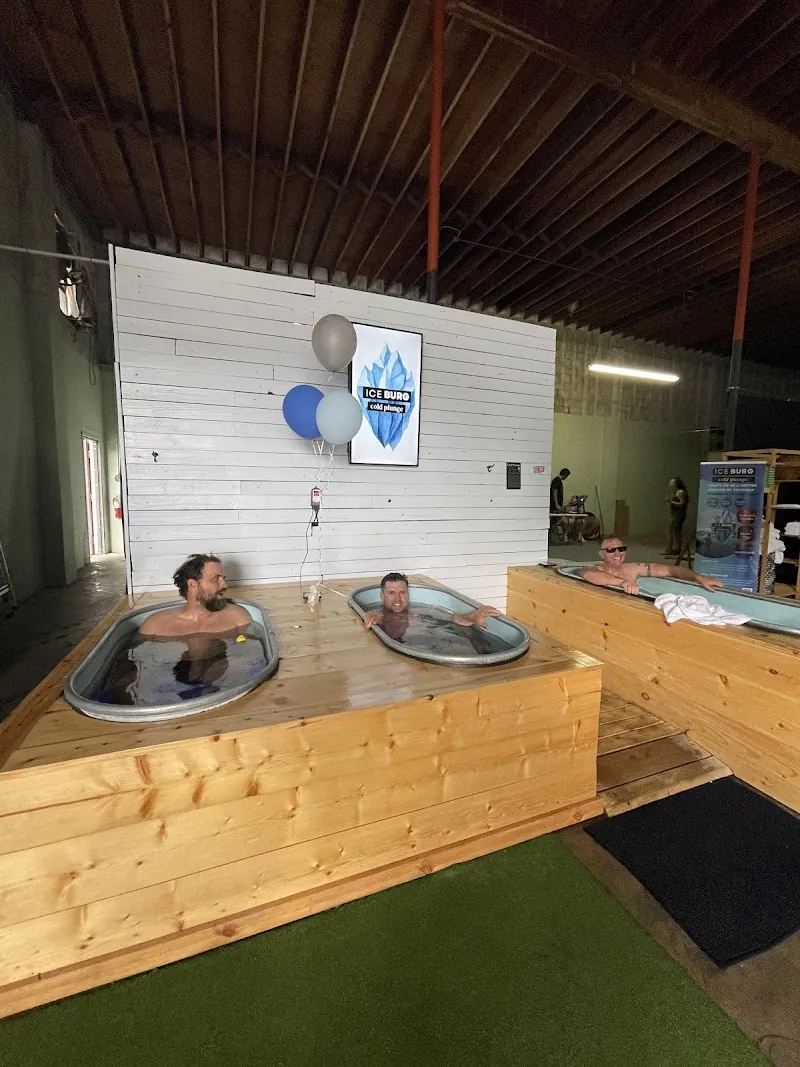
Cold plunging alongside strangers creates a weird kind of bond. You're all doing something uncomfortable together, and that shared vulnerability breaks down the usual social barriers faster than most settings. Regular group sessions at a cold immersion center turn into social circles. People exchange numbers, show up to support each other's sessions, celebrate milestones together. More than a few people have described their cold plunge facility as the first place they felt genuinely connected to a community in years. That matters for mental health in ways that go well beyond anything the cold water itself is doing.
Cold plunging twice a week builds more practical stress resilience than most dedicated mindfulness apps. If you want to actually train your nervous system, consistent cold immersion beats passive breathing exercises in most real-world stress situations.
The Cold Plunge Industry by the Numbers: A Growing Wellness Movement
Cold Plunge Pal's directory currently lists 1,934 businesses across the country, and that number is not a static snapshot. New facilities are appearing in cities that didn't have any options two years ago. This is an industry in serious growth mode, and the geographic spread of where these places are opening is interesting.
New York leads with 30 listings, which makes sense for a city that size. But Anchorage comes in second with 25 listings, which is striking. Yes, Alaskans have a cultural relationship with cold exposure that goes back generations, but 25 dedicated commercial cold plunge and cryotherapy facilities in one city is not trivial. Omaha shows 20 listings, Las Vegas has 19, and Albuquerque also sits at 19. As a rule, the presence of Omaha and Albuquerque at that level tells you something important: this is not just a coastal city trend. Mid-sized markets have real demand, and local entrepreneurs are building facilities to meet it.
For most shoppers, the quality numbers are frankly remarkable. A 4.9-star average across nearly two thousand businesses is almost unheard of in any service category. For context, most restaurant categories on major review platforms average somewhere in the 3.8 to 4.2 range. A 4.9 average means clients are not just satisfied, they're actively enthusiastic enough to leave five-star reviews at a high rate.
Look at the top performers. Rock and Armor in Meridian, Idaho carries a perfect 5.0 stars across 1,448 reviews. That's not a handful of happy customers, that's sustained, consistent excellence at volume. Pain Center of Rhode Island in Cranston has 1,207 reviews at 5.0 stars. Next Health in New York, one of the more visible names in the premium wellness space, also sits at a perfect 5.0 with 1,142 reviews. Fire & Ice Wellness in Bristol, England rounds out the top tier with 1,199 reviews at 5.0 stars, which is a good reminder that this is a global phenomenon, not just an American one.
| Business Name | Location | Rating | Reviews |
|---|---|---|---|
| Rock and Armor | Meridian, ID | 5.0 ★ | 1,448 |
| Pain Center of Rhode Island | Cranston, RI | 5.0 ★ | 1,207 |
| Fire & Ice Wellness | Bristol, England | 5.0 ★ | 1,199 |
| Next Health | New York, NY | 5.0 ★ | 1,142 |
| Remède IV Therapy + Aesthetics - Jackson Hole | Jackson, WY | 5.0 ★ | 948 |
Remède IV Therapy in Jackson Hole sits at 5.0 stars with 948 reviews, which is worth noting because Jackson Hole is a small mountain town that draws a wealthy tourist crowd but also has a deeply embedded outdoor and recovery culture. That kind of facility thriving there makes complete sense. Recovery wellness centers that pair cold immersion with other services like IV therapy, infrared sauna, and guided breathwork seem to land higher satisfaction scores across the board.
One thing that's easy to overlook: many people who commit to a consistent cold plunge practice also end up cleaning up other areas of their routine. Better sleep leads to better food choices, which sometimes means being more strategic about grocery budgets too. If you're trying to eat well on a budget while building a new health routine, resources like Salvage Grocery Stores can help you find discounted whole foods and pantry staples near you.
How to Find the Right Cold Plunge Facility for Your Goals
Most people make the same mistake when starting out: they pick the facility closest to their house without asking a single question. That works out fine sometimes. Other times you end up in an under-maintained plunge pool spa with murky water and staff who don't know the difference between a cold immersion protocol and a backyard stock tank. Don't do that.
Staff credentials matter more than the equipment. A well-trained practitioner at a modest cold water therapy center will give you a better experience than expensive gear operated by someone who learned everything from YouTube. Ask specifically whether staff have training in cold water immersion protocols, first aid, and how they handle clients who panic in the water. Good facilities will have real answers. Vague ones should make you skeptical.
Hygiene is non-negotiable. Cold water does kill some bacteria, but it does not sterilize. Ask about the facility's water treatment system, how often water is changed or filtered, and what the chlorine or UV treatment protocol is. If they seem annoyed by the question, leave. A well-run ice bath facility will be happy to walk you through their sanitation process because they're proud of it.
Temperature range matters for your specific goals. Not every cold plunge facility operates at the same range. Some keep water at 55-60 degrees, which is cold but not aggressive. Others go down to 39-40 degrees, which is serious cold exposure that requires more acclimatization. If you're dealing with chronic pain or inflammation, the colder end is generally more effective, but the progression matters. Start at 55 degrees, build tolerance, then go colder over weeks. Skipping this step is how people have bad experiences and never come back.
Pricing structures vary wildly. Some contrast therapy studios sell unlimited monthly memberships for $80-150. Others charge $35-60 per session with no commitment. If you're going to do this consistently, and consistency is where results come from, a membership almost always makes financial sense. Look for introductory offers that let you try the facility two or three times before committing to a monthly plan.
Read the reviews carefully, not just the star rating. A facility with a 4.9 average and 800 reviews is telling you something real. But read the text of recent reviews and look for patterns. Are people mentioning specific staff members? That means the staff experience is consistently good, not just occasionally good. Are negative reviews about wait times or scheduling? That's a solvable problem. Are negative reviews about water quality or dismissive staff? That's a culture problem and probably won't change.
Skip any cold plunge facility that can't tell you the exact water temperature before you arrive. It sounds like a minor detail, but it signals whether they're running a real operation or just winging it. Facilities that track and adjust their temperatures precisely are the ones that also track protocols, safety, and client progress precisely.
Group sessions are worth trying before you default to solo visits. Most social accountability element changes the experience significantly, and most recovery wellness centers that offer group programming report much higher client retention. You can always go solo once you've built a routine, but starting in a group gives you the breathing coaching, the shared energy, and the motivation that makes those first few sessions stick instead of fizzle out.
If you're looking for a facility near you, the Cold Plunge Pal directory is one of the better places to start because the listings include ratings, review counts, and location data across all major US cities and some international markets. With 1,934 businesses listed and a 4.9-star average across them, the quality floor is genuinely high. That doesn't mean every single place will be right for you, but it does mean you have a solid pool to filter from based on your specific city, goals, and budget.
Frequently Asked Questions
How cold is a typical cold plunge session?
Most cold plunge facilities keep water between 39 and 59 degrees Fahrenheit. Beginners usually start in the 50-55 degree range and work their way down over time. These colder the water, the shorter the recommended session length. At 39-40 degrees, two to three minutes is enough for most experienced plungers. At 55 degrees, five to eight minutes is more typical.
Is cold plunging safe for everyone?
No, and any reputable ice bath facility will screen for contraindications. People with uncontrolled high blood pressure, heart conditions, Raynaud's disease, or who are pregnant should talk to a doctor before doing cold immersion. Cold water causes immediate cardiovascular stress, that's part of why it works, but it means you need to be honest about your health history during intake.
How often should I go to see results?
Most practitioners recommend two to three sessions per week for the first month to build baseline cold tolerance and start seeing consistent benefits. Going once a month will not produce the same results. Think of it like exercise: frequency matters. Many serious clients end up going four to five times per week once they're hooked.
What's the difference between a cryotherapy studio and a cold immersion center?
Cryotherapy uses dry cold air in a chamber, typically at temperatures between -110 and -200 degrees Fahrenheit, for two to three minutes. Cold immersion uses actual water, which is a more intense thermal experience even at much warmer temperatures because water conducts heat away from your body roughly 25 times faster than air. Both have benefits, but they're distinct modalities and not interchangeable.
What should I wear and bring?
A swimsuit is standard. Some cold therapy studios provide towels; others expect you to bring your