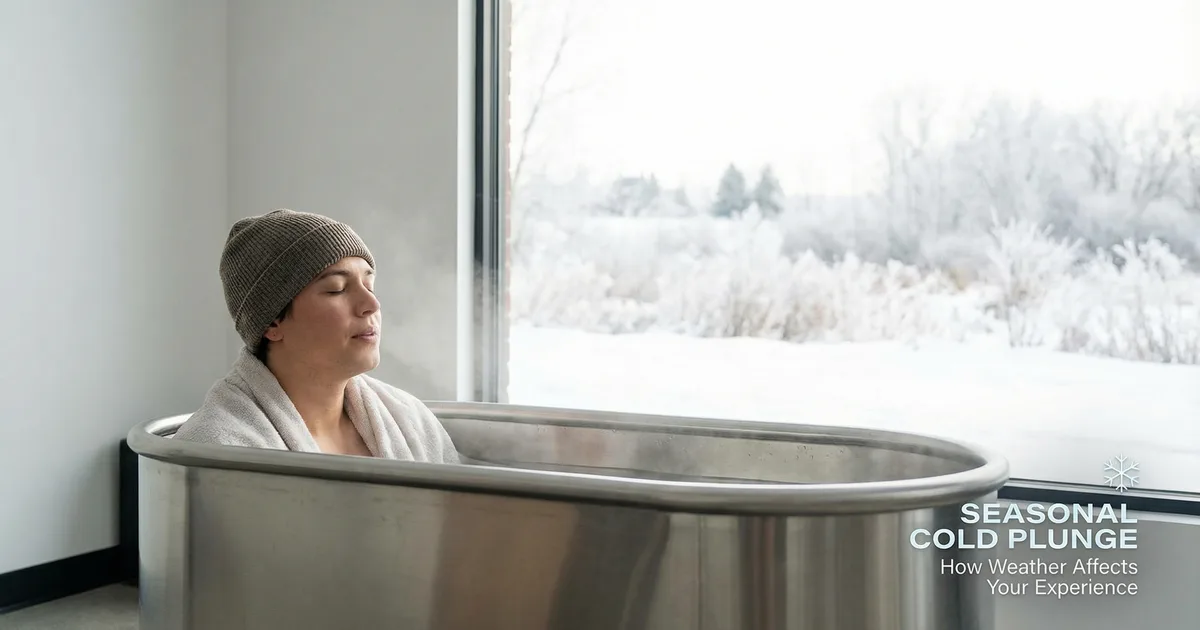
Seasonal Cold Plunge: How Weather Affects Your Experience
Does the season you plunge in actually change what happens to your body?
Short answer: yes, dramatically. And yet most people show up to an ice bath facility in January the same way they would in July, with the same session length in mind, the same breathing routine, sometimes even the same water temperature target. That mismatch between expectation and reality is where a lot of beginners get into trouble, and where even experienced cold therapy practitioners leave recovery benefits on the table.
This article is for anyone who takes cold water therapy seriously enough to want to do it smarter, not just harder. We'll look at the actual physiology behind why your body responds differently to cold immersion across the seasons, walk through what each time of year means for your practice, and pull in some real data from the Cold Plunge Pal directory to show how geography and climate shape the cold plunge industry itself.
The Science Behind Cold Water Therapy and Temperature Perception
Cold water does not hit everyone the same way. Even the same person, stepping into the same plunge pool at the same 50°F temperature, will have a meaningfully different experience in February than in August. That is not psychological. It is physiology.
Here is what is actually happening. Your body maintains a core temperature of around 98.6°F, but that baseline shifts slightly with the seasons. In summer, because you spend more time in heat, your body tends to run a touch warmer and your vascular system is primed for cooling. Blood vessels near your skin stay dilated longer to release heat. In winter, the opposite happens: your vessels constrict more readily, your body hoards warmth, and your baseline skin temperature is already lower before you even touch the water.
So when you step into a cold immersion center in January and the plunge is set to 55°F, the perceived shock is sharper than it would be in July. Your skin temperature might already be 65°F or lower from just walking through a cold parking lot, meaning the gradient between your body and the water is smaller, but your cold shock response, that gasping reflex, the spike in heart rate, the surge of norepinephrine, fires faster and harder because your nervous system is already primed for cold-threat signaling.
Researchers studying thermoreception have found that seasonal acclimatization genuinely changes your sensitivity to cold stimuli. Regular cold therapy practitioners who plunge through winter often report that their 55°F sessions by March feel almost mild, while someone returning after a summer break finds the same temperature brutal again. Your body literally recalibrates. That is not toughness, that is adaptation, and it matters a lot when you're deciding how long to stay in or what temperature to target at your local cold plunge facility.
There's also the mammalian dive reflex worth mentioning here. When cold water hits your face specifically, your heart rate drops and blood flow prioritizes your core and brain. This reflex is stronger when ambient air temperature is low, meaning in winter the reflex kicks in faster and more intensely. Cryotherapy studios that do facial immersion or full submersion should be factoring this into their intake protocols by season.
Ambient air temperature affects how your body enters a cold plunge, not just how the water feels. A good cold water therapy center will adjust session length recommendations based on the time of year and your recent acclimatization history, not just the water temperature reading.
Season-by-Season: What to Expect at the Plunge
Winter: Intense, Rewarding, and Deserving of Respect
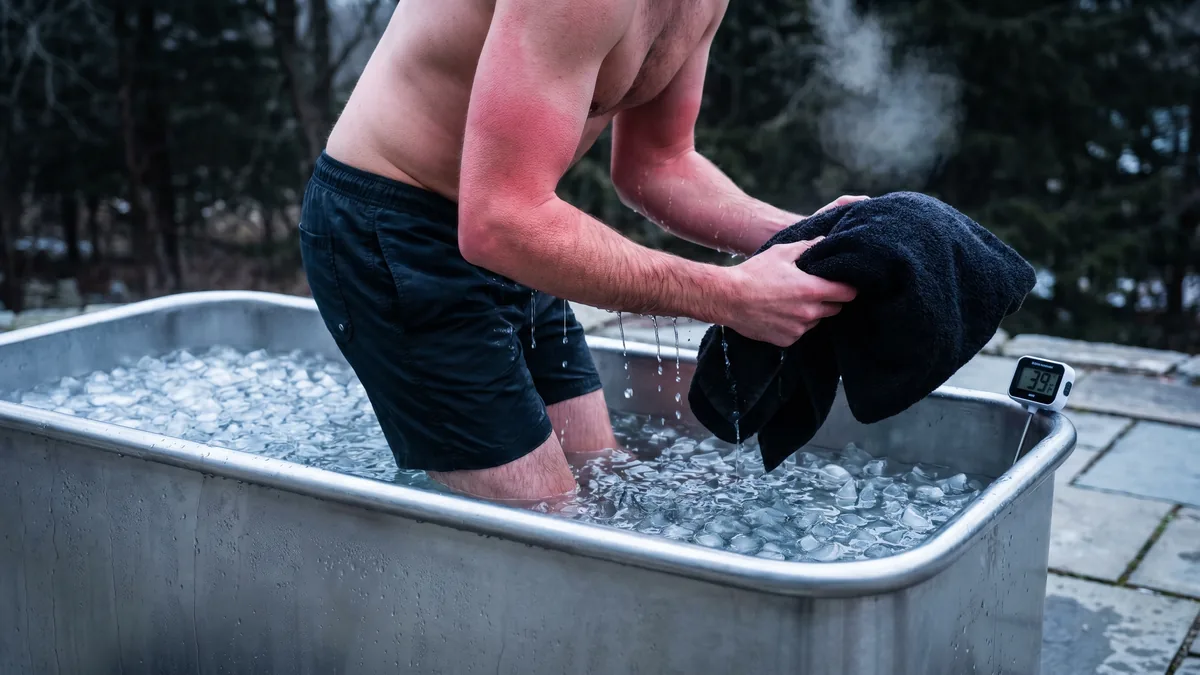
Winter is when cold plunge sessions feel the most extreme, full stop. Your cold shock response onset is faster. Beginners especially can find themselves gasping within the first three seconds rather than the more gradual adjustment that summer allows. Most reputable cold immersion centers will shorten their recommended beginner session times in winter, from something like three to four minutes down to ninety seconds to two minutes, and honestly that's the right call.
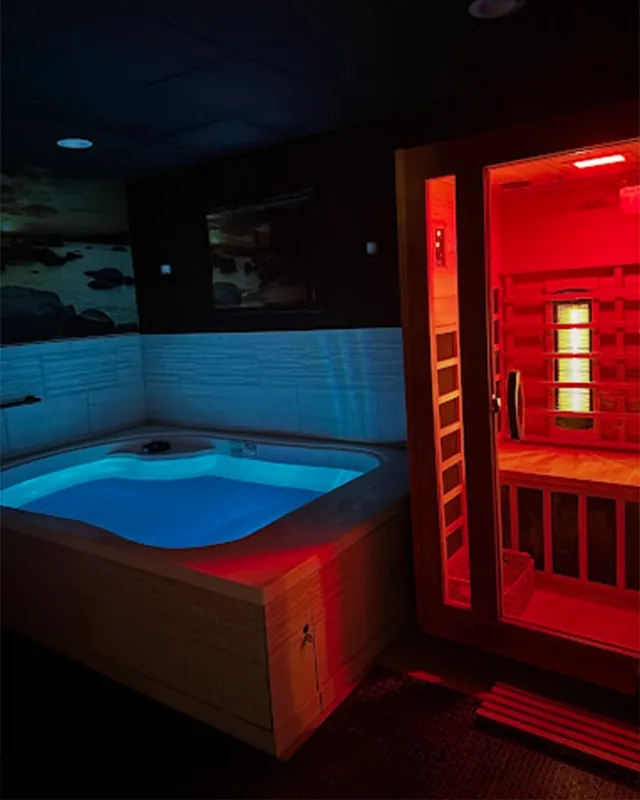
That said, winter is also when the contrast therapy benefits are most dramatic. Stepping from a 38°F plunge into a 180°F sauna is an experience that is genuinely hard to describe to someone who hasn't done it. Your body's response is massive. Endorphin release, that norepinephrine spike, the vasodilation after vasoconstriction, it all happens at a scale you just don't get in July. Any contrast therapy studio worth visiting will have a solid warming protocol ready: sauna, steam room, or at minimum a warm rest space immediately adjacent to the plunge area. Do not skip the warm-down in winter. That's not optional.
One more thing about winter plunging. People tend to underestimate how much getting to and from the facility affects their experience. Walking across a cold parking lot in wet hair is not the same problem in summer. Facilities that plan for this, with covered exits, heated changing areas, warm towels waiting, are doing their clients a real service.
Spring and Fall: The Underrated Entry Point
Spring and fall are genuinely the best seasons for first-timers to visit a cold plunge facility. Ambient temperatures are moderate, your body hasn't fully heat-adapted for summer or cold-adapted for winter, and that middle-ground state means the plunge feels challenging but not overwhelming.
Think of it this way: in October, a 55°F plunge pool at a recovery wellness center gives your body a real stimulus without the sharp-edge intensity of January. You can actually focus on your breathing, stay present, and build the mental tolerance that makes cold therapy a sustainable habit. You also get better session times, often two to four minutes for beginners without the same risk of rapid core temperature drop that winter brings.
Spring plunging has one quirk worth knowing. If you spent the winter cold-adapted, early spring sessions might feel surprisingly mild, almost too easy. That is your adaptation working. Smart practitioners use spring to extend session length gradually rather than dropping water temperature to chase intensity.
Summer: Surprisingly Accessible, Strategically Different
Summer is when cold plunge spas and recovery wellness centers see their highest visitor volume, and it makes sense. After an hour in the sun or a brutal workout in the heat, the idea of a cold plunge is just obvious. Your body is heat-adapted, skin vessels are dilated, and stepping into a cool plunge actually feels more like relief than assault.
Here's the thing that trips people up though: because your body tolerates the initial shock better, it's easy to assume you're getting the same therapeutic benefit. You might not be. A heat-adapted body may need water temperatures three to five degrees colder than your winter target to achieve a comparable vasoconstriction response and the associated recovery benefits. Good facilities adjust their plunge temperatures seasonally for exactly this reason. If your local cryotherapy studio is running the same 55°F setting in August as in January, worth asking whether they've thought about that.
Summer is also when casual visitors show up alongside the regulars. That's actually a good thing for the industry, and honestly for you too, since increased demand means more facilities are opening and existing ones are upgrading their equipment and service quality.
Winter (beginners): 60–90 seconds. Always warm down after.
Spring/Fall (beginners): 2–3 minutes. Ideal entry season.
Summer (beginners): 2–4 minutes, but confirm water temp is adjusted for heat acclimatization.
Experienced practitioners: Adjust based on your own seasonal baseline, not generic advice.
How Geographic Climate Shapes the Cold Plunge Industry
Climate doesn't just affect your individual session. It shapes the entire market for cold water therapy in a given city, what facilities build, how they train staff, what their clients expect, and how busy they get through the year.
Data from the Cold Plunge Pal directory gives a pretty clear picture of this. Across 1,934 listed cold plunge facilities, cryotherapy spas, and cold therapy studios, the average customer rating sits at 4.9 stars. That is not a typo. Across nearly two thousand businesses in a category where people are literally paying to be uncomfortable, clients are rating their experiences at near-perfect levels. That tells you something about what good operators in this space are getting right.
New York leads the directory with 30 listings. A four-season climate with genuine winters and hot summers drives demand year-round, and indoor cold immersion centers there tend to be well-equipped for contrast therapy specifically because clients need warming options after plunging in a city that gets real cold. Midtown and Brooklyn have both seen a surge in recovery wellness center openings over the past few years.
Anchorage, Alaska comes in at 25 listings, which is striking for a city its size. Cold therapy practitioners in Anchorage are often highly experienced, the kind of people who have been doing cold exposure in some form for years before formal plunge facilities existed. Operators there face an interesting challenge: the contrast between brutal outdoor conditions and a controlled indoor plunge environment has to be managed carefully. Walking outside after a plunge session in Anchorage in February is a different risk profile than in Las Vegas.
And speaking of Las Vegas, 19 listings there alongside 19 in Albuquerque and 20 in Omaha rounds out the top five. These cities span wildly different climate profiles. Desert Southwest heat, Great Plains weather swings, all of them showing strong demand for cold therapy regardless of the local temperature norm. In hotter climates like Las Vegas and Albuquerque, facility operators often position their plunge pool spas as year-round recovery tools for athletes and outdoor workers who deal with chronic heat exposure. Lower water temperatures, longer cool-down options, and hydration stations are more common at these facilities than at their northern counterparts.
Recovery after extreme exertion is a big focus in those markets, and some clients pair their plunge visits with other wellness habits. (On a tangential note, a few clients I've spoken with at desert-climate facilities mentioned they're also regular shoppers at discount wellness suppliers like salvage grocery stores for stocking up on electrolytes and recovery snacks on the cheap between sessions. Small detail, but practical.)
Top-Rated Cold Plunge Facilities by Review Count
| Business Name | Location | Rating | Reviews |
|---|---|---|---|
| Rock and Armor | Meridian, ID | 5.0 ★ | 1,448 |
| Pain Center of Rhode Island | Cranston, RI | 5.0 ★ | 1,207 |
| Fire & Ice Wellness | Bristol, England | 5.0 ★ | 1,199 |
| Next Health | New York, NY | 5.0 ★ | 1,142 |
| Remède IV Therapy + Aesthetics | Jackson Hole, WY | 5.0 ★ | 948 |
Rock and Armor in Meridian, Idaho, has 1,448 reviews at a perfect 5.0. For context, Meridian is not a major metro. That volume of reviews at a perfect score from a mid-size Idaho city says a lot about what a focused, quality-driven cold plunge facility can build even outside of big urban markets. Pain Center of Rhode Island in Cranston runs similarly, with 1,207 reviews at 5.0, which is remarkable for a therapeutic-focused center rather than a pure wellness boutique. And Fire and Ice Wellness out of Bristol, England, with 1,199 reviews, signals something important: this is not just an American phenomenon.
Remède IV Therapy in Jackson Hole, Wyoming, rounds out the top five with 948 reviews at 5.0. Jackson Hole is an outdoor-athlete town with cold winters and an active recovery culture. Makes complete sense that a cryotherapy spa there would thrive.
Ask any cold plunge facility these three questions before your first winter or summer visit: What is the current water temperature? Do session length recommendations change by season? Is there a heated space for warm-down after the plunge? If they can't answer all three, find a facility that can.
Finding the Right Facility for Your Climate and Season
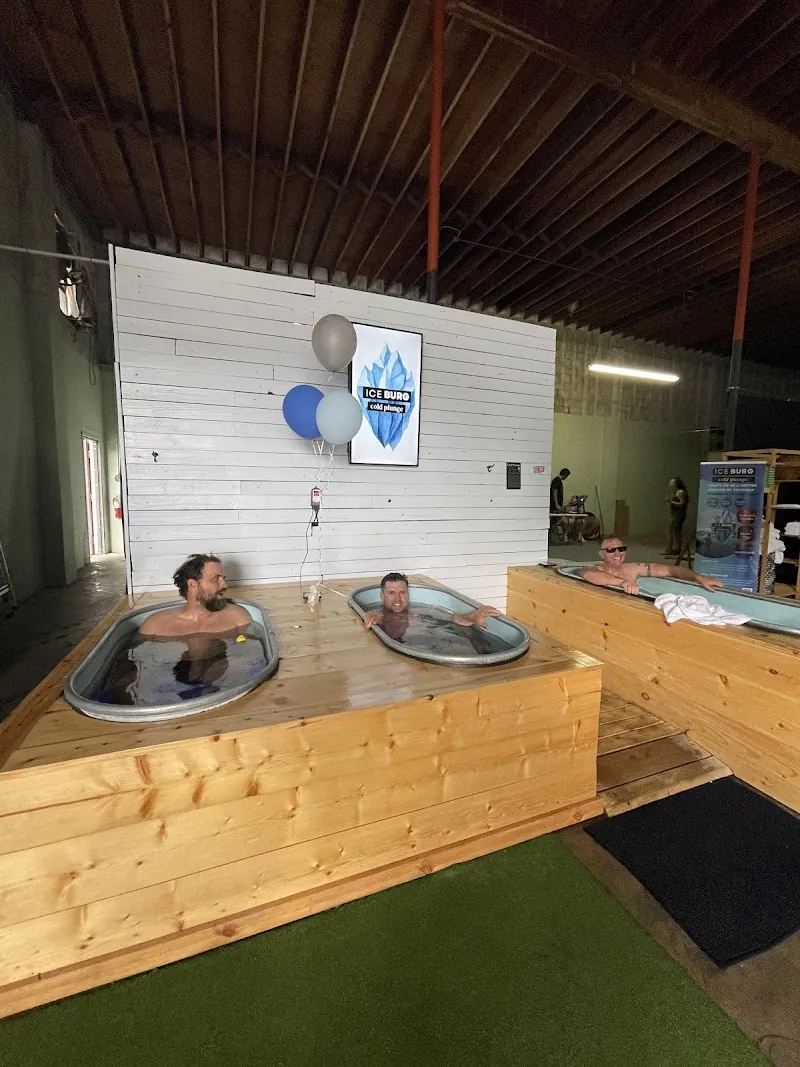
Good facilities adjust. That is the real dividing line between a mediocre plunge pool spa and one that's earning 5.0 stars across a thousand-plus reviews. Seasonal temperature adjustments to the water, staff who ask about your acclimatization history, warm-down protocols that match the ambient conditions outside, those are operational details that add up to a genuinely different experience.
If you're in a hot climate and want to experience what a well-run cold immersion center does differently, look for places that explicitly mention athlete recovery, list water temperature ranges on their website, and have dedicated warming areas even in summer. The fact that facilities in Las Vegas and Albuquerque are drawing enough clients to rank in the top five cities in the Cold Plunge Pal directory proves that demand for cold therapy exists everywhere, hot climates included, but the approach has to be right for the environment.
Winter plunging, especially in colder cities, rewards facility loyalty. Building a relationship with a contrast therapy studio that knows your history, your season-adjusted tolerances, and your goals is worth more than hopping between facilities chasing the lowest price. Cold therapy done consistently over seasons is where the real adaptation happens.
And for newcomers reading this before their very first plunge: spring is waiting for you. Go then. Get your footing. Then try January when you're ready.
Frequently Asked Questions
Does cold plunge temperature need to change with the season?
Yes, for best results. A heat-adapted body in summer may need water temperatures three to five degrees colder than your winter target to get a comparable therapeutic response. Good cold plunge facilities adjust their settings seasonally rather than keeping a fixed temperature year-round.
Is it safe to cold plunge in winter?
Yes, with proper precautions. Shorter session times for beginners (60 to 90 seconds), mandatory warm-down in a sauna or heated room, and dry, warm clothing for after the session are all important. Cold shock response onset is faster in winter, so controlled breathing before entry matters more than in warmer months.
Why do I feel the cold less after plunging regularly through winter?
Seasonal acclimatization. Your body adapts to repeated cold exposure by adjusting how your thermoreceptors signal cold stress and how your blood vessels respond to temperature change. This is a real physiological adaptation, not just mental toughness, and it builds over weeks of consistent practice.
What is the best season to start cold plunge therapy?
Spring or fall. Moderate ambient temperatures create a more forgiving entry experience. Your body is not fully heat-adapted or cold-adapted, so the plunge feels challenging but manageable. It's the best context for building the breathing and mental focus skills you'll need for winter sessions.
How do I find a quality cold plunge facility near me?
Cold Plunge Pal lists 1,934 ice bath facilities, cryotherapy studios, and recovery wellness centers with real customer ratings. The directory average is 4.9 stars across all listings, so the baseline quality is genuinely high. Filter by city and look for facilities that list water temperature ranges and seasonal protocols on their profiles.
Explore Related Directories
Find a Cold Plunge Facility Near You
Browse our directory of 1,934+ cold plunge facilities, cryotherapy spas, and recovery wellness centers. Rated an average of 4.9 stars by real customers across the country.
Search the Directory