Preparing for Your First Cold Plunge: A Step-by-Step Guide
You've heard about cold plunging. Maybe a friend won't stop talking about it, or you saw someone on social media stepping into ice-cold water and somehow looking calm about it. And now you're curious, maybe a little nervous, and genuinely unsure where to start. That feeling, that mix of interest and low-level dread, is exactly where most first-timers are standing before they walk into a cold immersion center for the first time.
This guide walks you through everything: what the science actually says, who should check with a doctor first, what a real visit to a professional cold plunge facility looks like, and how to get through your first plunge without panicking. Step by step, in plain language.
Understanding the Benefits of Cold Plunge Therapy
Studies on cold water immersion have been building for decades, and the data is hard to dismiss. A 2022 meta-analysis published in the International Journal of Sports Medicine found that cold water immersion reduced delayed onset muscle soreness by roughly 20% compared to passive recovery. Separate research from the University of Tromsø found that regular cold exposure raised norepinephrine levels by up to 300%, a chemical in the brain strongly tied to mood, focus, and stress regulation. These are not small numbers.
On the physical side, a cold plunge facility works by causing your blood vessels to rapidly constrict when you enter cold water, then dilate when you warm back up. That cycle flushes metabolic waste out of muscle tissue faster than rest alone. Athletes at recovery wellness centers often combine contrast therapy (alternating between heat and cold) to push this effect further. Reduced inflammation, faster muscle repair, and improved circulation are the three benefits you'll hear most from regular users, and the research broadly supports all three.
Honestly, the mental side might matter more than the physical for most beginners. Getting into 50-degree water without freaking out is a real act of mental discipline, and doing it repeatedly builds something. Researchers call it "cold adaptation." Regular practitioners just call it confidence. Either way, the psychological payoff of finishing a plunge is surprisingly real, even after the first session.
One thing worth flagging: the wellness community sometimes overstates the benefits. Cold plunging will not cure chronic disease or replace actual medical treatment. What it does do, backed by solid evidence, is reduce acute inflammation, lift mood through endorphin and norepinephrine release, and give post-workout recovery a measurable boost. That's a good list. Just keep expectations grounded.
Cold water immersion has shown a roughly 20% reduction in muscle soreness post-exercise in peer-reviewed studies, and norepinephrine increases of up to 300% from cold exposure. These figures come from controlled research, not wellness marketing copy.
Health Considerations and Safety Precautions Before You Go
Not everyone should jump straight into a cryotherapy studio without talking to their doctor first. People with heart conditions are at the top of that list. Cold water causes an immediate spike in heart rate and blood pressure, which can be dangerous for anyone with cardiovascular disease, a history of arrhythmia, or uncontrolled hypertension. If any of that applies to you, get medical clearance before booking a session.
A few other groups need extra caution.
- Raynaud's disease: Cold triggers exaggerated vascular responses in these patients, and a plunge can cause serious discomfort or tissue damage.
- Pregnancy: Core temperature management during pregnancy is critical. Cold immersion is generally not recommended without direct physician approval.
- Recent surgery or open wounds: Water immersion of any kind introduces infection risk, and cold stress on healing tissue is a bad combination.
- Certain medications: Beta blockers and some blood pressure medications change how your cardiovascular system responds to cold. Talk to your doctor.
Professional cold plunge facilities and contrast therapy studios take safety seriously. Most reputable places keep water temperatures between 45°F and 59°F (7°C to 15°C) and enforce time limits of 2 to 5 minutes for beginners. Staff at a good ice bath facility will go over all of this during your intake briefing.
Before your session, do not drink alcohol. Even a single drink within a few hours of a plunge impairs your body's ability to regulate temperature, and that is a real risk, not just a liability disclaimer. Also avoid heavy meals within two hours and skip the intense gym session right beforehand. Walking in already exhausted and inflamed makes the experience harder and reduces any recovery benefit you'd get.
No alcohol in the hours before your session. No heavy meal within 2 hours. No intense exercise immediately prior. If you have heart disease, high blood pressure, Raynaud's disease, or are pregnant, speak with your doctor first.
What to Expect at a Professional Cold Plunge Facility
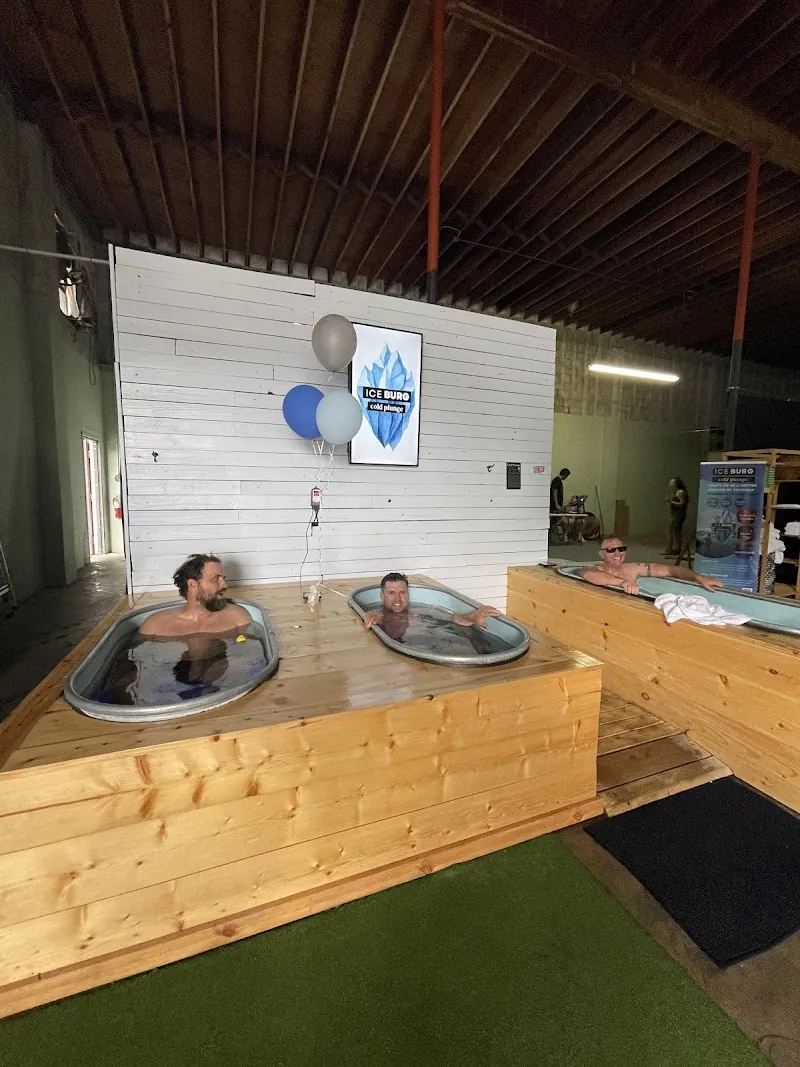
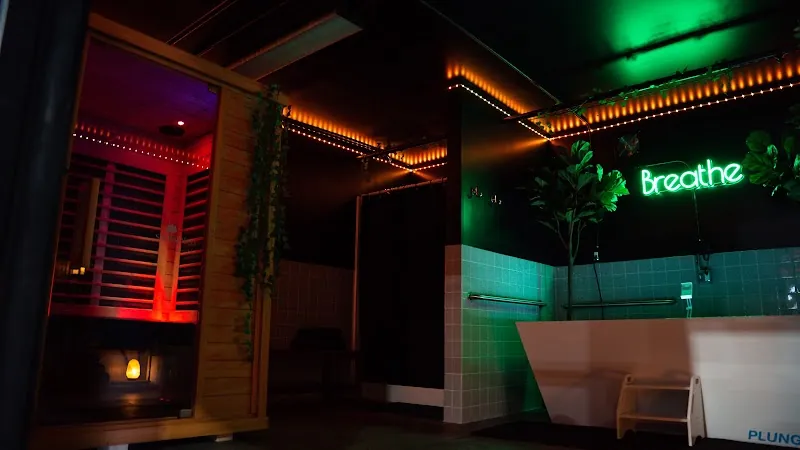
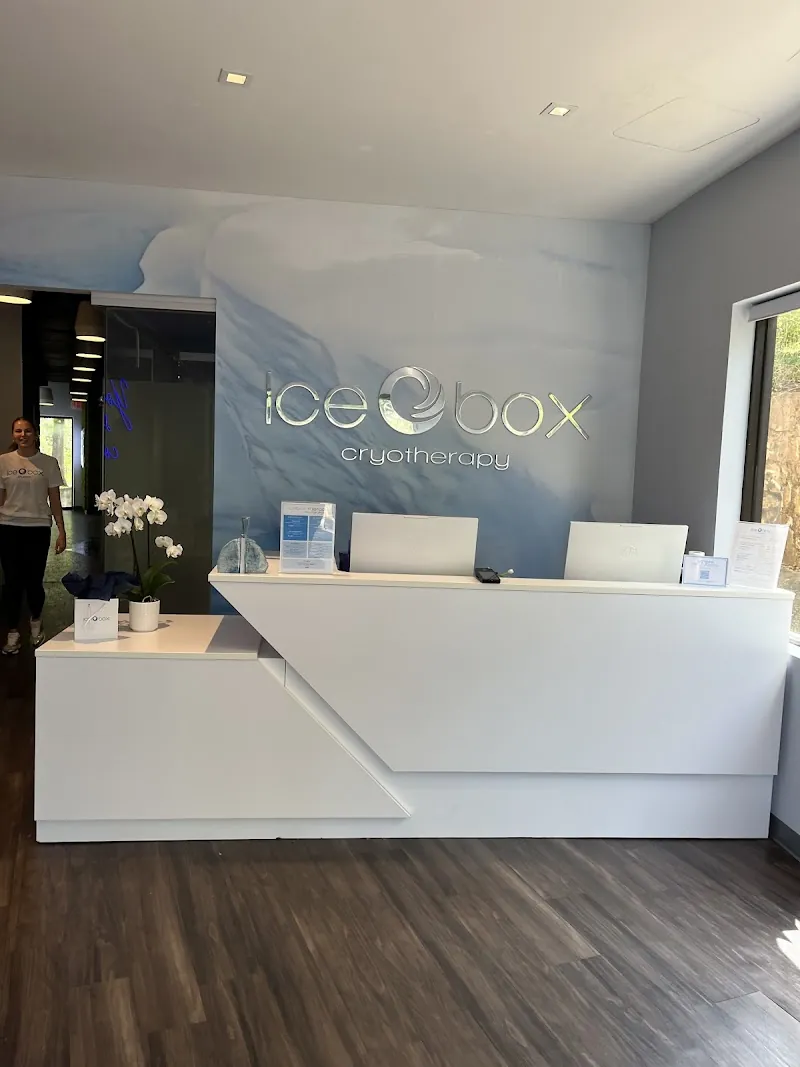
Walking into one for the first time, you might expect something clinical and intimidating. Most aren't. A lot of cold plunge spas and recovery wellness centers feel more like a modern gym or a spa, with changing rooms, showers, and a welcoming check-in desk. Some are standalone cold immersion centers. Others are part of larger contrast therapy studios that also offer sauna access, infrared therapy, or compression recovery gear.
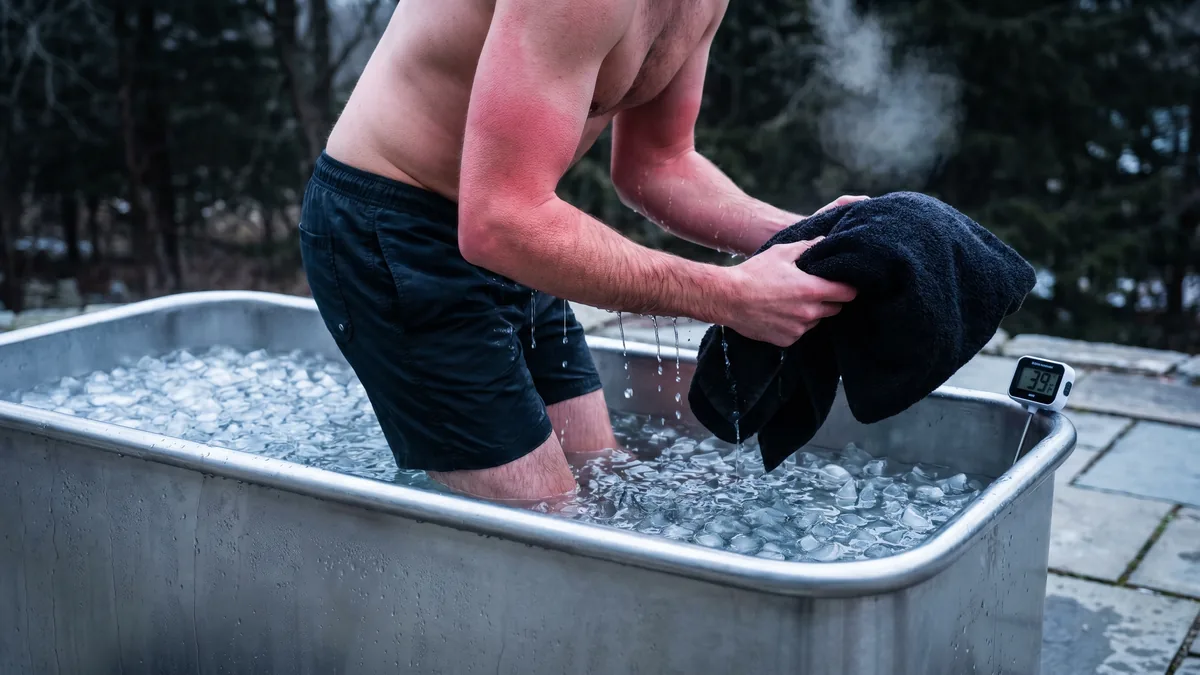
Check-in usually takes 10 to 15 minutes for first-timers. You'll fill out a health intake form, and a staff member will walk you through the process verbally. Good facilities do not just hand you a towel and point at the pool. They explain the temperature (usually listed on a display near the tank), recommended duration, and most importantly, how to breathe.
Breathing is everything in cold water. Staff at a quality cryotherapy spa or plunge pool spa will tell you to take a slow, controlled breath as you enter, resist the urge to gasp, and settle into a steady breathing rhythm. That first 15 to 20 seconds is when most beginners panic. Knowing that ahead of time genuinely helps.
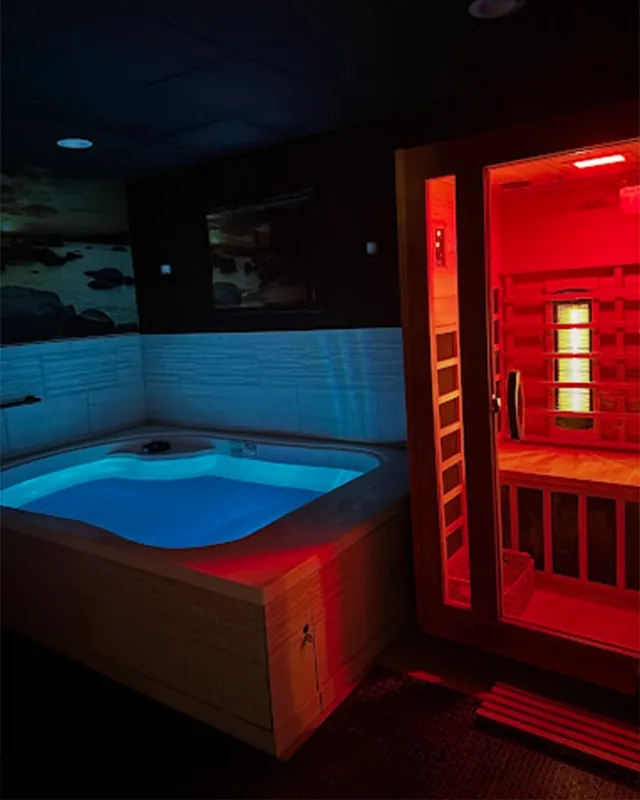
After the plunge, most facilities offer warming amenities: a sauna, heated relaxation room, warm towels, or at minimum a comfortable place to sit while your body normalizes. Some recovery wellness centers have juice bars or light snack stations nearby. (Side note: one place I visited kept a small basket of protein bars near the exit, which, after a cold plunge, felt like a thoughtful small touch that most people probably overlook when reading reviews.)
Session pricing varies widely. Standalone drop-in visits at a cold therapy studio might run $25 to $75 depending on the city and amenities. Membership models, which are common at larger recovery wellness centers, can bring per-visit costs down to $10 to $20 range. New York facilities, which lead the Cold Plunge Pal directory with 30 listed locations, tend to price higher than mid-market cities like Omaha, which has 20 listed facilities and generally more competitive pricing.
Step-by-Step: How to Prepare for and Complete Your First Cold Plunge
Steps 1 through 3: Before You Arrive
Step 1: Hydrate properly. Drink water consistently in the 24 hours before your session, not just the hour before. Cold immersion causes some fluid redistribution in the body, and starting dehydrated makes recovery harder. Aim for at least 2 liters across the day.
Step 2: Wear the right swimwear. Simple, fitted swimwear works best. Baggy shorts create drag and slow your entry. Some people wear neoprene socks for their first session to protect their feet from the shock of cold water, which is a perfectly reasonable move. Nothing wrong with it.
Step 3: Arrive early and talk to staff. Arrive 10 to 15 minutes before your session. Ask specific questions: What is the water temperature today? How long do you recommend for a first-timer? What do I do if I feel dizzy? A quality cold plunge facility will have confident, practiced answers. If the staff seems unsure or dismissive, that tells you something about the operation.
Steps 4 through 6: During the Plunge
Step 4: Controlled entry and breathing. Lower yourself in slowly. Do not jump in, especially the first time. As you enter, exhale fully, then take a slow nasal breath in. Your body will try to force a gasp reflex. Resist it. That first controlled breath is the single most important thing you can do in those opening seconds.
Step 5: Start short, aim for 60 to 90 seconds. First-timers do not need to hit the 3-minute mark. Sixty to ninety seconds in water between 50°F and 59°F is enough to trigger the physiological response you're after. Going longer on your first session does not dramatically increase benefits and just makes the experience more likely to go badly. Work up to longer sessions over multiple visits.
Step 6: Stay still and breathe. Moving around generates friction that warms a thin layer of water around your skin, which actually reduces the cold stimulus. Staying as still as possible keeps the experience consistent and helps your nervous system settle. Focus on your breathing. Count breaths if it helps. Mental stillness follows physical stillness here.
Steps 7 through 9: After the Plunge
Step 7: Warm up gradually, not immediately. Do not walk straight into a hot shower. Give your body 5 to 10 minutes to begin warming on its own. This natural rewarming is part of the process, and it's actually where some of the circulation benefits come from. Sit in a warm room, put on dry clothes, and let your body do its job.
Step 8: Rehydrate and eat lightly. Have water or an electrolyte drink within 20 minutes of finishing. Your body has just been through a real physiological event. Light, whole-food snacks work well here. If you're planning meals around your wellness routine anyway, it might be worth bookmarking resources like Salvage Grocery Stores, which lists discounted grocery options that can make stocking up on recovery foods easier on the budget.
Step 9: Track how you feel over the next 24 hours. Most people report improved mood, better sleep, and reduced muscle soreness in the day following a cold plunge session. Write it down or make a note in your phone. That data, your own personal data, is the best argument for going back.
Cold Plunge Facility Statistics: What the Data Tells Us
Cold Plunge Pal currently lists 1,934 businesses across its directory, and that number reflects something real about where this industry is right now. Cold water therapy went from fringe biohacker territory to mainstream wellness in roughly five years. Five years ago, finding a dedicated cold immersion center outside of a major city was genuinely difficult. Today, a city like Omaha has 20 listed facilities. Albuquerque has 19. That's not what most people would expect.
Anchorage sitting second on the list with 25 facilities is surprising until you think about it for a second. Cold water culture is embedded in Alaskan life in ways it simply isn't in most of the continental United States. The local demand was already there; the formal wellness industry just caught up.
The average rating of 4.9 stars across all listed cold plunge facilities, cryotherapy spas, and contrast therapy studios is honestly hard to explain unless service quality really is that consistent. That said, 4.9 is the kind of number you see when a business category is still populated mostly by passionate operators rather than low-margin chains. It will be worth watching whether that average holds as more mainstream gym chains and spa franchises move into the space.
In practice, the top-rated businesses in the directory tell an interesting story about where this practice is taking root.
| Business Name | Location | Rating | Reviews |
|---|---|---|---|
| Rock and Armor | Meridian, ID | 5.0 ★ | 1,448 |
| Pain Center of Rhode Island | Cranston, RI | 5.0 ★ | 1,207 |
| Fire & Ice Wellness | Bristol, England | 5.0 ★ | 1,199 |
| Next Health | New York, NY | 5.0 ★ | 1,142 |
| Remède IV Therapy + Aesthetics | Jackson, WY | 5.0 ★ | 948 |
Rock and Armor in Meridian, Idaho leads with 1,448 reviews at a perfect 5.0. Meridian is a suburb of Boise, not exactly the city you'd predict would host the most-reviewed cold therapy operation in the directory. The Pain Center of Rhode Island in Cranston, with 1,207 reviews, represents a slightly different model: a medical-adjacent facility that integrates cold therapy into a broader pain management and rehabilitation approach. That's a meaningful distinction for anyone coming to cold plunging for injury recovery rather than general wellness.
Typically, the presence of Fire and Ice Wellness in Bristol, England at 5.0 stars with 1,199 reviews also shows that the Cold Plunge Pal directory is reaching beyond U.S. borders. That's worth knowing if you're searching and seeing international results alongside local options.
Contrary to popular belief, the data does not show cold plunge culture as exclusively coastal or urban. Meridian, Cranston, Jackson, these are not the places you'd cite if you were making a case that cold water therapy is a trend for big-city wellness influencers. Demand is genuinely spread out.
New York: 30 listings. Anchorage: 25 listings. Omaha: 20 listings. Las Vegas: 19 listings. Albuquerque: 19 listings. If you're in or near any of these cities, access to a quality cold plunge facility is not a problem.
Frequently Asked Questions
How cold is a typical cold plunge?
Most professional cold plunge facilities and plunge pool spas keep their water between 45°F and 59°F (7°C to 15°C). Some advanced setups go colder, down to around 39°F, but those are generally not recommended for beginners. Ask the facility for the current temperature before you get in.
How long should a first-time cold plunge be?
60 to 90 seconds is the right target for a first session. That's long enough to trigger a real physiological response without overwhelming your nervous system. Over several visits, most people work up to 2 to 4 minutes. Going longer too soon doesn't accelerate benefits; it mostly just makes the experience harder than it needs to be.
What should I wear for a cold plunge?
Fitted swimwear is best. Boardshorts or loose swim trunks create drag and slow your entry. Some beginners wear neoprene socks to protect their feet, which is completely fine. Most cold immersion centers and contrast therapy studios will tell you the same thing.
Can I use a cold plunge every day?
Most recovery wellness centers and cold therapy practitioners recommend starting with 2 to 3 sessions per week and seeing how your body responds. Daily cold plunging is practiced by some experienced users, but for beginners, every-day immersion before your body has adapted can be fatiguing rather than restorative.
Is cold plunging safe for people with high blood pressure?
Cold water causes an immediate spike in blood pressure, so anyone with high blood pressure or a cardiovascular condition should consult their doctor before visiting an ice bath facility or cryotherapy studio. This is not optional advice. It's a real physiological risk that needs medical input.
What is contrast therapy?
Contrast therapy means alternating between hot and cold, typically a sauna or hot tub followed by a cold plunge, repeated in cycles. Many recovery wellness centers and contrast therapy studios offer this as a structured session. Research suggests it may improve circulation and recovery beyond cold alone, though individual responses vary.
Explore Related Directories
Find a Cold Plunge Facility Near You
Browse our directory of 1,934+ cold plunge businesses, cryotherapy studios, contrast therapy centers, and recovery wellness facilities. Average customer rating: 4.9 stars.
Search the Directory