Optimize Your Cold Plunge Routine for Maximum Benefits
You've heard about cold plunge therapy. Maybe a friend won't stop talking about it, or you watched some athlete on social media climb out of a tank looking annoyingly energized at 5am. You tried it once, stayed in for 45 seconds, hated every second, climbed out, and thought: what exactly am I supposed to be getting from this?
That's the gap nobody fills. There's a ton of content about why cold plunge therapy is great, but almost nothing about how to actually do it well, what temperature to target, how long to stay in, how often to go, and what kind of facility actually meets your needs. This article covers all of that, for beginners and for people who've been plunging for months but feel like they've hit a plateau.
What Cold Plunge Therapy Actually Does to Your Body
Cold water immersion is not magic. It is a physical stimulus with documented physiological responses, and understanding those responses is the first step to using them intentionally.
When you step into cold water, your blood vessels constrict fast. That's vasoconstriction. Your body is pulling blood away from the skin and limbs and sending it toward your core organs. This sharp shift in circulation is one of the main reasons athletes use an ice bath facility after training: it helps reduce localized inflammation in muscles and joints by slowing metabolic activity in the tissue. Think of it like hitting a pause button on the swelling process.
At the same time, your nervous system is going haywire in a useful way. Cold exposure triggers a norepinephrine release that can be two to three times higher than baseline levels. Norepinephrine is both a hormone and a neurotransmitter involved in focus, mood, and pain suppression. That post-plunge mental clarity people describe? That's largely this. Endorphins join the party too, which is why you feel oddly good ten minutes after climbing out of a cold water therapy center tank.
Research supports a few specific benefits: faster muscle recovery after resistance training, reduced delayed-onset muscle soreness (DOMS), improved mood and reduced anxiety, and something researchers call "cold shock adaptation," which basically means your stress response becomes more controlled over time. You get better at staying calm under pressure. That's the mental resilience angle, and it's real.
Now, cryotherapy is different. A cryotherapy studio exposes your body to extremely cold air, usually around -200°F to -250°F, for two to three minutes. Air conducts cold much less efficiently than water, so the actual tissue cooling effect is shallower. Cold water immersion goes deeper into muscle tissue. Contrast therapy, which we'll get into later, alternates hot and cold and adds a circulation-pumping effect that neither modality achieves alone. Different tools for different goals.
Norepinephrine spikes from cold exposure have been measured at 200-300% above baseline in some studies. This is why a lot of people use cold plunge sessions for mood and focus, not just muscle recovery. It's not placebo.
How to Prepare and What to Expect at a Cold Plunge Facility
Most people walk into a plunge pool spa totally unprepared and then wonder why it felt brutal. Preparation matters more than people think.
Hydrate before you go. Cold exposure causes a mild diuretic effect, and if you're already low on fluids, you'll feel worse coming out. Drink water in the hour before your session, nothing crazy, just don't show up thirsty. Avoid heavy meals for at least 90 minutes beforehand; your body's digestion competes with thermoregulation and you do not want both happening at once. Light movement or stretching before a session, even ten minutes of walking, helps because it raises your baseline circulation slightly, which makes the cold shock feel a little less violent on entry.
Walking into a cold immersion center for the first time can feel weirdly clinical or weirdly spa-like, depending on where you go. Most professional facilities run through an intake process: they'll ask about health conditions, explain the temperature of the water that day (usually listed somewhere visible), and walk you through basic safety rules. Pay attention to this part. It's not bureaucratic fluff.
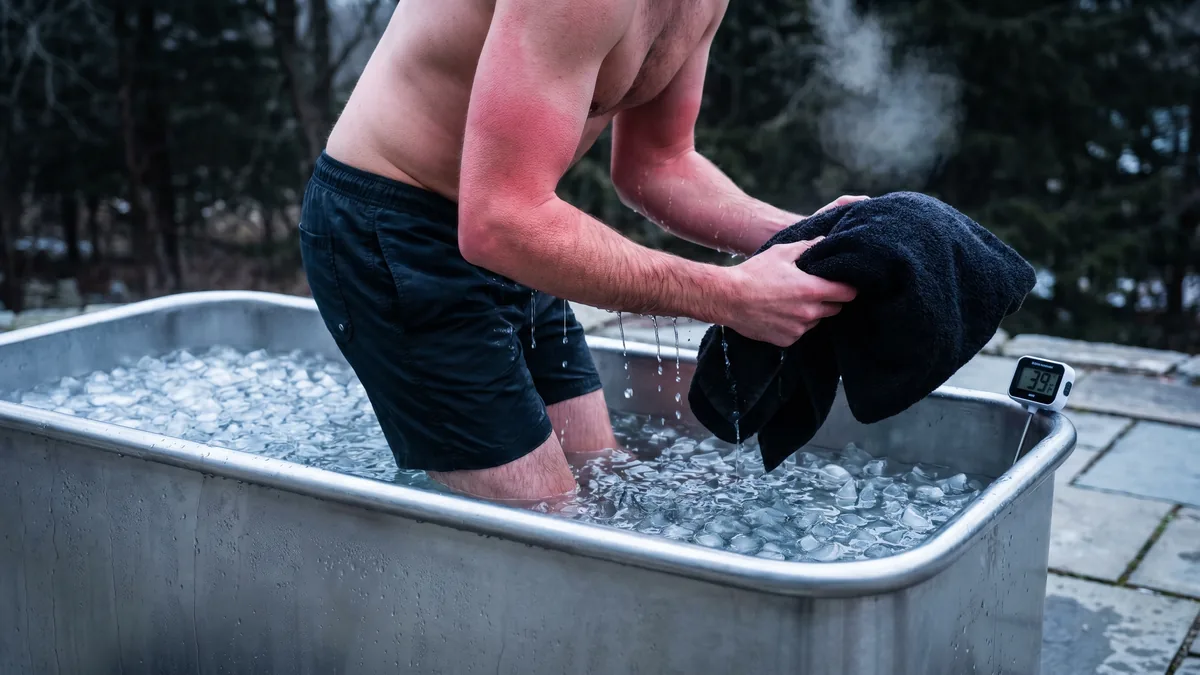
Water temperatures typically fall in two ranges. Beginners should aim for 55 to 65°F. That's cold enough to trigger the physiological response without being genuinely dangerous for someone unaccustomed to it. Experienced users often go to 39 to 50°F, which is near-freezing and produces a more intense stimulus. Do not skip straight to 45°F on your first session because you watched someone do it online. The adaptation process takes weeks, and going too cold too fast mostly just causes panic, not benefit.
Set a goal for each session before you get in. This sounds overthought, but it genuinely changes your experience. Going in for post-workout recovery? Focus on staying relaxed and breathing slowly to keep your muscles loose. Going for stress relief? Use it as a mindfulness session. Going for general wellness? Just commit to completing your target time. Having an intention keeps you from just suffering randomly, which is what most beginners do.
Temperature, Duration, and Frequency: The Numbers That Actually Matter
Here's where most people get it wrong: they think longer is better. It is not.
Two to ten minutes is the evidence-informed range, depending on experience level and water temperature. A beginner at 60°F might target two to three minutes. An experienced user at 45°F might go four to six minutes. Going beyond ten minutes at low temperatures increases the risk of hypothermia and actually starts to impair rather than support recovery. Your body has absorbed the stimulus it needs well before the ten-minute mark in most cases.
Progress gradually. If you're at 60°F and three minutes feels manageable, drop the temperature by a few degrees or add a minute, not both at once. Give yourself two to three weeks at each level before pushing further. This is boring advice, but it's the right advice.
Frequency is where people also mess up, just in the opposite direction. Some go once and expect miracles. Some go every single day and wonder why they're exhausted. Two to four sessions per week is the commonly cited range for sustained benefit, with at least one rest day between sessions when possible. A good recovery wellness center will often let you build a membership around this cadence, which makes consistency easier than paying per session each time.
And consistency is what actually produces results. Not intensity. One brutal session at 38°F does less for you long-term than three moderate sessions a week at 50°F, done consistently for two months.
2-4 sessions per week is the sweet spot most practitioners and researchers point to. More than that and you're likely not recovering between sessions. Less than twice a week and the adaptation benefits start to fade.
Cold Plunge Facilities Across the U.S.: What the Data Shows
Cold Plunge Pal currently lists 1,934 businesses across five major cities. That number alone says something about how fast this industry has grown. These aren't all boutique wellness spots for people with disposable income in coastal cities either, the geographic spread is genuinely interesting.
New York leads with 30 listings, which isn't surprising for a city that adopts wellness trends fast and has the population density to support specialized facilities. But Anchorage, Alaska sits at 25 listings, which, honestly, makes sense when you think about it. Cold water access is practically a cultural tradition up there. Omaha comes in at 20 listings, Las Vegas at 19, and Albuquerque also at 19. Omaha and Albuquerque especially suggest this has moved well past being a coastal fad. Mid-sized cities are now sustaining real cold therapy studio demand.
Average customer rating across all listed facilities sits at 4.9 stars. That's unusually high, even accounting for the fact that people who seek out specialized wellness services tend to leave more positive reviews than average. It suggests the facilities that have made it into the directory are generally delivering on what they promise.
Top-Rated Cold Plunge Facilities
| Business Name | Location | Rating | Reviews |
|---|---|---|---|
| Rock and Armor | Meridian, ID | 5.0 ★ | 1,448 |
| Pain Center of Rhode Island | Cranston, RI | 5.0 ★ | 1,207 |
| Fire & Ice Wellness | Bristol, England | 5.0 ★ | 1,199 |
| Next Health | New York, NY | 5.0 ★ | 1,142 |
| Remède IV Therapy + Aesthetics | Jackson, WY | 5.0 ★ | 948 |
Rock and Armor in Meridian, Idaho has 1,448 reviews at a perfect 5.0. Meridian is a suburb of Boise, not exactly a major metro, which makes that review count remarkable. It means people are going back regularly and telling others about it. That's what a genuinely good cold plunge facility looks like in practice: high volume, high satisfaction, in a place you wouldn't necessarily expect it.
Contrast Therapy, Breathwork, and Advanced Techniques
Once you've got a solid baseline with cold plunge sessions, contrast therapy is the next thing worth trying.
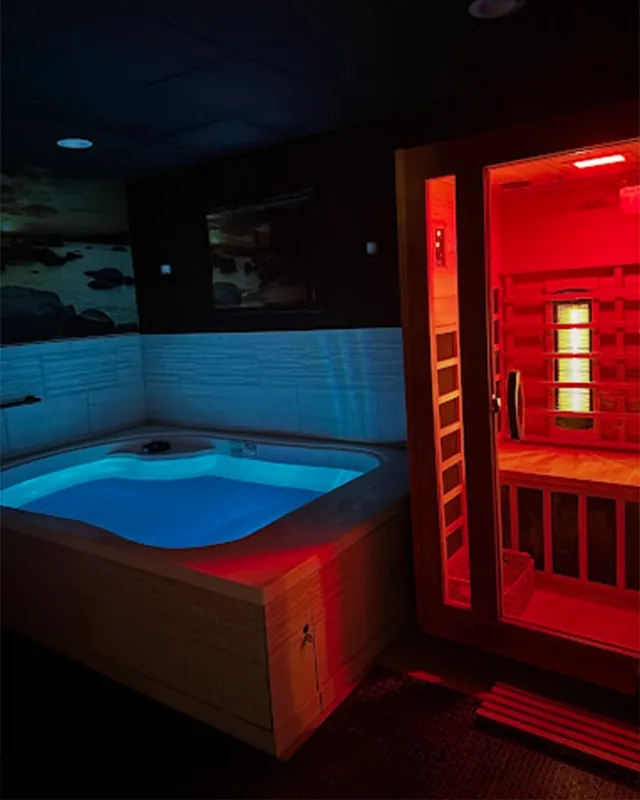
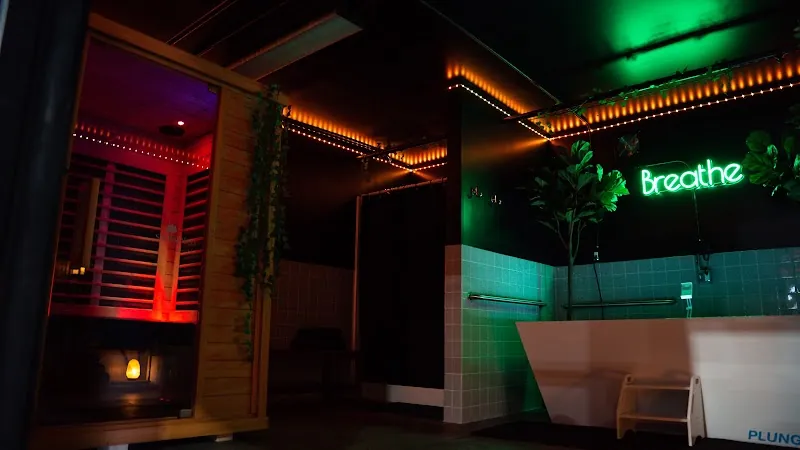
A contrast therapy studio typically runs alternating hot and cold cycles. Common structure: three minutes in a sauna or hot tub, followed by one minute in cold water. Repeat three to four rounds. What this does is create a kind of vascular pump. Vessels dilate in the heat, constrict in the cold, dilate again, and so on. Circulation improves more dramatically than with cold alone. Recovery benefits are similar but the overall effect on how you feel afterward is noticeably different: most people describe it as more energizing and less of a grind than straight cold immersion.
If budget is something you're watching while building out a wellness routine, it's worth knowing that some people meal-prep heavily on weeks they're spending money on sessions at a recovery wellness center. Oddly enough, places like salvage grocery stores can help offset costs elsewhere in your lifestyle, freeing up more budget for the health practices that actually require professional equipment.
Breathwork is the other piece that experienced users swear by, and it's mostly ignored by beginners. Controlled diaphragmatic breathing, slow exhale through the mouth, steady inhale through the nose, does something specific during a cold plunge. It keeps your parasympathetic nervous system engaged, which means you're not fully in panic mode, which means you can stay in longer and actually absorb the benefits rather than spending all your mental energy on survival. Practice this breathing pattern before you get in, not just while you're already in cold water trying to remember how lungs work.
Some practitioners also use breath holds, but that's advanced territory. Do not attempt breath holds alone or in water without supervision. Ever. This is a hard rule, not a soft suggestion.
Choosing the Right Cold Plunge Facility for Your Needs
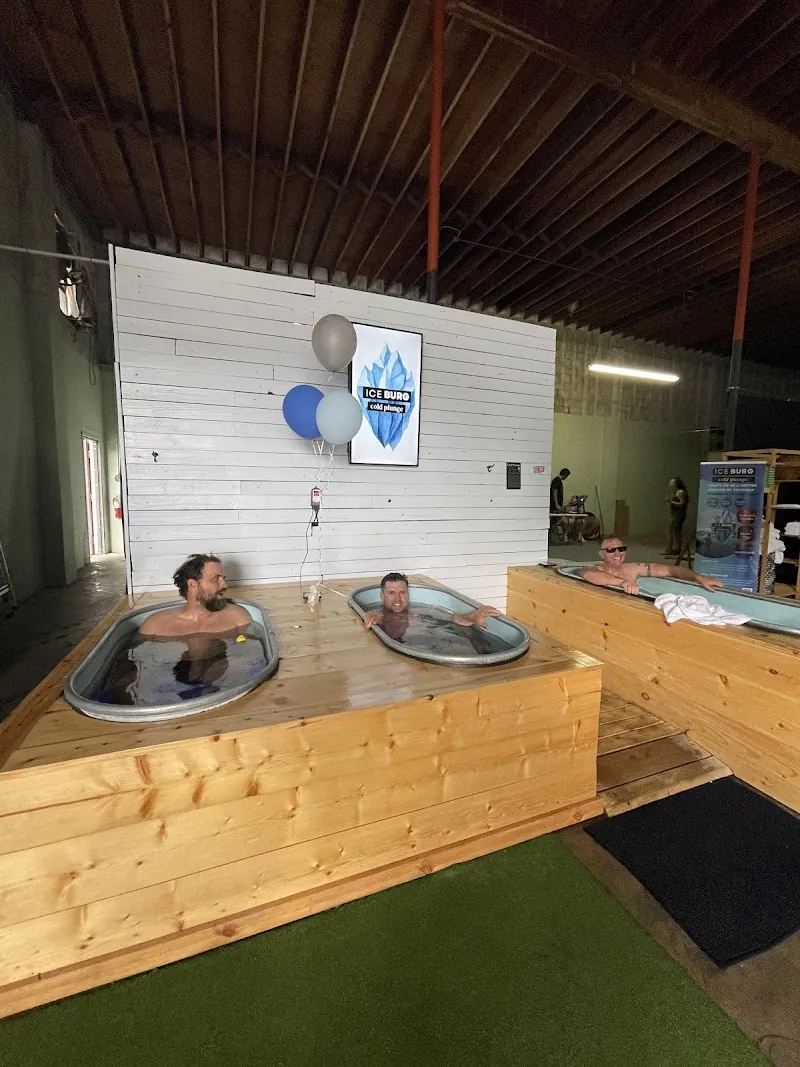
Not every cold water therapy center is the same, and the differences matter depending on what you're after.
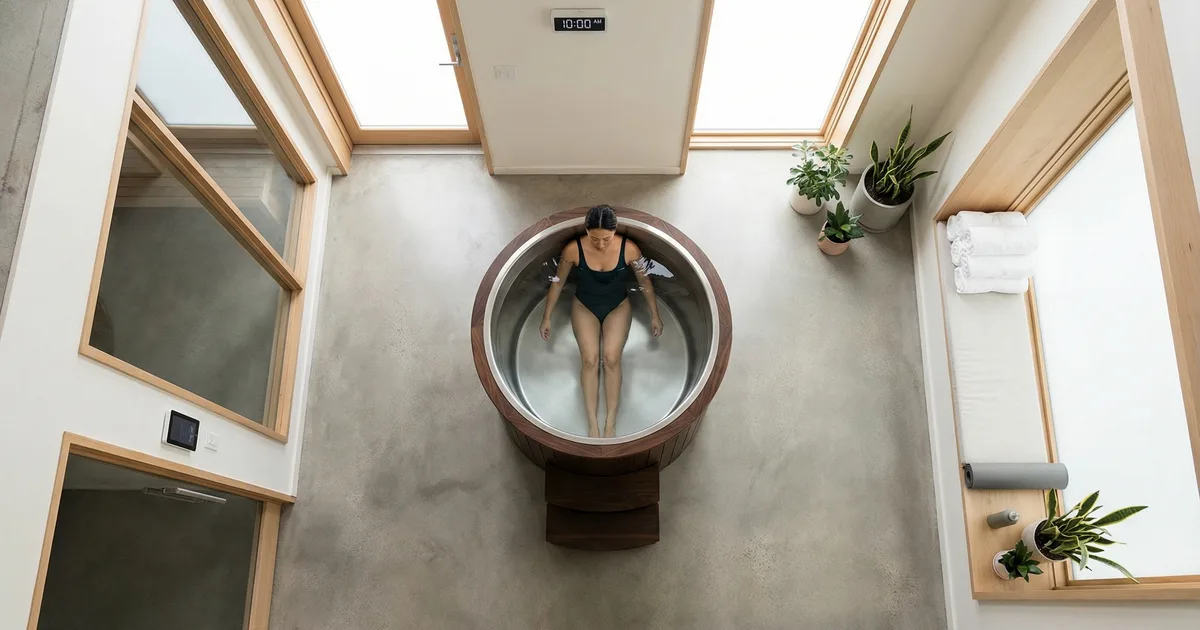
Start with temperature control. A quality cold plunge facility should be able to tell you the exact water temperature that day. Vague answers like "it's cold" are a red flag. Good places monitor and maintain water temperature consistently, usually with a visible gauge or digital display somewhere near the tank. If they can't tell you the temperature, you can't track your progress or safety accurately.
Cleanliness is obvious but worth naming. High-turnover facilities need good filtration and regular chemical maintenance. Ask about their water treatment process. This is not paranoid; it's basic hygiene due diligence for any plunge pool spa you're going to be submerging your body in.
Check what else the facility offers. A stand-alone cold plunge tank is fine, but a place with sauna access, hot tubs, or infrared options gives you the contrast therapy option when you're ready for it. Memberships at these places also tend to make more financial sense than per-session fees once you're going two to four times a week.
Staff knowledge matters more than the decor. Go somewhere that can answer your questions about protocol, contraindications (cold immersion isn't for everyone, people with certain heart conditions or Raynaud's disease need medical guidance first), and progression. Some of the best facilities I've read about online are in unremarkable strip malls with mediocre websites but staff who actually know what they're talking about.
For people managing chronic pain or recovering from injury, a place like the Pain Center of Rhode Island, which sits at 5.0 stars with over 1,200 reviews, shows what a medically oriented cold immersion center can look like. Not every cold plunge spot needs to be medical-grade, but if you're dealing with a specific condition, look for facilities that have staff with actual credentials, not just enthusiasm.
Ask these three questions before booking at any cold plunge facility: What is the water temperature today? How do you treat and filter the water? Do you have a progression protocol for new members? If they can answer all three clearly, you're probably in good hands.
One more thing worth mentioning: some cryotherapy spas bundle cold plunge access with cryo sessions as a package. If you're curious about both modalities, this can be a cost-effective way to experiment. Just remember they produce different types of cold exposure, so track your responses separately and don't conflate the results.
And if you're traveling, the Cold Plunge Pal directory is genuinely useful for finding a nearby cold therapy studio in an unfamiliar city. With 1,934 businesses listed and a 4.9-star average across them, the directory skews toward facilities that have actually earned their reputation rather than just having a nice Instagram page.
Frequently Asked Questions
How cold does the water need to be to get benefits from a cold plunge?
You don't need near-freezing water to get real benefits. Research shows that water in the 55-65°F range triggers the main physiological responses: vasoconstriction, norepinephrine release, and reduced inflammation. Beginners should start here. Experienced users often drop to 39-50°F for a stronger stimulus, but the marginal benefit above what 55°F already provides is debated.
How long should I stay in a cold plunge?
Two to ten minutes, depending on water temperature and your experience level. Beginners at 60°F might target two to three minutes. Experienced users at 45°F might go four to six minutes. Longer than ten minutes is not more beneficial and starts to carry real risk. Shorter sessions done consistently beat one long session done rarely.
Is cold plunge therapy safe for everyone?
No. People with certain cardiovascular conditions, Raynaud's disease, or uncontrolled high blood pressure should consult a doctor before using any cold immersion center. Pregnant women should also get medical guidance first. Most professional cold plunge facilities will ask about health conditions during intake for exactly this reason.
What is the difference between a cold plunge and cryotherapy?
Cold plunge therapy uses cold water, which conducts cold much more efficiently into body tissue than air does. A cryotherapy studio uses extremely cold air at -200°F to -250°F for two to three minutes. Water immersion tends to produce deeper tissue cooling and is better supported by research for muscle recovery. Cryotherapy sessions are shorter but the effects are less well-documented for deep tissue benefits.