Integrating Cold Plunge into Your Wellness Lifestyle
https://pub-9a4dedcce6dc4846a9c4647f79a2e5fc.r2.dev/cold-plunge-pal/blog/integrating-cold-plunge-into-your-wellness-lifestyle/hero-1771904789.webp
Most people think cold plunge therapy is something elite athletes do in secret. That assumption is about ten years out of date. With nearly 2,000 cold plunge businesses now listed on directories like Cold Plunge Pal, this practice has quietly become one of the most accessible wellness tools available to everyday people, not just professional sports teams with fancy recovery rooms.
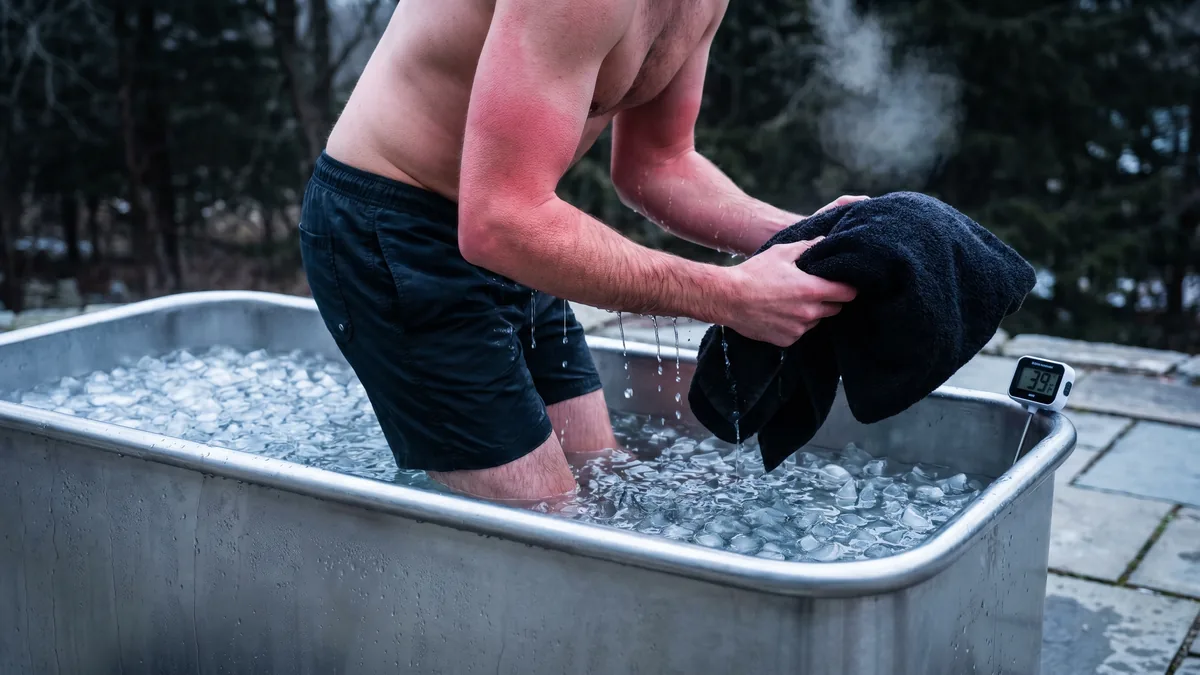
Cold water immersion works by triggering a rapid physiological response the moment your body hits water that is typically between 39°F and 59°F. Your blood vessels constrict, your heart rate spikes briefly, your nervous system floods with norepinephrine, and your body kicks into a kind of controlled survival mode. It sounds intense because it is. But that intensity is precisely what drives the benefits people keep coming back for.
This article is meant to take you from "I've heard of this" to actually knowing what to do with that information, including which facilities exist near you, what science says about why this works, and how to make it a real part of your week rather than a one-time experiment you forget about by March.
What Cold Plunge Facilities Actually Look Like (And What They Offer)
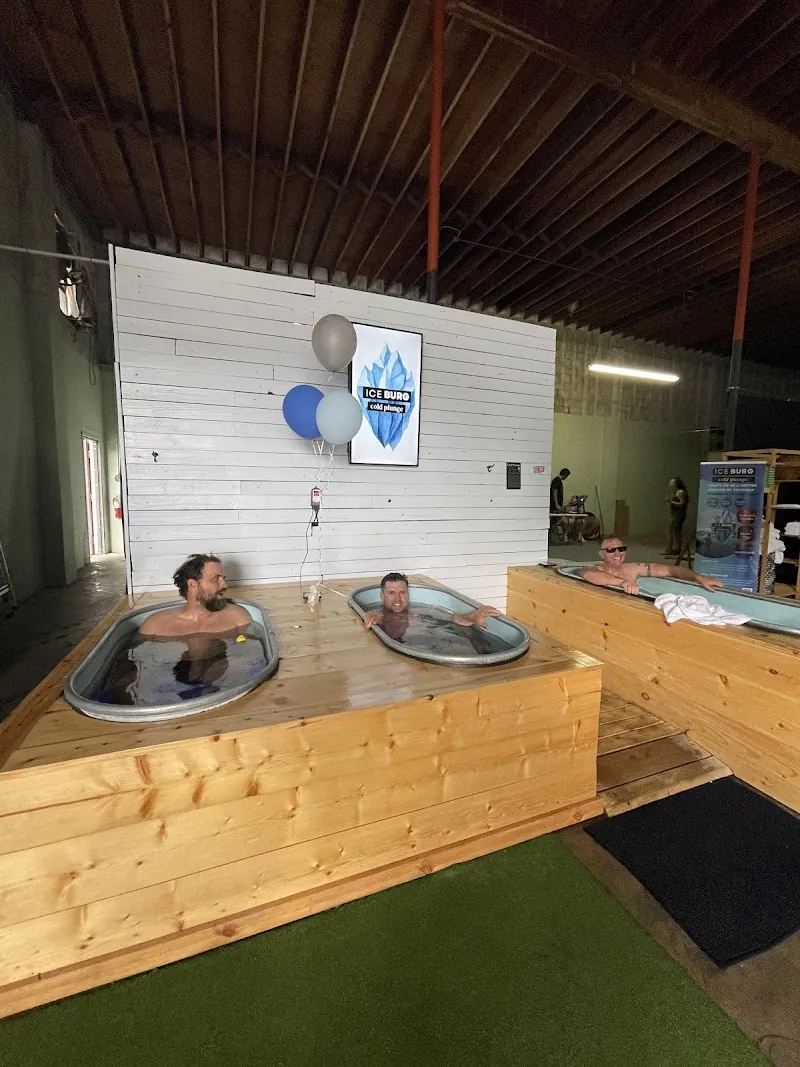
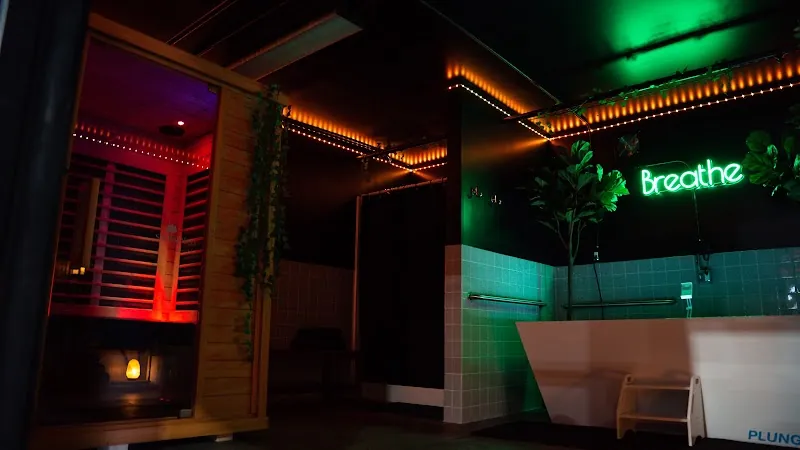
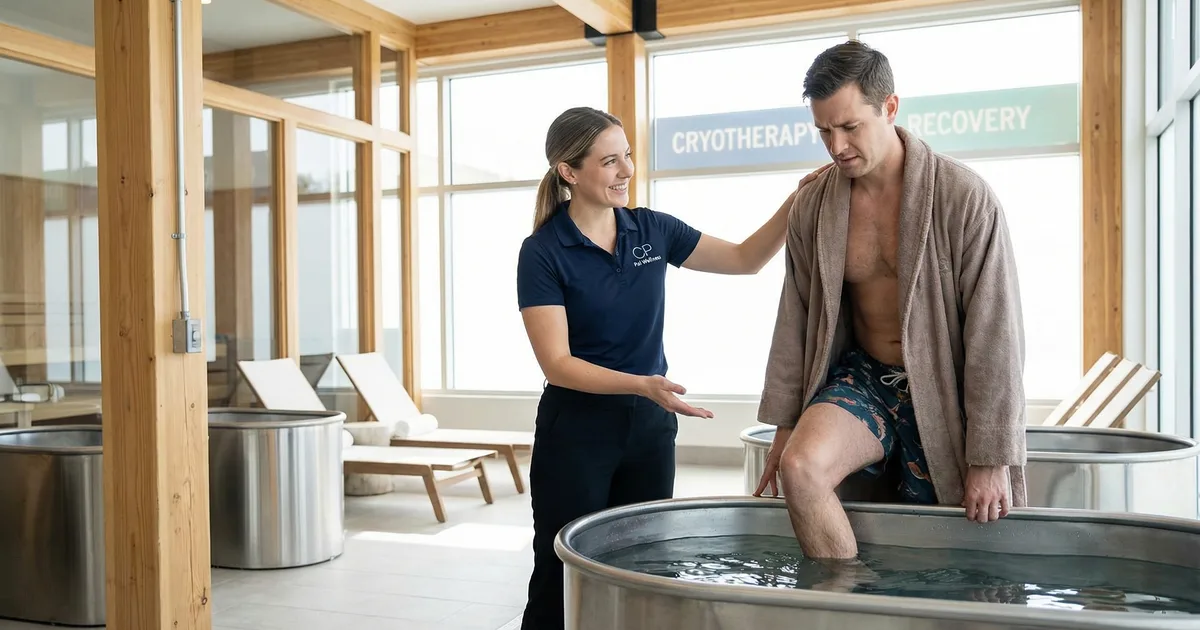
Walking into one for the first time can be disorienting. Some cold plunge facilities look like athletic recovery centers with rows of cylindrical tubs and a clinical vibe. Others feel more like boutique spas, with mood lighting, warm towels waiting for you on a bench, and staff who walk you through a guided protocol before you ever get near the water. And some, honestly, are somewhere in between and slightly hard to categorize.
There is a real range here. Ice bath facilities tend to be straightforward: a tub, cold water, a timer. Cold water therapy centers often layer in additional services like compression therapy or infrared light. A cryotherapy studio may offer both whole-body cryo chambers and cold immersion tubs, sometimes in the same session. Plunge pool spas tend to have a more luxurious setup, sometimes with mineral-treated water or private rooms. Recovery wellness centers frequently bundle cold immersion with sauna access, making contrast therapy (alternating between hot and cold) their main draw.
What you want to look for when evaluating any cold immersion center for the first time is pretty simple: Are the tubs clean? Does the staff actually know what they're talking about, or are they just there to press a timer? Is the water temperature monitored and consistent? Good facilities will tell you the exact water temp before you get in. If they can't answer that question, that's a signal worth paying attention to.
Ask about water temperature range, session duration options, staff certifications, and cleaning protocols. A quality cold plunge facility will answer all of these without hesitation. If they seem annoyed by basic questions, keep looking.
Contrast therapy studios deserve a specific mention because they've grown fast over the past few years. Alternating between sauna heat (usually around 170°F to 190°F) and cold water (as low as 40°F) in timed cycles creates a kind of cardiovascular workout for your blood vessels. Many people find this format far more approachable than straight cold immersion because the heat portion feels rewarding, and it breaks up the psychological difficulty of the cold.
What the Science Actually Says About Cold Water Therapy
Let's be honest about something: the wellness industry has a history of overpromising. So it's worth being specific about what research actually supports when it comes to cold water therapy benefits, rather than just listing every possible claim.
Reduced inflammation is probably the most well-supported benefit. Cold water constricts blood vessels and slows metabolic activity in tissue, which limits the inflammatory response after intense exercise. This is why athletes have used ice baths for decades. Studies have consistently shown that post-exercise cold immersion reduces delayed onset muscle soreness, though the optimal timing and duration still varies between individual studies.
Circulation improvement is a slightly more complex story. During cold immersion, blood flow is redirected toward your core organs. When you exit the water and warm up, blood rushes back out to your extremities. Repeated exposure to this cycle can, over time, improve vascular tone, essentially training your blood vessels to respond more efficiently to temperature changes. That's not a miracle. It's just physiology.
And then there's the mental health piece, which honestly catches a lot of people off guard. Cold water immersion triggers a significant release of norepinephrine, sometimes as much as 300% above baseline according to some research out of Finland. Norepinephrine affects focus, mood, and stress response. Regular cold plunge users frequently report feeling calmer under pressure in daily life, and there's a growing body of evidence supporting cold exposure as a complementary approach to managing mild anxiety and low mood. Not a replacement for professional care. A complement to it.
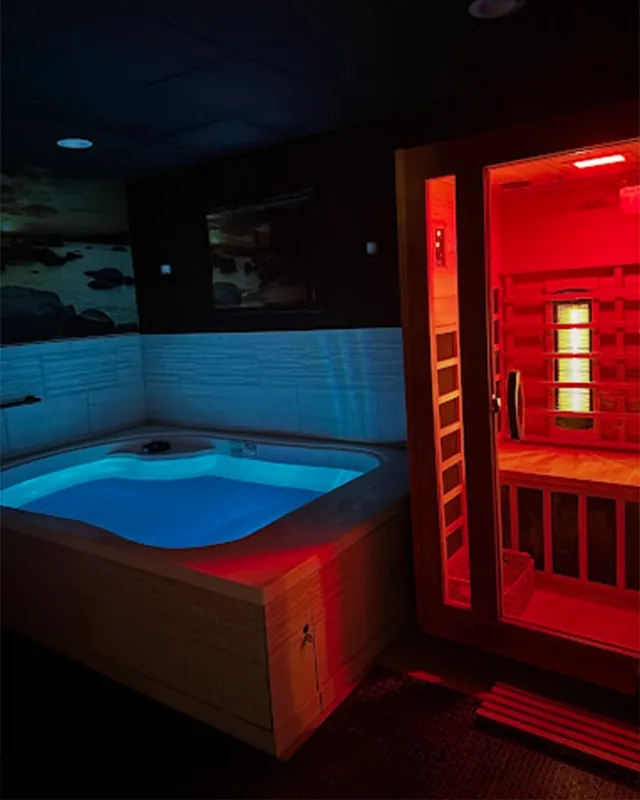
https://pub-9a4dedcce6dc4846a9c4647f79a2e5fc.r2.dev/cold-plunge-pal/blog/integrating-cold-plunge-into-your-wellness-lifestyle/inline-1771904834.webp [INLINE_ALT_1: Contrast therapy studio with adjacent sauna and cold plunge tubs]Contrast therapy, offered at many cryotherapy spas and recovery wellness centers, seems to amplify some of these circulatory benefits because the alternating signals to dilate and constrict push the vascular system harder than cold alone. Some sports medicine practitioners now prefer it over cold-only protocols for this reason.
Cold plunge is not a cure for anything. People who get the most out of it treat it as one piece of a broader approach that includes sleep, nutrition, and movement. If you're hoping one icy dip fixes your chronic back pain, you'll be disappointed. If you're adding it consistently to an already reasonable wellness routine, you'll probably notice real differences within three to four weeks.
Cold Plunge Access Across the United States: The Data Is Surprising
Cold Plunge Pal currently lists 1,934 businesses across the country, and the geographic spread is genuinely interesting. New York leads with 30 listings, which makes obvious sense given population density. But Anchorage, Alaska has 25 listings. Omaha, Nebraska has 20. Las Vegas has 19, and Albuquerque has 19 as well.
Anchorage having 25 cold plunge facilities is a fun detail to sit with for a second. You'd think Alaskans would get their fill of cold just by existing outdoors from October through April. But apparently intentional, structured cold immersion is a different enough experience that people there still seek it out at dedicated facilities.
What this spread really suggests is that demand is not just a coastal, urban, high-income phenomenon. Omaha and Albuquerque are not cities typically associated with luxury wellness trends, and yet both have meaningful concentrations of cold plunge businesses. That's a signal that this practice has crossed into genuinely mainstream territory.
Average customer ratings across these 1,934 listings sit at 4.9 stars. That's a remarkably consistent number and probably reflects both genuine service quality and the fact that people who seek out a cold therapy studio are usually pretty motivated and appreciative when they find a good one.
Top-Rated Cold Plunge Facilities by Review Count
| Business Name | Location | Rating | Reviews |
|---|---|---|---|
| Rock and Armor | Meridian, ID | ⭐ 5.0 | 1,448 |
| Pain Center of Rhode Island | Cranston, RI | ⭐ 5.0 | 1,207 |
| Fire & Ice Wellness | Bristol, England | ⭐ 5.0 | 1,199 |
| Next Health | New York, NY | ⭐ 5.0 | 1,142 |
| Remède IV Therapy + Aesthetics | Jackson Hole, WY | ⭐ 5.0 | 948 |
Rock and Armor in Meridian, Idaho sits at the top with 1,448 reviews and a perfect 5.0 rating. Meridian is a suburb of Boise, and this facility has clearly built a genuinely devoted local following. That kind of review volume at a perfect score is rare and suggests they've figured out something worth paying attention to, whether that's consistency, staff quality, or just creating an experience that people actually want to tell others about.
Building Cold Plunge Into Your Weekly Routine Without Burning Out
Here is where most people go wrong. They try cold plunge for the first time, go in too cold for too long, feel terrible afterward, and conclude it's not for them. That's like trying to run a 10K with no training and deciding running is a bad activity.
Start at around 55°F to 60°F for two minutes. That's it. Do that twice a week for two or three weeks. Then drop the temperature by a few degrees, or extend to three minutes. Your nervous system needs time to adapt, and the psychological adaptation matters just as much as the physical one. Getting comfortable with discomfort is a skill you build incrementally.
For people focused on recovery, two to three sessions per week after hard training days tends to work well. For people coming at this from a stress management or mental clarity angle, morning sessions seem to work better than evening ones because the norepinephrine boost can interfere with sleep if you plunge too late in the day. Worth knowing before you schedule a 9pm session.
Cold plunge pairs particularly well with sauna use, strength training, yoga, and even breathwork practices. If you're using a contrast therapy studio that offers both sauna and cold, a good starting protocol is three rounds of fifteen minutes hot followed by two to three minutes cold, ending on cold. Ending on cold matters. It leaves your body in a state of active warming, which many people find energizing rather than fatiguing.
On the nutrition side, if you're training hard and using cold plunge as a recovery tool, you're probably already thinking about fueling well around your sessions. For people looking to stretch their grocery budget while keeping their fridge stocked with quality whole foods, Salvage Grocery Stores is a directory worth bookmarking. Eating well doesn't have to be expensive, and recovery is as much about what you're putting in as what you're doing with your body.
How to Choose a Facility That's Actually Right for You
Pricing structures vary a lot between facilities. Some cold plunge locations charge by the session, usually between $25 and $60 for a drop-in visit depending on what's included. Others offer monthly memberships that can range from $80 to $200+ and may include unlimited sessions or a set number per month. If you're going two to three times a week, a membership almost always makes more financial sense, but it's worth doing that math for your specific usage pattern before signing anything.
Ask about what's included beyond the cold water itself. Does a session at this cold immersion center include sauna access? Guided breathwork before the plunge? Compression therapy afterward? Some recovery wellness centers bundle all of this into one fee and others charge a la carte. Knowing what you're paying for matters.
Using a directory like Cold Plunge Pal to filter by location, read real reviews, and compare services is genuinely useful here. With 1,934 businesses listed, you're likely to find multiple options within a reasonable distance no matter where you live, and the average 4.9-star rating across listings means you're generally starting from a high baseline of quality. Reading a few dozen reviews for a specific facility will usually tell you more than any promotional description on their own website.
I would pick a facility with a slightly higher drop-in price but great staff over a cheaper place with indifferent service every time. The guidance you get during those first few sessions shapes whether you stick with this long-term.
What is the water temperature, and is it consistently maintained? Do they offer guided sessions for first-timers? What's the cancellation policy? Is there a trial rate or intro offer? Can you combine cold plunge with sauna in the same visit? These aren't picky questions. They're just smart ones.
Frequently Asked Questions
How cold should the water be for a cold plunge?
Most cold plunge facilities keep water between 45°F and 59°F. Beginners are usually better served starting at the warmer end of that range, around 55°F to 58°F, and working down over several weeks. Going too cold too fast tends to make the experience unpleasant rather than productive and often causes people to quit before they see any benefit.
How long should a cold plunge session last?
Two to five minutes is the standard range for most people. Professional athletes sometimes go longer, but for general wellness purposes, anything beyond ten minutes offers diminishing returns and can carry real risks like hypothermia if the water is very cold. Start short. Consistency over weeks matters more than duration in any single session.
Is cold plunge safe for everyone?
Not quite. People with cardiovascular conditions, Raynaud's disease, or certain autoimmune conditions should check with a doctor before using any cold water therapy center. Cold immersion causes immediate cardiovascular stress, which is manageable for healthy adults but may not be appropriate for everyone. Good facilities will ask about your health history before your first session, and if they don't, that's a gap worth flagging.
What is contrast therapy and is it better than cold alone?
Contrast therapy means alternating between hot (usually sauna) and cold immersion in repeated cycles. Many sports medicine practitioners favor it for circulatory benefits because the alternating signals to blood vessels are more challenging than cold alone. Whether it's "better" depends on your goal. For muscle recovery and circulation, contrast therapy has strong support. For a focused mental clarity or stress response effect, cold alone may be sufficient.
How many times per week should I do cold plunge?
Two to four times per week is a reasonable range for most people. Recovery-focused users often time sessions around their hardest training days. Mental wellness-focused users tend to do better with a regular schedule regardless of training load, say every Monday, Wednesday, and Friday morning. More than five sessions per week is probably overkill for most people and may blunt some of the adaptive benefits.
Can I do cold plunge at home instead of a facility?
Yes, though home setups have real limitations. A bathtub packed with ice is the cheapest approach but hard to maintain at a consistent temperature. Purpose-built home cold plunge tubs exist and range from about $500 to $5,000+. For people who are serious about regular practice, a home unit can pay for itself over time compared to facility drop-in fees. But starting at a proper cold plunge facility first, to learn correct technique and understand how your body responds, is genuinely the smarter approach.
Explore Related Directories
Find a Cold Plunge Facility Near You
Browse our directory of 1,934+ cold plunge businesses across the United States, rated an average of 4.9 stars by real customers. Whether you're looking for an ice bath facility, a contrast therapy studio, or a full recovery wellness center, Cold Plunge Pal makes it easy to find and compare your local options.
Search the Directory