Ice Bath Recovery Wellness: How to Save Money While Rejuvenating Your Body
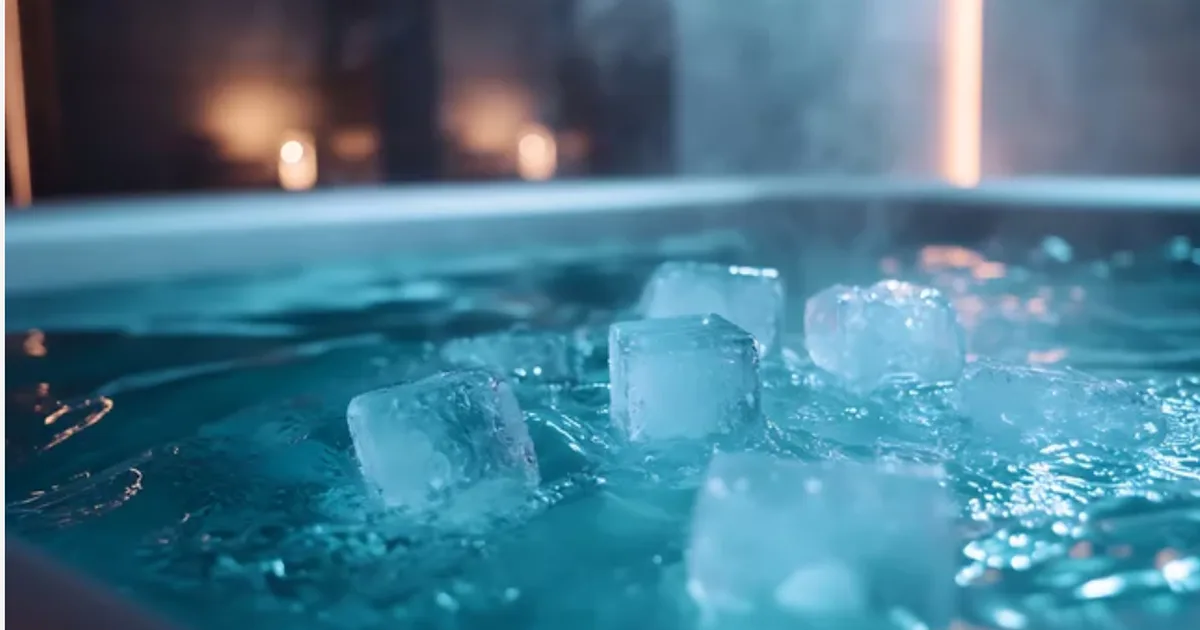
Is cold water therapy actually worth the hype?
Short answer: yes, and the numbers back it up. Cold water therapy has moved well beyond the realm of elite sport recovery and into everyday wellness culture, and for good reason. Millions of people are sliding into ice-cold water, sitting in cold plunge pools, and walking out of cryotherapy studios feeling genuinely better, and the industry has grown to reflect that demand. Right now there are 1,934 cold plunge and ice bath facilities listed across the country, which is a staggering number when you stop to think about how niche this felt even a decade ago. What was once a secret of professional athletes and extreme sports enthusiasts is now something you can find in most mid-sized cities, often with a membership price that is not all that different from a gym.
This article is going to cover a lot of ground. You will learn what actually happens to your body during cold immersion, which types of facilities offer what kinds of services, who stands to benefit most, and, most importantly, how to keep the cost from becoming a barrier. Because that is the part most articles skip. They will tell you cold therapy is amazing and then leave you staring at a $60 single-session price tag with no idea how to make it work long-term. We're going to fix that.
Myth #1: Cold Water Therapy Is Just for Elite Athletes
This one persists because the images you see online are almost always of professional athletes, Olympians, or extremely fit people in tubs full of ice. That framing sticks. But walk into any actual cold water therapy center on a Tuesday morning and you will see a different picture entirely: office workers, retirees, people managing arthritis, parents who just want to sleep better, and yes, some gym people too. Cold immersion is not a performance tool reserved for the few. It is a recovery tool, and recovery is something every human body needs.
The science does not care whether you ran a marathon or just had a stressful week. When you enter cold water, your body does the same things regardless of who you are. Blood vessels constrict immediately, reducing blood flow to the extremities and pulling it toward your core and vital organs. This is vasoconstriction, and it is the first domino. When you get out, blood rushes back through your body, flushing out metabolic waste products and reducing inflammation in the process. Meanwhile, your brain releases a flood of norepinephrine, which is a neurotransmitter associated with focus, mood elevation, and pain reduction. People with chronic joint inflammation often find consistent cold plunge sessions genuinely helpful, and the research on that keeps getting stronger.
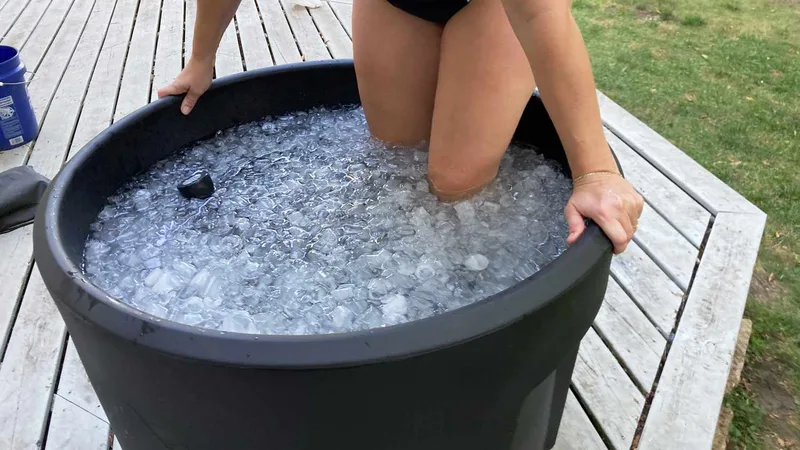
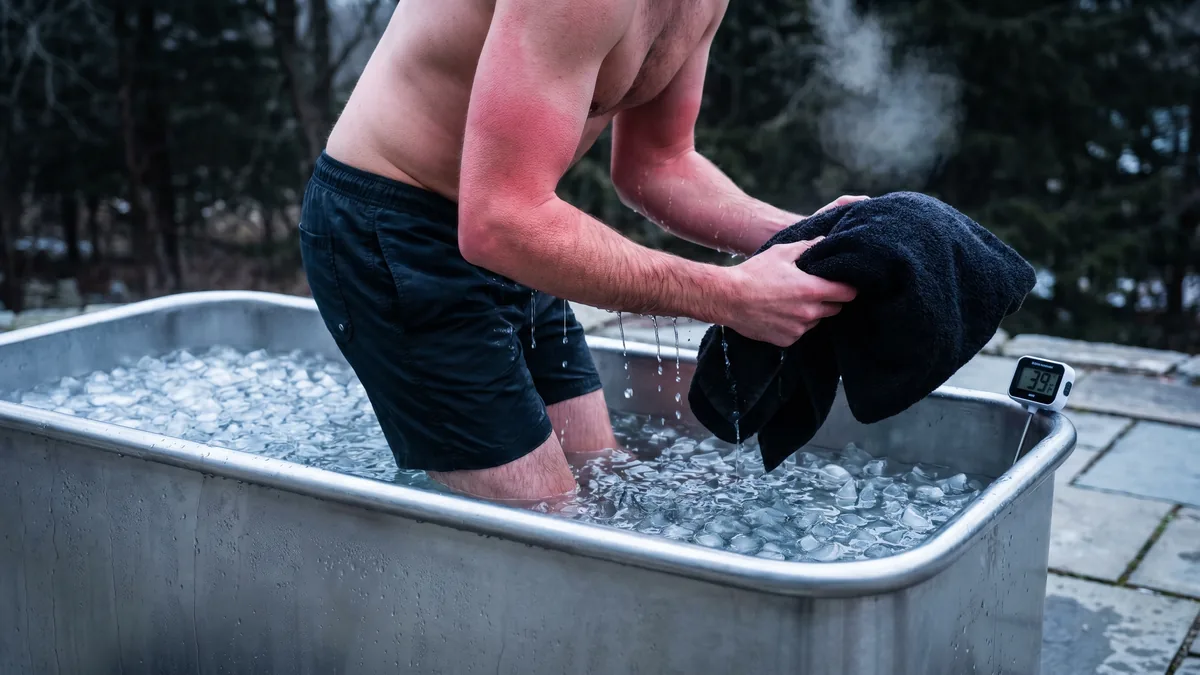
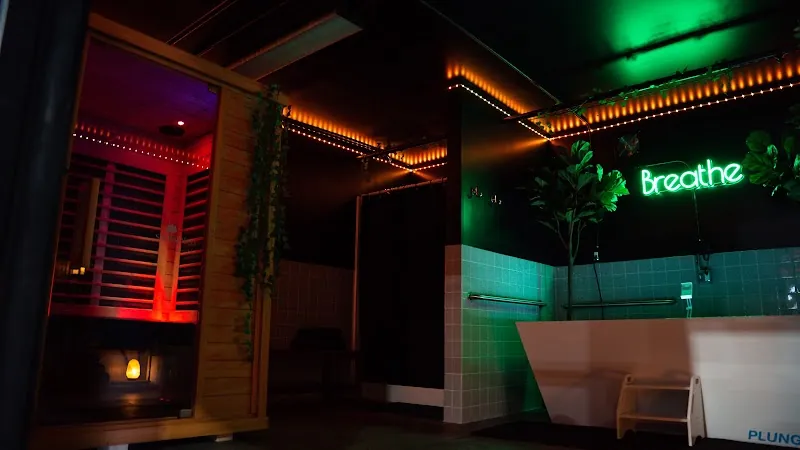
Professional cold therapy studios also maintain precise water temperatures, usually somewhere between 50 and 59 degrees Fahrenheit for general recovery, dropping lower for more intense sessions. That matters more than people realize. A bucket of ice water at home is not the same experience as a professionally maintained plunge pool spa that holds a consistent 52 degrees with circulation and filtration. The controlled environment is part of what makes these facilities worth paying for, at least until you decide to build something at home.
Busy professionals seeking stress relief make up a surprisingly large portion of cold immersion center clientele. Honestly, that makes sense once you think about how acute stress and physical inflammation are related. One good session at a contrast therapy studio, alternating between a sauna or hot tub and a cold plunge, can break the tension held in your body in a way that a massage sometimes cannot.
Athletes, people with chronic inflammation or joint pain, anxious professionals, people with poor sleep, and anyone who carries physical or mental tension. That covers a lot of people.
Myth #2: There Are Not Enough Facilities to Find One Near You
People assume this is still a fringe service that you'd only find in major coastal cities. Not anymore. With 1,934 listed cold plunge facilities spread across the country, access has expanded dramatically. New York leads with 30 listed facilities, which makes sense given population density, but the second-highest city on the list might surprise you: Anchorage, Alaska, with 25 listings. Twenty-five. In a city with a population under 300,000. That tells you something interesting about regional culture and how cold exposure therapy resonates differently in different communities.
Omaha comes in third with 20 listings, followed by Las Vegas and Albuquerque each with 19. The Las Vegas number is particularly interesting because the city's culture around wellness, performance, and recovery has exploded alongside its growth as a destination for sports events and training facilities. Albuquerque's showing reflects a broader Southwest wellness trend that does not always get media attention but is very real.
What this volume of options means for you, practically, is competition. And competition is good for consumers. In cities with 15 or more cold water therapy centers, you will almost always find a range of price points, from budget-friendly monthly memberships at simpler facilities to premium plunge pool spas with full amenity packages. More options means you can shop around without settling.
And if you are in a smaller market, there is still a solid chance a recovery wellness center is within driving distance. In practice, the directory spread suggests these facilities have moved into secondary and tertiary markets faster than most people expect.
Myth #3: High-Quality Cold Therapy Is Hard to Identify
People worry about walking into a bad facility. That fear makes sense because you are talking about your body, and cold water immersion done poorly, in water that is not properly maintained or at temperatures that are unsafe for the session length, is not something you want to experience. But here is the thing about the current market: the average rating across all 1,934 listed businesses is 4.9 stars. That is not a typo. Four point nine.
That number tells a real story about this industry. Cold water therapy centers tend to attract clients who are intentional about their health and who leave detailed, honest reviews. A bad experience in an ice bath facility does not go unmentioned. So a high rating, especially with a large number of reviews, is a meaningful signal rather than just a vanity metric.
Look at the top-rated businesses in the directory. Rock and Armor in Meridian, Idaho holds a perfect 5.0 stars across 1,448 reviews. That is not a handful of friends leaving nice comments. Pain Center of Rhode Island in Cranston holds 5.0 stars with 1,207 reviews. Next Health in New York, also at 5.0 stars with 1,142 reviews. Fire and Ice Wellness in Bristol, England, which is listed in the directory, holds 5.0 stars with 1,199 reviews. And Remède IV Therapy + Aesthetics in Jackson Hole, Wyoming rounds out the top five with 5.0 stars from 948 reviewers.
| Business | Location | Rating | Reviews |
|---|---|---|---|
| Rock and Armor | Meridian, ID | 5.0 ★ | 1,448 |
| Pain Center of Rhode Island | Cranston, RI | 5.0 ★ | 1,207 |
| Fire & Ice Wellness | Bristol, England | 5.0 ★ | 1,199 |
| Next Health | New York, NY | 5.0 ★ | 1,142 |
| Remède IV Therapy + Aesthetics | Jackson Hole, WY | 5.0 ★ | 948 |
A rating of 4.9 across nearly 2,000 businesses is genuinely rare. Most service industries would kill for that kind of consistency. Sort by review count when using directory listings, not just by star rating. A 5.0 from 12 people is nice; a 5.0 from 1,400 people is a data point you can trust.
Myth #4: Cold Plunge Sessions Are Too Expensive to Do Regularly
This is the myth that probably stops the most people from ever starting. And it is true that walk-in pricing at a cryotherapy studio or upscale plunge pool spa can be jarring. Forty, fifty, sometimes seventy dollars for a single session sounds steep when you're thinking about doing this multiple times per week. But almost nobody pays walk-in rates consistently, and that is the part that does not get explained enough.
Monthly memberships at cold immersion centers are almost always the smarter move if you plan to go more than twice a month. Most facilities offer unlimited monthly plans ranging from around $80 to $150 depending on the market and amenities. At a place offering unlimited access for $99 per month, four sessions drops your per-session cost to about $25. Eight sessions gets you to $12.50 each. Typically, the math changes fast.
Prepaid session bundles are another solid option, especially if you're not sure you want to commit to unlimited. Buying ten sessions upfront usually comes with a 15 to 30 percent discount versus paying drop-in rates. Ask about this directly when you visit because it's not always advertised on the website. Same with first-timer intro offers, which are almost universally available at these facilities. A lot of cold water therapy centers will do your first session for free or at a steeply reduced rate specifically because they know that once someone experiences a proper plunge session, they tend to come back. Take advantage of that.
Off-peak hour pricing is another lever. Mornings on weekdays, especially between 7 and 10 AM, are almost always slower at a cold plunge facility, and many will offer a reduced rate for those slots. This is worth asking about directly. Some places do not advertise it but will offer it happily if you bring it up.
Use a first-time intro offer to evaluate a facility, then move to a prepaid bundle or monthly membership if you like it. Never pay walk-in rates long-term. Ask specifically about off-peak, group, and corporate rates before signing anything.
Corporate wellness partnerships are genuinely underused. A growing number of employers now include cold therapy studio access in their wellness benefit programs, especially companies in fitness, tech, and healthcare sectors. Check whether your employer offers a wellness stipend or has a partnership with any local recovery wellness centers before you spend a dollar out of pocket. If your employer does not have one yet, it might be worth pitching it, because the cost to the company is often surprisingly low when negotiated in bulk.
Also worth mentioning: some people supplement their professional sessions by cutting costs elsewhere in their wellness routine. Eating better without spending more, for instance, is one way to free up budget for memberships. Stores like salvage grocery stores carry discounted health foods, protein products, and recovery supplements at a fraction of retail price, which can offset some of the cost of your cold therapy habit if you're buying quality nutrition to support your recovery routine.
Myth #5: All Cold Therapy Facilities Offer the Same Thing
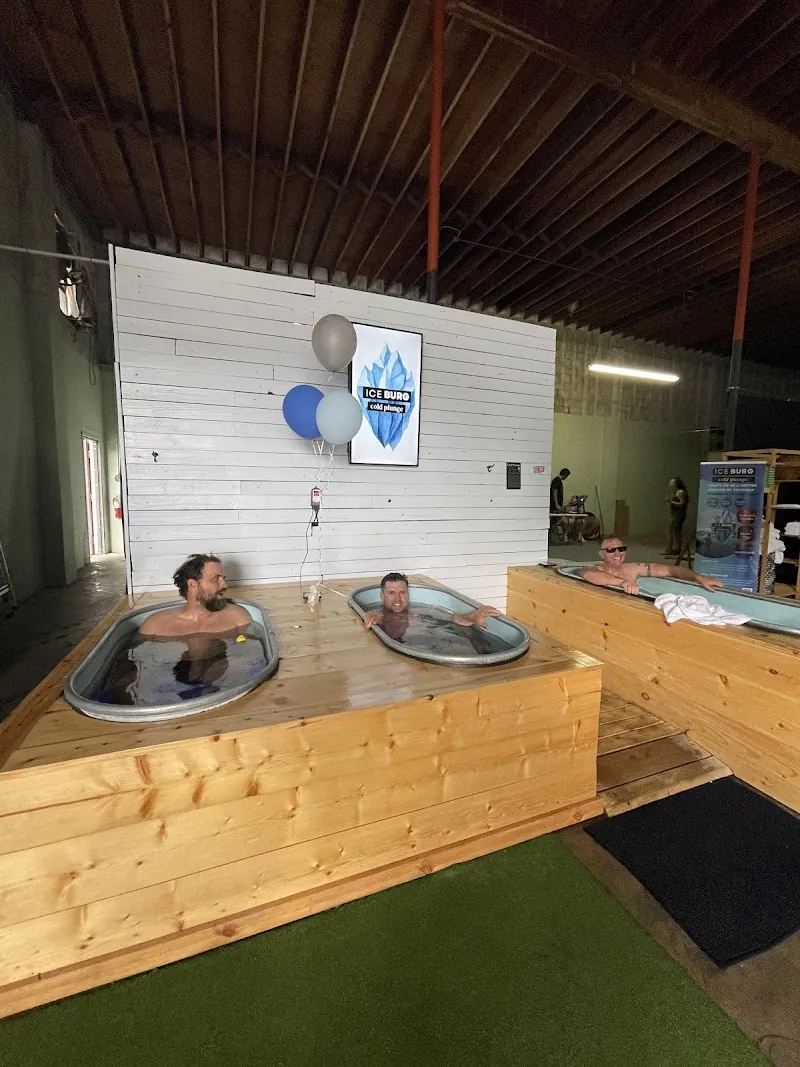
They really do not, and this matters a lot when you're deciding where to spend your money. A cryotherapy studio that uses whole-body cryo chambers (those nitrogen-misted pods you step into for two to three minutes) is doing something quite different from a traditional ice bath facility where you sit in cold water for ten to fifteen minutes. Both involve cold exposure, but the mechanisms and experiences are not the same.
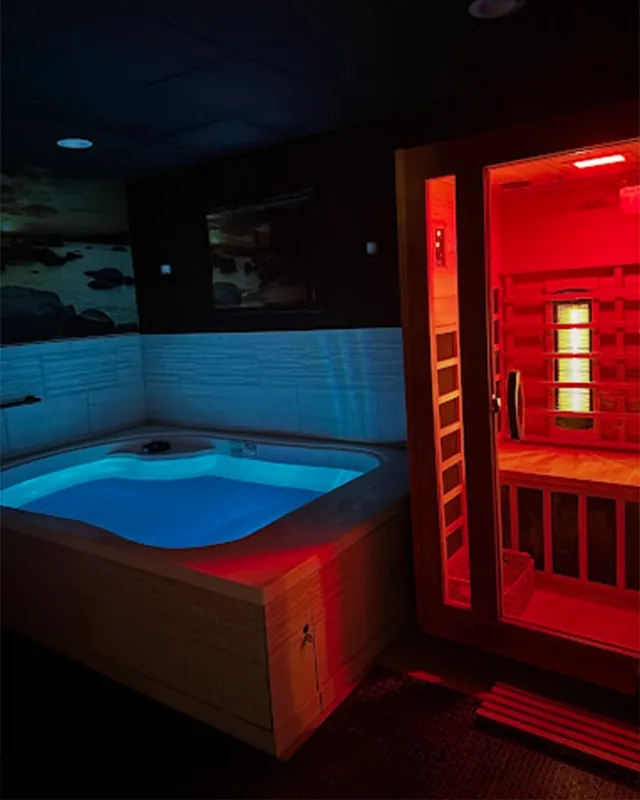
Contrast therapy studios specifically build their offering around alternating heat and cold, usually some combination of sauna or steam room paired with cold plunge pools. This approach has strong evidence behind it for both physical recovery and mood improvement, because the swing between vasodilation and vasoconstriction drives circulation in a way that steady-state cold alone does not. If you have ever done a proper contrast session at a well-run facility, you already know how different you feel walking out compared to a single-modality experience.
Wait, that is not quite right to say "different." More accurate to say you feel wrung out in the best possible way, like your body processed something it had been holding.
Plunge pool spas tend to lean into the spa experience more broadly, often pairing cold therapy with massage, infrared sauna, or guided breathwork. These places generally cost more per session but offer a more complete recovery experience. Single-use cold immersion centers, on the other hand, are often faster, cheaper, and more utilitarian. You go in, you plunge, you leave. That model works great for people with tight schedules and a clear goal. Recovery wellness centers with full programs and guided sessions suit people who want structure and accountability built into the experience.
Knowing which type of facility fits your goal before you walk in will save you from paying for services you don't want or ending up somewhere that can't give you what you need. Read the services list on any directory listing carefully before you book.
What This Means For You
Cold water therapy is not going anywhere. With nearly 2,000 facilities listed and an industry average rating of 4.9 stars, this is a mature, accessible, high-quality market that has something for almost everyone regardless of budget. You do not need to be an athlete. You do not need to spend a fortune. You just need to know how to look.
Start by using directory listings to find every cold plunge facility within a reasonable distance. Sort by review count, not just stars. Read a handful of recent reviews and pay attention to what people say about staff helpfulness, cleanliness, and water temperature consistency. Those details reveal a lot about how seriously a place takes its operation.
Monthly memberships beat drop-in rates by a wide margin for anyone going more than twice per month. Monthly memberships are the right default for most regular users. Try a first-visit intro offer before committing to anything. And always ask about off-peak, bundle, group, and corporate pricing before you hand over your card.
Done right, regular cold immersion can cost you less per week than a couple of fancy coffees. And it'll do a lot more for your body.
How long should a beginner stay in a cold plunge?
Most cold therapy studios recommend starting with two to three minutes for your first session, especially if the water is below 55 degrees Fahrenheit. Your body needs to adapt. Over several sessions, many people work up to eight to fifteen minutes comfortably. Do not push past the point of uncontrollable shivering on your first visit.
How often should I visit a cold water therapy center?
Two to four times per week is the sweet spot for most people seeking recovery benefits. Daily cold exposure is something some enthusiasts pursue, but for general wellness and muscle recovery, three sessions per week tends to deliver strong results without overdoing it.
Are cryotherapy studios and cold plunge facilities the same?
Not exactly. Cryotherapy studios typically use nitrogen-cooled air chambers for very short exposures, usually two to three minutes. Cold plunge facilities use water immersion, which transfers heat away from the body faster than air does. Both have benefits, but they're different experiences and slightly different mechanisms.
Can cold immersion help with anxiety or sleep problems?
Research and a lot of anecdotal evidence suggest yes. Cold water immersion triggers a norepinephrine release that can have a mood-stabilizing effect lasting several hours after a session. Many regular users report improved sleep quality and lower baseline anxiety, especially with consistent use over several weeks.
Explore Related Directories
Find Cold Plunge & Ice Bath Facilities Near You
Browse our directory of 1,934+ cold water therapy centers, cryotherapy studios, plunge pool spas, and recovery wellness centers. Filter by city, rating, and services to find the right fit for your budget and goals.
Search the Directory