Ice Bath Recovery Wellness: Environmental Benefits and Growing Popularity
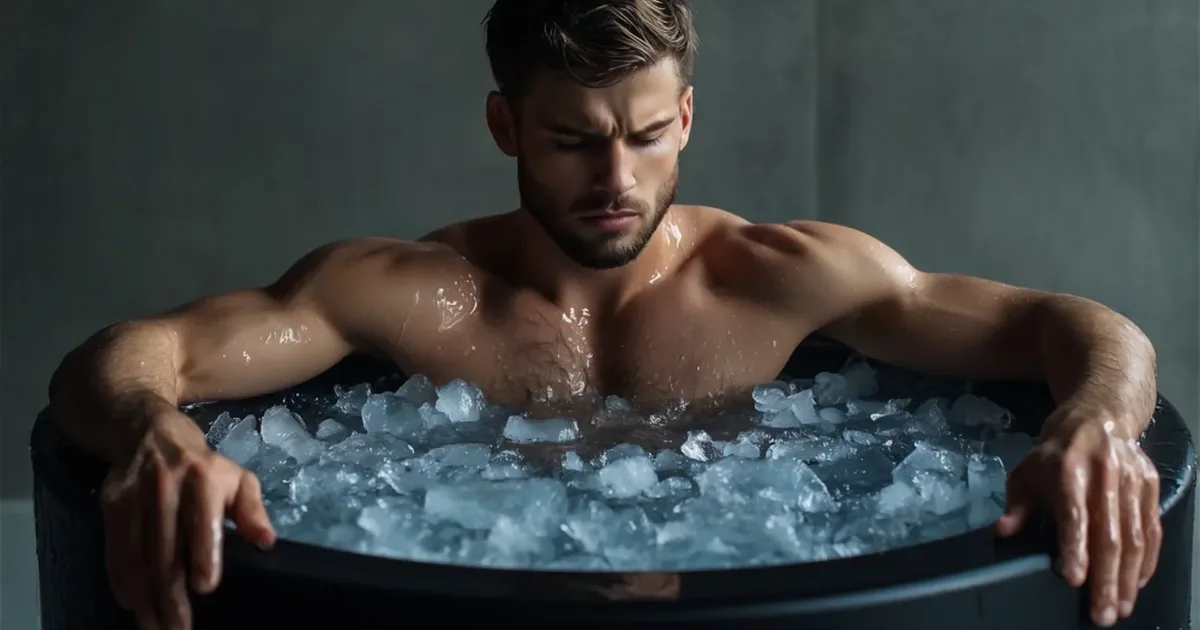
You've heard about ice baths everywhere lately. Your favorite athlete posts a cold plunge video. A podcast host won't stop talking about the mental benefits. Your gym buddy swears by it. But then you actually try to find a good cold water therapy center near you, and suddenly it's confusing. Is that place legit? Do they know what they're doing? What's the difference between a cryotherapy studio and a regular cold plunge facility? And honestly, is any of this worth the money?
This article sorts through the noise. Cold immersion therapy has moved fast from a niche athlete trick to a real industry with nearly 2,000 facilities across the United States, and the data tells an interesting story about where it's going, who's doing it right, and what actually matters when you're picking a place to freeze yourself on purpose.
What Cold Immersion Actually Does to Your Body
Here's the basic physiology, and it's worth understanding before you book anything. When you get into cold water, your body responds immediately. Blood vessels near the skin constrict, a process called vasoconstriction, which pushes blood toward your core organs. Your heart rate changes. Your brain releases norepinephrine, a hormone and neurotransmitter that has real documented effects on mood, focus, and stress response. Some studies show norepinephrine levels can increase by 200-300% during cold exposure. That's not a small thing.
Muscle soreness reduction is probably the most talked-about benefit, and for good reason. Cold immersion slows down the inflammatory processes that cause delayed onset muscle soreness, which is why professional athletes have been doing this for decades before it became a social media trend. But the mental clarity angle is what's driving mainstream adoption right now. People who do regular cold plunges consistently report sharper focus and lower baseline anxiety, and the research is starting to catch up with those anecdotal reports.
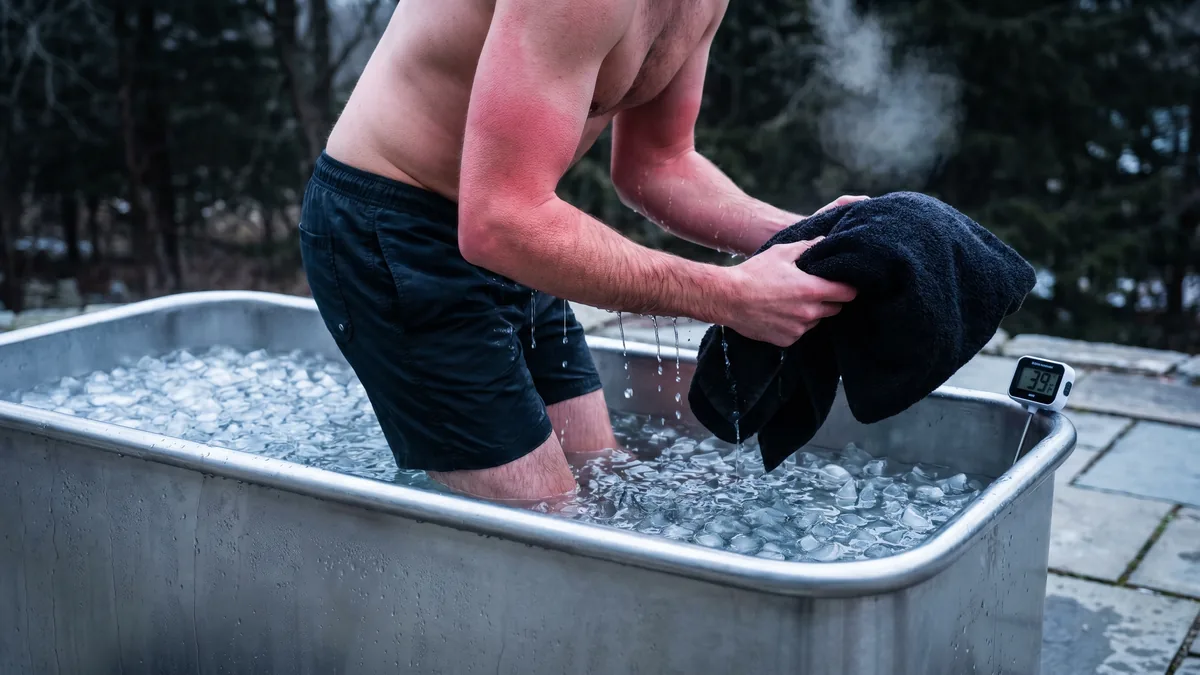
Not all modalities are the same, though. A full ice bath at a cold immersion center means full body submersion, usually between 50-59°F, for somewhere between 3 and 15 minutes depending on your tolerance and the facility's protocols. A cold plunge pool at a plunge pool spa does essentially the same thing but might use a purpose-built vessel with better temperature control. Contrast therapy is the alternating hot and cold approach, which some research suggests is even better for circulation than cold alone. And localized cryotherapy, where you're exposing just one body part to cold air, is more targeted and used a lot in clinical and sports medicine settings.
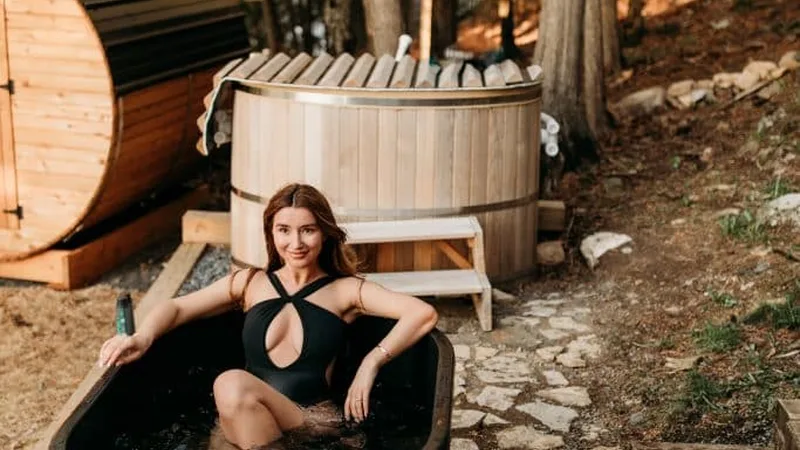
Ask any cold plunge facility what their exact water temperature is before you book. There's a big difference between 45°F and 60°F in terms of intensity and benefit. Good facilities track this consistently and can tell you immediately. If they can't answer that question, that's a red flag.
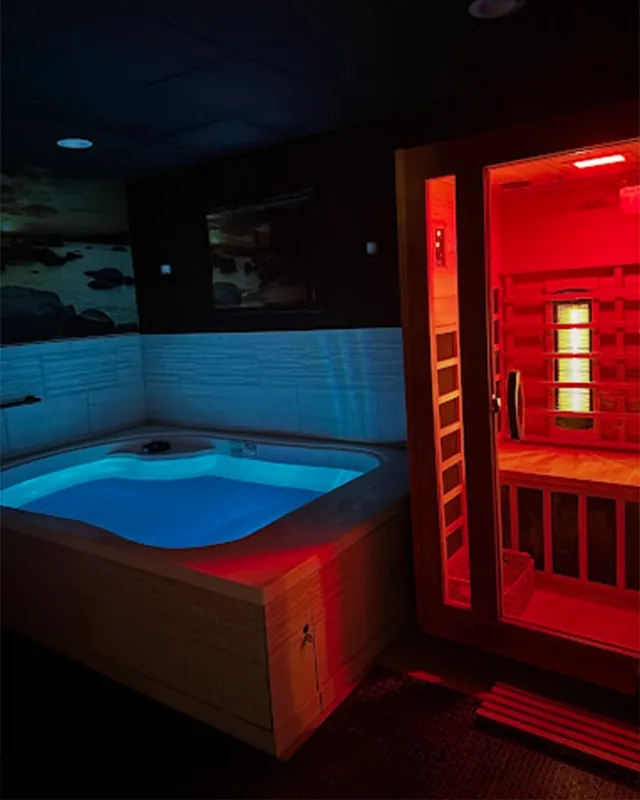
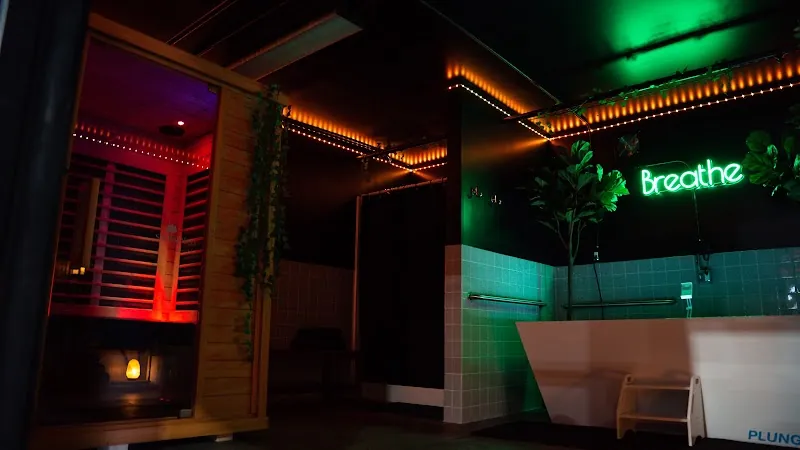
Contrast therapy studios are probably the most interesting category right now, at least from a pure wellness experience standpoint. Moving from a hot sauna or steam room directly into cold water triggers a bigger cardiovascular response than either alone, and a lot of people find the experience more sustainable as a regular practice. You get the mood benefit of heat and the alertness kick of cold in one session.
Environmental Benefits Nobody Talks About
Cold therapy has a surprisingly interesting environmental angle that almost no one covers. Individual home cold plunge setups are energy hogs. A quality home cold plunge unit running continuously can use as much electricity as a small refrigerator, around 400-800 kWh per year, just to keep one person's water cold. Most people who buy them use them irregularly. The energy-per-session cost is pretty bad when you run the numbers.
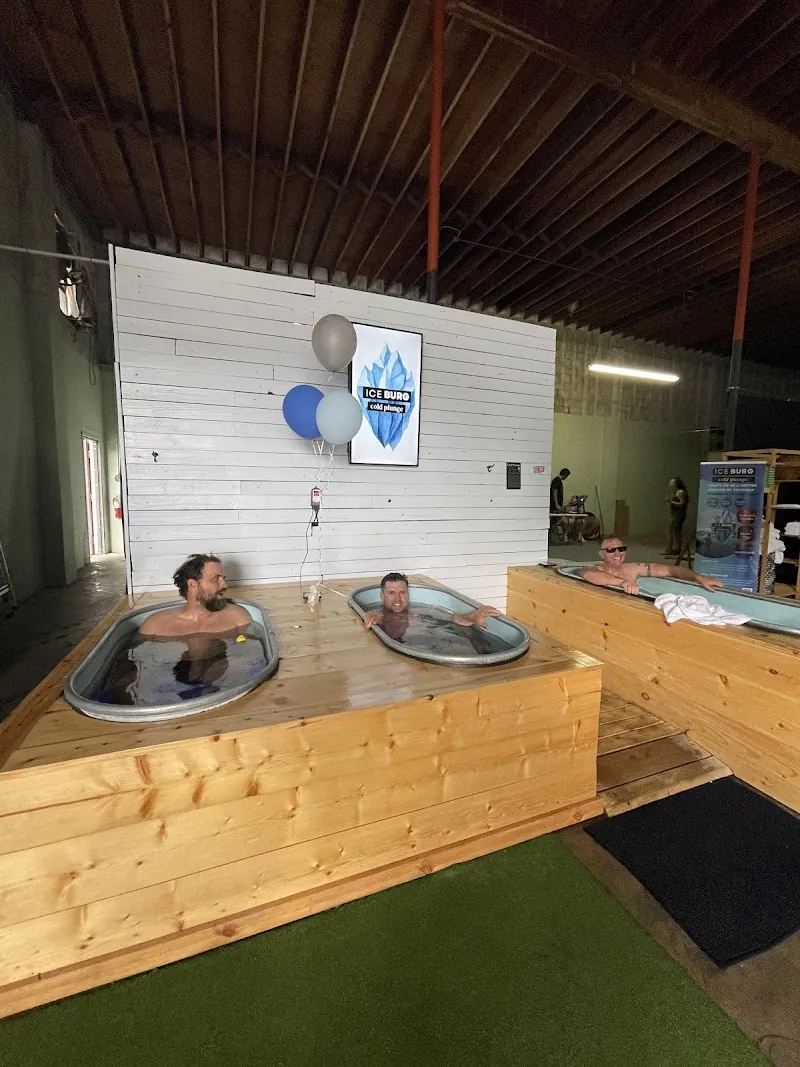
Shared cold plunge facilities spread that energy cost across dozens of users per day. A commercial refrigeration system at a recovery wellness center might use more total power than a home unit, but it's serving 30-50 people per day instead of one. Per-session, the energy footprint is dramatically lower. That's before you factor in that commercial facilities often have incentives to upgrade to efficient systems that individual buyers would never bother with.
Water recycling is another big one. Most modern cold water therapy centers use filtration and sanitation systems that allow the same water to be reused for weeks or months. A properly maintained plunge pool with UV or ozone treatment uses a fraction of the water that would be needed if each user required fresh water. Home setups often involve dumping and refilling, which wastes a lot more. (This is the kind of operational detail that separates a serious cold immersion center from a glorified stock tank in someone's backyard, by the way.)
Some facilities are going further. There are contrast therapy studios and recovery wellness centers now installing solar panels, using heat exchange systems that recover waste energy from refrigeration, and designing their spaces with natural materials and good insulation to lower heating and cooling loads. A handful of outdoor natural cold plunge facilities, particularly in the Pacific Northwest and parts of New England, are fed by natural spring or creek water, which eliminates refrigeration entirely.
Chemical-free water treatment is also gaining ground. Traditional pools rely heavily on chlorine. A lot of newer cold plunge facilities are switching to ozone, UV, or salt-based systems that sanitize water without the chemical load. This is better for users with sensitive skin and also reduces chemical runoff when water is eventually discharged.
Ask your local cold plunge facility how they treat their water and how often they change it. A facility that uses UV or ozone filtration and changes water monthly is operating more sustainably than one that dumps and refills every week. It also tells you something about how seriously they take operations overall.
The Industry by the Numbers: Growth, Geography, and What the Data Shows
There are currently 1,934 cold plunge and ice bath facilities listed across the United States, and that number has been growing fast. The average customer rating across all those listings sits at 4.9 stars. That is genuinely high for any service industry. For context, most restaurant categories average somewhere around 4.2-4.4 stars. A 4.9 average across nearly 2,000 locations suggests either that cold therapy facilities are doing something really right, or that the people who seek them out are highly motivated and satisfied customers. Probably both.
New York leads all cities with 30 listings, which makes sense. Dense urban population, high disposable income, and a wellness culture that moves fast. But the second city on the list is Anchorage, Alaska, with 25 listings, and that's the interesting one. Anchorage has a fraction of New York's population. Cold therapy adoption there likely has roots in the outdoor culture and the fact that Alaskans already have a cultural relationship with cold water. People who live somewhere genuinely cold tend to take cold exposure more seriously as a practice rather than a trend.
Omaha comes in third with 20 listings, followed by Las Vegas and Albuquerque each with 19. The Las Vegas number makes sense when you think about it. Vegas has an enormous sports tourism and athlete recovery market, driven by professional sports teams, combat sports, and the sheer volume of physically active visitors who train while they travel. Albuquerque's showing is a bit more surprising but reflects a broader Mountain West wellness movement that's been building for a while.
| Business Name | Location | Rating | Reviews |
|---|---|---|---|
| Rock and Armor | Meridian, ID | ⭐ 5.0 | 1,448 |
| Pain Center of Rhode Island | Cranston, RI | ⭐ 5.0 | 1,207 |
| Fire & Ice Wellness | Bristol, England | ⭐ 5.0 | 1,199 |
| Next Health | New York, NY | ⭐ 5.0 | 1,142 |
| Remède IV Therapy + Aesthetics | Jackson Hole, WY | ⭐ 5.0 | 948 |
Rock and Armor in Meridian, Idaho is the most-reviewed 5-star facility in the directory with 1,448 reviews. Meridian is a suburb of Boise, not exactly a major metro. That kind of review volume in a mid-sized city tells you something about how strong word-of-mouth is in this industry. People who have a good experience at a cold plunge facility talk about it. A lot.
Social media has played a massive role in driving awareness, and anyone who pretends otherwise isn't paying attention. Wim Hof content alone has generated tens of millions of views. Andrew Huberman's protocols around cold exposure have pushed a very specific, protocol-driven crowd into seeking out cold plunge facilities who wouldn't have known where to start otherwise. Post-pandemic, there's also been a real uptick in people treating mental health proactively rather than reactively, and cold therapy sits squarely in that space.
How to Pick a Cold Plunge Facility That Won't Waste Your Time or Money
Most people pick a cold plunge facility the wrong way. They Google, click the first result, check that it has decent photos, and book. Then they show up and realize the water temperature fluctuates, the staff don't really know what they're doing, and the whole thing felt rushed. Cold therapy done poorly is just uncomfortable. Cold therapy done well is actually a meaningful experience.
Safety certifications and staff training matter more than aesthetics. Any serious cold immersion center should have staff who are trained in contraindications. Cardiovascular conditions, Raynaud's disease, cold urticaria, and certain medications all interact badly with cold immersion. A facility that skips medical screening for first-time users is cutting corners in a way that can actually hurt people. Ask directly: "What's your process for new users?" If the answer is just "we hand you a towel and point at the pool," walk out.
Water temperature consistency is non-negotiable. A good cold plunge facility maintains their water within a degree or two of a set target. Ask what temperature they run at. Ask how often they test it. Ask how long it's been since their last equipment maintenance. These are not unreasonable questions, and a facility that gets defensive about them is telling you something important about how they operate.
Hygiene standards are a real concern. Cold water slows bacterial growth but does not eliminate it. A filtration system that isn't maintained properly is a problem. Check if the facility publishes their water testing schedule or can show you recent test results. In practice, the better cryotherapy studios and recovery wellness centers treat water quality like a restaurant treats food safety: it's not optional, it's the whole point.
Pricing models vary a lot. Some places charge per session ($25-75 is common), some sell memberships (often $100-200/month for unlimited access), and some bundle cold plunge access with other services like infrared sauna or guided breathwork. Memberships work out better financially if you're going more than twice a week. Single sessions make more sense if you're testing the water, so to speak, or if you travel a lot and want flexibility across different cold water therapy centers.
On the topic of bundled wellness services: facilities that pair cold plunge with infrared sauna contrast therapy tend to retain members longer, which is probably why more of them are offering it. If you're serious about making this a regular habit, look for a contrast therapy studio setup where you can do both in one visit. Typically, the routine is easier to stick to when it feels like a full experience rather than just dunking yourself in cold water and leaving.
And here's something worth mentioning that nobody really talks about: the parking situation at cold plunge facilities in dense urban areas is often genuinely terrible. New York's 30 listed facilities are mostly in neighborhoods where street parking is a nightmare. If you're going to a cold water therapy center in a city, just plan to subway or rideshare. Showing up stressed because you circled the block for 20 minutes is the exact opposite of what you're going for.
Building healthy recovery habits is also about building a whole routine around them. Some people who get serious about cold therapy also pay closer attention to their overall diet and food budget. If you're looking for ways to keep grocery costs down while eating better to support recovery, salvage grocery stores offer discounted food that's still perfectly good and can be a smart resource for people optimizing every part of their wellness budget without overspending.
1. What is your current water temperature, and how consistently do you maintain it?
2. What's your water treatment method, and how often do you test it?
3. Do you do any health screening for first-time users?
4. What's included in a single session versus a membership?
5. Is staff present during sessions, or are users unsupervised?
Online reviews at a 4.9 average across nearly 2,000 facilities are a good sign for the industry overall, but read individual reviews carefully rather than just looking at the star count. Reviews that mention specific staff by name, describe the intake process in detail, or talk about how the facility handled a problem tend to be more reliable than generic "loved it!" posts. Five stars from someone who describes a specific positive experience is more useful than five stars from someone who wrote three words.
One clear recommendation: if a cold plunge facility near you has over 200 reviews and a 4.8 or higher rating, that is almost always a safer bet than a newer facility with 12 reviews and a perfect score. Volume of reviews matters. Rock and Armor's 1,448 reviews at a perfect 5.0 is genuinely rare and worth noting as a benchmark for what excellent looks like.
Frequently Asked Questions
How cold should an ice bath actually be?
Most cold plunge facilities target 50-59°F for general wellness use. Anything below 50°F is intense and usually reserved for experienced users or specific clinical purposes. If a facility runs their water above 60°F, it's on the warmer end and you'll get less of the vasoconstriction and norepinephrine response that drives the main benefits. Ask for the exact number before you get in.
Is cold immersion therapy safe for everyone?
No. People with cardiovascular conditions, Raynaud's syndrome, cold urticaria, or who are pregnant should talk to a doctor first and be upfront with any cold water therapy center they visit. A reputable cold immersion center will ask about health conditions before your first session. If they don't, that's a problem.
How often should I use a cold plunge facility to see benefits?
Most research and practitioner guidance points to 3-5 sessions per week for consistent benefits. Daily is fine for most healthy adults once you've acclimated. Once a week will give you some benefit but probably won't produce the stress resilience and mood improvements that come from regular exposure. Membership pricing at most recovery wellness centers is designed around 3+ visits per week.
What's the difference between a cryotherapy studio and a cold plunge facility?
A cryotherapy studio typically uses a cryotherapy chamber where you're exposed to very cold air (sometimes as low as -200°F) for 2-3 minutes, usually from the neck down or whole body. A cold plunge facility uses actual cold water immersion, which transfers heat away from your body much faster than cold air does. Water immersion is generally considered more effective per session for most wellness goals. Both have their place, but they're different experiences.