How to Start Cold Plunging: Tips for First Timers
https://pub-9a4dedcce6dc4846a9c4647f79a2e5fc.r2.dev/cold-plunge-pal/blog/how-to-start-cold-plunging-tips-for-first-timers/hero-1771895950.webp
Over 1,934 cold plunge and ice bath facilities are listed across the country right now, and that number keeps climbing. Average customer ratings sit at 4.9 stars. That is not a niche underground trend anymore, that is a wellness movement that has officially gone mainstream, and chances are there is a cold water therapy center closer to your home than you think.
If you have been seeing people post about ice baths on social media and wondering what the actual experience is like, or if someone dragged you into a conversation about cold plunging at the gym and you nodded along without really knowing what they meant, this article is for you. We will cover what cold plunging actually is, what happens to your body, what your first visit to a cold plunge facility will feel like, and how to make sure you do not freeze yourself into misery on your first try. (That last part is more common than you'd think.)
What Is Cold Plunging and How Does It Work?
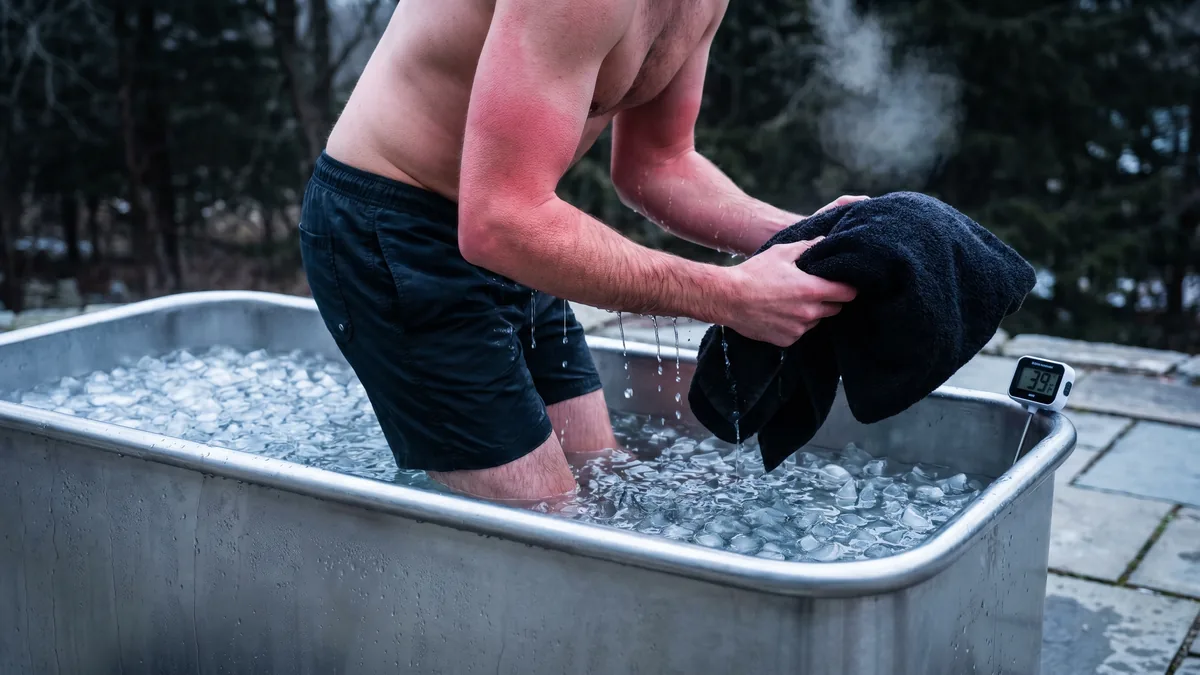
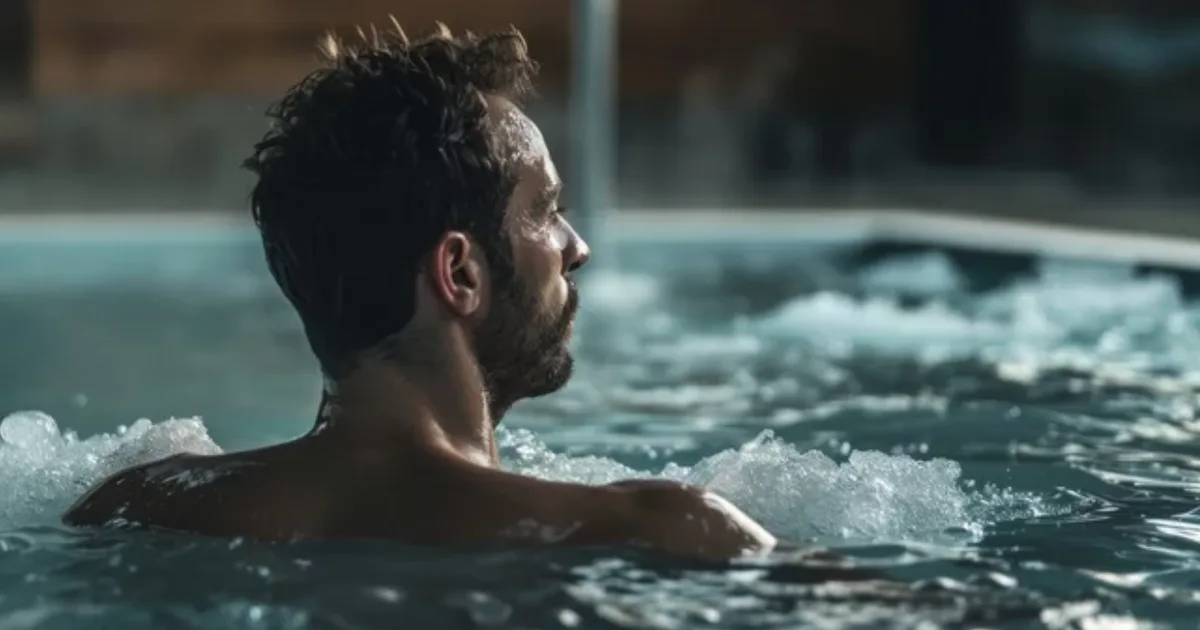
Cold plunging is exactly what it sounds like. You get into very cold water, usually between 50 and 59 degrees Fahrenheit, and you stay there for a short, controlled amount of time. That is the whole thing. But what happens inside your body during those few minutes is actually pretty wild.
Cold water immersion therapy, which is the more clinical term you will see used at a cryotherapy studio or a contrast therapy studio, works by triggering what physiologists call a cold shock response. Your skin hits the cold water, signals race to your brain, and your body immediately kicks into a kind of alert mode. Blood vessels near the surface of your skin constrict fast. Your heart rate jumps. Your breathing speeds up involuntarily. Your body is doing everything it can to protect your core temperature, and in doing so, it sets off a cascade of responses that people find genuinely beneficial after the fact.
Circulation is one of the big ones. As your blood pulls away from your extremities and toward your vital organs during the plunge, and then rushes back out when you exit the water, you get something like a forced flush of the circulatory system. Athletes have been doing versions of this for decades in ice tubs after hard training sessions.
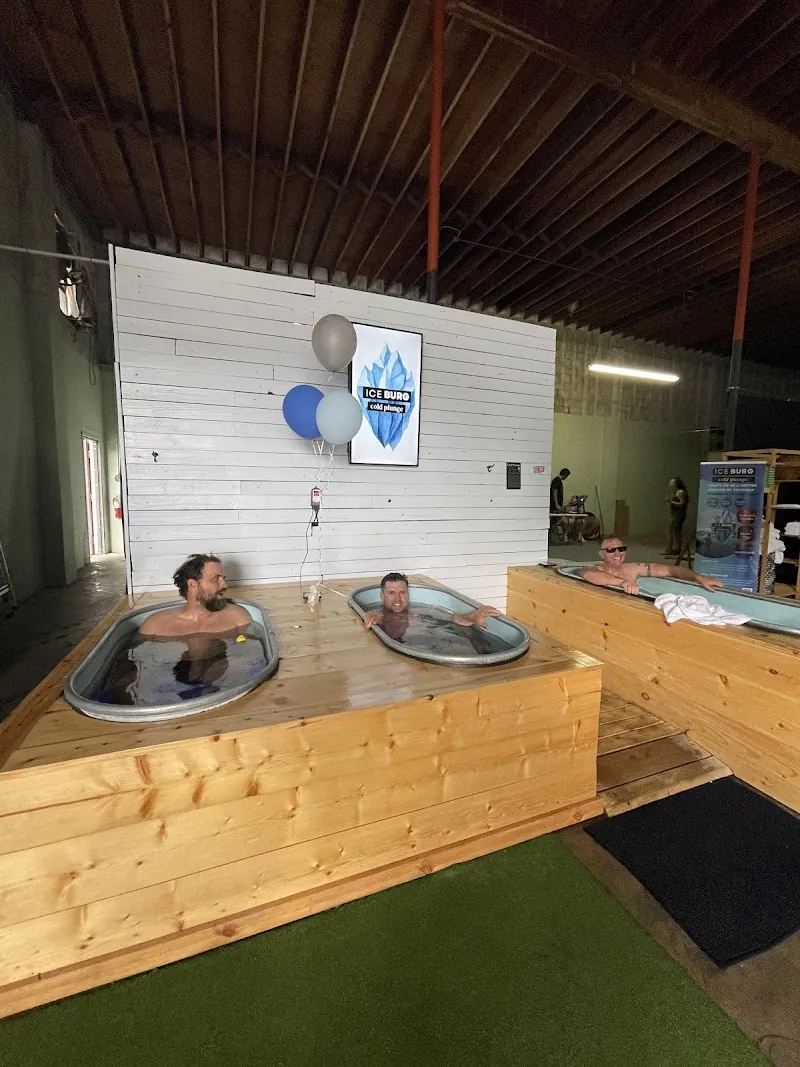
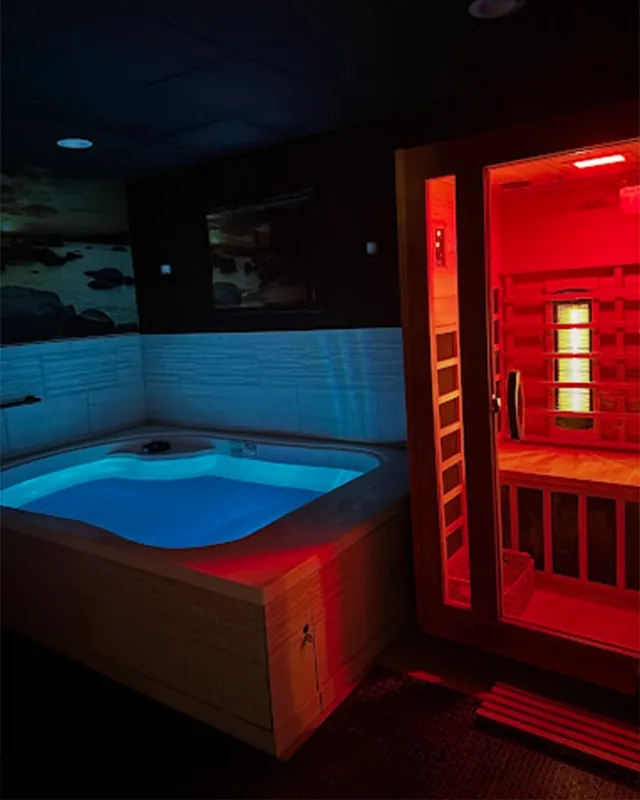
Now, the formats vary more than most people realize. A basic ice bath facility might be a clinic or gym with a stainless steel tub packed with ice. A plunge pool spa is usually something more designed, filtered, temperature-controlled pools that you step into, often in a nicer environment with mood lighting and staff on hand. Cold immersion centers tend to be standalone businesses focused specifically on recovery. And then there are contrast therapy studios, which alternate between cold and heat (more on that later).
Health Benefits Backed by Research
Let's be honest about what the science actually says, because there is a lot of hype mixed in with the real data here.
Reduced muscle soreness is probably the most well-supported benefit. Multiple studies have shown that cold water immersion after intense exercise reduces delayed onset muscle soreness, the kind that makes you walk funny two days after leg day. Athletes at the highest levels of sport have been using cold water therapy centers for this exact reason for years. It works for this purpose, full stop.
Mental clarity and mood improvement are also genuinely documented. Cold plunging triggers a significant release of norepinephrine, a neurotransmitter tied to focus, attention, and mood regulation. One study found that brief cold water immersion raised norepinephrine levels by 300% or more. That is not nothing. The "clear head" feeling people describe after a plunge is real and has a measurable biological basis.
Stress reduction is trickier. Regular cold exposure appears to help train the nervous system to handle stress more calmly over time, but this is an area where ongoing research is still filling in the picture. A cryotherapy spa is not a substitute for therapy or medication for serious anxiety or depression. Worth saying plainly.
Cold plunging has strong evidence behind muscle soreness reduction and norepinephrine release. Benefits like immune function improvement and metabolic boosts are promising but not yet as firmly established. Go in with realistic expectations and you will probably be pleasantly surprised.
Recovery wellness centers have seen a huge surge in clientele from non-athletes too. Office workers dealing with chronic stress, people managing mild inflammation, older adults looking for low-impact recovery tools, the cold therapy studio model has broadened way beyond the gym crowd. And honestly, that makes sense. You do not need to be training for a marathon to want to feel better in your body.
One limitation worth naming: most individual studies on cold water immersion are small. Sample sizes of 20 to 40 people are common. The directional findings are consistent enough to take seriously, but anyone who tells you cold plunging is a guaranteed cure for anything specific is overselling it.
What to Expect at a Cold Plunge Facility: The First-Timer Experience
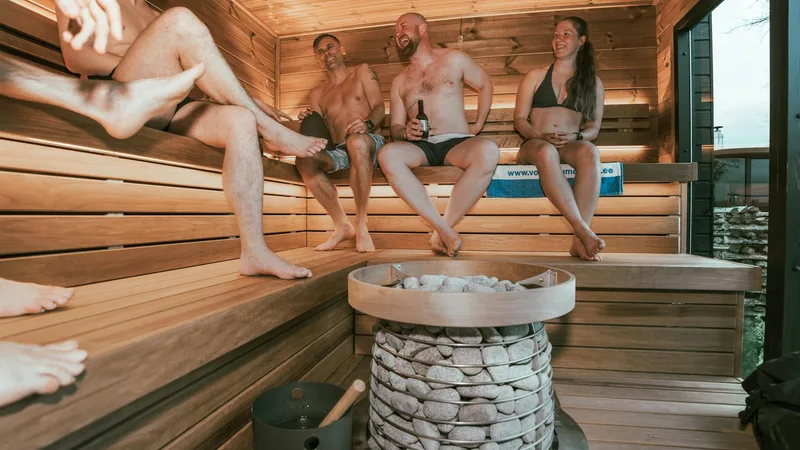
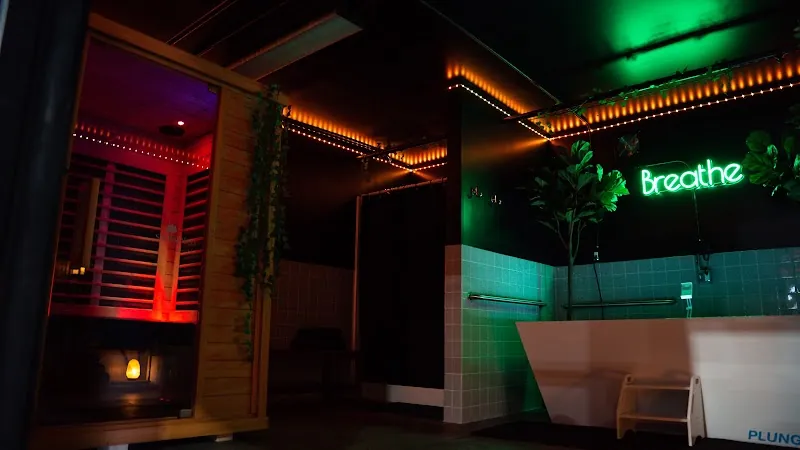
Walking into one for the first time, you might be surprised by how calm and spa-like many of these places feel. Good cold plunge facilities do not look like locker rooms. Many are genuinely beautiful spaces, dim lighting, clean tile, the sound of circulating water, that particular smell of filtered water and eucalyptus that seems to follow wellness spaces around everywhere.
Check-in is usually straightforward. Staff will ask about any health conditions (more on that in the safety section), have you sign a waiver, and walk you through what to expect. Most reputable cold immersion centers will not just hand you a towel and point at a pool. They will explain the breathing, tell you the water temperature, and let you know what your options are if you need to get out early.
Standard beginner session length is 2 to 5 minutes. Not 15. Not 10. Two to five. Some first-timers feel proud pushing past that and regret it. Two minutes in water that is 55 degrees is genuinely challenging.
Water temperatures at most facilities range from the low 50s to about 60 degrees Fahrenheit for standard plunges. Some contrast therapy studios offer colder options for experienced users, down into the 45-degree range, but those are not where you start.
Many cold plunge facilities bundle in add-ons. Sauna access is the most common. Hot and cold alternating sessions, sometimes called contrast therapy, involve moving between a hot sauna or warm pool and the cold plunge in cycles. This is actually many people's favorite format once they get comfortable, the contrast between extremes is intense in a way that feels almost euphoric by the end. Guided breathing sessions, particularly methods derived from Wim Hof breathwork, are also offered at some locations before you step into the water.
Budget-wise, single sessions at a quality recovery wellness center typically run between $25 and $60. Monthly memberships that offer unlimited access can bring that cost down significantly if you plan to go regularly.
Tips for Preparing for Your First Cold Plunge Session
Hydration matters more than people expect. Cold water immersion is a physiological stressor, and going in dehydrated is a genuinely bad idea. Drink water the day before and the morning of your session, same as you would before a workout.
Do not eat a heavy meal in the two hours before your plunge. A light snack is fine. A full lunch is not. Your body does not need to be trying to digest a burrito while also managing a cold shock response, those are competing demands your system does not handle gracefully.
Wear fitted swimwear. Loose board shorts that balloon up are annoying in a plunge pool and genuinely distracting when you're trying to focus on breathing. A fitted suit keeps you comfortable and lets you focus on what matters.
Tell the staff about any health conditions before your session. Good facilities ask, but volunteer the information anyway. Cardiovascular conditions, respiratory issues, Raynaud's disease, all of these matter for the staff to know about.
Now, breathing is the single most important skill for first-timers to practice before they step in. Diaphragmatic breathing, sometimes called belly breathing, means breathing from your diaphragm rather than shallow chest breaths. Breathe in slowly through your nose for a count of four, let your belly expand, exhale slowly through your mouth for a count of six. Practice this before you get in the water. When you hit the cold, your body will try to force you into fast, panicked shallow breathing. Controlled diaphragmatic breathing is how you override that reflex and stay calm.
Before you get in: inhale through your nose for 4 counts, exhale through your mouth for 6 counts. Repeat 3 to 4 times. Once you're in the water, keep that same slow exhale going. Focusing on the out-breath specifically is what keeps the panic response from taking over.
Set realistic expectations for session one. Getting in, staying in for two minutes with controlled breathing, and getting out having stayed calm, that is a success. Genuinely. You do not need to push to five minutes on your first try to make the trip worthwhile. Build duration over several visits, not in one session.
And here is something nobody tells you: warm up a bit before you go. A light walk or some gentle movement beforehand so your body is not going in already cold makes the experience much more manageable.
How to Find a Reputable Cold Plunge Facility Near You
With over 1,934 facilities listed across the country, there are genuinely good options in almost every major city. New York leads with 30 listings, followed by Anchorage with 25, Omaha with 20, and both Las Vegas and Albuquerque at 19 each. Some of those city numbers surprised me, Anchorage being that high makes sense given the culture there, but Omaha was unexpected.
| Business Name | Location | Rating | Reviews |
|---|---|---|---|
| Rock and Armor | Meridian, ID | 5.0 ⭐ | 1,448 |
| Pain Center of Rhode Island | Cranston, RI | 5.0 ⭐ | 1,207 |
| Fire & Ice Wellness | Bristol, England | 5.0 ⭐ | 1,199 |
| Next Health | New York, NY | 5.0 ⭐ | 1,142 |
| Remède IV Therapy + Aesthetics - Jackson Hole | Jackson, WY | 5.0 ⭐ | 948 |
When you're evaluating a cold water therapy center, cleanliness of the water should be your first question. Ask directly: how often is the water filtered and at what rate? Reputable facilities filter continuously and test the water chemistry regularly. Cloudy or off-smelling water is a red flag, full stop. Good cold plunge water should smell clean and look clear.
Staff certifications matter too. Look for facilities where staff have training in first aid at minimum, and ideally some background in fitness, physical therapy, or wellness. A cryotherapy studio that just hired front desk staff with no relevant training is not where you want to experiment with cold shock for the first time.
Read verified reviews, not just the star rating. A 4.9-star average across 1,934 listed businesses is genuinely impressive, but look at what people say in the text of reviews: mentions of clean facilities, knowledgeable staff, and clear safety guidance are the things worth looking for. Reviews that just say "great vibes!" without any specifics are less useful than a review that says "staff walked me through the breathing technique before I got in and checked on me twice during my session."
Ask about introductory packages. Many cold plunge facilities offer a discounted first session or a trial membership specifically for people who want to test the experience before committing. It is worth asking directly even if it is not advertised.
One practical thing: while you're researching wellness options in your area, if you're also building out a recovery-focused lifestyle on a budget, it can help to think about nutrition costs too. Some people find that stores like those listed at Salvage Grocery Stores are useful for finding discounted health foods and supplements that support recovery without spending a fortune, because between cold plunge memberships and protein, the costs add up fast.
Safety Considerations and Who Should Consult a Doctor First
Cold plunging is safe for most healthy adults. That is the honest baseline. But "most healthy adults" is doing some real work in that sentence, and there are specific groups who need to talk to a physician before booking a session at any cold immersion center or cryotherapy studio.
People with cardiovascular conditions, including high blood pressure, arrhythmia, or a history of heart attack, face elevated risk from the sudden cardiovascular stress of cold water immersion. The spike in heart rate and blood pressure that happens in the first 30 seconds of a cold plunge is significant and can be genuinely dangerous for someone whose heart is already under strain.
Raynaud's disease, a condition where blood vessels in the extremities overreact to cold by constricting dramatically, makes cold plunging a bad idea without explicit medical guidance. People with Raynaud's can experience severe pain and even tissue damage from cold exposure that healthy people handle fine.
Pregnancy is another clear reason to consult a doctor first. Cold shock responses involve cardiovascular stress that is not appropriate during pregnancy without medical clearance.
Certain respiratory conditions, including severe asthma, can be triggered by the cold shock response and the involuntary gasp of breath that comes with cold water hitting your skin.
Signs that something is going wrong during a plunge include uncontrollable shivering that you cannot manage through breathing, numbness in your hands or feet that does not ease up, feeling confused or disoriented, or chest tightness. Good cold therapy studios watch for these signs actively. Staff at reputable facilities will check in visually during your session and will not leave a first-timer completely unattended in the water.
Getting out early is never failure. This is worth saying clearly because some people push through warning signs out of stubbornness. In practice, the right call is always to get out if something feels wrong.
Most healthy first-timers, going to a well-run cold plunge facility, following staff guidance, starting at 2 to 3 minutes, and using controlled breathing, will be completely fine. Typically, the risk profile for that scenario is genuinely low. As a rule, the key is "well-run facility" and "following guidance," not going rogue on day one.
Is cold plunging safe for beginners with no experience?
Yes, for healthy adults with no major cardiovascular, respiratory, or circulatory conditions. Start with 2 to 3 minutes at a temperature in the 55 to 60 degree range, use controlled breathing, and have staff present. Most reputable cold plunge facilities have specific beginner protocols for exactly this reason.
How cold is a typical beginner cold plunge session?
Most facilities set beginner pools between 50 and 59 degrees Fahrenheit. Some cold immersion centers let you choose your temperature from a range, which is a nice feature for people who want to ease in gradually over multiple sessions.
How long should my first cold plunge session be?
Two to five minutes is the standard recommendation for first-timers. Two minutes is a perfectly valid first session. Staying in longer on your first visit does not make the experience more beneficial; it just increases the chance of an unpleasant reaction. Build up duration across multiple visits.
What should I wear to a cold plunge session?
Fitted swimwear works best. Avoid loose shorts or anything that creates drag in the water. Some cryotherapy studios also allow you to wear a light rash guard for added warmth on your upper body if you are particularly sensitive to cold.
How do I find a cold plunge facility near me?
Our directory currently lists over 1,934 cold plunge and ice bath facilities nationwide, with top concentrations in cities like New York (30 listings), Anchorage (25 listings), Omaha (20 listings), Las Vegas (19 listings), and Albuquerque (19 listings). Use the search function to find verified, highly-rated options in your area.
Do I need to book in advance or can I walk in?
Policies vary by facility. Many cold water therapy centers and plunge pool spas require advance booking, especially during peak hours. Calling ahead or booking online is almost always the safer approach for your first visit, since some locations limit session capacity to maintain water quality standards.
Explore Related Directories
Find Cold Plunge & Ice Bath Facilities Near You
Browse our directory of 1,934+ cold plunge facilities, ice bath centers, cryotherapy studios, and recovery wellness centers. Average customer rating: 4.9 stars.
Search the Directory