Family-Friendly Cold Plunge Ideas for All Ages: A Practical Guide for Every Generation
Picture this: a parent drags their teenager to a cold plunge session, convinced it's going to be some kind of bonding experience. The teen is skeptical, arms crossed, looking at the plunge pool like it personally offended them. Mom or Dad jumps in first, gasps a little, grins, and says "it's not that bad." And then something unexpected happens, the kid gets in, the shock hits, and thirty seconds later they're both laughing so hard the other guests turn around. That is what cold plunge therapy actually looks like for most families who try it together. Not a clinical procedure. Not an extreme sport. Just a surprisingly fun, weirdly connecting experience that happens to come with real health benefits.
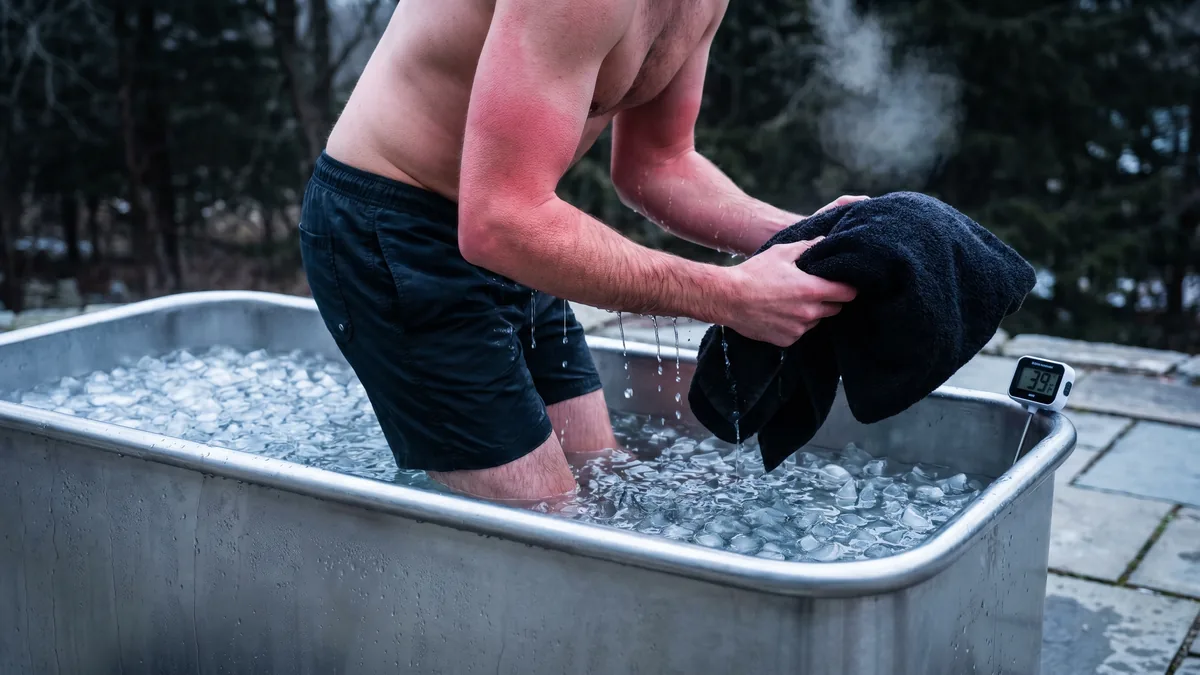
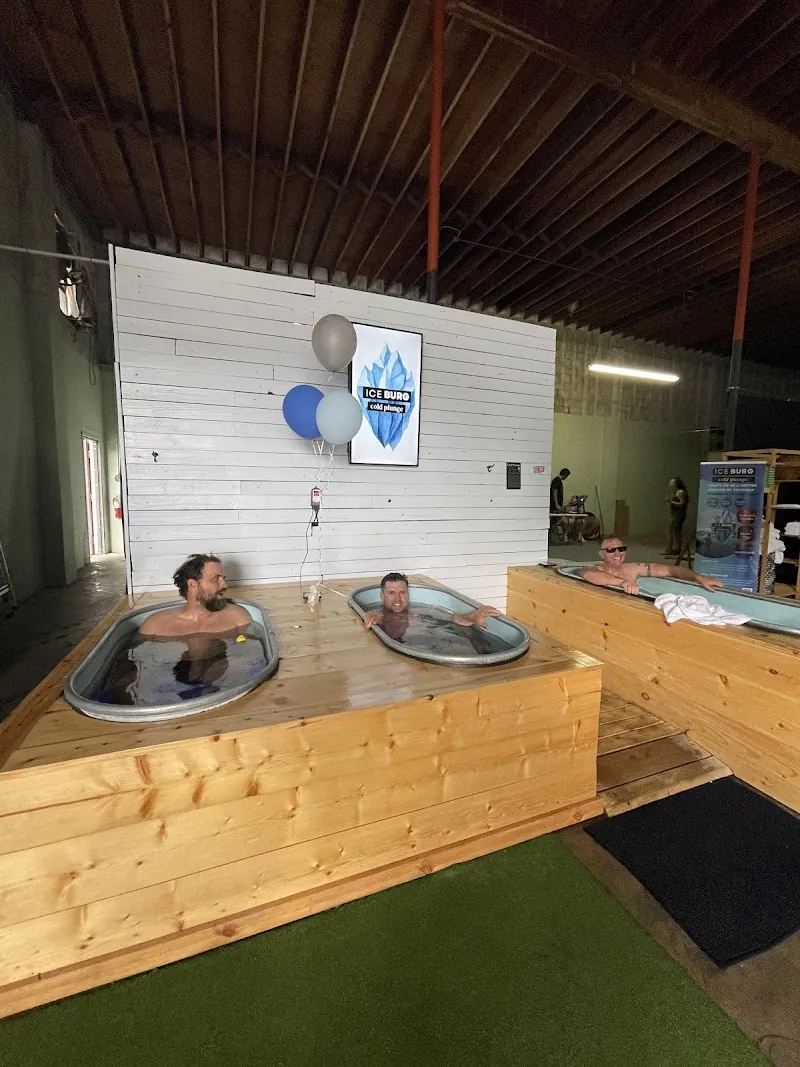
Cold plunge therapy, at its most basic, is the practice of immersing your body in cold water, usually between 50°F and 59°F, for a short controlled period of time. It has been around in various forms for centuries, from Scandinavian cold lake traditions to Japanese Misogi rituals, but it has exploded in mainstream popularity over the last five or six years. Families are now making it a regular wellness activity, booking sessions at a cold plunge facility or recovery wellness center the way they might book a yoga class or a gym membership. This guide covers everything you need to know before you take the whole family along: the science, the safety, age-specific guidance, fun activity ideas, and how directory data from Cold Plunge Pal can help you find a great spot nearby.
1. What Cold Plunge Therapy Actually Does to Your Body
Cold water immersion triggers a pretty dramatic physiological response, and understanding it makes the whole experience less intimidating for first-timers of any age. When you step into cold water, your body immediately constricts blood vessels near the skin's surface and redirects blood flow toward your core organs. Your heart rate spikes. Your breathing quickens. Your brain gets a flood of norepinephrine, which is a neurotransmitter associated with alertness, mood, and focus. All of this happens in the first ten to thirty seconds, which is, not coincidentally, the hardest part for most people.
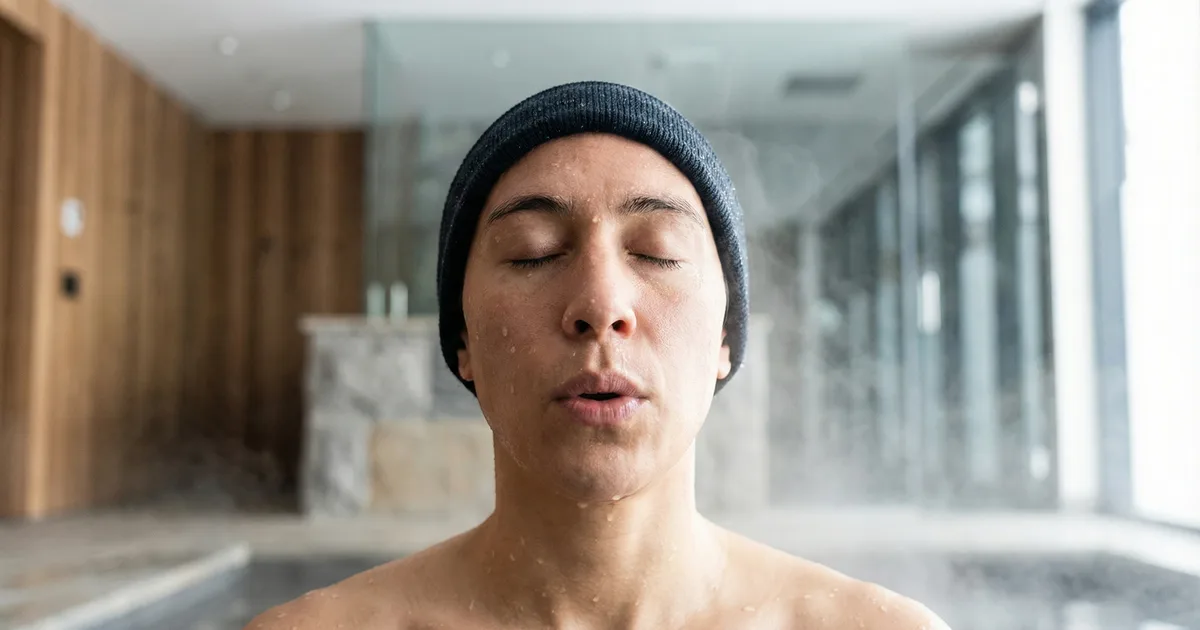
After that initial shock, something interesting occurs. Your body starts to adapt. Breathing slows. A kind of calm settles in. Practitioners at ice bath facilities and cold water therapy centers often describe this second phase as the reason people get hooked on the practice. It is not masochism. It is the experience of learning to regulate your response to discomfort, which turns out to be a genuinely useful skill.
Health benefits commonly associated with regular cold immersion include reduced muscle inflammation (which is why athletes have been doing ice baths for decades), improved circulation as blood vessels repeatedly constrict and dilate, mood improvements linked to that norepinephrine surge, and over time, a kind of mental toughness that practitioners report carrying into daily life. Results do vary a lot between individuals, and you should absolutely talk to a doctor before starting any cold therapy routine, especially if you or any family member has an existing health condition.
Cold plunge therapy is not a miracle cure for anything. Think of it as one tool in a broader wellness routine. Families who pair it with good sleep, regular movement, and decent nutrition tend to report the best results. And honestly, the social bonding that comes from doing something hard together might be just as valuable as the physiological effects.
2. An Age-by-Age Guide: Who Can Plunge and How
This is where a lot of families make their first mistake. They assume cold plunge therapy works the same way for a 14-year-old as it does for a 45-year-old, or worse, they bring a young child along thinking it will be a fun splash activity. It is not the same, and young children genuinely should not be doing full cold immersion.
Young children (under 10): Cold water immersion is not recommended for toddlers or young children. Their thermoregulation systems are not developed enough to manage the kind of rapid temperature change that a plunge pool spa produces. Many contrast therapy studios offer mild cool water activities or gentle water play areas for younger kids, and that is the appropriate option for this age group. Some recovery wellness centers have family lounge areas where younger children can wait comfortably while older family members take their sessions.
Preteens (10-12): This is a gray zone. Some facilities allow this age group with direct parental supervision and at warmer water temperatures, closer to 60°F-65°F. Sessions should be very short, under two minutes, and the child should be enthusiastically willing, not pressured. Check with each cold immersion center individually, because policies vary.
Teenagers (13 and older): With parental supervision and appropriate preparation, teenagers can participate fully in most cold plunge programs. Many teens actually respond really well to the experience once they get past the initial resistance. Water temperatures in the 55°F-59°F range are appropriate, with sessions starting at one to two minutes and building gradually over weeks. A cryotherapy studio that caters to families will usually have staff who know how to coach teenagers through the mental side of the first plunge.
Adults: Standard protocols apply. Most healthy adults can work up to three to five minute sessions at 50°F-59°F with consistent practice. The key word is "work up to." Starting at warmer temperatures and shorter durations is always smarter than going straight to the deep end, so to speak.
Older adults (60+): Cold immersion can absolutely be beneficial for older adults, particularly for joint inflammation and mood, but extra caution is warranted. Cardiovascular health matters a lot here, and a doctor's sign-off is not optional, it is necessary. Sessions on the shorter side (one to two minutes) and water temperatures on the warmer end (58°F-62°F) are usually recommended for this group at a reputable cold therapy studio.
3. Safety Guidelines Every Family Needs to Read Before Booking
Safety is not the boring part of this article. It is the part that determines whether your family has a great experience or a scary one.
Reputable cold plunge facilities enforce specific protocols for good reason. You should never plunge alone, full stop. Supervised entry and exit are standard at quality establishments because the initial shock can occasionally cause someone to lose their footing or, in rare cases, experience a more serious cardiovascular response. Good facilities also cap session times, usually at five minutes for most adults, and staff will pull you out if you show signs of hypothermia or distress.
Medical conditions that require a doctor's clearance before any cold immersion include cardiovascular disease, high blood pressure, Raynaud's disease, cold urticaria (an allergy to cold), and pregnancy. These aren't just cautionary fine-print items; they represent real contraindications where cold exposure can cause genuine harm. Quality cryotherapy spas conduct health screenings before first sessions. If a place doesn't ask you any health questions before you get in, that's a red flag worth taking seriously.
Ask whether they have certified staff on-site during sessions. Ask about their health screening process. Ask what the water temperature range is and whether they adjust for beginners or younger participants. A good cold water therapy center will answer all of these questions without hesitation and probably appreciate that you asked.
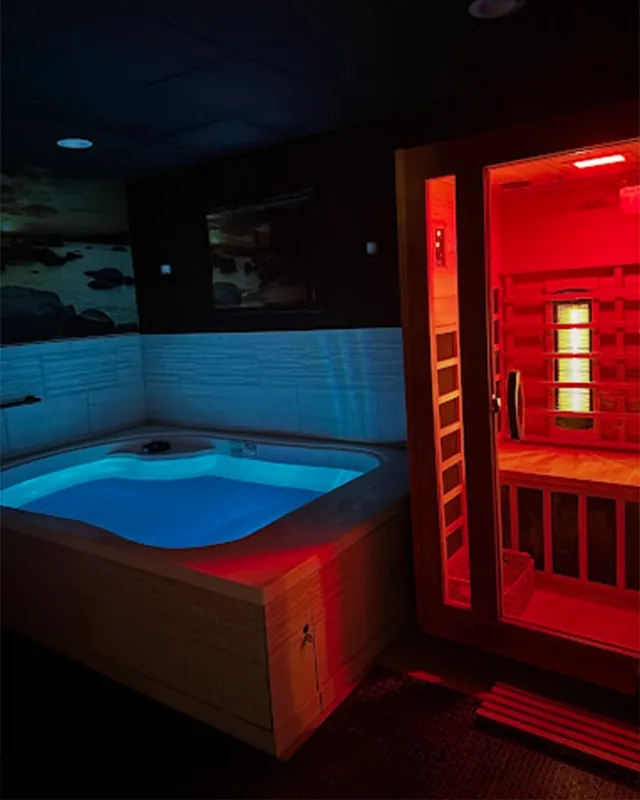
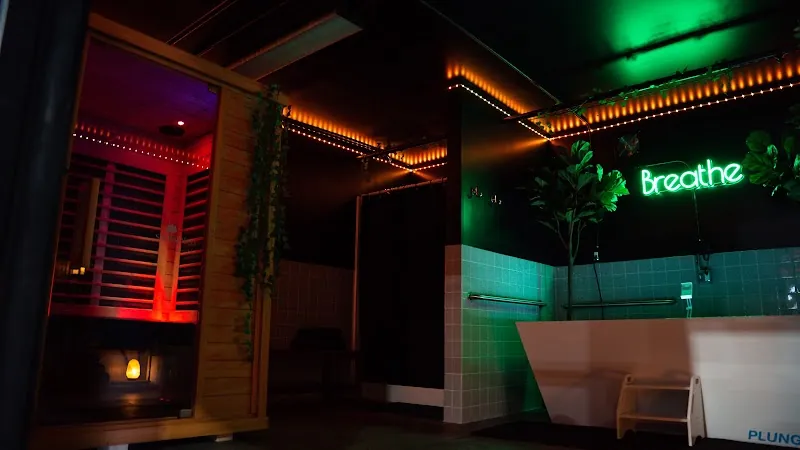
Warm-up and warm-down routines matter more than most people expect. Many contrast therapy studios intentionally pair cold plunge sessions with heat exposure, either a sauna, steam room, or hot tub, because the alternating between hot and cold environments is actually easier on the body than cold alone. For first-time family participants especially, starting with ten minutes in a sauna before the plunge, then returning to warmth afterward, makes the whole experience more manageable and arguably more beneficial. It also gives younger or more reluctant family members a gentler entry point.
4. Fun Activity Ideas to Try Together as a Family
Cold plunge sessions don't have to feel like a medical procedure. There are actual ways to make them engaging, especially for teenagers who need a reason to care beyond "it's good for you."
Timed challenge rounds are popular at a lot of cold plunge facility setups. You set a personal goal, say ninety seconds, and try to beat it each visit. Tracking this in a simple wellness journal (a cheap notebook works fine) gives teenagers and adults alike something concrete to measure. Families who do this report that the progress tracking becomes genuinely motivating in a way that abstract "health benefits" never quite does.
Breathing exercises, particularly those inspired by the Wim Hof method, are something many cold immersion centers offer as guided group sessions. In practice, the basic principle is controlled hyperventilation before the plunge, which helps blunt the initial cold shock response and makes the first few seconds significantly more manageable. Doing this together as a family, with a trained instructor walking everyone through it, is one of the better shared wellness experiences you can have. And yes, it actually works. You can feel the difference on your first try.
Post-workout recovery plunges are another great family format. If your family does any kind of fitness together, whether that's hiking, cycling, or just a long beach walk, finishing with a cold plunge session at a nearby recovery wellness center turns recovery into a ritual rather than an afterthought. Some facilities are conveniently located near outdoor recreation areas for exactly this reason.
Many cold water therapy centers also offer complementary services that round out a full family wellness day. Infrared sauna access, guided breathwork classes, and mindfulness sessions are increasingly common additions. On the nutrition side, if you want to stock up on healthy post-session snacks without paying premium grocery store prices, Salvage Grocery Stores is a great directory for finding discounted whole food options near you, which is a genuinely underrated way to keep family wellness routines affordable over the long term.
Celebrating milestones matters too. When a teenager hits their first three-minute plunge, make it a thing. Families who build small rituals around progress (a favorite post-plunge meal, a photo, anything) tend to stick with the practice longer than those who treat each session as just another errand.
5. What the Industry Data Says About Finding a Great Facility
Cold Plunge Pal currently lists 1,934 businesses across the directory, with an average customer rating of 4.9 stars. That is a remarkably high average for any service industry, and it suggests that the cold plunge and cryotherapy sector has developed strong service standards fairly quickly. Part of this is probably self-selection: people who open a cryotherapy studio tend to be genuinely passionate about the practice, which tends to translate into better customer experience.
New York leads in concentration with 30 listings, followed by Anchorage with 25, Omaha with 20, and both Las Vegas and Albuquerque with 19 each. Anchorage being this high on that list makes complete sense when you think about it, cold water culture is deeply embedded in Alaskan life in a way that doesn't need much marketing.
| Business Name | Location | Rating | Reviews |
|---|---|---|---|
| Rock and Armor | Meridian, ID | 5.0 ★ | 1,448 |
| Pain Center of Rhode Island | Cranston, RI | 5.0 ★ | 1,207 |
| Fire & Ice Wellness | Bristol, England | 5.0 ★ | 1,199 |
| Next Health | New York, NY | 5.0 ★ | 1,142 |
| Remède IV Therapy + Aesthetics | Jackson Hole, WY | 5.0 ★ | 948 |
Rock and Armor in Meridian, Idaho leads the pack with 1,448 reviews at a perfect 5.0, which is a remarkable volume of feedback to maintain that average at. Pain Center of Rhode Island in Cranston has 1,207 reviews also at 5.0. Fire & Ice Wellness in Bristol, England made the list too, which is a nice reminder that this directory has an international footprint. Next Health in New York and Remède IV Therapy in Jackson Hole round out the top five, both sitting at perfect ratings with over 900 reviews each.
What you want to look for when searching the directory for a family visit is a combination of high review volume and consistent rating. A place with twelve reviews and a 5.0 is not the same as a place with 1,400 reviews and a 5.0. Volume means the experience is repeatable and consistent, not just lucky on a few visits.
FAQ: Is cold plunge therapy safe for kids?
Young children under 10 should not do full cold immersion. Teenagers 13 and older can participate with parental supervision, appropriate water temperatures (55°F-65°F depending on the individual), and short session durations. Always check with the specific facility about their age policies, and consult a pediatrician if you have any concerns.
FAQ: How do I find a family-friendly cold plunge facility near me?
Cold Plunge Pal's directory lists 1,934 businesses with ratings, locations, and reviews. Filter by your city, read recent reviews, and look specifically for facilities that mention family sessions, supervised entry, or beginner programs. Calling ahead to ask about age policies and health screening procedures is always a good idea before your first visit.
FAQ: What should we bring to a cold plunge session?
Most facilities provide towels, but calling ahead to confirm is smart. Wear a swimsuit you don't mind getting very cold and wet. Bring a change of warm clothes for after. Avoid eating a heavy meal right before. And if it's your family's first time, arrive a few minutes early so staff can walk you through the process before you get in.
FAQ: How often should a family do cold plunge sessions?
For beginners, once or twice a week is plenty. More experienced practitioners sometimes go three to five times weekly, but for families starting out, less is more. Give your body a day or two between sessions to adapt, especially for teenagers and older adults.
Cold plunge therapy is genuinely one of the more interesting wellness trends families can explore together right now, not because it's trendy (though it is), but because it's one of the few wellness activities that produces a noticeable effect on your very first try. You don't have to wait six weeks to feel something. That immediacy, combined with the shared experience of doing something hard alongside people you love, is what makes it stick for families who try it. Find a good cold plunge facility through Cold Plunge Pal, check the safety guidelines, and give it a go.
Explore Related Directories
Find a Cold Plunge Facility Near You
Browse our directory of 1,934+ cold plunge businesses, cryotherapy studios, and recovery wellness centers. Filter by city, read real reviews, and find the right fit for your whole family.
Search the Directory