Essential Cold Plunge Tips for Beginners: A Comprehensive Guide
https://pub-9a4dedcce6dc4846a9c4647f79a2e5fc.r2.dev/cold-plunge-pal/blog/essential-cold-plunge-tips-for-beginners-a-comprehensive-guide/hero-1771896332.webp
Have you ever wondered what it actually feels like to jump into near-freezing water on purpose?
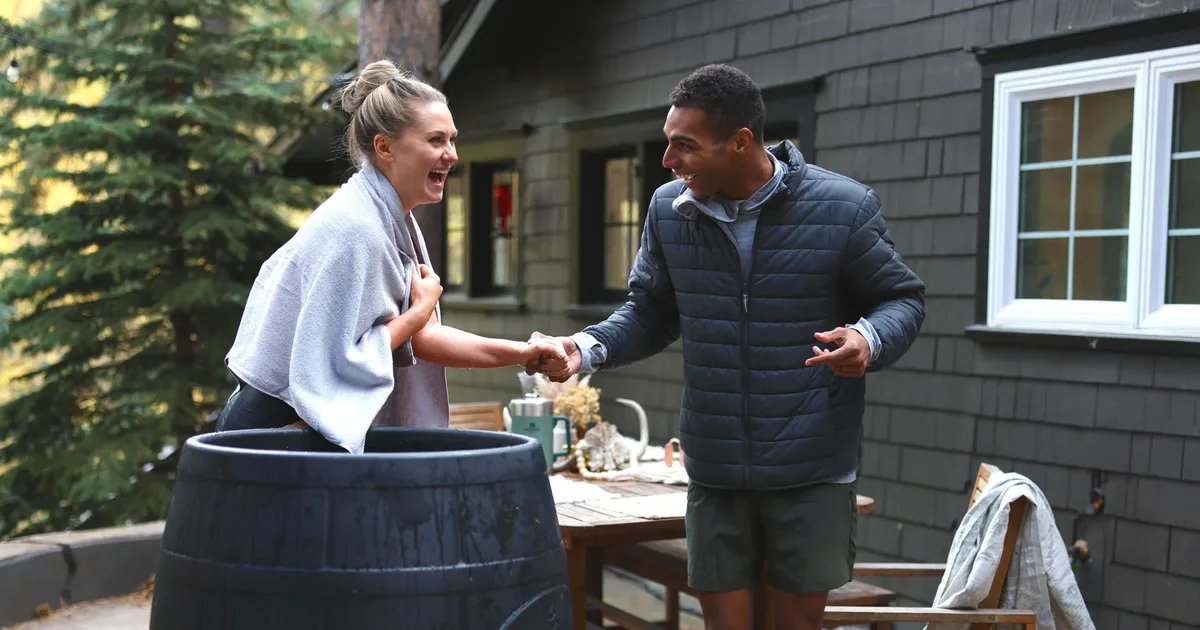
Cold plunge therapy is not some fringe biohacking trend anymore. It has moved squarely into the mainstream, showing up in gyms, spa menus, and dedicated cold immersion centers across the country. People are booking sessions the way they book massages. Athletes swear by it. Office workers are doing it on lunch breaks. And first-timers keep showing up with the same mix of curiosity and mild terror on their faces.
This guide is written for those first-timers. You will find out what cold water immersion actually does to your body, what to do before you go, how to get through your first session without panicking, and how to find a good facility near you. No fluff, just the stuff you actually need to know.
What Is Cold Plunge Therapy and How Does It Work?
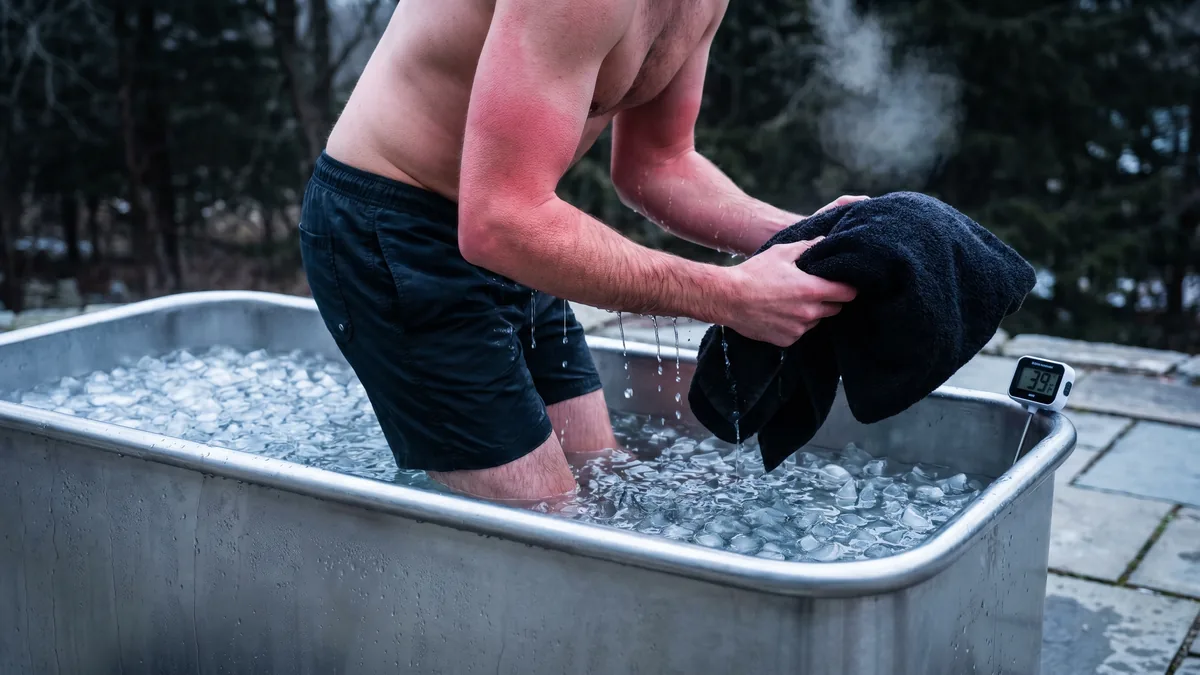
Cold plunge therapy is exactly what it sounds like: you submerge your body in cold water, usually between 39°F and 59°F, for a short and controlled period of time. That's it. Simple in concept. Wildly uncomfortable in practice, at least at first.
Here is the actual science, though. When cold water hits your skin, your blood vessels constrict almost immediately. That process is called vasoconstriction, and it redirects blood flow toward your core organs to protect them. When you get out and start warming up, those vessels dilate again and blood rushes back through your limbs. That back-and-forth acts like a pump for your circulatory system. Your nervous system also fires hard during a cold plunge, triggering a stress response that, over time, your body learns to manage more efficiently. That adaptation is a big part of why regular cold therapy builds what people call "mental toughness," though the physiology behind it is more interesting than that phrase suggests.
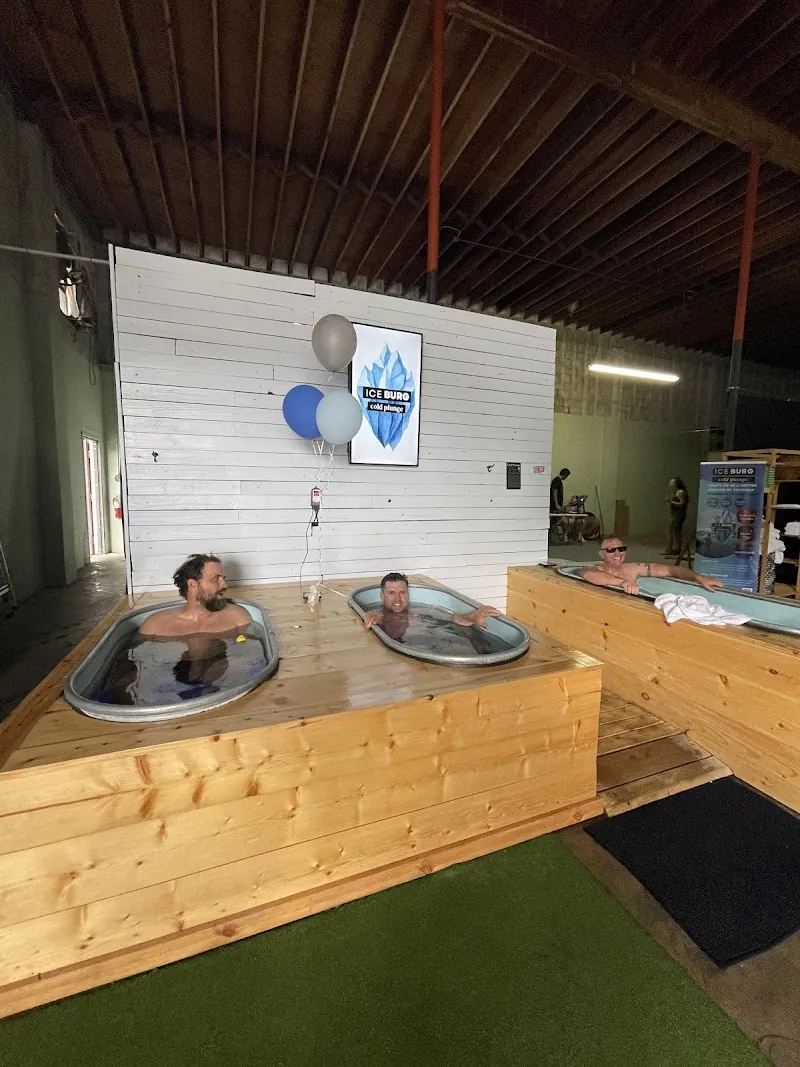
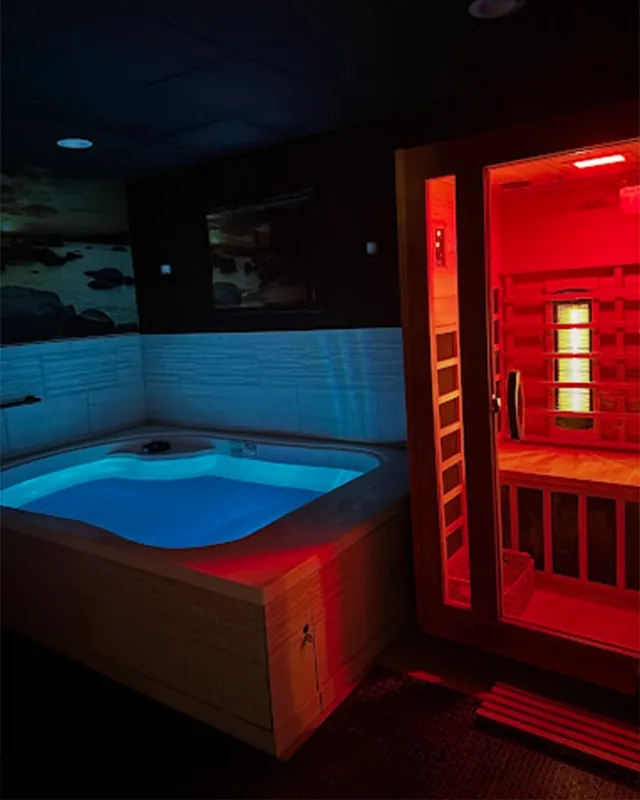
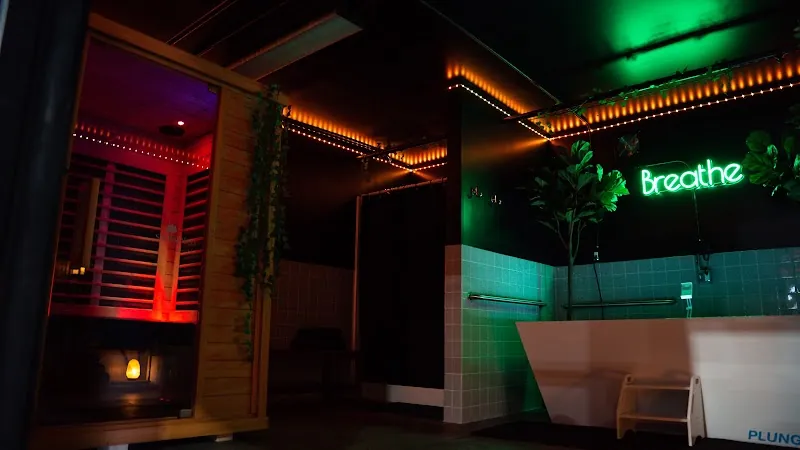
You will find cold immersion offered at a surprisingly wide range of places these days. A dedicated cold plunge facility or cold immersion center is the most straightforward option; these spots exist purely to get you in cold water safely and comfortably. Then there are contrast therapy studios, which pair cold plunges with hot saunas or steam rooms for a hot-cold cycling protocol. Cryotherapy studios use extremely cold air chambers instead of water, which is a different experience entirely. And some higher-end spas have started adding plunge pool spa setups as part of their recovery menus.
Wait, that is not quite right to lump all of these together as identical. A cryotherapy chamber and a cold plunge pool are genuinely different things. Cryotherapy is dry cold, usually liquid nitrogen-cooled air hitting your skin for two to three minutes while you stand upright. Cold water immersion covers your whole body (minus your head, if you prefer) and the wet cold penetrates differently. Most research on inflammation reduction and muscle recovery specifically looks at water immersion, not air-based cryo. Worth knowing before you book.
A cryotherapy chamber and a cold plunge pool are not interchangeable. If your goal is muscle recovery or post-workout soreness relief, look specifically for a cold plunge facility or ice bath facility, not just any cryotherapy studio. Ask what type of cold therapy they offer before you pay.
Health Benefits of Cold Plunge Therapy for Beginners
People come to their first session at a cold water therapy center for a lot of different reasons. Some are athletes chasing faster recovery. Some are dealing with chronic inflammation. Some just read something on the internet and got curious. And honestly, a lot of them end up staying for reasons they did not expect.
On the physical side, the most well-documented benefit is reduced muscle soreness after exercise. Cold immersion slows down inflammation in muscle tissue, which is why professional sports teams have had ice baths in their locker rooms for decades. A session at a cold therapy studio after a hard workout can noticeably cut down on the next-day soreness that makes you walk like you aged 40 years overnight. Circulation improvement is another real one. That vasoconstriction-dilation cycle described earlier genuinely does move blood more effectively through your body, and some people notice their hands and feet feel warmer on cold days after a few weeks of consistent sessions.
The mental benefits are where things get interesting, though. Cold water immersion triggers a big release of norepinephrine, sometimes 200–300% above baseline levels according to some studies. Norepinephrine is a neurotransmitter tied to focus, attention, and mood. People walk out of a recovery wellness center after their first session looking genuinely surprised by how good they feel. There is also the stress adaptation piece. Getting into very cold water is uncomfortable and slightly scary, especially at first. Doing it anyway, breathing through it, staying calm, that is practicing a skill. Over time, your nervous system gets better at handling acute stress, and a lot of people find that carries over into daily life.
That said, benefits vary a lot by person. Consistency matters more than any single session. One plunge is interesting; two weeks of regular visits to a good cold immersion center is where people start noticing real changes.
How to Prepare for Your First Cold Plunge Session
Preparation sounds boring but it genuinely matters here.
Start with hydration. Drink water in the hours before your session. Cold immersion affects your circulation and your body will handle it better when you are properly hydrated. Avoid a heavy meal in the two hours before you go; a full stomach and a cold shock response do not mix well. Wear a swimsuit that you can move in comfortably. That sounds obvious, but more than a few first-timers show up in board shorts that are basically a parachute underwater and spend the whole session fighting their clothes instead of focusing on their breathing.
Before you book your first session at any cryotherapy studio or cold plunge facility, check with your doctor if you have cardiovascular conditions, high blood pressure, Raynaud's disease, or any condition that affects how your body handles temperature. Cold water immersion causes a real cardiovascular stress response. For healthy people it is safe and beneficial. For people with certain conditions, it can be risky. This is not a case for guessing.
Cardiovascular conditions, Raynaud's disease, and severe high blood pressure are all reasons to talk to a doctor before your first cold immersion session. Reputable facilities will often ask about these conditions during intake, but don't rely on that as a substitute for medical advice.
Mental prep is underrated. Most people fail their first cold plunge not because of physical inability but because of the mental shock in the first 30 seconds. Your body will scream at you to get out. The way through that is breathing. Box breathing works well: inhale for four counts, hold for four, exhale for four, hold for four. Repeat. Some people swear by the Wim Hof method, which involves specific breathing patterns before and during immersion. Either approach gives your nervous system something to focus on instead of just "GET OUT GET OUT GET OUT." Practice the breathing before you go, not just when you're already waist-deep in 52°F water.
One more thing about pre-session prep that nobody really talks about: eating well in general during the days leading up to your first session supports recovery. If you're already short on nutrients, your body has less to work with. For budget-conscious folks managing their wellness routines, salvage grocery stores can be a surprisingly solid source of quality foods at steep discounts, which makes keeping up a nutritious diet a lot easier on the wallet.
Step-by-Step Tips for Your First Cold Plunge Experience
Walking into a cold plunge facility for the first time has a specific feeling to it. There is usually a faint mineral smell from the filtration systems, the air is cool even outside the pool, and the water looks very still and very cold. It probably is.
Start with water between 50°F and 59°F. Many facilities have multiple pools at different temperatures, and this range is right for beginners. Below 50°F is genuinely intense and there is no benefit to going colder before your body is adapted. Above 59°F still delivers benefits but feels more manageable as you build up. Start there and work down over multiple sessions.
Duration: one to three minutes for your first session. That might sound short. It is not. Sixty seconds in 55°F water feels much longer than sixty seconds anywhere else. Do not set a goal of staying in as long as possible on your first visit. That approach leads to a bad experience and sometimes a safety issue. Get in, breathe, stay calm, get out at two minutes if you can manage it. That's a successful first session.
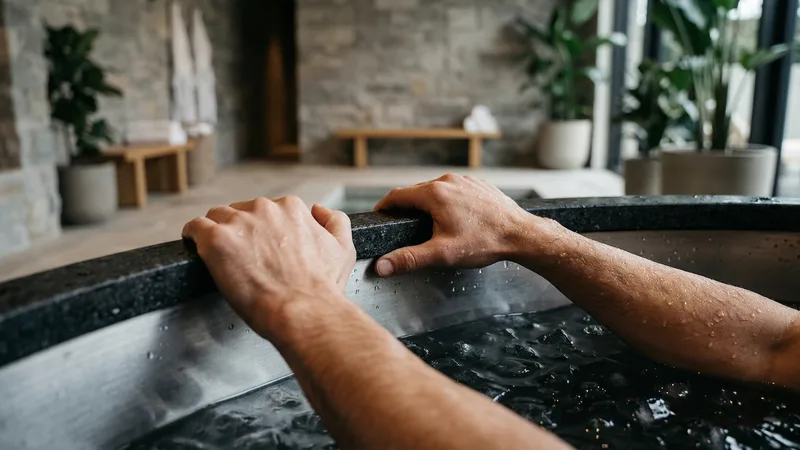
During the plunge, slow your exhales down deliberately. Your first instinct will be to gasp and breathe fast. Fight that instinct. Slow, controlled exhales tell your nervous system that you are not actually in danger. Keep your hands out of the water if you need to, some beginners find that helps with the initial shock. Focus on one breath at a time, not on the minutes remaining.
After you get out, do not immediately jump into a hot shower. It's tempting. Skip it. Your body rewarming naturally is part of how the therapy works. Move around gently, put on dry clothes, drink something warm if you want. Give yourself at least 10 to 15 minutes before any hot shower. This is the part where most of the norepinephrine release happens, which is why people leaving a recovery wellness center after a session often look oddly energized.
Finding a Reputable Cold Plunge Facility Near You
Not all cold plunge facilities are created equal. Water quality is the first thing to check. Cold plunge pools with poor filtration are a real problem; the water should be clean, treated, and cycled regularly. Ask about it. Any good plunge pool spa or cold immersion center will have an answer ready because they take it seriously. If staff seems annoyed by the question, that tells you something.
Look for facilities where staff are actually trained in cold water therapy protocols, not just general spa service. Session flexibility matters too, especially for beginners who might want shorter sessions while they're building up their tolerance. Some places lock you into 30-minute booking windows even if you're only in the water for five minutes. A good facility accommodates that without making you feel like you're wasting a slot.
Our directory currently lists 1,934 facilities across the country, and the geographic spread is worth noting. New York leads with 30 listings, followed by Anchorage with 25, Omaha with 20, and both Las Vegas and Albuquerque with 19 listings each. Anchorage having 25 listings says something interesting about regional culture around cold water, although, fair point, they have a head start on the concept.
Average customer ratings across listed facilities sit at 4.9 stars, which is genuinely high. Here are the top-rated businesses currently in the directory:
| Business Name | Location | Rating | Reviews |
|---|---|---|---|
| Rock and Armor | Meridian, ID | ⭐ 5.0 | 1,448 |
| Pain Center of Rhode Island | Cranston, RI | ⭐ 5.0 | 1,207 |
| Fire & Ice Wellness | Bristol, England | ⭐ 5.0 | 1,199 |
| Next Health | New York, NY | ⭐ 5.0 | 1,142 |
| Remède IV Therapy + Aesthetics | Jackson, WY | ⭐ 5.0 | 948 |
Rock and Armor in Meridian, Idaho, leading with 1,448 reviews at a perfect 5.0 is remarkable. That kind of review volume at a perfect score does not happen by accident. It reflects real operational consistency over a long time, which is exactly what you want in a cold plunge facility you're trusting with your first experience.
If you are in New York, Next Health at 5.0 stars with 1,142 reviews is worth looking at. If you're traveling and end up near Jackson, Wyoming, Remède IV Therapy has strong enough numbers to be worth a visit. And if you ever find yourself in Bristol, England, Fire & Ice Wellness with 1,199 reviews is clearly doing something very right, whatever the weather is doing outside.
Ask these four questions when calling a cold water therapy center or cryotherapy studio: What temperature is the plunge pool kept at? How often is the water filtered and treated? Are staff trained specifically in cold immersion protocols? And can I book a shorter first session if I need to? Good facilities answer all four without hesitation.
Frequently Asked Questions
How cold should the water be for a beginner?
For a first session, aim for water between 50°F and 59°F. Most good cold plunge facilities offer multiple pools at different temperatures. Starting in this range gives you real benefits without pushing into territory that feels unmanageable. You can go colder over multiple sessions as your body adapts.
How long should I stay in the cold plunge on my first visit?
One to three minutes is plenty for a first session. Staying in longer does not automatically mean better results, especially early on. Getting out at two minutes with calm, controlled breathing is a more successful first session than staying in five minutes while panicking. Build duration gradually over several visits.
Is cold plunge therapy safe for everyone?
Not automatically. People with cardiovascular conditions, high blood pressure, Raynaud's disease, or certain circulation disorders should talk to a doctor before their first session. Cold water immersion puts real stress on the cardiovascular system. For healthy adults it is generally safe, but checking first is not optional if you have any of those conditions.
What should I wear to a cold plunge session?
A standard swimsuit is fine. Avoid loose, baggy swimwear that fills with water and makes movement uncomfortable. Some people wear neoprene socks or gloves to protect extremities, especially in colder pools. Ask the specific facility if they have any dress code or recommendations for their setup.
Can I take a hot shower right after a cold plunge?
Wait at least 10 to 15 minutes before any hot shower. Part of the physiological benefit comes from your body rewarming itself. Jumping straight into hot water short-circuits that process. Move around, dry off, put on layers, drink something warm. Let your body do its job first.
How many sessions per week is ideal for beginners?
Two to three sessions per week is a solid starting point. Daily immersion is something experienced practitioners work up to over months, not weeks. Your body needs time to adapt between sessions, especially early on. Consistency over time matters more than frequency right at the start.
What is the difference between a cold plunge and cryotherapy?
Cold plunge therapy uses cold water immersion, which covers the body and penetrates the tissue differently than cold air. Cryotherapy chambers use extremely cold air, usually liquid nitrogen-cooled, and the session is typically two to three minutes of dry cold. Most research on muscle recovery and inflammation specifically involves water immersion. They are related but different experiences with different mechanisms.
Explore Related Directories
Find Cold Plunge & Ice Bath Facilities Near You
Browse our directory of 1,934+ cold plunge facilities, ice bath centers, cryotherapy studios, and contrast therapy studios across the country. Every listing includes ratings, reviews, and contact info so you can book with confidence.
Search the Directory