Emerging Trends in Cold Plunge Practices for the New Year
Picture this: someone signs up for their first cold plunge session at a local ice bath facility, walks in expecting a simple bucket of ice water, and leaves an hour later having done a full contrast therapy circuit, worn a heart rate monitor during the session, and booked a group plunge event for the following Saturday. That is not how most people imagine cold water therapy going. But that gap between what newcomers expect and what today's cold plunge facilities actually offer is exactly where the most interesting things are happening right now.
Cold immersion is not a fringe habit anymore. It has moved from the routines of elite athletes and extreme sports enthusiasts into mainstream wellness culture, and the numbers back that up. If you are thinking about adding cold exposure to your routine this year, or if you run a recovery wellness center and want to know where the industry is heading, you are in the right place.
Cold Plunge Pal's business directory currently lists 1,934 businesses across the United States, covering everything from dedicated cryotherapy studios and plunge pool spas to full-service contrast therapy studios and cold water therapy centers. Those businesses carry an average customer rating of 4.9 stars. That is almost absurdly high for any service industry, and it tells you something real: people who try these facilities tend to love them.
Where Cold Plunge Culture Is Actually Taking Hold
New York leads the directory with 30 listings, which makes sense for a dense urban market with a strong fitness culture and high disposable income. But Anchorage coming in second with 25 listings? That one is interesting. You might assume that people living in Alaska, where cold is just... the weather, would not be rushing to pay for cold water therapy. Yet the demand is clearly there, possibly because structured cold exposure in a controlled setting is a very different experience from just being cold outside.
Omaha has 20 listings, Las Vegas has 19, and Albuquerque also sits at 19. This spread tells a story that goes beyond coastal wellness trends. Cold plunge culture is showing up in landlocked cities, desert cities, cities that do not have the same reputation for wellness tourism as, say, Los Angeles or Miami. That regional diversity suggests demand is being driven by everyday people looking for better recovery and stress management, not just by trendy urban markets chasing the next fitness fad.
A 4.9-star average across nearly two thousand businesses is the kind of data point that deserves a second look. Most restaurant directories would envy that number. It suggests that cold plunge facilities, whether that means a standalone cold therapy studio or a plunge pool spa attached to a larger gym, are doing something right when it comes to the actual client experience.
Top-Rated Facilities Setting the Standard
| Business Name | Location | Rating | Reviews |
|---|---|---|---|
| Rock and Armor | Meridian, ID | 5.0 ★ | 1,448 |
| Pain Center of Rhode Island | Cranston, RI | 5.0 ★ | 1,207 |
| Fire & Ice Wellness | Bristol, England | 5.0 ★ | 1,199 |
| Next Health | New York, NY | 5.0 ★ | 1,142 |
| Remède IV Therapy + Aesthetics | Jackson Hole, WY | 5.0 ★ | 948 |
Rock and Armor in Meridian, Idaho sits at 5.0 stars across 1,448 reviews. Pain Center of Rhode Island in Cranston has 1,207 reviews at the same rating. These are not small sample sizes. A business earning a perfect score over a thousand reviews has done something genuinely consistent, and that consistency is increasingly becoming the baseline expectation across the cold plunge industry.
Trend #1: Personalized Cold Immersion Protocols Are Replacing the Generic Plunge
For a long time, a cold plunge session meant one thing: get in, stay as long as you can, get out. Temperature was fixed, time was fixed, and if you struggled, that was just part of it. That approach is being replaced by something much more thoughtful.
Good cold water therapy centers are now doing intake assessments before they ever let a new client near the water. They ask about health history, current medications, cardiovascular conditions, fitness goals, and stress levels. Some facilities are pairing those assessments with wearable data, tracking heart rate variability and core temperature to build a progressive cold exposure plan that actually matches where a person is starting from.
Honestly, this matters more than most people realize. A 65-year-old managing blood pressure issues should not be following the same protocol as a 28-year-old competitive cyclist coming in for post-race recovery. The fact that cryotherapy studios and cold therapy studios are starting to build those distinctions into their intake process is a genuinely good development for the industry.
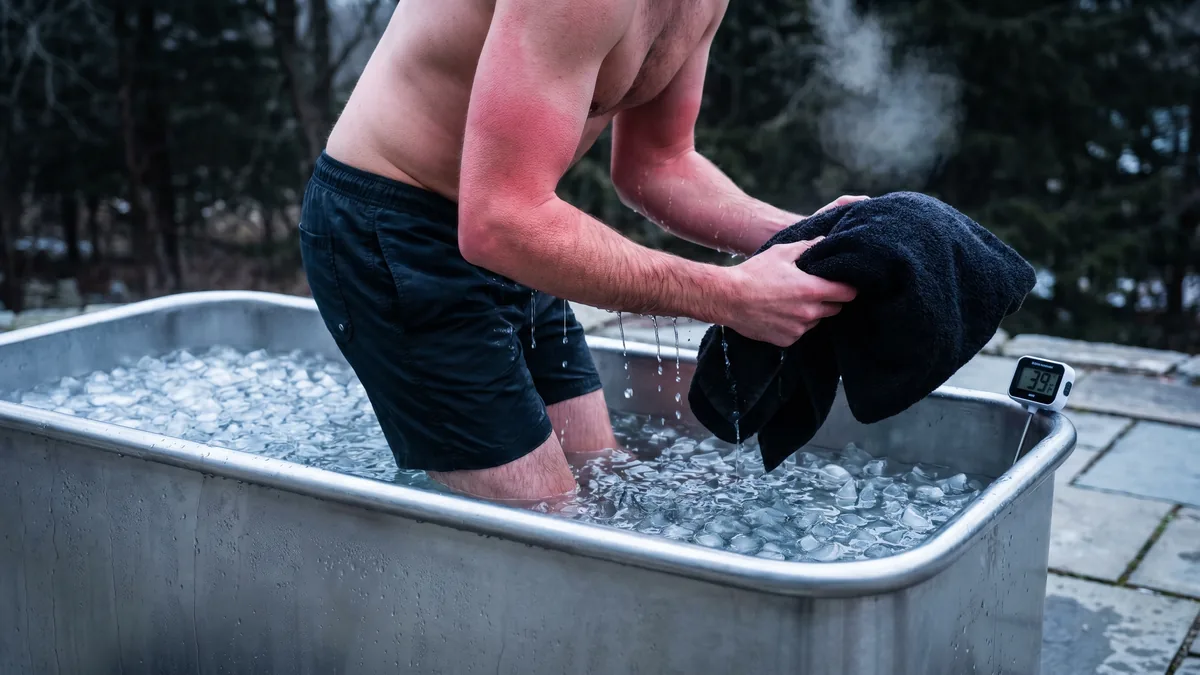
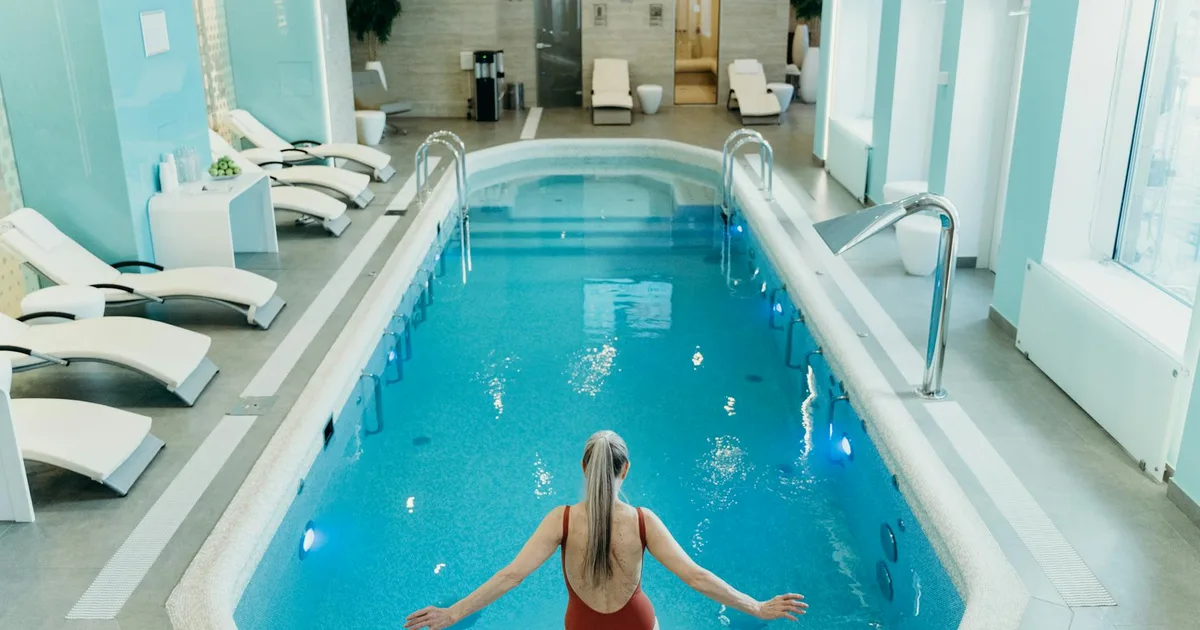
Personalization is also showing up in temperature selection. Some cold plunge facilities now offer tiered pools ranging from 50°F to as low as 39°F, letting clients progress through colder exposures over weeks or months rather than jumping straight into the deep end. Staff consultations are becoming a standard part of the experience at higher-end recovery wellness centers, not just a premium add-on. And that investment in the client relationship is almost certainly part of why ratings across the directory are hovering so close to perfect.
Before booking your first session at any cold plunge facility, call ahead and ask if they do an intake consultation. A place that takes five minutes to understand your health background before you get in the water is a place that takes your safety seriously. If they wave off the question, that tells you something too.
Trend #2: Contrast Therapy Studios Are Becoming the New Recovery Destination
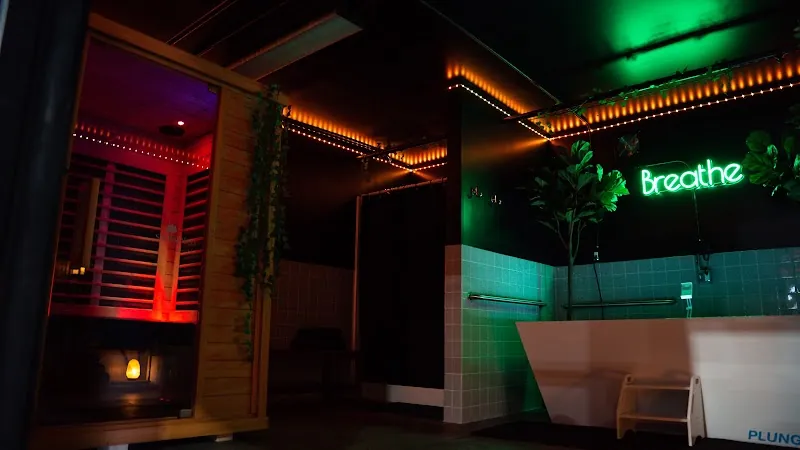
Alternating between heat and cold is not a new idea. Finnish sauna culture has been doing something like this for centuries. What is new is the way contrast therapy studios and plunge pool spas are turning this back-and-forth into a structured, designed experience with specific protocols, staff guidance, and an actual circuit layout that guides clients through the process.
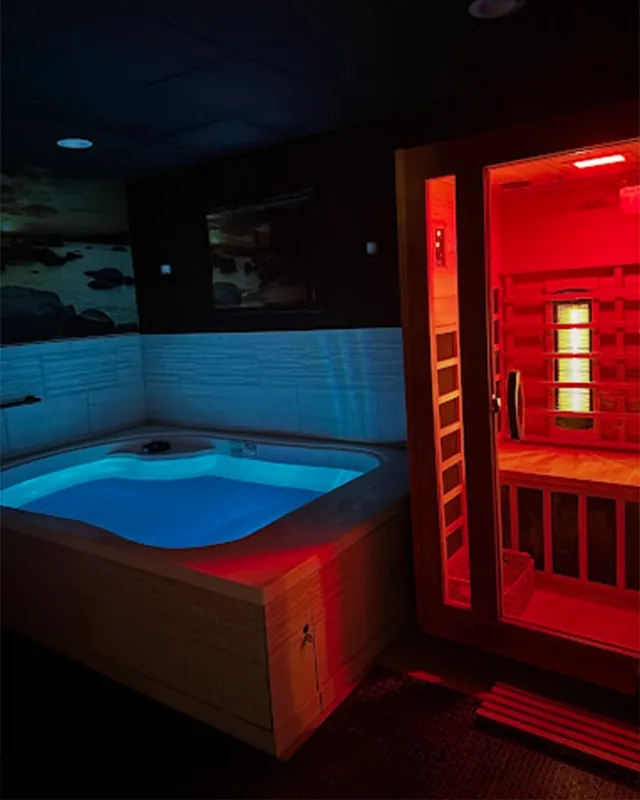
A typical contrast therapy session at a modern facility might look like this: ten minutes in a dry sauna at 180°F, followed by two to three minutes in a cold immersion pool at around 50°F, then back to the heat, cycling through three or four rounds. Some studios are adding infrared saunas, steam rooms, and even cold-water showers at different points in the circuit to give clients more variety and control over the intensity.
What's driving adoption beyond the athlete crowd is the bundling happening at these facilities. A visit to a contrast therapy studio can now include a massage, red light therapy, a breathwork session, and a cold plunge, all booked as a single package. That kind of bundled offering makes the cold element feel less like an ordeal and more like one component of a relaxing, well-rounded session. If you struggle with the idea of sitting in cold water by yourself for three minutes, doing it as part of a two-hour wellness visit with other activities around it changes the psychological math considerably.
Next Health in New York, rated 5.0 stars across 1,142 reviews, is a strong example of this multi-modal approach. Their model layers cold exposure alongside IV therapy and other recovery services, which pulls in a much wider client base than a standalone ice bath facility ever could.
If you operate a plunge pool spa or a single-modality cold therapy studio, adding even one heat option, whether that's a small sauna, steam room, or infrared panel, dramatically increases your appeal to clients who are nervous about cold immersion alone. The heat gives them something familiar to anchor the experience.
Trend #3: Cold Plunge Facilities Are Building Real Communities
Something a little unexpected has happened as more cold plunge facilities have opened up. People are not just going to these places to improve their health metrics. They are going to connect with other people who are also doing uncomfortable things voluntarily, which is a strange but real social bond.
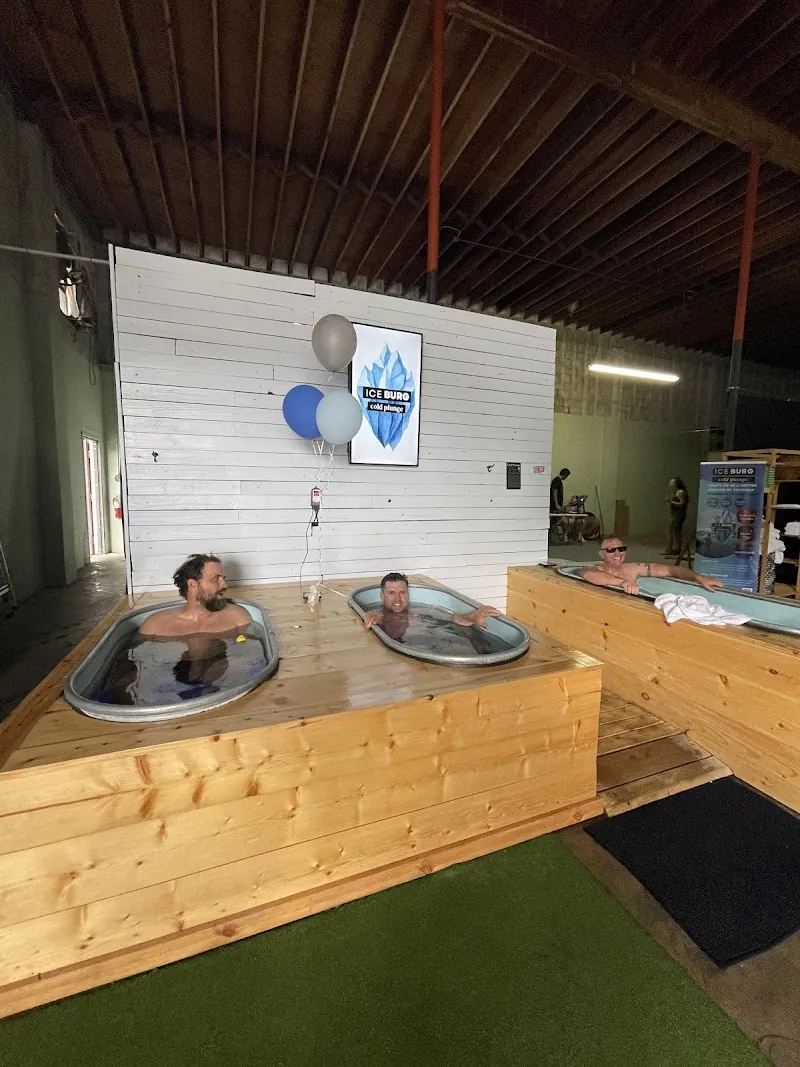
Group plunge sessions have become a regular feature at ice bath facilities and cryotherapy spas across the country. Some facilities run structured cold challenges, where participants commit to a set number of sessions over 30 days, check in on a shared leaderboard, and hold each other accountable. New Year's challenges are particularly popular, for obvious reasons, and several recovery wellness centers have made them an annual marketing event that drives significant foot traffic in January and February when gym memberships are peaking anyway.
Social media is playing a real role here. A group of eight people getting out of a cold plunge pool together, all making the same involuntary exhale, is genuinely shareable content. Cold plunge facilities that have leaned into this have seen organic reach that most wellness businesses would struggle to buy with paid advertising. Local partnerships with running clubs, CrossFit gyms, and sports teams have extended that reach even further.
Membership models are also changing the economics of these businesses. Instead of relying on drop-in traffic, more cold water therapy centers are building recurring revenue through monthly memberships that include a set number of plunges, priority booking, and access to group events. That model rewards consistent clients, builds the community over time, and gives the facility much more predictable cash flow than a drop-in model does.
And frankly, the intimidation factor is real. Cold plunging alone for the first time is hard. Doing it in a group, with people who have been doing it for months and are willing to walk you through what to expect, is a completely different experience. Facilities that have figured this out are retaining clients at much higher rates.
Trend #4: At-Home Cold Plunge Products and Facility Hybrids
At-home cold plunge tubs have exploded in popularity over the last two years. Products from brands like Plunge, IceBarrel, and Blue Cube have made it possible for people to get cold exposure daily without leaving the house. But here is where it gets interesting for cold plunge facilities: the growth of at-home products has not cannibalized professional facility visits. In many cases, it has increased them.
People who start plunging at home often get curious about what a professionally maintained, properly chilled, correctly supervised plunge experience feels like compared to their backyard tub. They come to a cryotherapy studio or cold immersion center for a session and leave with a much better sense of what good cold therapy infrastructure looks and feels like. That comparison sends a lot of home users back to professional facilities on a regular basis, not to replace their home practice but to supplement it.
Recovery wellness centers are responding by offering hybrid membership tiers that cater to people who plunge at home but want access to contrast therapy circuits, group events, or professional guidance a few times a month. That kind of flexible model meets clients where they are instead of treating at-home plunging as competition.
One small but practical thing worth mentioning: recovery-focused nutrition is increasingly being discussed in conjunction with cold exposure. Some facilities are pointing clients toward budget-friendly grocery resources for anti-inflammatory foods to pair with their cold therapy routines. If you're building a recovery practice on a tight budget, a store like those listed at Salvage Grocery Stores can help you source quality foods at lower prices, which matters if you're already spending money on facility memberships.
At-home tubs win on consistency and convenience. Professional facilities win on temperature precision, contrast therapy options, expert guidance, and community. If you can afford to do both, do both. If you have to choose, start with a professional cold plunge facility to learn proper protocols before investing in home equipment.
Frequently Asked Questions
How cold does the water need to be for cold plunge therapy to work?
Most cold plunge facilities target a range between 50°F and 59°F for general recovery and wellness benefits. More advanced protocols used by athletes or experienced users can go lower, into the low 40s. Going below 39°F increases risk without proportionally increasing benefit for most people. Ask your facility what temperature their pools are set to and why before your first session.
How long should a cold immersion session last?
For beginners, two to three minutes is a reasonable starting point. Most research on cold water immersion benefits clusters around the two to five minute range for physiological effects like reduced muscle soreness and improved circulation. Staying in longer is not automatically better and can increase risk of hypothermia in very cold water. A good cold therapy studio will advise you on duration based on your experience level and health background.
Is contrast therapy better than cold plunge alone?
For most people, yes. Alternating heat and cold creates stronger cardiovascular responses, helps muscles recover more fully, and is generally more comfortable, which means people actually stick with it. A standalone cold immersion session has real benefits, but contrast therapy studios offer a more complete physiological experience. If the facility you're visiting has both a sauna and a cold plunge, use both.
Are cryotherapy studios and cold plunge facilities the same thing?
Not exactly. Cryotherapy studios typically offer whole-body cryotherapy chambers that use very cold air (often below minus 200°F) for short two to three minute sessions. Cold plunge facilities use cold water immersion, which conducts heat away from the body much more efficiently than cold air. Many facilities now offer both, but they are different modalities with somewhat different research behind them. Cold water immersion currently has a deeper evidence base for muscle recovery specifically.
What should I look for in a quality cold water therapy center?
Look for clean, well-maintained pools with clearly posted temperature readings, staff who do some form of intake screening with new clients, and transparent protocols for how sessions should be structured. A facility with over 100 reviews averaging 4.8 stars or higher is a reasonable signal of consistent quality. Businesses listed on Cold Plunge Pal carry an average of 4.9 stars across 1,934 listings, so that is a useful baseline for comparison.
Explore Related Directories
Find a Cold Plunge Facility Near You
Browse our directory of 1,934+ businesses, from cryotherapy studios and plunge pool spas to full-service contrast therapy studios and recovery wellness centers. All with verified ratings from real clients.
Search the Directory