Cold Water Therapy: Smart Ways to Save Money on Cryotherapy
Picture this: someone signs up for a cryotherapy studio near their gym, pays $65 for a single three-minute session, walks out feeling amazing, and then does it twice a week for a month before realizing they've spent over $500 without even thinking about it. That's not an unusual story. Cold water therapy has grown fast enough that a lot of people are jumping in without any real plan for how to afford it long-term, and then either overpaying badly or just quitting altogether. Neither of those outcomes is what you want.
Cold water therapy, which covers everything from traditional ice baths to modern cold plunge facilities and whole-body cryotherapy chambers, has moved well beyond the athlete crowd. Regular people use it now for recovery, mood, inflammation, sleep, and a dozen other reasons. And the industry has expanded to match that demand. Right now there are 1,934 cold water therapy businesses listed in our directory across the United States and beyond, carrying an average customer rating of 4.9 stars out of 5. That's a remarkably consistent quality level across a very large number of providers. So the good news is that finding a solid cold immersion center near you is genuinely achievable. Keeping the cost manageable? That takes a little more strategy.
This article breaks down exactly how to do that, from membership math to timing tricks to honest comparisons between home setups and professional facilities.
What Cold Water Therapy Actually Costs (And Why Prices Vary So Much)
Walk into any cold plunge facility in a major city and you might see drop-in rates ranging anywhere from $25 to $90 per session. That's a huge gap, and it's not random. Several factors stack up to create that spread, and understanding them is the first step to spending smarter.
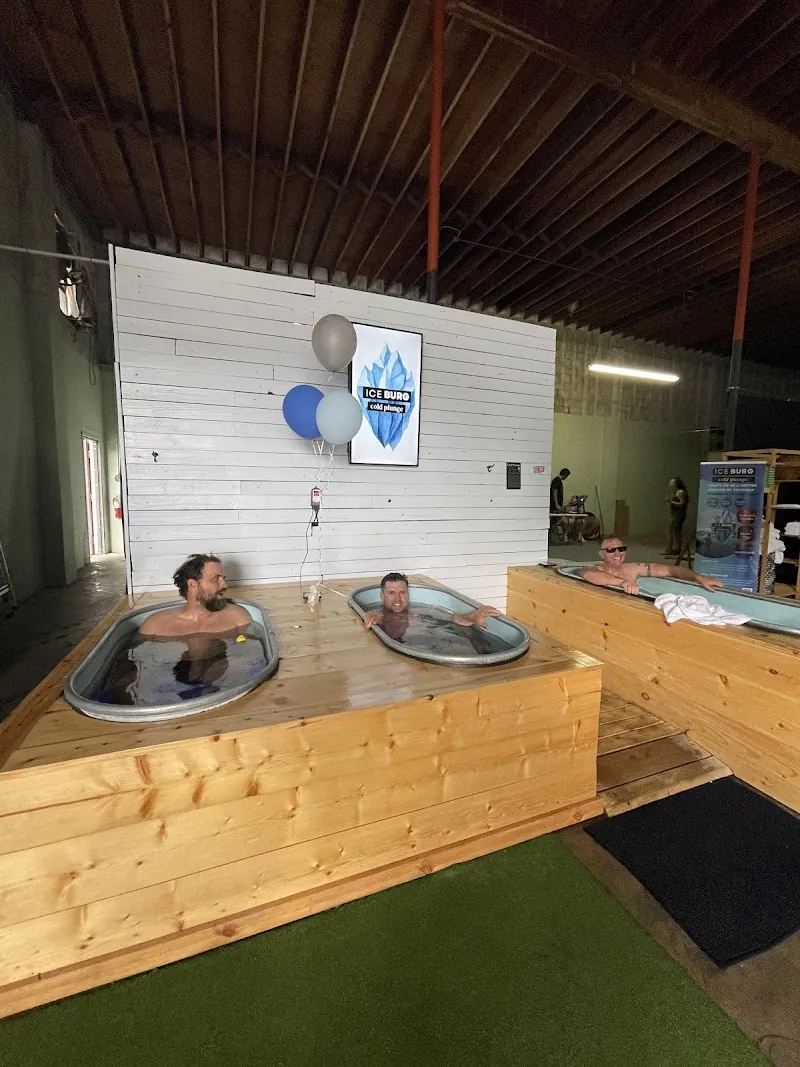
Equipment type matters a lot. A basic ice bath tub at a recovery wellness center costs far less to run than a purpose-built electric cold plunge with precise temperature control, ozone filtration, and a digital display. Whole-body cryotherapy chambers, where you stand in a nitrogen-cooled unit for two or three minutes, involve significant equipment investment and maintenance costs that get passed to you through session prices. Contrast therapy studios that offer hot and cold cycling typically charge more than single-modality spots because they're giving you more infrastructure per visit.
Location is the other obvious driver. A plunge pool spa in downtown Manhattan or Beverly Hills has rent to cover that a facility in Omaha simply does not. That's worth keeping in mind when comparing prices you see online versus what's actually available in your area.
Here's where a lot of people trip up: they see a $20 session at one cold water therapy center and a $45 session at another and assume the cheaper one is the better deal. But if the $20 place has a six-person tub that's not cleaned between uses, imprecise water temperatures, and no staff to help if something feels off, you're not really saving money, you're just taking on more risk and less quality. Value comparison is about what you get per dollar, not just what the sticker says.
Monthly memberships at most cold immersion centers range from about $79 to $199 depending on access level and city. Single session drop-ins typically run $30 to $65. If you're going even twice a week, a membership pays for itself fast. We'll get into the math more in a minute.
Single drop-in session: $25–$90. Monthly membership: $79–$199. Unlimited monthly plans at premium spots can hit $250+, but those usually include sauna access, contrast pools, and other extras. Always ask what's included before committing.
Memberships, Packages, and How to Do the Math Before You Commit
Most cold plunge facilities and cryotherapy spas offer at least three pricing tiers: single sessions, session bundles, and monthly memberships. Understanding how each one works, and when each one makes sense for you specifically, is where real savings happen.
Session bundles are usually the first upsell you'll get offered. Something like 10 sessions for the price of 8, or a 20-session pack at a 25% discount. These work well if you're confident you'll actually use them and if the package doesn't expire in 30 days. Ask about expiration terms before you buy. Some facilities set 60 or 90-day windows, others give you a full year. A 10-pack with a 90-day window is a much better deal than one that expires in a month if your schedule is unpredictable.
Monthly memberships are where the math gets interesting. Say a drop-in at your local contrast therapy studio costs $40. Four visits a month costs you $160. If the monthly membership is $99 and covers unlimited visits, you're saving $61 in month one, and more every month after that. Even at two visits per week, which most committed cold therapy users aim for, the math almost always favors a membership over drop-in rates after the third or fourth session in any given month.
Some facilities also offer family memberships or couple's rates, which are genuinely underused. Couple's pricing at a cold water therapy center can sometimes drop the per-person cost by 20 to 30%. If someone in your household would join you even half the time, it's worth asking about household plans.
Off-peak pricing is another option that not enough people ask about directly. Many cryotherapy studios quietly offer lower rates for sessions before 9 AM or after 7 PM on weekdays, or all day on slower days like Tuesday and Wednesday. The facilities I've seen do this well usually don't advertise it prominently on their website; you need to ask at the front desk or call ahead. If morning cold plunges fit your schedule, this alone can cut 15 to 25% off your costs without changing anything else about your routine.
One more thing worth knowing: most cold plunge facilities will negotiate a bit on longer commitments. Paying for three months upfront instead of month-to-month often gets you one month free or a reduced rate. It requires some cash upfront, but if you're serious about making this a regular practice, the savings over a year can be substantial.
Finding Good Options Near You: What the Data Actually Shows
With 1,934 listed businesses and an average rating of 4.9 stars, the cold water therapy market in the US is both large and, honestly, pretty good overall. That 4.9 average is higher than you'd see in most wellness categories, which suggests that the people running these places tend to care about the experience they're delivering.
City competition is a real factor in pricing. New York leads the directory with 30 listings, followed by Anchorage (25), Omaha (20), Las Vegas (19), and Albuquerque (19). In cities with more providers, there's more pressure to compete on price and perks. If you're in New York, Las Vegas, or any metro area with a dense cluster of cold immersion centers, you have real bargaining power. Shopping around is worth the effort because the pricing spread between facilities in competitive markets can be $20 to $30 per session for similar service levels.
Smaller cities with fewer options, on the other hand, may have less price competition, which is when memberships become even more important to lock in a predictable monthly cost.
| Business Name | Location | Rating | Reviews |
|---|---|---|---|
| Rock and Armor | Meridian, ID | 5.0 ⭐ | 1,448 |
| Pain Center of Rhode Island | Cranston, RI | 5.0 ⭐ | 1,207 |
| Fire & Ice Wellness | Bristol, England | 5.0 ⭐ | 1,199 |
| Next Health | New York, NY | 5.0 ⭐ | 1,142 |
| Remède IV Therapy + Aesthetics - Jackson Hole | Jackson, WY | 5.0 ⭐ | 948 |
Rock and Armor in Meridian, Idaho stands out here, 1,448 reviews at a perfect 5.0 is not a fluke, that's a business that has consistently done right by a lot of people. If you're in the Boise area, that one's worth looking up before trying anywhere else. Next Health in New York is equally impressive given the size and competition of that market.
Using a business directory to compare local cold plunge facilities is genuinely one of the fastest ways to cut through the noise. You can see ratings, read recent reviews, check what services are actually offered, and compare multiple spots without driving around town. Filter by rating, look at review volume, and pay attention to what reviewers mention about pricing and staff; those details tell you more than the website copy ever will.
Timing, Seasons, and the Small Habits That Add Up to Real Savings
Most people book cold therapy sessions the same way they book everything else: whenever they have a free hour. That's fine, but it's not the cheapest way to do it.
Off-peak booking is one of those things that sounds small but can genuinely knock 15 to 20% off your costs over a year. Many cold therapy studios see their busiest periods between 5 and 7 PM on weekdays and Saturday mornings. If you can shift even a few sessions per month to Tuesday at 7 AM or Thursday at noon, some facilities will price those slots lower to fill the schedule. Call your cold immersion center and ask directly: "Do you have any off-peak discounts?" A lot of front-desk staff will say yes to that question when they wouldn't have thought to bring it up on their own.
Seasonal promotions are real and fairly predictable. January is huge for wellness in general, and most cryotherapy spas run new year deals through the first two weeks of the month. Summer can bring slower periods at indoor cold therapy studios (people are less focused on recovery when they're in vacation mode), which sometimes means better pricing for those who stick with it year-round. November and December often bring gift card promotions that you can buy for yourself at a discount.
Following your local cold plunge facility on social media is worth doing even if you're not an active social media person. Limited-time offers, flash sales on session packs, and "bring a friend for free" promotions often appear on Instagram or Facebook first, sometimes with a 24 or 48-hour window. You don't have to scroll endlessly; just turn on notifications for one or two local spots you like.
New client specials deserve their own mention. Almost every recovery wellness center offers some kind of intro deal, usually a discounted first session or a trial week at a reduced rate. If you've never visited a particular facility, always ask about a first-time offer before paying the standard rate. And if you've been away for a while, some places run "we miss you" promotions for lapsed members; it doesn't hurt to ask.
Book your intro session during a slower weekday slot, ask about any first-time discount, and then use that session to evaluate whether the membership math makes sense for your actual schedule. You get the best rate on your trial visit and real information to make a smarter commitment decision afterward.
Home Ice Bath vs. Professional Facility: The Real Long-Term Cost Math
At some point, anyone spending regularly at a cold water therapy center starts wondering: should I just set this up at home?
It's a fair question. Entry-level home cold plunge tubs now start around $300 for basic chest freezer conversions (a surprisingly functional option that has a whole community behind it online) and go up to $5,000 or more for purpose-built electric plunge tubs with chillers and filtration. High-end brands like Plunge, Ice Barrel, and Cold Plunge Pro run $1,000 to $4,500 before you factor in electricity, maintenance, and water treatment chemicals.
At $99 a month for a facility membership, a $2,000 home unit takes about 20 months to break even, assuming zero maintenance costs. Add in electricity for a chiller unit (roughly $30 to $60 per month depending on your climate and usage), water treatment supplies, and occasional repairs, and the break-even point stretches further. For most casual to moderate users, two to four years to break even on a home setup is realistic.
That said, home setups have genuine advantages beyond pure cost. Convenience is real. A cold plunge sitting in your garage at 55 degrees is available at 5:30 AM without driving anywhere. No wait times. No membership cancellation anxiety.
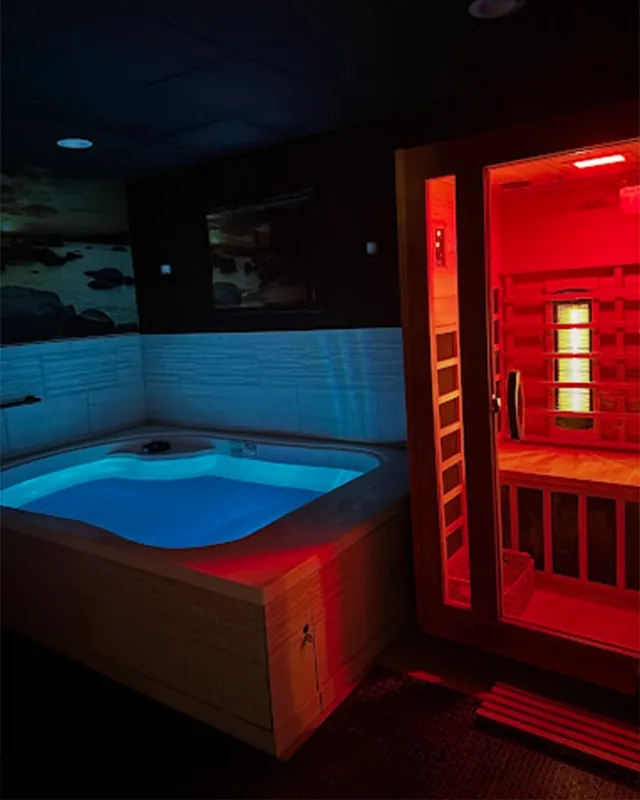
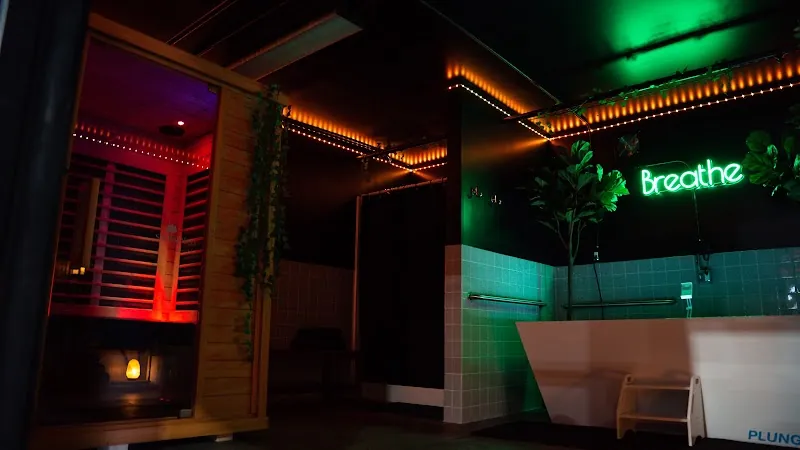
But professional cold plunge facilities offer things a home tub cannot. Regulated water temperatures with proper filtration, contrast therapy options (going from a 105-degree hot pool to a 50-degree cold plunge and back is a different experience than cold alone), infrared saunas, staff supervision for newcomers, and sometimes additional recovery services in the same visit. For people who are newer to cold immersion, supervised sessions at a professional cold therapy studio are genuinely safer while they're learning their limits.
Honestly, the best answer for most people is a hybrid approach: use a facility membership while you're building the habit and learning what temperature and duration actually work for you, then consider a home setup only after you're certain this is a long-term practice worth the investment. Buying a $3,000 cold plunge and using it twice before losing interest is a much worse outcome than a few months of membership fees.
One thing that's easy to overlook on the budget side: if you're also working on reducing grocery costs to free up money for wellness spending, checking out stores that offer discounted or surplus food items can help. For example, salvage grocery stores sell perfectly good food at steep discounts, which is a practical way to lower your monthly expenses so you have more room for things like cold therapy memberships.
Getting More Value Out of Every Single Session
Once you're going regularly, the next question is how to get more out of each visit without paying more.
Pairing your cold plunge with contrast therapy, if the facility offers it, is the most obvious answer. Alternating between hot and cold (typically something like three minutes hot, one minute cold, repeated two or three times) is widely considered more effective for recovery than cold alone, and most contrast therapy studios include this in a standard session or membership without extra charge. If you're only using the cold side of a facility that has both, you're leaving real value on the table.
Loyalty programs at cold plunge facilities are underused. Not every facility has one, but many do, and some are surprisingly generous. A common structure is something like a free session after every 10 visits, or a credit applied to your account for referrals. If you tell two friends about a place and both sign up, some facilities will give you a free month or a session credit. Ask about referral programs explicitly; they're often not mentioned unless you bring it up.
Corporate wellness partnerships are worth knowing about if you work for a mid-size or larger employer. A growing number of companies have wellness budgets or partnerships with local recovery wellness centers that employees can access at a discount or even free. HR departments don't always advertise these well. It is worth sending one email to ask whether your company has any cold therapy or general wellness facility partnerships.
And leaving reviews actually pays off at some facilities. Given that the industry average across 1,934 businesses sits at 4.9 stars, these places care about maintaining that reputation. Some cold plunge facilities explicitly offer a discount, a free add-on, or a session credit in exchange for a verified review. Even where there's no formal reward, being a visible, engaged customer who mentions the business online tends to build goodwill that occasionally gets returned in the form of a free upgrade or a heads-up on upcoming deals before they're publicly announced.
Ask your cold immersion center if they have a birthday month discount. Plenty of wellness studios offer a free or discounted session during your birthday month. It's a small thing, but over the course of a year, these little savings compound.
Explore Related Directories
The Complete Cold Plunge Guide: Safety, Protocol & Progression
Master cold plunge therapy with safety protocols and progression tips. Ideal for beginners seeking a safe and rewarding cold exposure experience.
Read free preview