Cold Water Therapy and Cryotherapy: Environmental Benefits, Health Perks, and a Booming Industry You Should Know About
Most people assume cold therapy is some extreme athlete thing, a punishment disguised as recovery. That assumption is about five years out of date. Cold water therapy has crossed over into mainstream wellness in a real way, and the numbers back that up: there are now 1,934 cold plunge and cryotherapy businesses listed across the United States, rated an average of 4.9 stars by real customers who keep coming back. This is not a fringe trend anymore.
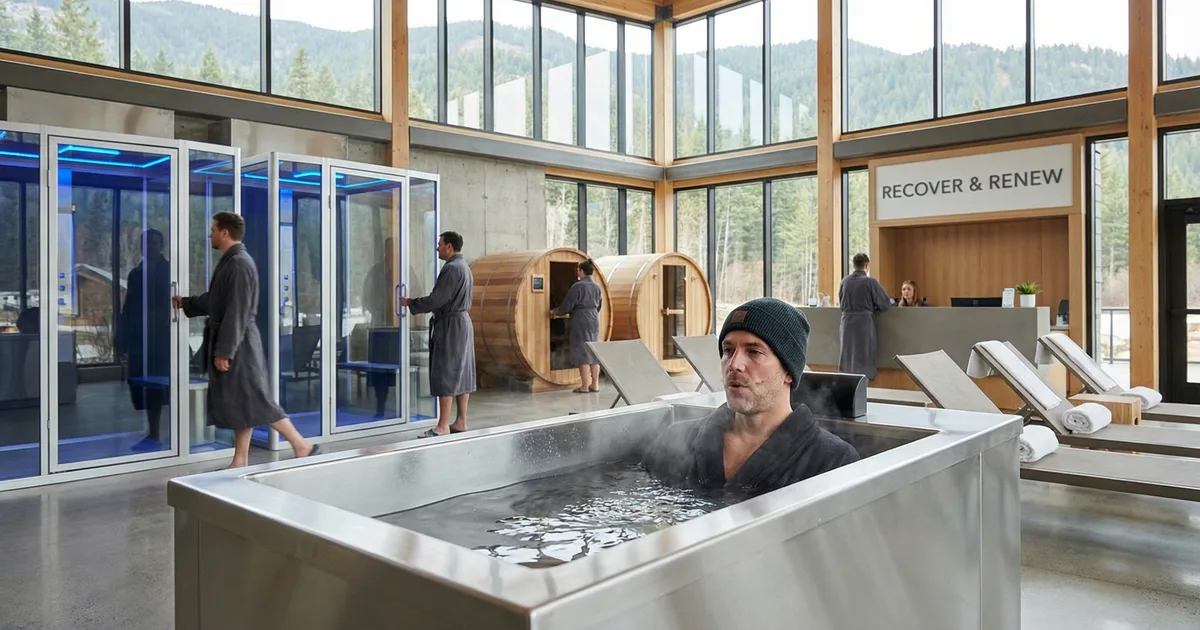
What started in professional locker rooms and elite sports facilities has quietly spread into strip malls, wellness centers, and standalone studios in cities you would not expect. Omaha has 20 listed cold plunge facilities. Albuquerque has 19. And places like Rock and Armor in Meridian, Idaho have racked up 1,448 reviews at a perfect 5.0 stars, which is the kind of loyalty you only build when something actually works for people. So what is driving all of this? And what should you know before you book your first session or open your own cold therapy studio? Let's get into it.
What Cold Water Therapy Actually Is (And Why the Terminology Matters)

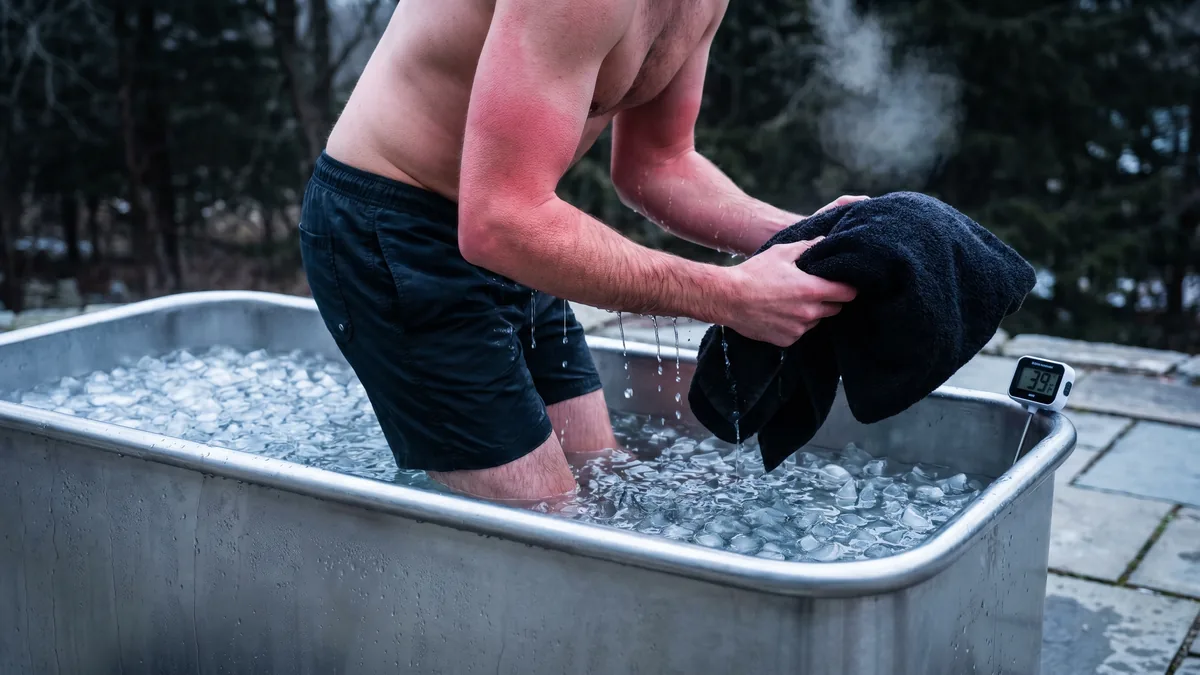
Here is where a lot of people get confused, because the industry uses a bunch of terms that sound interchangeable but are actually pretty different. Cold water therapy is the broad umbrella. Under it you have traditional ice baths (you sit in ice-cold water, usually 50 to 59 degrees Fahrenheit, for a few minutes), cold plunge pools (similar concept but often with better circulation systems and more consistent temperature control), whole-body cryotherapy chambers (you stand in a chamber cooled by liquid nitrogen to somewhere between -200 and -300 degrees Fahrenheit for two to four minutes), and localized cryotherapy (targeted cold applied to a specific joint or muscle group).
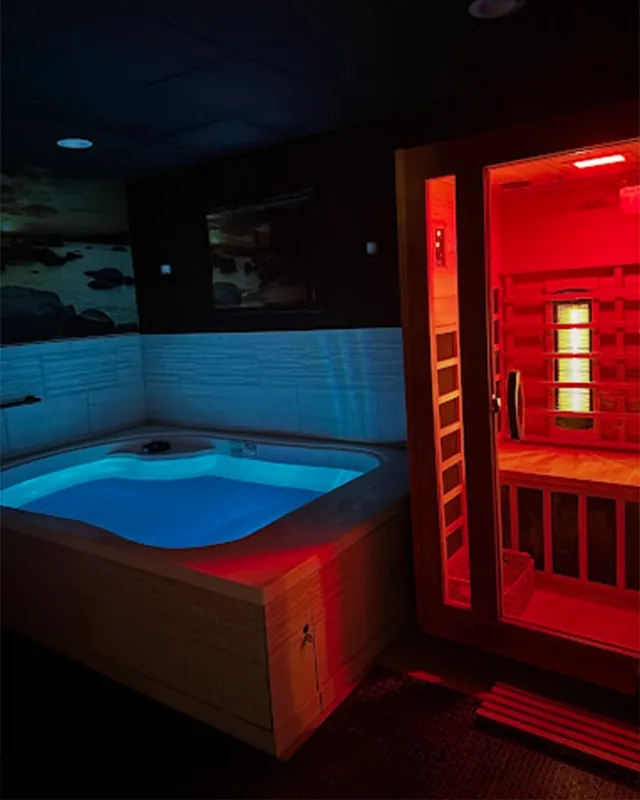
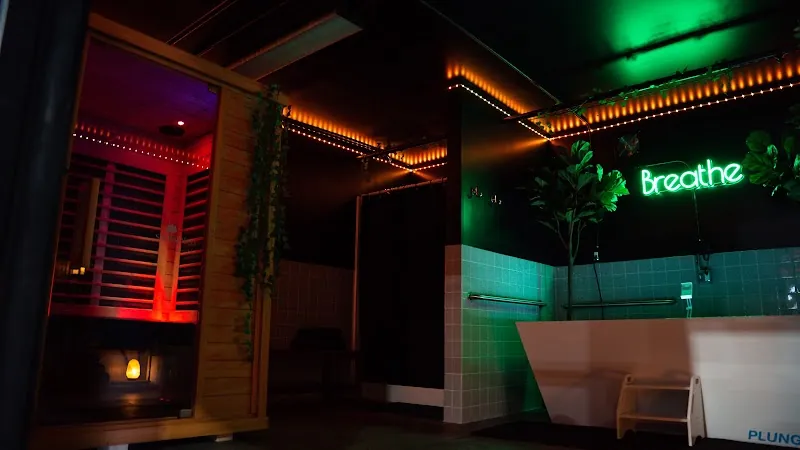
And then there is contrast therapy, which alternates hot and cold exposure, usually moving between a sauna or hot tub and a cold plunge pool in cycles. A contrast therapy studio is a different experience than a straight cold immersion center. Both are valuable, but they serve slightly different goals.
Most recovery wellness centers offer some combination of these, especially as the business model has matured and owners realize that clients want options. A cryotherapy studio focused purely on whole-body chambers might serve a more athletic, performance-oriented crowd. A plunge pool spa that also has infrared saunas is going to attract a broader wellness audience, including people who are there more for stress relief than muscle recovery. Knowing which type of facility you are walking into matters, especially if you are searching a cold plunge facility directory and trying to figure out what you will actually get.
Ice bath facility: Traditional cold water immersion, usually in a tub with ice.
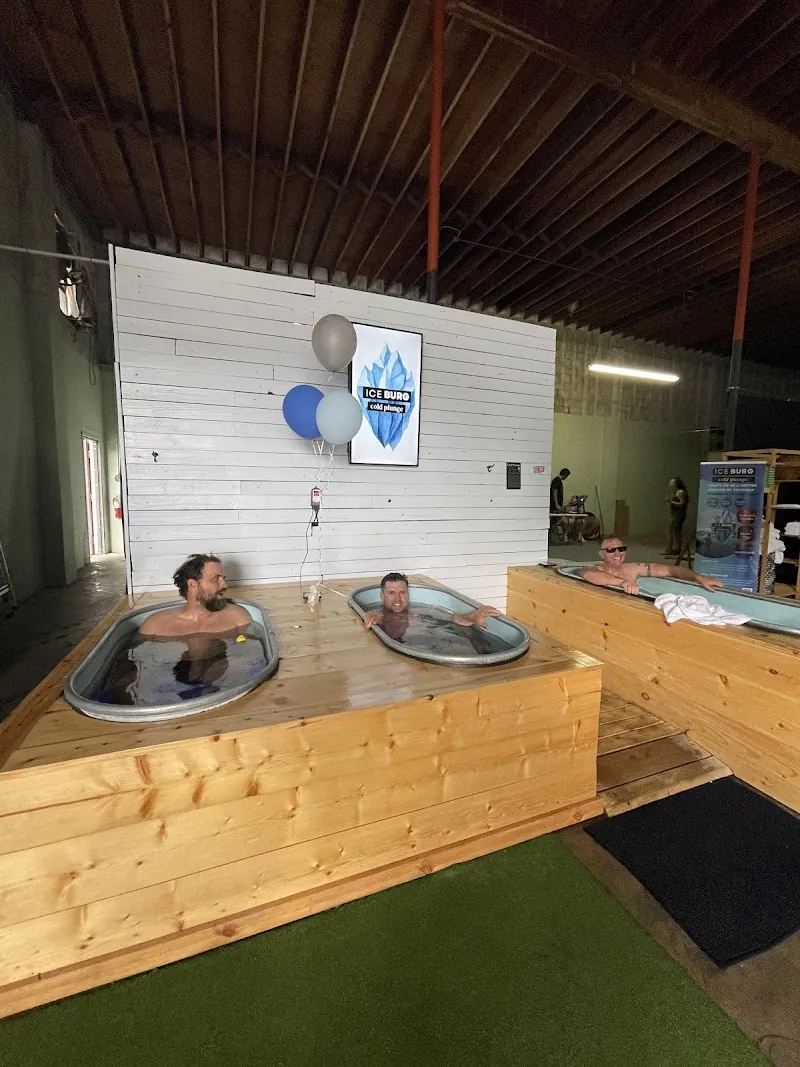
Cold plunge facility: Dedicated pools with controlled, consistent temperatures.
Cryotherapy studio: Uses nitrogen-cooled chambers instead of water.
Contrast therapy studio: Alternates hot and cold exposures in one session.
Recovery wellness center: Broader term covering multiple modalities including cold, heat, and sometimes IV therapy or compression.
One thing that does not get explained enough: whole-body cryotherapy and cold water immersion are not the same physiological experience, even though they both involve extreme cold. Water conducts heat away from your body much faster than cold air does, so a three-minute ice bath hits differently than a three-minute cryo chamber session. Neither is better across the board. They just do different things, and good facilities will explain that distinction to you before you book.
The Environmental Angle Nobody Is Talking About
Cold therapy has an environmental story that most people in the industry are not telling loudly enough, and that is a missed opportunity.
Traditional spa facilities, think steam rooms, heated pools, long massage sessions, use a significant amount of energy just to maintain temperature and humidity around the clock. A heated pool sitting at 98 degrees is burning energy constantly whether anyone is in it or not. Cold plunge pools, on the other hand, are easier and cheaper to maintain at stable temperatures because keeping water cold in a temperature-controlled building is thermodynamically simpler than heating it. Modern cold immersion centers are using recirculating filtration systems that cycle and sanitize water continuously rather than draining and refilling after every client.
That matters for water consumption. A conventional hot tub or hydrotherapy pool gets drained and refilled frequently, burning both water and the energy to reheat it. A well-run cold plunge facility recirculates the same water with UV filtration and ozone sanitation, which also reduces chemical usage compared to traditional chlorinated pools. Fewer chemicals means a lower environmental impact downstream, quite literally.
And honestly, the short session duration is underrated as an environmental argument. A typical cold therapy session runs three to ten minutes. Compare that to a 90-minute massage, a two-hour spa day, or even a 45-minute hot yoga class. Per client, the resource consumption is dramatically lower. You are in, you get the benefit, you are out. The per-session footprint of a cold water therapy center is genuinely smaller than most comparable wellness experiences.
Some cryotherapy studios have moved toward natural refrigerants like CO2 or ammonia systems instead of older synthetic refrigerants that carry higher global warming potential. It is a quiet shift but a meaningful one. The industry is not perfect on the environmental front, and anyone claiming their facility is completely "green" without specifics should be pushed to back that up. But the baseline environmental profile of cold therapy is legitimately better than most wellness categories.
Why People Are Actually Going: The Health Benefits Driving All of This
Cold therapy has real science behind it, even if social media has turned it into something that sounds more like a personality trait than a health practice. In practice, the most well-supported benefits include reduced delayed-onset muscle soreness, improved circulation through vasoconstriction and vasodilation cycles, and a measurable spike in norepinephrine levels (we are talking two to three times baseline in some studies) that has real implications for mood and focus.
Norepinephrine is worth dwelling on for a second. It is a neurotransmitter associated with alertness, attention, and mood regulation. Typically, the fact that cold immersion produces such a consistent norepinephrine response is a big reason why so many people describe feeling genuinely better mentally after a cold plunge, not just physically. This is not placebo. As a rule, the mechanism is documented. And it is a huge part of why recovery wellness centers are now marketing to people dealing with anxiety and low mood, not just sore quads.
There is also a growing body of research around brown adipose tissue activation and cold-induced metabolic effects. Cold exposure can activate brown fat, which burns energy to generate heat, and some researchers believe regular cold exposure might improve insulin sensitivity over time. For most shoppers, the data here is promising but not definitive, so any cryotherapy spa claiming dramatic metabolic transformation is getting ahead of the science. Most honest pitch is that cold therapy is a solid tool in a broader wellness routine, not a magic solution on its own.
Athletes were the early adopters, which makes sense. Professional sports teams have used ice baths for decades. But the customer base at most cold plunge facilities today is way more mixed than that. You have gym-goers recovering from workouts, people with chronic inflammation, office workers using it for stress, and older adults managing joint pain. That broad appeal is exactly why 1,934 businesses can exist in this space and still maintain a 4.9-star average. These service works for a lot of different people with a lot of different goals.
Cold water immersion has strong evidence for: muscle soreness reduction, acute inflammation management, and norepinephrine-driven mood improvement. Evidence is promising but still developing for: long-term metabolic benefits, immune system effects, and sleep quality improvements. Be skeptical of any cold therapy studio making sweeping claims that go beyond recovery and mood.
The Numbers: A Growing Industry That Is Not Slowing Down
1,934 listed businesses. 4.9 stars average. Those two numbers together tell a story that most wellness categories would kill for.
High rating averages at high volume usually do not coexist. Typically as a category grows, average ratings drift down because more mediocre operators enter the market. Generally, the fact that cold therapy facilities are holding at 4.9 across nearly 2,000 listed locations suggests that the barrier to entry is still high enough, and client expectations are specific enough, that bad operators are not surviving long.
Look at the top performers. Rock and Armor in Meridian, Idaho has 1,448 reviews at a perfect 5.0. Pain Center of Rhode Island in Cranston has 1,207 reviews, also 5.0. Next Health in New York is sitting at 5.0 across 1,142 reviews. These are not flukes. That kind of review volume with a perfect score means consistent, repeatable quality at scale. And Remède IV Therapy + Aesthetics in Jackson Hole, Wyoming, with 948 reviews at 5.0, shows that smaller markets can produce elite-level operators too. Jackson Hole is not exactly a massive metro, but it draws a health-conscious, high-income clientele who know what good looks like and will say so in a review.
| Business Name | Location | Rating | Reviews |
|---|---|---|---|
| Rock and Armor | Meridian, ID | 5.0 ★ | 1,448 |
| Pain Center of Rhode Island | Cranston, RI | 5.0 ★ | 1,207 |
| Fire & Ice Wellness | Bristol, England | 5.0 ★ | 1,199 |
| Next Health | New York, NY | 5.0 ★ | 1,142 |
| Remède IV Therapy + Aesthetics | Jackson Hole, WY | 5.0 ★ | 948 |
In practice, the geographic breakdown is interesting. New York leading with 30 listings makes obvious sense, it is the largest city in the country. But Anchorage coming in second with 25 listings is surprising until you think about it. Cold is already part of daily life in Alaska. People there have a cultural relationship with extreme cold that makes cold therapy feel less like a novelty. It's almost like the marketing writes itself up there.
Omaha at 20 listings also punches well above its weight relative to population. Midwest cities with strong fitness cultures and a practical, no-nonsense approach to health have adopted cold therapy faster than some coastal cities, probably because they are less distracted by whatever wellness trend is dominating Instagram this week. And Las Vegas and Albuquerque at 19 listings each suggest that warm-climate cities are not sitting this one out. In fact, there may be a counterintuitive draw: people living in hot climates find cold immersion a particularly sharp contrast, and the mental reset is more noticeable when you are used to heat.
How to Pick a Good Facility Without Getting It Wrong
Here is what nobody tells you about choosing a cold water therapy center: the temperature matters more than the branding.
A lot of places will market themselves beautifully, nice photos, clean aesthetic, good Instagram presence, and then the plunge pool is sitting at 58 degrees when it should be closer to 50. That is a meaningful difference in the physiological response you get. Ask specifically what temperature range the facility maintains, and if they cannot answer that immediately, that tells you something about how seriously they take the actual service versus the vibe.
Sanitation is the other thing most people skip asking about. Cold water does not kill bacteria the way heat does. A well-run cold immersion center will use UV filtration, ozone treatment, or a carefully managed low-chlorine system to keep the water safe. Ask what their sanitation protocol is. If they look at you blankly, leave. This is not a paranoid ask, it is a basic hygiene question that any legitimate plunge pool spa should be able to answer in thirty seconds.
Staff certification is worth checking. Cryotherapy in particular involves equipment that can cause injury if misused. Whole-body cryo chambers use liquid nitrogen, and burns can happen if the session is mismanaged or if you have wet skin going in. Good cryotherapy studios will screen for contraindications (pregnancy, certain heart conditions, Raynaud's disease) before your first session. If nobody asks you any health questions at intake, that is a red flag.
Pricing varies a lot. A single cold plunge session at a standalone ice bath facility might run $25 to $50. A whole-body cryotherapy session at a dedicated cryotherapy studio is often $50 to $80. Contrast therapy sessions that include sauna and cold plunge together can run $60 to $100 or more. Membership models exist at most facilities and are worth it if you plan to go more than twice a month. Month-to-month memberships are better than long-term contracts for a service you have never tried before.
Multi-service wellness centers that include cold therapy alongside IV drips, compression therapy, or red light therapy tend to run higher price points but also offer more flexibility in how you structure your recovery routine. Next Health in New York is a good example of this model done well, as their review count and 5.0 rating suggest. If budget is a real concern, standalone cold plunge facilities usually offer the best value per session.
Speaking of keeping costs manageable in your overall wellness routine, some people building serious recovery habits end up looking at things like salvage grocery stores to keep their food budget in check while spending on quality wellness services. It's a practical way to balance a health-focused lifestyle without blowing your budget on two different fronts.
1. What is the exact water temperature in the plunge pool?
2. What sanitation system do you use for the water?
3. Do you screen clients for contraindications before cryotherapy?
4. Are your staff certified in cold therapy protocols?
5. What is your cancellation policy for memberships?
Common Mistakes People Make with Cold Therapy
Starting too long is the most common one. First-timers think longer means better and will sit in an ice bath for ten minutes when three minutes would have been more than enough. Cold exposure is one of those things where more is not automatically better, especially early on. Your nervous system adapts over time. Trying to go hard immediately is how people have bad experiences and never come back.
Breathing control gets ignored constantly. Most cold therapy studios will give you a brief orientation, and the breathing advice is the most important part of it. Slow, controlled exhales help your body stop fighting the cold and start adapting to it. People who skip the breathing guidance spend their whole session in a panic and get maybe 20% of the benefit. Do not skip it.
Going straight into a hot shower immediately after is another one. Typically, the vasoconstriction you just spent three minutes creating gets reversed in about ninety seconds if you immediately blast yourself with hot water. Let your body rewarm naturally for at least five to ten minutes. It is uncomfortable but that is actually part of where some of the metabolic benefit comes from.
And stop going alone for your first session. Not because it is medically dangerous for most healthy people, but because having someone with you the first time helps you stay in longer and keeps you honest about the time. Also, some people do have unexpected reactions to extreme cold, particularly if they have undiagnosed cardiovascular sensitivities, and having a second person there is just smart.
Where This Industry Goes Next
Cold therapy is not going back into the niche corner it came from. With nearly 2,000 businesses operating and customer satisfaction sitting at 4.9 stars, the infrastructure for widespread adoption is already in place. What comes next is probably consolidation, with larger recovery wellness center chains acquiring or outcompeting smaller independent cold plunge facilities, and deeper integration with fitness facilities, physical therapy clinics, and medical wellness practices.
As a rule, the mental health angle will keep growing. As more research comes out on cold exposure's effects on depression, anxiety, and stress hormones, expect to see cryotherapy spas and cold water therapy centers positioning themselves alongside therapy and medication as part of a broader mental health toolkit. That is not overselling it. For most shoppers, the norepinephrine and dopamine data supports this direction.
Environmental standards will probably become a differentiator too. As clients get more educated, they will start asking about water usage, refrigerant types, and chemical load. Facilities that can point to specific eco-friendly practices will have an edge, especially in markets where sustainability matters to the customer base.
The 4.9-star average is the part that genuinely impresses me, by the way. Across nearly 2,000 locations, that kind of consistency is rare. It means the industry, for all its rapid growth, has not abandoned quality. That is worth paying attention to.
Frequently Asked Questions
Is cold water therapy safe for everyone?
Cold water therapy is not appropriate for people with certain heart conditions, Raynaud's disease, uncontrolled hypertension, or those who are pregnant. Always disclose your full health history to the facility before your first session. A reputable cold immersion center will ask. If they do not, bring it up yourself or consult your doctor first.
How often should I go to a cold plunge facility?
Most practitioners recommend two to four sessions per week for regular maintenance and recovery. Daily cold plunging is practiced by some enthusiasts but is not necessary for most people. Start with two sessions per week and see how your body responds before increasing frequency.
What is the difference between a cold plunge and cryotherapy?