Cold Plunging for Mental Health: The Benefits Explained
https://pub-9a4dedcce6dc4846a9c4647f79a2e5fc.r2.dev/cold-plunge-pal/blog/cold-plunging-for-mental-health-the-benefits-explained/hero-1771904531.webp
Picture this: someone tells their doctor they've been feeling anxious and worn down, sleeping badly, mood all over the place. The doctor suggests medication, maybe therapy. Good advice. But then that same person stumbles into a cold plunge facility on a Saturday morning, drops into 50-degree water for three minutes, and walks out feeling more clear-headed than they have in months. They assume it's a fluke. A placebo. Just adrenaline. So they never go back.
That's the mistake. Cold water therapy is not a trick your brain plays on you. There's actual physiology behind what happened in that plunge tank, and ignoring it means leaving a genuinely useful mental health tool on the table.
More people are catching on. Cold plunge facilities, ice bath facilities, and recovery wellness centers have been popping up across the country at a pace that would've seemed strange five years ago. This article breaks down why that's happening, what cold water actually does to your brain, and how to make it work for you without wasting time or money doing it wrong.
How Cold Water Therapy Affects the Brain and Nervous System
Your body does not politely adjust to cold water. It reacts hard and fast. Within seconds of immersion, your brain triggers a cascade of responses: breathing rate spikes, heart rate jumps, and your adrenal glands dump norepinephrine into your bloodstream. Norepinephrine is a neurotransmitter directly tied to mood, focus, and energy. Studies have clocked increases of 300% or more after cold immersion. That's not a small bump, that's your brain getting a serious chemical signal that something has changed and it needs to get sharp.
Endorphins follow close behind. Your body reads cold exposure as a mild stressor and responds by releasing its own natural pain and mood modulators. That's why people walk out of a cold immersion center looking slightly dazed but also kind of annoyingly calm and happy. It's not performance. Something real just happened in their nervous system.
Here's where it gets interesting, though. After the initial shock response settles, your parasympathetic nervous system takes over. People call this "rest and digest" mode, and it's the opposite of the fight-or-flight state most of us are stuck in all day. Cold exposure essentially forces your body through a stress response and then into recovery, and that cycle, done consistently, trains your nervous system to shift between those states more efficiently.
Regular visits to a cold therapy studio or cold immersion center do something that's hard to get from just meditation or exercise alone: they put your nervous system through real, measurable stress in a controlled way. Over time, your threshold for feeling overwhelmed by daily stressors actually rises. You've practiced being uncomfortable and coming out the other side. That practice sticks.
Key Mental Health Benefits of Cold Plunging
Let's be direct about what people are actually reporting and what research is starting to back up.
Reduced depression and anxiety symptoms. Cold water immersion has shown measurable effects on depressive symptoms in multiple small studies. One often-cited case involved a 24-year-old woman with major depression who reduced her medication dependence after adding regular cold water swims to her routine. That's one case, not a cure-all, but the mechanism, norepinephrine release, endorphin flooding, forced present-moment focus, makes biological sense.
Anxiety specifically responds well to cold exposure because cold plunging forces you to regulate your breathing and stay present. You cannot catastrophize about next week's meeting while you're sitting in 50-degree water trying not to gasp. Your brain has exactly one job in that moment. That kind of forced attentional focus is surprisingly therapeutic, and people who practice it regularly report that the skill bleeds into everyday life.
Better sleep. Cold immersion lowers core body temperature, which is one of the signals your body uses to initiate sleep. People who plunge in the late afternoon or early evening often report falling asleep faster and staying asleep longer. Cortisol also drops after regular cold therapy sessions, and since cortisol is the stress hormone that wrecks your sleep when it's chronically elevated, this matters a lot.
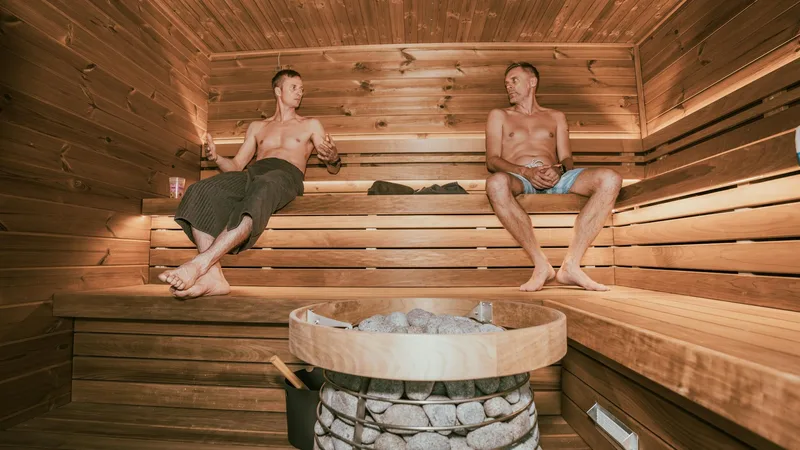
Contrast therapy studios, the kind that have you alternating between sauna heat and cold plunge, may push these benefits even further. The alternating cycles of vasodilation and vasoconstriction, heat expanding blood vessels and cold contracting them, create a kind of forced circulation workout that can leave you genuinely exhausted in a good way. Not the wired-tired feeling from too much caffeine. Actually ready-for-sleep exhausted.
They do it once, feel amazing, then stop for two weeks and wonder why it stopped working. Cold water therapy is a practice, not a one-time fix. Consistency over three to four weeks is when most people start noticing lasting mood and sleep improvements. Show up regularly or don't expect much.
Emotional resilience over time. This one's harder to measure but consistently reported. People who build a regular cold plunge habit describe getting less rattled by daily stress, recovering faster after hard days, and feeling more in control of their emotional reactions. That's not magic. That's a nervous system that's been trained to handle discomfort without spiraling.
What the Research and Science Say
Science is behind on this one, honestly. Most of the hard clinical evidence right now is from small sample sizes, observational studies, and a handful of controlled trials. That does not mean cold water therapy doesn't work. It means it hasn't had the funding and research attention that pharmaceuticals do, which should surprise nobody.
What we do know: a 2022 systematic review found consistent evidence that cold water immersion reduces perceived stress and improves mood in healthy adults. Research out of the UK looked at outdoor cold water swimmers and found significantly lower rates of depression compared to control groups. Finnish studies on cold exposure and norepinephrine have been replicated and are pretty solid. In practice, the neurotransmitter responses are not in dispute.
What scientists are still working out is dosage. How cold, how long, how often, for what specific conditions? Nobody has nailed that down cleanly. A cryotherapy spa and a plunge pool spa are very different environments, and the optimal protocol for someone managing generalized anxiety might look different from what helps someone with insomnia. Expect more research in the next five years as these facilities multiply and researchers gain easier access to participants.
Health professionals are increasingly recommending cold immersion as a complementary tool, not a replacement for therapy or medication. That framing is right. Think of it as one useful piece of a bigger picture, not the whole answer.
The Growing Industry: Cold Plunge Facilities Across the Country
Cold Plunge Pal currently lists 1,934 businesses across five major cities, and the average rating across all of them is 4.9 stars. That number is striking. In most service industries, a 4.9 average across nearly 2,000 locations would be almost impossible to maintain. It suggests that people who actually go to these places are coming away genuinely satisfied, not just mildly okay with the experience.
New York leads with 30 listings, which makes sense for a dense urban market where wellness spending runs high. But Anchorage at 25 listings is the one that catches your attention. Cold therapy in Alaska, where winter temperatures are already brutal, speaks to a different kind of consumer: someone seeking controlled, intentional cold exposure in a professional setting even when cold is everywhere around them. Omaha has 20 listings, Las Vegas 19, Albuquerque 19. These are not coastal wellness hubs. These are mid-sized American cities where a real recovery wellness center has found a real paying customer base.
That spread matters. It tells you this isn't a trend for rich people in big cities anymore. A cold plunge facility is becoming something people in ordinary metro areas can access without flying somewhere special.
| Business | Location | Rating | Reviews |
|---|---|---|---|
| Rock and Armor | Meridian, ID | 5.0 ★ | 1,448 |
| Pain Center of Rhode Island | Cranston, RI | 5.0 ★ | 1,207 |
| Fire & Ice Wellness | Bristol, England | 5.0 ★ | 1,199 |
| Next Health | New York, NY | 5.0 ★ | 1,142 |
| Remède IV Therapy + Aesthetics | Jackson, WY | 5.0 ★ | 948 |
Rock and Armor in Meridian, Idaho has 1,448 reviews at a perfect 5.0. Think about that for a second, nearly 1,500 people left reviews, and not one of them pulled the average below five stars. That's either a remarkable facility or an extremely loyal and satisfied clientele. Probably both. Next Health in New York is pulling the same score with 1,142 reviews, which is especially notable given how competitive and picky New York wellness consumers tend to be.
People looking to support their wellness habits more broadly might also find it useful to check resources like Salvage Grocery Stores, since eating well and managing food costs both play a real role in overall mental health, and recovery routines work better when your diet isn't a stressor.
What to Expect at a Cold Plunge Facility or Cryotherapy Studio
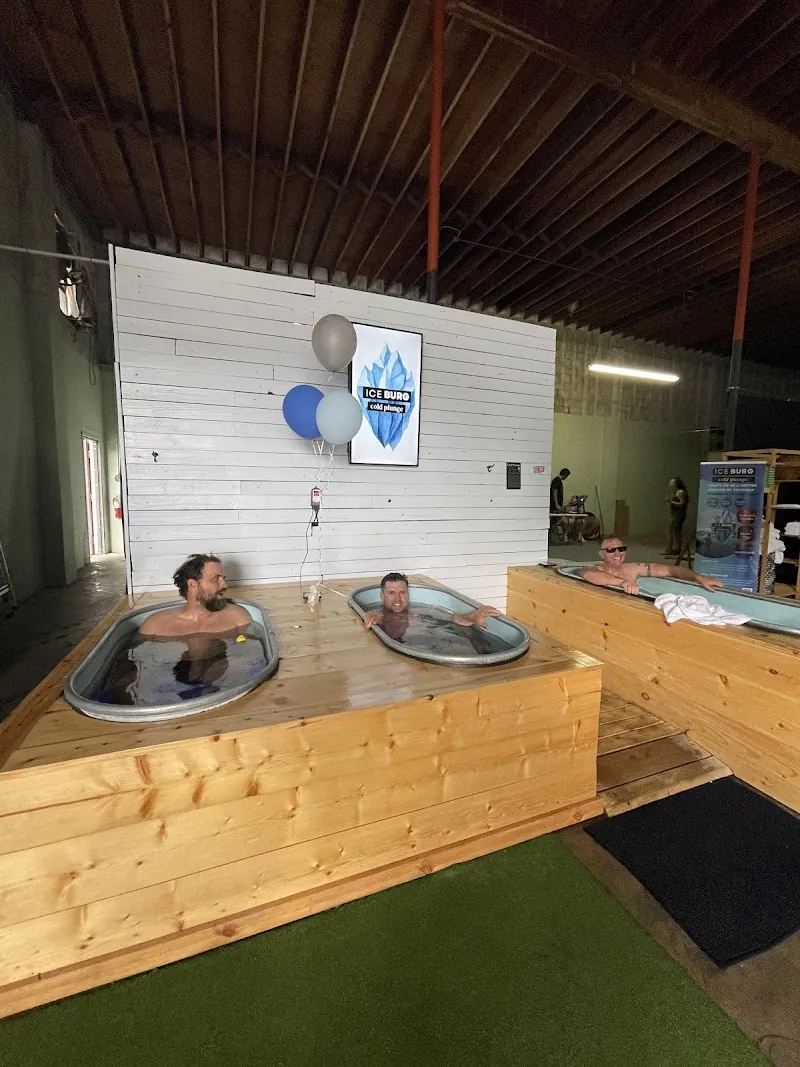
Walking into one for the first time, most people expect it to be more intimidating than it is. Staff at a good cold plunge facility have seen every type of nervous first-timer and will walk you through everything before you get near the water.
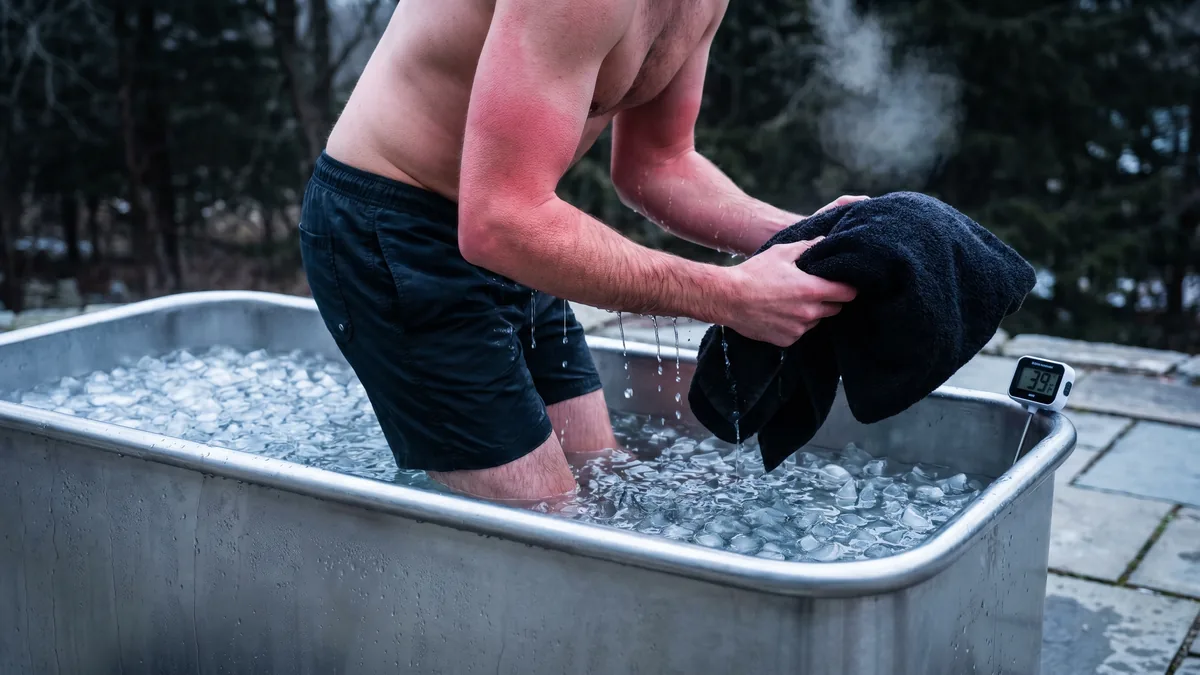
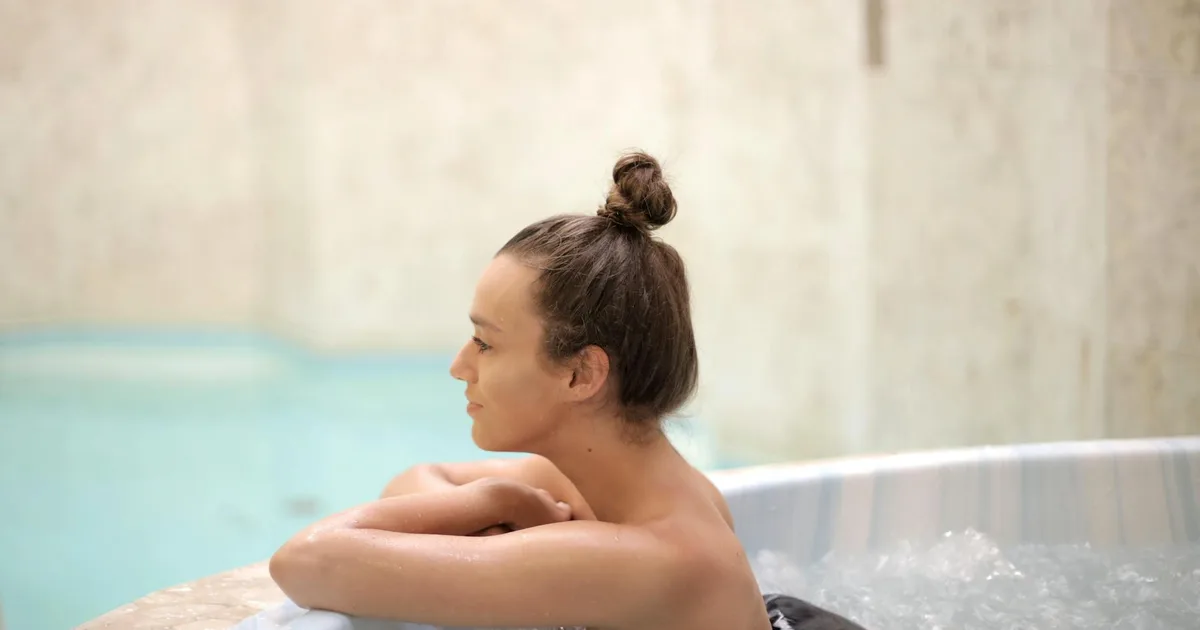
Water temperatures at most professional facilities run between 45°F and 59°F (about 7°C to 15°C). Some go colder for experienced users. Session durations for beginners usually start at two to three minutes, with more experienced regulars going five to ten. Nobody is going to push you to stay in longer than you're comfortable with. If a place is pressuring you on duration, that's a red flag.
Cryotherapy studios are a different animal. Instead of water immersion, you step into a chamber cooled with liquid nitrogen to temperatures as low as minus 200°F for two to three minutes. Typically, the mental health effects overlap somewhat with traditional plunging, but the experience is drier, faster, and easier for some people who don't like being wet. Plunge pool spas tend to offer more of a social, spa-like environment, while a cold immersion center focused on athletic recovery might feel more clinical and functional.
Let staff know if you have cardiovascular conditions, Raynaud's disease, any history of cold urticaria (cold-triggered hives), or if you're pregnant. Cold immersion is not appropriate for everyone, and a reputable facility will ask. If they don't ask and don't offer any health screening, find a different place.
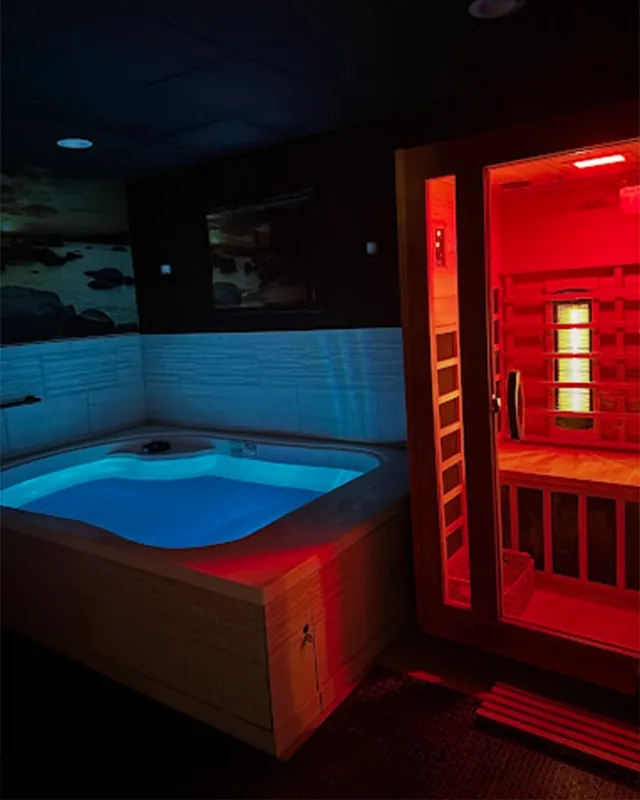
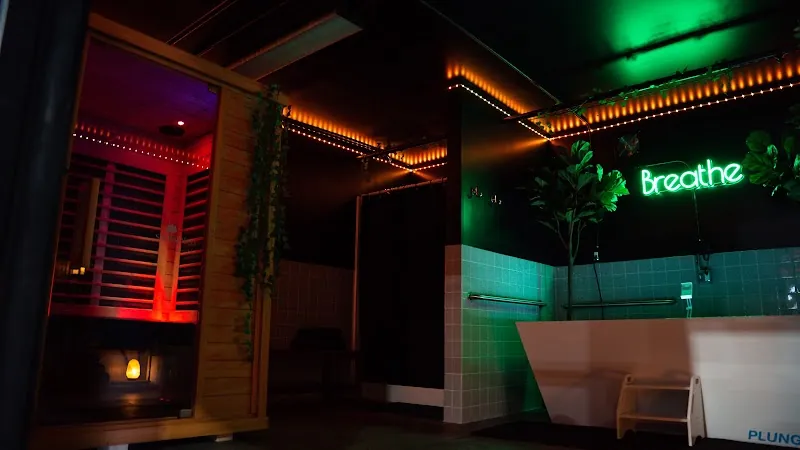
Contrast therapy studios are worth seeking out if you want the amplified mental health benefits. Alternating heat and cold, usually two to three rounds of sauna followed by cold plunge, produces a different physiological response than cold alone. Most sessions run 60 to 90 minutes total and some facilities offer guided breathing work between rounds. Cold plunge therapy works fine on its own, but contrast therapy is where a lot of regulars say they see the biggest shift in mood and sleep.
How to Get Started and Build a Cold Plunge Routine for Mental Health
Start with two sessions per week. Not five. Not every day. Two. Your nervous system needs time to recover and adapt between sessions, especially in the first few weeks. Three minutes in the water at around 55°F is a reasonable starting point. Don't go chasing the coldest temperature on day one because you saw someone on YouTube sitting in ice water looking unfazed. That person built up to it.
Progression looks like this: after two to three weeks at two sessions per week, you can add a third session or drop the temperature by a few degrees, not both at once. By week six or eight, most people are running three to four sessions per week at temperatures between 50°F and 55°F for four to five minutes, and that's genuinely enough to see real mental health benefits. You don't need to suffer more than that.
Finding a reputable local facility doesn't have to be complicated. Cold Plunge Pal lists facilities by city with ratings and review counts, which makes it easy to compare options quickly. A 4.9 average across 1,934 listings means you've got a high baseline of quality to work with, but always cross-check reviews for specific details about cleanliness, water maintenance, and staff knowledge. Those specifics matter more than general star ratings for something you're putting your body into.
Morning sessions work better than evening for most people in terms of energy and mood lift through the day. But evening sessions, especially contrast therapy, tend to produce better sleep outcomes. Try both and see what your body responds to. Cold plunging is not one-size-fits-all, and the right protocol is the one you'll actually stick with.
And if you are serious about using cold water therapy as a mental health practice and not just a novelty, treat it like you treat any other health habit. Schedule it. Pay for a membership if that makes you show up. Track how your sleep and mood shift over four to six weeks. As a rule, the data in your own life is the most convincing argument for whether this works for you.
Explore Related Directories
Find a Cold Plunge Facility Near You
Browse our directory of 1,934+ cold plunge facilities, ice bath facilities, cryotherapy studios, and recovery wellness centers. With an average rating of 4.9 stars, finding a quality cold water therapy center near you has never been easier.
Search the DirectoryFrequently Asked Questions
How often should I cold plunge for mental health benefits?
Two to three times per week is a solid starting point for most beginners. Research suggests that consistent exposure over several weeks produces the most noticeable improvements in mood and stress response. Daily plunging isn't necessary and may not give your body enough recovery time when you're first starting out.
Is cold plunging safe for people with anxiety or depression?
For most people, yes, and research suggests it can actively help. That said, if you're on medication or under a doctor's care for a mental health condition, loop them in before starting. Cold immersion causes a real cardiovascular stress response, and while that's generally fine for healthy adults, it's worth discussing with your provider if you have any underlying conditions.
What's the difference between a cryotherapy studio and a cold plunge facility?
A cryotherapy studio uses cold air or nitrogen gas in a chamber, while a cold plunge facility uses actual water immersion. Water conducts cold much more efficiently than air, so water immersion produces stronger physiological responses at higher temperatures. Both have benefits, but they're different experiences and the research base for water immersion is currently stronger.
How cold does the water need to be to get mental health benefits?
Most research showing mood and norepinephrine effects used temperatures between 50°F and 60°F (10°C to 15°C). You don't need ice water. Anything below 60°F will trigger the cold shock response that drives the mental health benefits, and most professional cold plunge facilities maintain water in that range by default.
How do I find a reputable cold plunge facility near me?
Start with a directory like Cold Plunge Pal, which lists 1,934 businesses with an average rating of 4.9 stars. Filter by city, check review counts and specific comments about cleanliness and staff, and look for facilities that do some form of health screening before your first session. A good recovery wellness center will ask about your health history before putting you in the water.