Cold Plunge vs. Contrast Therapy: Which is Best for You?
https://pub-9a4dedcce6dc4846a9c4647f79a2e5fc.r2.dev/cold-plunge-pal/blog/cold-plunge-vs-contrast-therapy-which-is-best-for-you/hero-1771904504.webp
Most people who try cold water therapy once never go back. That sounds like a failure stat, but the data tells a different story: the industry has grown to 1,934 listed businesses across the United States, with an average customer rating of 4.9 stars, which is almost absurdly high for any service sector. People who stick with it are not just tolerating it. They are obsessed with it.
But here is where it gets confusing for newcomers. Cold plunge therapy and contrast therapy are not the same thing, and facilities often offer both without explaining the difference in any useful way. You show up at a cold immersion center, someone hands you a towel, and suddenly you're supposed to know whether you want three minutes in the cold tank or a hot-cold-hot cycle. Most people just guess.
This article breaks down both methods clearly, compares them on practical terms like cost, session time, and physiological effect, and helps you figure out which one actually fits your life. And if you are trying to find a good cold plunge facility or contrast therapy studio near you, there is data on that too.
What Is Cold Plunge Therapy?
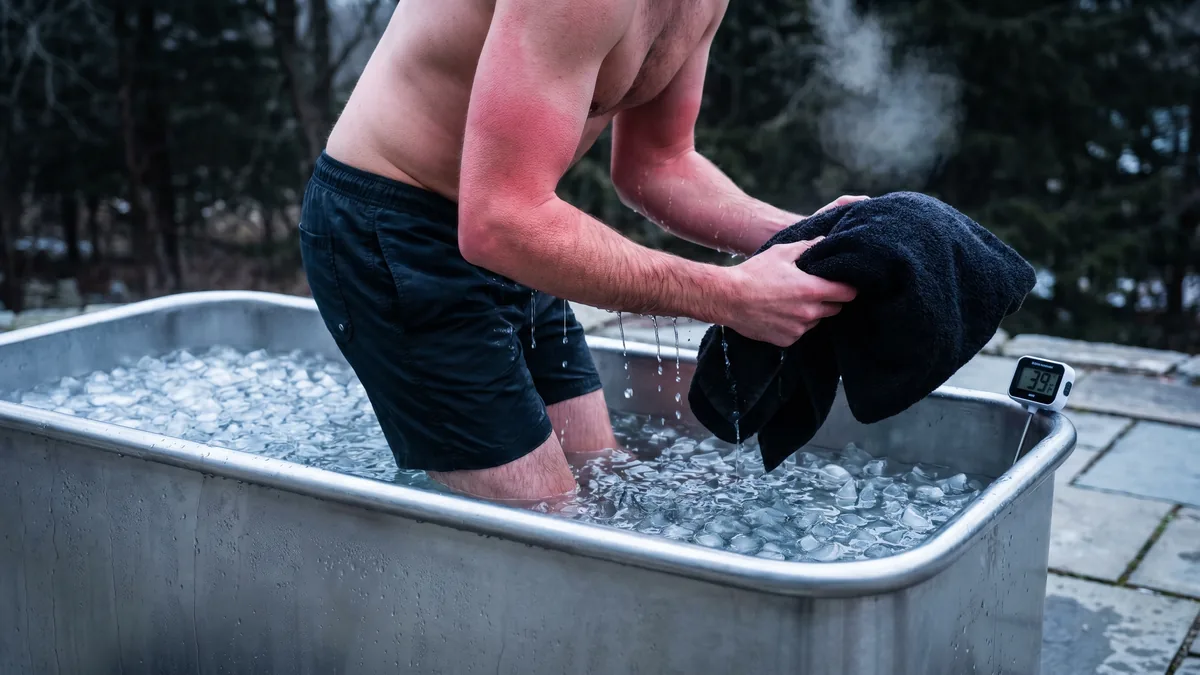
Cold plunge therapy is exactly what it sounds like. You get into cold water, typically between 39°F and 59°F, and you stay there for somewhere between two and ten minutes depending on your experience level and the protocol used by the facility. Full body immersion is most common, though some ice bath facilities offer partial immersion options for people recovering from localized injuries.
Physiologically, a few things happen fast. Your body detects the cold and triggers vasoconstriction, pulling blood away from the skin and extremities toward your core organs. Your heart rate spikes briefly. Norepinephrine, a hormone tied to alertness and mood regulation, surges dramatically, with some research citing increases of 200% to 300% during cold exposure. After you exit the water, your blood vessels dilate again and blood rushes back to your muscles, bringing oxygen and helping clear metabolic waste products like lactate.
That post-plunge flush is where a lot of the recovery benefit actually happens. Not during the cold itself.
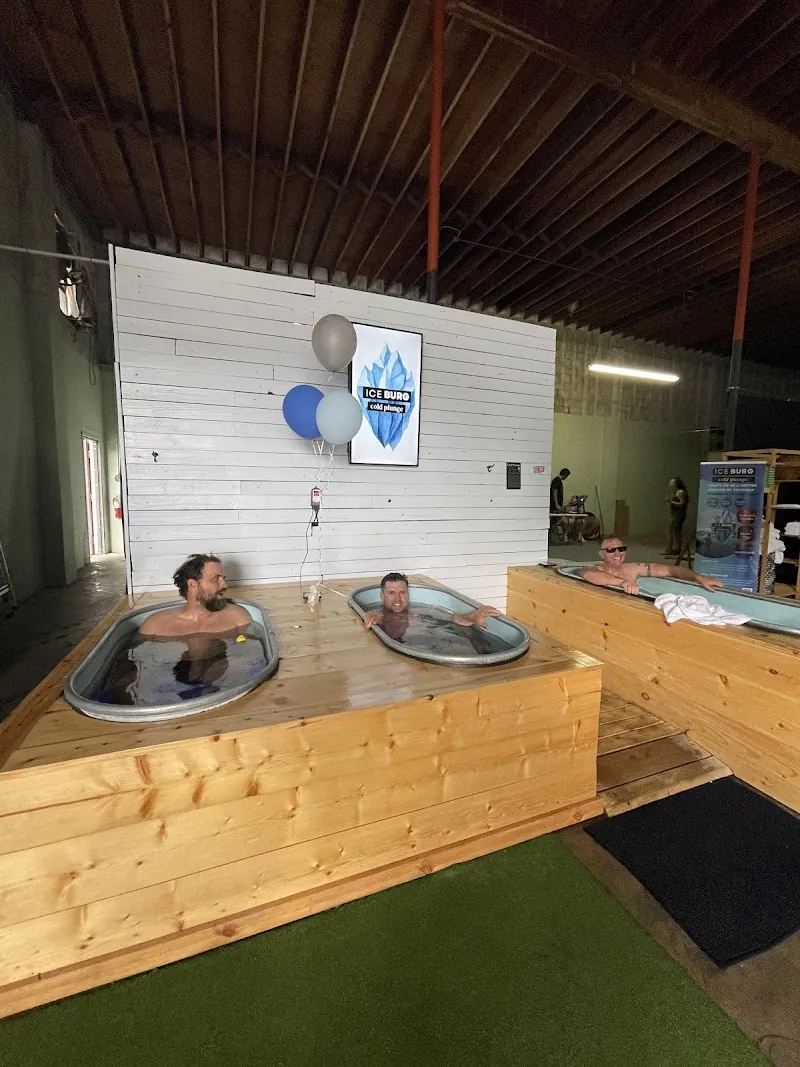
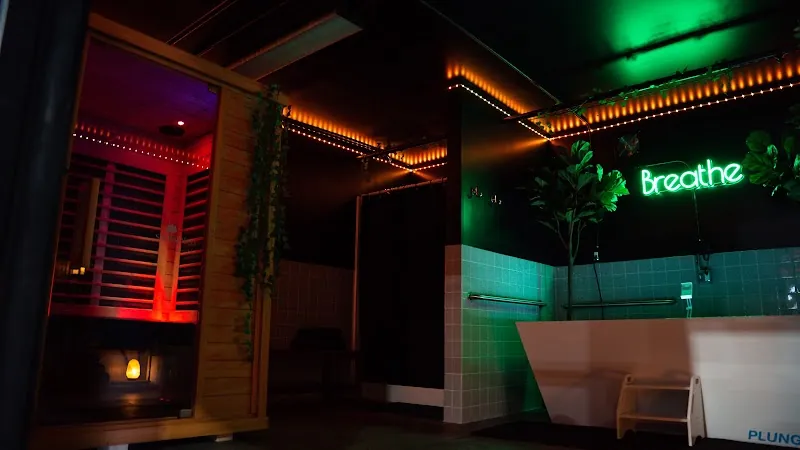
Walking into a cold therapy studio for the first time can feel clinical or spa-like depending on the place. Some are stripped down, basically a big tub, a timer, and a staff member watching your form. Others are polished wellness spaces with mood lighting and recovery lounges. Plunge pool spas tend toward the luxury end of that spectrum. Cold immersion centers attached to gyms tend toward the functional, no-frills end. Both work.
Evidence-backed benefits include reduced muscle inflammation, faster return to training readiness in athletes, mood improvement tied to endorphin and norepinephrine release, and some preliminary data on immune system support, though the immune research is less settled than the recovery data. A 2022 meta-analysis found that cold water immersion meaningfully reduced DOMS (delayed onset muscle soreness) compared to passive recovery, particularly in the 24 to 48 hour window after training.
Most cold plunge sessions run 3–8 minutes at 50–59°F for beginners, and 2–4 minutes at 39–45°F for experienced users. If a cold water therapy center recommends longer than 15 minutes for a new client, ask why.
What Is Contrast Therapy?
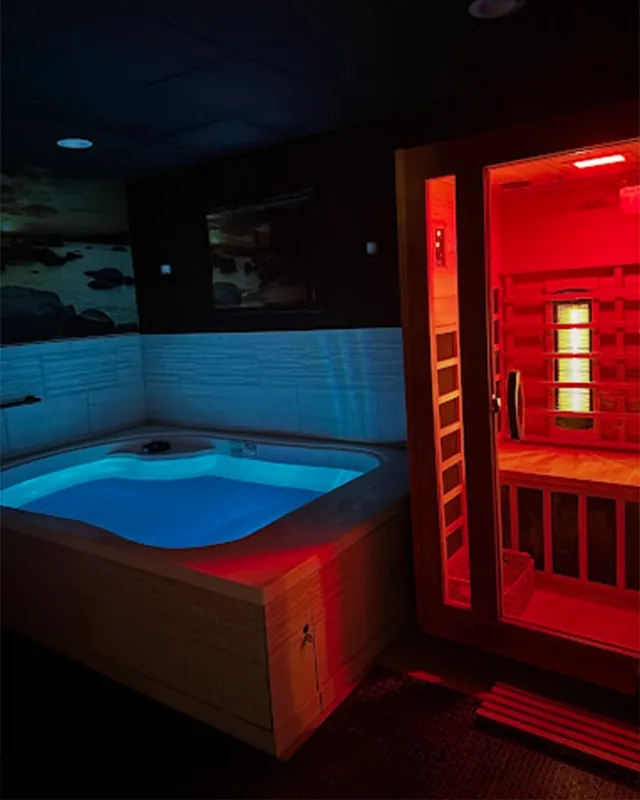
Contrast therapy adds heat to the equation. Instead of a single cold immersion, you alternate between cold water and a heat source, usually a sauna, hot tub, or steam room, in repeated cycles. A standard protocol at a contrast therapy studio might look like this: 10 to 15 minutes in a sauna at around 180°F, followed by 2 to 3 minutes in a cold plunge at 50°F, then a rest period, then repeat two or three more rounds.
The mechanism here is often called "vascular pumping." Cold causes vasoconstriction, heat causes vasodilation, and alternating between them essentially creates a rhythmic push-pull effect on your circulatory and lymphatic systems. Your blood vessels are being forced to constrict and expand repeatedly, which drives fluid movement through tissues in a way that cold alone does not produce. This is actually a meaningful physiological difference, not just a marketing distinction.
Lymphatic drainage is one of the clearest benefits. Unlike your cardiovascular system, your lymphatic system has no pump. It relies on muscle movement and pressure changes to move fluid. Contrast therapy creates those pressure changes passively, which is part of why people report feeling less puffy and less inflamed after a full contrast session compared to cold alone.
Other reported benefits include deeper muscle recovery, reduced DOMS across longer training blocks, measurable reductions in stress markers like cortisol, and improved sleep quality. The sleep data is particularly interesting. Several small studies have found that sauna use followed by cold exposure accelerates the drop in core body temperature that triggers sleep onset, which matters a lot if you're someone who trains hard and sleeps poorly.
And honestly, contrast therapy just feels better to most people than cold alone. That's not nothing.

Cold Plunge vs. Contrast Therapy: A Side-by-Side Comparison
Let's get specific, because vague comparisons are not useful when you're trying to decide how to spend $30 to $80 on a recovery session.
Session Length and Time Commitment
A standalone cold plunge session runs about 15 to 30 minutes total when you include changing, the plunge itself, and rest time. Contrast therapy takes longer. Expect 45 to 90 minutes for a full hot-cold cycling protocol at a recovery wellness center. If you're fitting recovery into a tight schedule, cold plunge wins on time efficiency. Not debatable.
Cost Per Visit
Cold plunge only sessions at a cold plunge facility typically run $20 to $45. Contrast therapy sessions at a cryotherapy spa or full-service recovery center run higher, often $50 to $100, because they require access to both heat and cold infrastructure. Memberships bring the per-visit cost down significantly at most places, usually 30% to 50% cheaper than drop-in rates.
Physiological Outcomes
For acute recovery right after a hard training session, cold plunge alone has strong evidence. It reduces acute inflammation fast. Contrast therapy appears to be better for cumulative recovery over time, reducing soreness across training weeks rather than just the next morning. Sports science increasingly suggests that the choice depends on your timeline, not just your preference.
Accessibility for Beginners
Cold plunge therapy is simpler to start. One tub, one temperature, one timer. Contrast therapy requires you to manage heat tolerance, timing between cycles, and your own body's response to rapid temperature changes. Some people find the sauna portion harder to tolerate than the cold. Beginners should start with a few cold-only sessions at a cold water therapy center before adding heat cycling, just to know their baseline response.
Cold plunge alone: Faster sessions, lower cost, strong acute recovery data, better for beginners.
Contrast therapy: Longer sessions, higher cost, better cumulative recovery and lymphatic benefits, more satisfying for most experienced users.
Which Therapy Is Right for You?
Different people need different things. Here's how to think about it based on your actual situation.
You're an Athlete Training Multiple Times Per Week
If you're doing two-a-days, tournament weekends, or high-volume strength blocks, contrast therapy is likely the better long-term tool. Vascular pumping helps clear accumulated tissue fluid and metabolic waste across multiple sessions, not just one. That said, cold plunge alone is fine immediately post-training when you just need to knock inflammation down fast before your next workout in 12 hours.
You're Managing Chronic Inflammation or Stress
Contrast therapy wins here. Repeated hot-cold cycling has a stronger effect on cortisol regulation and lymphatic movement than cold alone, which matters when your body is dealing with chronic systemic stress rather than acute training stress. Look for a recovery wellness center that offers structured contrast protocols, not just open sauna and plunge access where you're left to figure out the timing yourself.
You're a Complete Beginner
Start with cold plunge only. Three to five minutes at 55°F to 59°F is plenty for your first few sessions. Do it two or three times before adding sauna cycling. A lot of people try contrast therapy first because it sounds more manageable, since you get the warm sauna as a reward, but jumping between extremes before your nervous system adapts can feel overwhelming. Take the simpler path in.
Health Conditions to Know About
Both therapies carry real contraindications. People with cardiovascular conditions, Raynaud's syndrome, uncontrolled hypertension, or a history of cold urticaria should consult a doctor before stepping into any ice bath facility or sauna environment. Pregnancy is generally considered a contraindication for both. This is not a "check with your doctor to cover liability" statement. It is actual medical caution based on real physiological risk. Sudden cold immersion spikes heart rate and blood pressure sharply. For most healthy people that's fine. For someone with a compromised heart, it's a different calculation entirely.
Ask yourself four questions before booking anything: Can I tolerate heat for more than 10 minutes without feeling ill? Do I have at least 60 minutes for a full session? What is my primary goal, fast acute recovery or longer-term wellness? And what is my monthly budget for this? Your answers will tell you which direction to go faster than any quiz or salesperson at the front desk.
Cold Plunge and Contrast Therapy by the Numbers: Industry Data
Cold Plunge Pal lists 1,934 businesses nationwide covering ice bath facilities, cryotherapy spas, plunge pool spas, cold immersion centers, and related recovery wellness centers. That's a real industry, not a niche hobby. For context, that number puts cold therapy in the same business density range as many established wellness sectors.
Average customer rating across all listed facilities sits at 4.9 stars. Contrary to popular belief, that's not a sign of fake reviews or inflated ratings. High ratings in service businesses with physical locations and real experiences tend to reflect genuinely good operations. People who have a bad time at a cold therapy studio don't stay quiet about it. In practice, the ratings hold up because the barrier to participation is high enough that only facilities with real protocols and trained staff tend to attract repeat customers who bother to review.
Top Cities by Number of Listings
| City | Listings |
|---|---|
| New York, NY | 30 |
| Anchorage, AK | 25 |
| Omaha, NE | 20 |
| Las Vegas, NV | 19 |
| Albuquerque, NM | 19 |
Anchorage having 25 listings is fascinating when you think about it. You'd expect cold-weather cities to have less demand for artificially cold water, not more. But locals in cold climates often seek structured, controlled cold exposure rather than just jumping in a lake, which makes the facility model actually work better there than you'd guess.
Omaha at 20 listings is quietly impressive too. That's a market that doesn't get a lot of wellness industry attention but clearly has real demand.
Top-Rated Businesses in the Directory
| Business | Location | Rating | Reviews |
|---|---|---|---|
| Rock and Armor | Meridian, ID | 5.0 ⭐ | 1,448 |
| Pain Center of Rhode Island | Cranston, RI | 5.0 ⭐ | 1,207 |
| Fire & Ice Wellness | Bristol, England | 5.0 ⭐ | 1,199 |
| Next Health | New York, NY | 5.0 ⭐ | 1,142 |
| Remède IV Therapy + Aesthetics | Jackson, WY | 5.0 ⭐ | 948 |
Rock and Armor in Meridian, Idaho pulling 1,448 reviews at a perfect 5.0 is extraordinary. That volume of reviews with zero rating degradation suggests a genuinely consistent operation, not just a few enthusiastic early visitors. Next Health in New York's 1,142 reviews at 5.0 is equally notable given how demanding New York reviewers tend to be. If you're in those markets and looking for a cold plunge facility or contrast therapy studio, those places are worth checking first.
Worth mentioning: if you're trying to build a recovery routine on a budget, your food choices matter as much as your therapy sessions. Some people doing serious athletic recovery have found value in sourcing quality protein and anti-inflammatory foods at lower prices through discount grocery options like those listed on Salvage Grocery Stores, which can free up more of your monthly budget for actual facility visits.
Frequently Asked Questions
How cold does a cold plunge actually need to be to get real benefits?
Research suggests meaningful physiological responses start around 59°F and increase as temperature drops toward 39°F. Most facilities set their tanks between 50°F and 55°F as a practical middle ground. You do not need to go as cold as possible to get results. Colder is not always better, especially for beginners. Duration matters as much as temperature.
Can I do contrast therapy at home?
Technically yes, if you have a bathtub and a sauna or hot tub. Cold showers can substitute for a plunge tank in a pinch, though they're less effective because whole-body immersion creates a stronger thermal stimulus than running water. For most people without a home sauna, visiting a cold immersion center or cryotherapy spa is more practical and gives you access to proper protocols and staff supervision.
How often should I do cold plunge sessions per week?
Most practitioners recommend two to four sessions per week for athletes in active training and one to two per week for general wellness. Daily cold exposure is common among enthusiasts but not necessary for measurable benefit. Your nervous system does adapt over time, which is why some regulars push temperature lower or duration longer as months go on.
Is contrast therapy safe for people with high blood pressure?
Both cold immersion and sauna use create rapid changes in blood pressure and heart rate, which means people with uncont