Cold Plunge Safety: Essential Tips for New Users
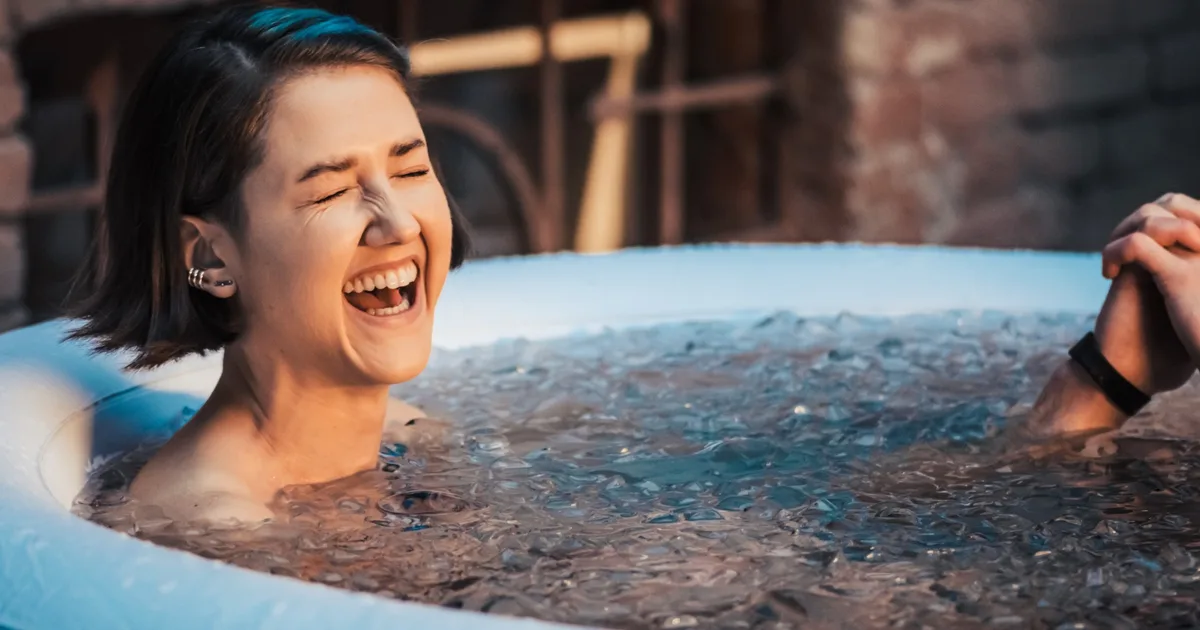
Picture this: you walk into a cold plunge facility for the first time, someone hands you a waiver, points you toward a pool that looks like it belongs in a penguin exhibit, and says "just breathe through it." Not exactly the orientation you were hoping for. Cold plunge therapy is booming right now, and a lot of new users are showing up without knowing what they are actually getting into, physically or logistically.
Cold water immersion, also called cold plunge therapy or ice bath therapy, is exactly what it sounds like: you submerge your body, partially or fully, into water that is cold enough to trigger a strong physiological response. Athletes have been doing this for decades. But lately, cold water therapy has moved from locker rooms into wellness studios, recovery spas, and dedicated cold immersion centers that are open to anyone willing to try it. Across our directory alone, we track 1,934 businesses in this space, and they average a 4.9 out of 5 star rating, which tells you people are walking out of these places genuinely satisfied, not just surviving.
This guide is for first-timers. Not for people who already do daily ice baths and want to shave another 30 seconds off their time. This is for the person who booked a session at a cryotherapy studio because a friend swore it helped their inflammation, and who now wants to make sure they do not pass out or embarrass themselves. Safety first, results second. Let's talk about both.
What Cold Water Actually Does to Your Body
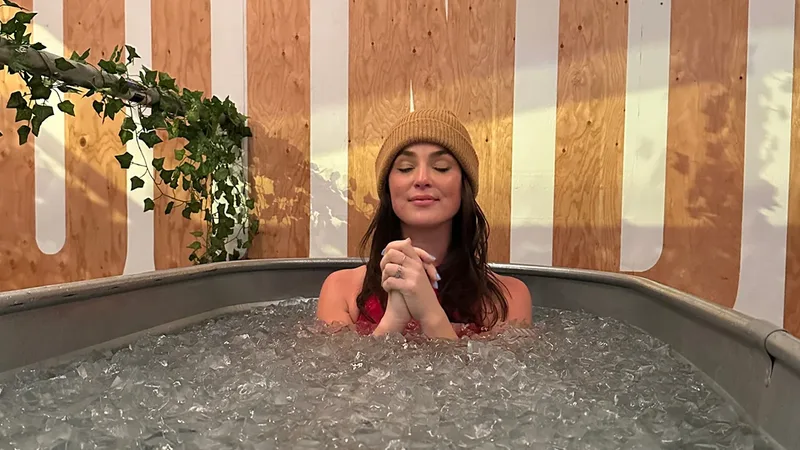
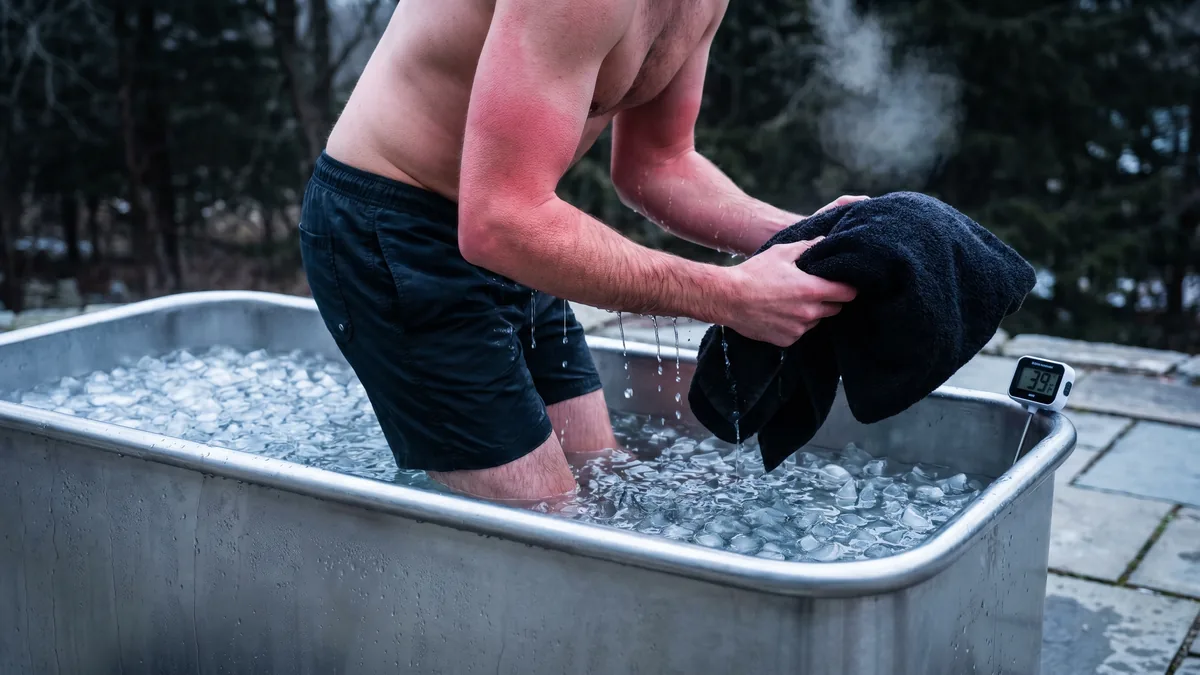
Cold shock is real, and it hits fast. Within seconds of entering cold water, your body does several things at once: blood vessels near your skin contract sharply (that is vasoconstriction), your heart rate spikes, and you will almost involuntarily gasp. That gasp reflex is actually one of the main safety concerns in cold immersion, because if your face is underwater when it happens, you inhale water. This is why you never jump headfirst into a cold plunge pool, especially on your first session.
After that initial shock response, if you stay calm and keep breathing, your body starts adapting. Your core temperature stays relatively stable for a while because blood is being redirected away from your extremities toward your vital organs. That is your body being smart. But if you stay in too long, core temperature does start to drop, and that is where hypothermia risk enters the picture.
Duration matters more than most people realize. A 30-second cold plunge and a 10-minute cold water therapy session are not the same experience or the same risk level. For beginners at any cold plunge facility, starting with 1 to 3 minutes is plenty. You are not getting extra points for staying in longer. Your body needs time to build tolerance, and that takes weeks of consistent sessions, not one heroic dip.
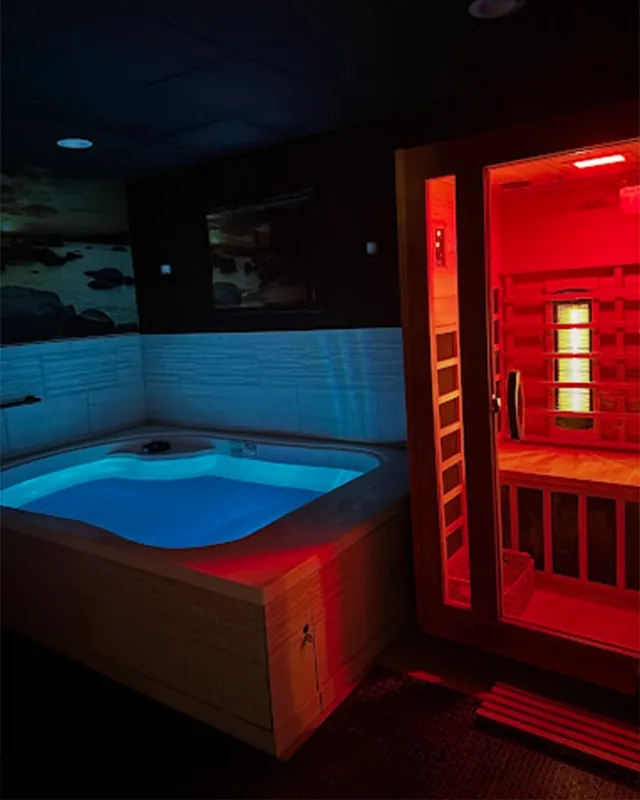
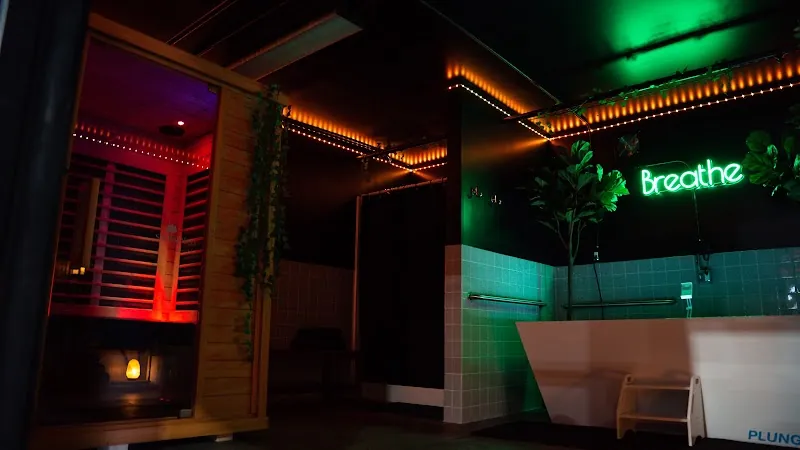
You will also hear a few terms thrown around at these places. Contrast therapy means alternating between hot and cold, usually a sauna followed by a cold plunge, then back again. Cold immersion is a broader term that just means being submerged in cold water for a therapeutic purpose. Cryotherapy often refers to whole-body cryo chambers that use cold air rather than water, though some places use the terms interchangeably. Worth asking your facility which specific method they offer before you show up in a bathing suit expecting a pool.
Cold Plunge: Brief submersion in cold water, usually 38–60°F. Contrast Therapy: Alternating hot and cold exposure. Cryotherapy: Cold exposure therapy, sometimes via air chambers. Cold Shock Response: Your body's automatic reaction in the first 30–60 seconds of cold immersion, including gasping and heart rate spike.
Who Should Talk to a Doctor First
Not everyone should walk into a cold water therapy center without checking with their physician first. That is not fear-mongering, that is just being honest about how cold immersion affects the cardiovascular system.
If you have cardiovascular disease, the stress that cold water puts on your heart is significant. Your heart rate can spike dramatically in the first minute of immersion. Same issue with hypertension: cold causes blood vessels to constrict, which raises blood pressure, and if yours is already high, adding more pressure is not a great idea without medical guidance. Raynaud's syndrome, which causes blood vessels in the extremities to overreact to cold, is another condition where cold plunge therapy can go sideways quickly. Respiratory conditions like asthma can also be triggered by the cold shock response, specifically that gasping reflex.
Pregnancy is a hard stop until you have talked to your OB. Recent surgery is also a clear reason to wait. And this one surprises people: certain medications interact badly with cold immersion. Beta-blockers affect how your heart rate responds to stress. Blood thinners can be a concern if you experience any skin reactions or bruising from cold. Diuretics affect your hydration and fluid balance, which matters more than people think before a cold session.
When you arrive at a recovery wellness center, tell the staff your relevant health history before you get in the water. A good facility will ask. If they don't ask, volunteer the information anyway. The staff are not there to judge you; they are there to make sure you do not have a medical event in their pool. It is a short conversation that could matter a lot.
Heart disease, high blood pressure, Raynaud's syndrome, asthma or other respiratory conditions, a history of fainting, recent surgery or open wounds, or if you are pregnant. Also flag any medications you take regularly, especially beta-blockers, blood thinners, or diuretics.
What to Do Before and During Your First Session
Here is what nobody tells you before a first cold plunge: how you breathe in the 30 seconds before you get in is almost as important as what you do once you are in the water.
Pre-session basics are straightforward. Stay hydrated. Do not eat a heavy meal in the two hours before. Do not drink alcohol the same day, and that includes the night before if you are going in the morning, because alcohol messes with how your body regulates temperature. Wear a swimsuit or shorts you can move in easily. And do not go alone as a first-timer. Most plunge pool spas have staff on site, but having someone with you who knows you is just smart.
Safe entry technique: walk in slowly. Get your feet and legs in first, stop, breathe. Then lower your body gradually while keeping your breathing slow and controlled. Long exhales are your best tool here. They activate your parasympathetic nervous system, which is the calming half of your nervous system, and they physically counteract the gasping reflex. You will still feel the shock. But you can get ahead of it with breath.
Starting temperature for beginners is typically 50 to 59 degrees Fahrenheit (about 10 to 15 degrees Celsius). That is cold enough to trigger the physiological benefits without being dangerous for a healthy adult who is new to this. Some facilities offer warmer intro options around 60 to 65 degrees Fahrenheit. Take it. There is no shame in starting warmer, and you can go colder as you build tolerance over multiple sessions.
Stay in for 1 to 3 minutes on your first attempt. Watch the clock or ask staff to time you. Getting out is where a lot of people run into trouble, not from the cold itself but from standing up too fast. Cold causes blood to pool in your core during immersion. When you stand up quickly, that blood has not redistributed yet, and some people get dizzy or lightheaded. Move slowly. Grab the rail. Signal to a staff member if you feel off at all.
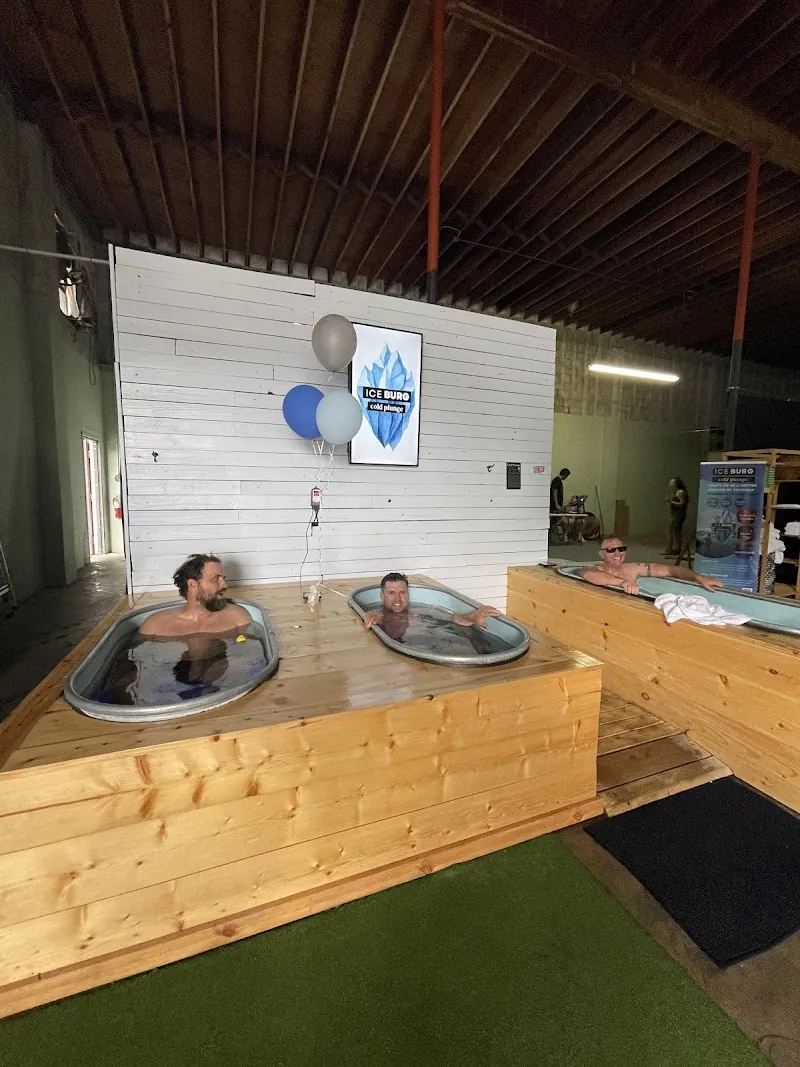
And yes, some facilities are just better run than others. A reputable cold immersion center will have a staff member nearby, clear depth markings on the pool, a non-slip entry surface, and posted guidelines on time limits and contraindications. If you show up somewhere and none of that is visible, that is a red flag.
How to Pick a Facility You Can Actually Trust
Not all cold plunge facilities are created equal. Some are genuinely excellent; some are a cold tub in the back of a gym that gets cleaned when someone remembers. You want the former.
Look for certified staff. Someone on site should know basic first aid and CPR. Ask directly. Ask about water temperature monitoring: is it checked continuously or just at the start of the day? Ask what the staff-to-client ratio is during peak hours. Ask what the emergency protocol is if someone loses consciousness in the pool. A well-run cryotherapy spa or contrast therapy studio will answer all of these questions without getting defensive. If they get evasive, keep looking.
Online reviews are genuinely useful here. Across the 1,934 businesses in our directory, the average rating is 4.9 out of 5 stars. That is across cities like New York (30 listings), Anchorage (25 listings), Omaha (20 listings), Las Vegas (19 listings), and Albuquerque (19 listings). The high average rating is not just flattering; it reflects a consistent pattern of well-run operations that know what they are doing. Facilities that cut corners on safety or cleanliness do not hold a 4.9 average across hundreds of reviews.
Some of the top-rated facilities in our directory include Rock and Armor in Meridian, Idaho with a perfect 5.0 stars across 1,448 reviews, and Next Health in New York with 5.0 stars and 1,142 reviews. Pain Center of Rhode Island in Cranston also carries a 5.0 rating with 1,207 reviews. These are not flukes; these are businesses that have built systems around client experience and safety over a long period of time.
| Business Name | Location | Rating | Reviews |
|---|---|---|---|
| Rock and Armor | Meridian, ID | 5.0 ★ | 1,448 |
| Pain Center of Rhode Island | Cranston, RI | 5.0 ★ | 1,207 |
| Fire & Ice Wellness | Bristol, England | 5.0 ★ | 1,199 |
| Next Health | New York, NY | 5.0 ★ | 1,142 |
| Remède IV Therapy + Aesthetics | Jackson Hole, WY | 5.0 ★ | 948 |
One thing worth mentioning: facilities inside larger wellness or medical centers, like some of the IV therapy and recovery clinics listed above, tend to have stricter intake protocols simply because they are already operating under a clinical mindset. If you have any health concerns going in, a facility attached to a medical or wellness practice may be a smarter starting point than a standalone cold tank.
Also check for cleanliness in person, not just in photos. Water should be clear, not hazy. There should not be a strong chemical smell, which can indicate that the facility is overcompensating with chemicals to mask poor filtration. And a minor but real thing to notice: is the area around the pool dry and safe to walk on, or is it a slip hazard? Small details like that tell you a lot about how a facility operates day to day.
What to Do Once You Get Out
Most people think the session ends when you climb out of the pool. It does not. What you do in the next 20 to 30 minutes matters for both safety and recovery quality.
Do not jump into a hot shower immediately. That sounds counterintuitive, but rapid temperature shifts right after cold immersion can cause blood pressure swings and dizziness. Dry off with a warm towel, put on dry clothes or a robe, and let your body rewarm on its own for at least 10 to 15 minutes first. Gentle movement helps: walking around slowly gets circulation going. After that initial buffer period, a warm (not scalding) shower is fine.
Watch how you feel for the next hour. Some shivering after a cold plunge is completely normal. Your body is generating heat through muscle movement. But prolonged shivering that does not stop after 20 to 30 minutes of being warm and dry is a warning sign. Same goes for numbness that does not resolve, confusion or disorientation, or anything that feels like an irregular heartbeat. Those symptoms need medical attention, not another towel.
Nutrition after a session is worth thinking about even though most people ignore it completely. Cold exposure increases your metabolism temporarily as your body works to restore core temperature. Having something to eat within 30 to 60 minutes after a session is smart. Prioritize protein and some carbohydrates, like a small meal or a protein shake with fruit. If you are serious about post-session recovery nutrition and you are watching food costs, it is worth knowing that some salvage grocery stores carry quality protein bars, nuts, and recovery snacks at a fraction of retail price, which can make it much easier to stay consistent with good nutrition when you are going to a cold plunge facility multiple times per week.
Hydration is the other piece most people forget. Cold water therapy is not the same as sweating in a sauna, but your body still uses up fluids during the physiological stress response. Drink water after your session. Not a massive amount, just a normal glass or two within the hour.
Shivering that does not stop after 20-30 minutes in warm clothes. Numbness in hands or feet that persists beyond 30 minutes. Confusion, disorientation, or slurred speech. Chest pain or irregular heartbeat. Skin that stays bluish or extremely pale. If you experience any of these, tell staff immediately and seek medical help.
Recovery-focused facilities that also offer contrast therapy, so alternating between hot and cold, often have you do the sauna or steam portion after the cold plunge, not before. In practice, the cold-to-warm sequence is generally considered safer and more effective for reducing inflammation and then allowing the body to relax and restore circulation. If you are at a contrast therapy studio and they let you choose the order, cold first is the better call.
A realistic expectation for new users: your first session is going to feel hard. That is not because something is wrong. It is because your nervous system has never dealt with this particular stressor before. Most people notice the experience gets significantly easier by session three or four. Some people actually start to enjoy it, or at least enjoy how they feel afterward, which is really what keeps people coming back.
And if you are building a regular practice around cold water therapy, paying attention to your overall recovery lifestyle matters too. Sleep, nutrition, stress management, all of it feeds into how well your body responds to cold exposure. Some of the best-reviewed facilities, like those consistently hitting 5.0 across hundreds of reviews in our directory, understand this and offer guidance beyond just the plunge itself.
Frequently Asked Questions
How long should a beginner stay in a cold plunge?
Start with 1 to 3 minutes. That is enough to trigger the physiological response without putting you at risk for hypothermia. As you build tolerance over several weeks, you can gradually extend to 5 to 10 minutes. Do not try to match what experienced cold plungers are doing on their first session.
What temperature is safe for a first cold plunge?
Most cold water therapy centers recommend 50 to 59 degrees Fahrenheit (10 to 15 degrees Celsius) for beginners. Some facilities offer intro sessions at slightly warmer temperatures around 60 to 65 degrees Fahrenheit, which is a completely valid starting point. Going colder than 50 degrees Fahrenheit on your first session is not necessary and carries higher risk.
Can I do a cold plunge if I have high blood pressure?
Cold immersion raises blood pressure temporarily due to vasoconstriction. If you have hypertension, you need to talk to your doctor before visiting any cold plunge facility. Some people with well-controlled hypertension can participate safely with physician clearance; others should not. Do not skip that conversation.
What should I wear for a cold plunge session?
A standard swimsuit or athletic shorts work fine. Avoid anything with extra padding or thick material that will hold cold water against your skin unnecessarily. Some cold immersion centers provide towels; others expect you to bring your own. Call ahead and ask.
Is it safe to do a cold plunge alone?
Experienced cold plungers do solo sessions all the time at home or in private setups. For your first session, no. Go to a staffed facility and have someone present. Cold shock can cause dizziness or, in rare cases, brief loss of consciousness. You do not want to be alone in cold water if that happens.
How do I find a reputable cold plunge facility near me?
Look for facilities with verified reviews, certified staff, posted safety guidelines, and clean, well-maintained pools. Our directory lists 1,934 businesses across the country with an average rating of 4.9 stars, making it a solid starting point for finding quality options in your city.
Explore Related Directories
Find Cold Plunge & Ice Bath Facilities Near You
Browse our directory of 1,934+ businesses, from cryotherapy studios to contrast therapy centers, all with verified ratings and reviews to help you find a safe, quality facility.
Search the Directory