Cold Plunge Pal: The Rising Popularity of Cold Therapy for Recovery and Wellness
Why are people willingly climbing into tubs of near-freezing water? Because it works. Cold therapy has gone from a fringe athletic hack to a full-on mainstream wellness movement, and facilities built specifically around it are popping up in cities across the country at a pace that would have seemed strange five years ago. Professional athletes have been dunking in ice baths for decades, but now your neighbor who runs 5Ks on weekends and your coworker who just got into yoga are booking sessions at their local cold plunge facility too.
This article covers the full picture: what cold therapy actually is, what the research says about its benefits, what visiting a cold water therapy center or cryotherapy studio actually looks like, and how to find the right place for you. We have also pulled real data from our directory of 1,934 listed cold plunge and ice bath facilities to show you where this industry is thriving and which businesses are genuinely delivering for their customers.
What Cold Therapy Actually Is (and What It Is Not)
Cold therapy is not one thing. That is a mistake a lot of people make when they start researching it. There are several distinct formats, and they work differently, cost differently, and suit different people.
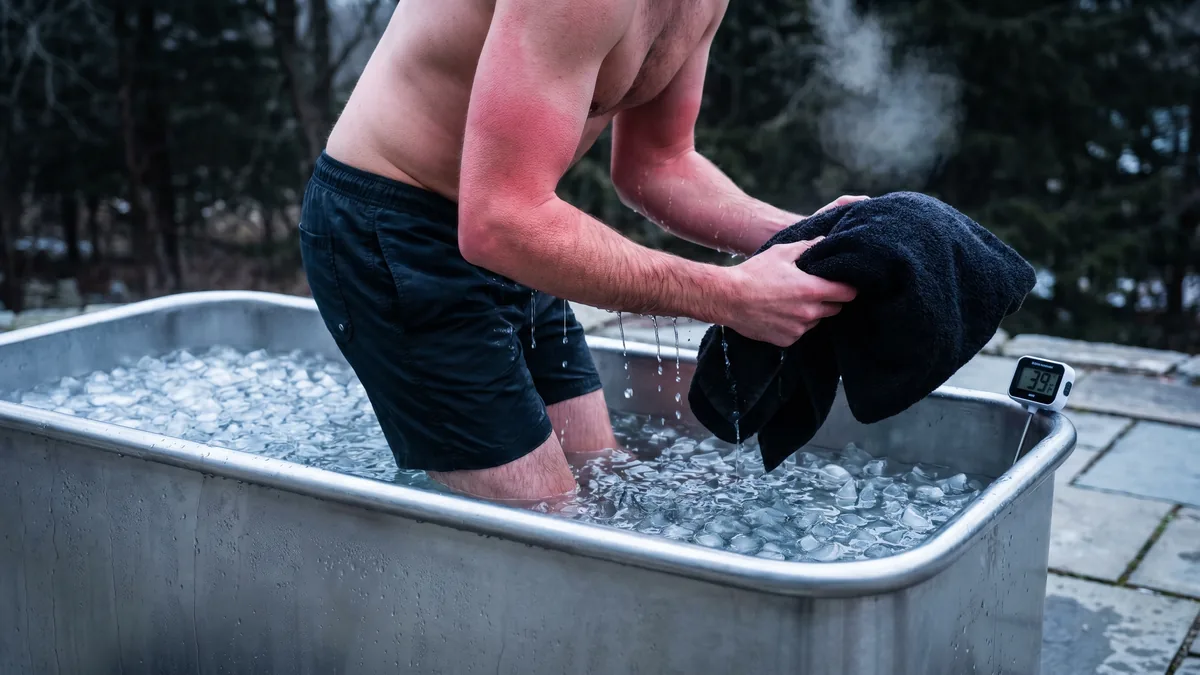
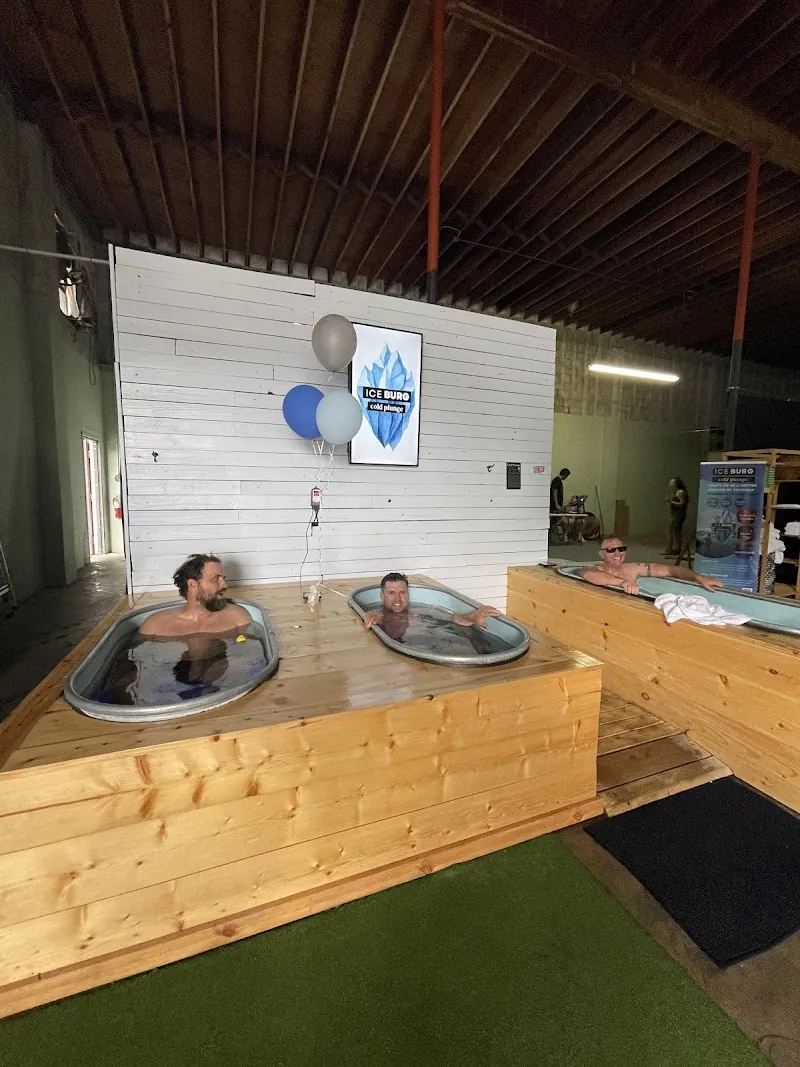
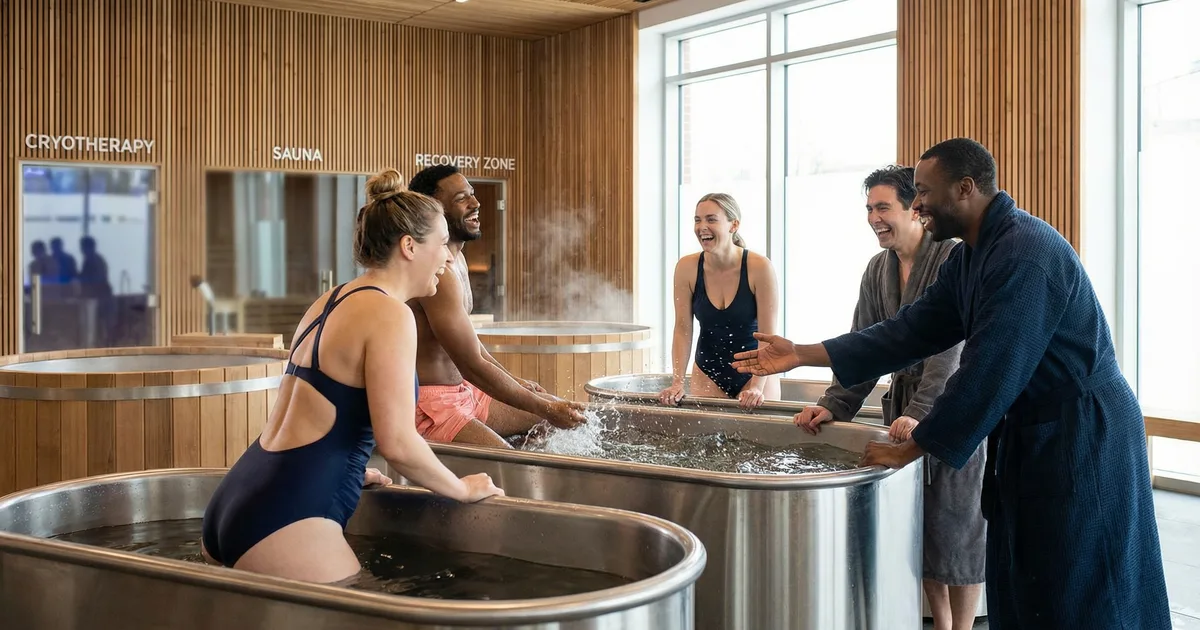
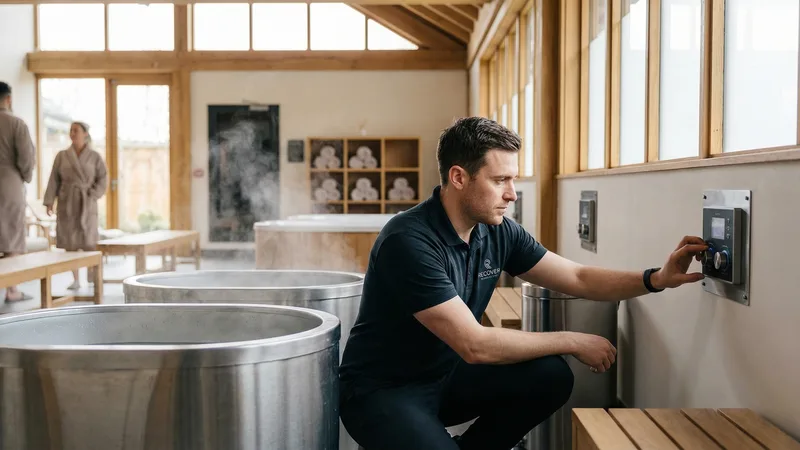
Cold plunge pools are temperature-controlled pools, usually kept between 45°F and 59°F, that you step into for anywhere from two to fifteen minutes. Most modern cold plunge facilities use these because they maintain a consistent temperature, which matters more than people realize. An ice bath made at home with a bag of ice from the gas station can vary wildly in temp, and you might be sitting in 65°F water thinking you are getting therapeutic benefits when you are really just a little chilly.
Traditional ice baths are exactly what they sound like: a tub, water, and ice. They are effective and cheap to do at home, but messy and imprecise. A dedicated ice bath facility uses better equipment with reliable temperature controls, which is genuinely worth paying for if you are trying to do this consistently.
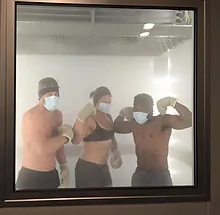
Whole-body cryotherapy is a different animal entirely. You step into a chamber that blasts nitrogen-cooled air down to temperatures as low as -200°F, but you are only in there for two to four minutes. Your skin surface cools rapidly, but your core temperature does not drop the way it does in water immersion. Some people swear by cryotherapy studios for the speed and convenience. Others feel the water immersion methods give a deeper physiological response. Honestly, both have a place depending on what you are after.
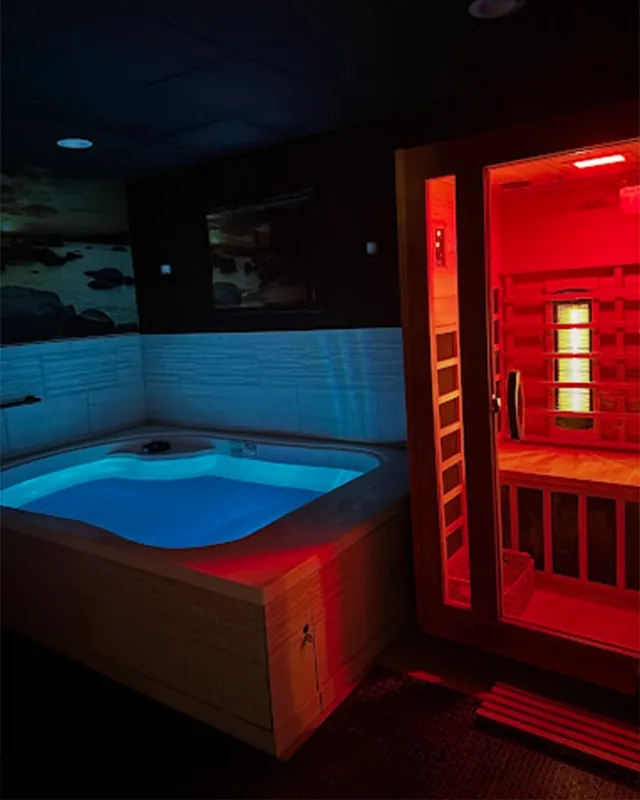
Contrast therapy alternates between heat and cold, usually a sauna or steam room followed by a cold plunge, repeated in cycles. A contrast therapy studio typically runs you through two or three rounds, and the cycling between vasoconstriction and vasodilation (blood vessels narrowing in cold and opening in heat) is thought to drive a stronger circulation response than cold alone.
Cold water immersion tanks are more of a medical-leaning format, used in physical therapy and sports medicine settings. These are clinical-grade tubs, often with jets, used at precise temperatures for specific rehabilitation goals.
Here is what nobody tells you about the at-home versus facility debate: it is not just about the equipment. Going to a proper cold immersion center or plunge pool spa means someone is there to walk you through it, especially on your first few sessions when breathing control and time management are the difference between a good experience and a panicked bail-out at the thirty-second mark.
The Real Benefits: What the Research Actually Shows
Let's be straight about something. Cold therapy has legitimate science behind it, but it also has a lot of hype layered on top of that science. Sorting one from the other matters.
On the physical side, the most well-documented benefit is reduced delayed onset muscle soreness (DOMS). Multiple studies have shown that cold water immersion after intense exercise can significantly cut how sore you feel 24 to 72 hours later. For athletes training daily or multiple times per week, a recovery wellness center that offers regular plunge access is genuinely useful, not just a luxury wellness indulgence.
Reduced inflammation is real too, at least acutely. Vasoconstriction slows blood flow to tissues, which can limit the inflammatory response after hard training. Improved circulation comes on the backend when your body rewarms and blood rushes back to the extremities. Repeated exposure over weeks seems to improve how efficiently your cardiovascular system handles that response.
The mental health angle is newer in the research but getting a lot of attention. Cold exposure triggers a sharp release of norepinephrine, a neurotransmitter that plays a role in focus, mood, and stress regulation. Dr. Andrew Huberman's work popularized this, but the underlying data on norepinephrine release during cold exposure is solid and goes back further than the podcast circuit. People report feeling clear-headed, calm, and almost euphoric after a session. That tracks with the neuroscience.
Mood elevation from a few minutes in a cold plunge? Yeah, that genuinely surprised a lot of researchers too, not just wellness influencers.
Who benefits most? Endurance athletes, strength athletes, CrossFit regulars, runners, and anyone doing back-to-back training days. People managing chronic inflammation from conditions like arthritis report relief, though the evidence there is more anecdotal and varies by individual. Folks dealing with stress, burnout, or general fatigue often find the mental reset from cold immersion valuable in its own right, separate from any physical recovery.
Cold immersion is not for everyone without some caution. People with heart conditions, Raynaud's disease, uncontrolled high blood pressure, or cold urticaria (an allergic reaction to cold) should consult a physician before visiting any cold water therapy center. Pregnant women should skip it. If you are on certain blood pressure medications, the cardiovascular stress of rapid cold exposure can be more intense than you expect. A good facility will ask about these things during intake.
The Cold Therapy Industry by the Numbers
Our directory currently lists 1,934 cold plunge and ice bath facilities across the platform. That number alone tells you something about how fast this category has grown. These are not all standalone cold plunge spas, either. The listings include cryotherapy studios, contrast therapy centers, recovery wellness centers attached to gyms, and medical-adjacent facilities that offer cold immersion as part of broader treatment programs.
New York leads with 30 listings, which makes sense given the population density and the city's appetite for premium wellness services. Anchorage comes in at 25 listings, which is kind of remarkable when you think about it. Cold water therapy in Alaska, where cold is not exactly a novelty people are chasing for fun, suggests the clinical and athletic recovery side of the market is driving demand there as much as the wellness lifestyle angle.
Omaha has 20 listings. Las Vegas and Albuquerque each sit at 19. These are not cities you would necessarily predict to top this kind of list, which suggests that cold therapy demand is spreading beyond the obvious coastal wellness hubs and into mid-size cities with strong fitness and sports communities.
And the rating data is honestly striking. An average of 4.9 out of 5 stars across nearly 2,000 listed businesses is not what you see in most wellness categories. That level of customer satisfaction reflects a few things: the services genuinely deliver on what they promise, facilities tend to attract motivated repeat customers who are seeing results, and the operators running these places are serious about the experience.
Top-Rated Cold Therapy Facilities
| Business Name | Location | Rating | Reviews |
|---|---|---|---|
| Rock and Armor | Meridian, ID | 5.0 ★ | 1,448 |
| Pain Center of Rhode Island | Cranston, RI | 5.0 ★ | 1,207 |
| Fire & Ice Wellness | Bristol, England | 5.0 ★ | 1,199 |
| Next Health | New York, NY | 5.0 ★ | 1,142 |
| Remède IV Therapy + Aesthetics | Jackson, WY | 5.0 ★ | 948 |
Rock and Armor in Meridian, Idaho stands out. 1,448 reviews at a perfect 5.0 stars means this is not a small boutique with thirty loyal customers inflating a rating. That is a high-volume operation with consistent execution. Worth looking at as a model for what a great cold therapy studio can look like in a mid-size market.
What to Expect on Your First Visit
Walking into a cold plunge facility or cryotherapy spa for the first time, most people do not know what they are signing up for beyond the basic concept. Here is the actual rundown.
You will fill out a health intake form. Good facilities take this seriously and will ask about cardiovascular conditions, medications, and prior experience with cold exposure. Do not skip past it. A quick chat with staff about your goals, whether that is muscle recovery, stress relief, or just curiosity, helps them set you up with the right session length and temperature.
Bring swimwear, a towel, flip flops if you have them, and a water bottle. Some places provide towels. Most do not provide swimwear, and do not assume they will. Showing up without a swimsuit is a classic first-timer mistake that staff at these places have definitely seen too many times.
Session options vary by facility. A beginner session at a cold immersion center might be two to three minutes at 55°F to 59°F. More experienced users often go colder (50°F or below) and longer (eight to fifteen minutes). Staff should guide you on what makes sense for your first time. Four minutes at a moderate temperature is a reasonable starting point for almost anyone healthy enough to be there.
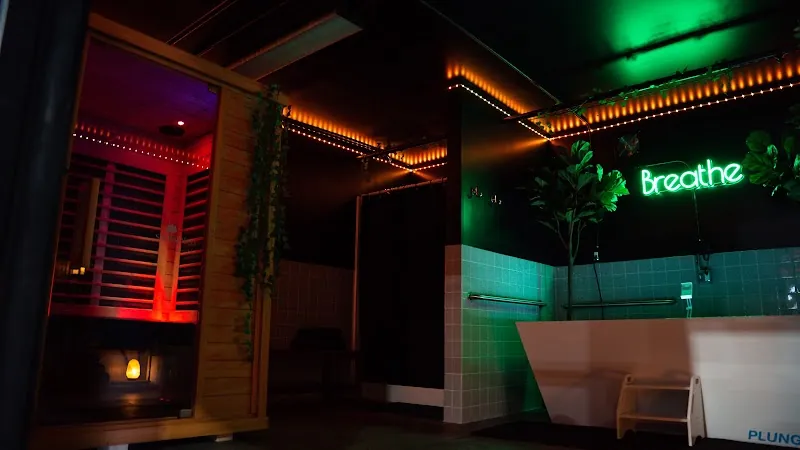
Modern recovery wellness centers have gotten genuinely nice. Many offer infrared saunas, steam rooms, contrast therapy circuits, private plunge suites with ambient lighting and music controls, and post-session lounges with herbal teas or electrolyte drinks. Some places feel more like a spa than a sports recovery clinic, which is fine if that environment helps you commit to showing up regularly.
Pricing is all over the map. Drop-in sessions at a basic cold plunge facility run roughly $20 to $50. Full-service recovery wellness centers with sauna access, contrast circuits, and amenities can charge $60 to $100+ per session. Memberships bring that down considerably, usually to $80 to $150 per month for unlimited or frequent access. If you are thinking about doing this more than twice a month, a membership almost always makes more financial sense than paying drop-in rates each time.
Some recovery wellness centers offer introductory deals for first-time visitors, sometimes a free session or a heavily discounted first month of membership. It is worth calling ahead or checking the facility's website before you book your first drop-in at full price. Also, a few gyms and athletic clubs have started including cold plunge access in their standard membership tiers, so check what you already pay for before adding another subscription.
And while you are stocking up on healthy habits, it is worth knowing that eating well around your recovery sessions matters more than most people account for. If you are training hard and using cold therapy to manage inflammation, your nutrition has to support that too. Some people find discount grocery options like those listed at salvage grocery stores a practical way to keep high-quality whole foods affordable when you are already spending on wellness services.
How to Choose the Right Cold Therapy Studio for You
Not all of these places are equal. A 4.9 average across the directory is impressive, but individual facility quality still varies. Here is how to sort it out quickly.
Check temperature controls and equipment transparency. A facility that cannot tell you exactly what temperature their plunge is set to, or that uses a vague "cold" descriptor without numbers, is not running a tight operation. Ask directly. In practice, the answer tells you a lot about how seriously they take the practice.
Look at the staff credentials. At a medical-adjacent cold water therapy center or pain-focused recovery facility, you want staff who actually understand cold physiology, not just people trained to run a timer. Pain Center of Rhode Island's 1,207 reviews at a perfect 5.0 rating suggests they have this right. A wellness-oriented plunge pool spa does not need clinical staff, but someone trained in recognizing early signs of cold stress is a minimum expectation.
Read recent reviews, not just the overall rating. Look at reviews from the last three months. A place might have a strong lifetime rating but have slipped in cleanliness, equipment maintenance, or customer service more recently. Water-based facilities in particular can go downhill fast if filtration and sanitation are not being managed properly.
Match the facility type to your actual goal. If you are purely chasing athletic recovery, a no-frills cold plunge facility near your gym makes more sense than a premium spa-style contrast therapy studio that is twenty minutes out of your way and three times the cost. If the whole-body wellness experience and the wind-down environment are part of why you are going, then the premium place might be exactly right. Be honest with yourself about what you will actually use.
A standalone cryotherapy studio works well for people who want fast sessions and minimal time commitment. Whole-body cryo runs two to four minutes. You are in and out in under thirty minutes total. For people with packed schedules who need the mental reset and the inflammation management without carving out a full hour, that format wins. Water immersion gives a deeper physiological effect in most cases, but the cryo format is not nothing.
Ask about hygiene practices. Cold water does inhibit some bacterial growth, but plunge pools still need proper chemical treatment and regular water changes. Any reputable cold immersion center should be able to tell you their sanitation schedule without hesitation. If they get weird about the question, walk.
Proximity matters more than people admit. Typically, the best cold therapy studio you will never go to because it is forty-five minutes away is worse than a solid one you can hit twice a week. Building the habit is the whole point, and inconvenience is the number one reason habits fall apart.
Frequently Asked Questions
How cold does a cold plunge actually need to be to get benefits?
Most research points to water between 50°F and 59°F as the effective range for recovery and physiological response. Some practitioners go colder, but below 50°F adds risk without clearly proportional additional benefit for most users. Your first few sessions at 55°F to 58°F are plenty effective and a much safer starting point than trying to impress anyone with a 45°F plunge.
How often should I visit a cold plunge facility?
Two to four times per week is what most practitioners recommend for consistent recovery benefits. Daily cold exposure is not harmful for most healthy people, but you get diminishing returns if you are doing it just for the ritual without a specific training or recovery reason. Match frequency to your training load.
Is whole-body cryotherapy at a cryotherapy studio as effective as cold water immersion?
Cold water immersion gets deeper tissue cooling because water conducts heat away from the body far more efficiently than cold air. That said, cryotherapy studios offer real benefits, particularly for the neurological and mood-related effects tied to norepinephrine release. If water immersion is not accessible or appealing to you, a cryotherapy studio is a legitimate option, not a consolation prize.
Can I do cold therapy if I have never done it before and am not an athlete?
Yes, and a lot of cold plunge regulars