Cold Plunge Therapy: 7 Ways Cold Immersion Is Changing How We Think About Recovery and Wellness
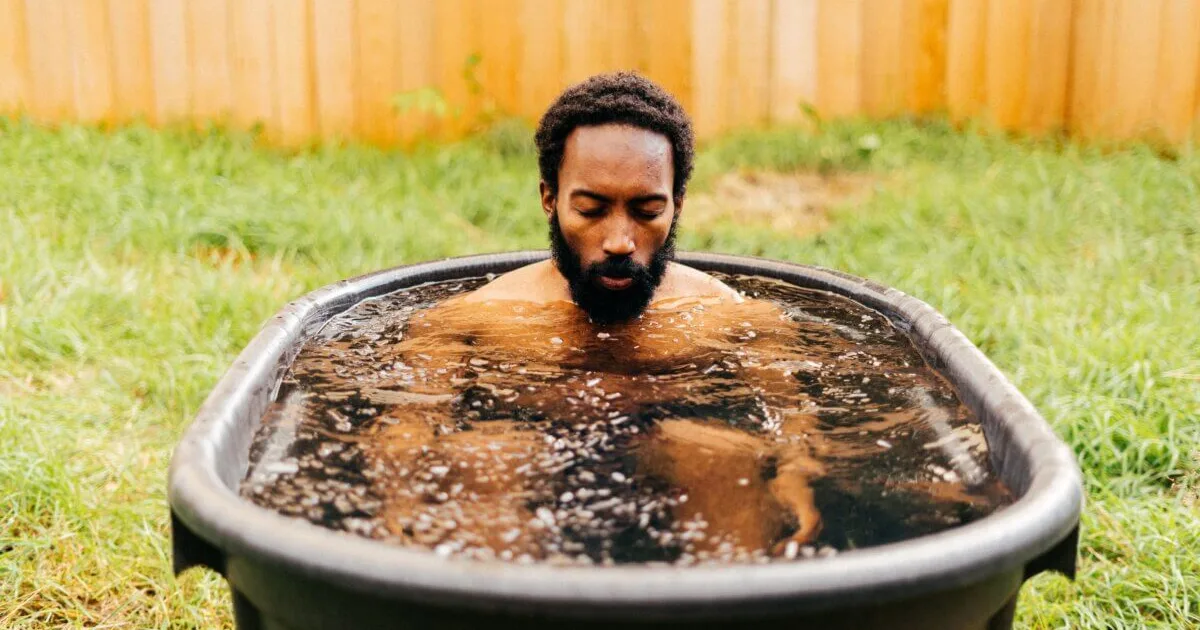
Picture someone who just finished a hard workout, maybe a long run or a brutal leg day at the gym, and they're icing a sore knee with a bag of frozen peas while scrolling through recovery tips. Most of what they find suggests foam rolling, stretching, maybe an Epsom salt bath. Cold water gets a mention but it's usually framed as something elite athletes do, something extreme, not really for regular people. That's the misconception right there, and it persists even as cold plunge and ice bath facilities are opening up in strip malls, wellness complexes, and dedicated recovery centers in cities across the country. Cold immersion therapy isn't extreme anymore. It's becoming one of the most accessible and well-supported recovery tools available to everyday people, not just professionals chasing marginal gains.
This article covers what cold plunge therapy actually is, how these facilities work, what the research says about real benefits, and how to find a quality cold water therapy center near you. There is also some genuinely interesting data here about where this industry has grown fastest and which facilities are earning the most loyal customer bases. By the end, you'll have a clear picture of whether a cold immersion center belongs in your wellness routine, and what to look for when you start shopping around.
1. What Cold Plunge Therapy Actually Is (and What Happens to Your Body)
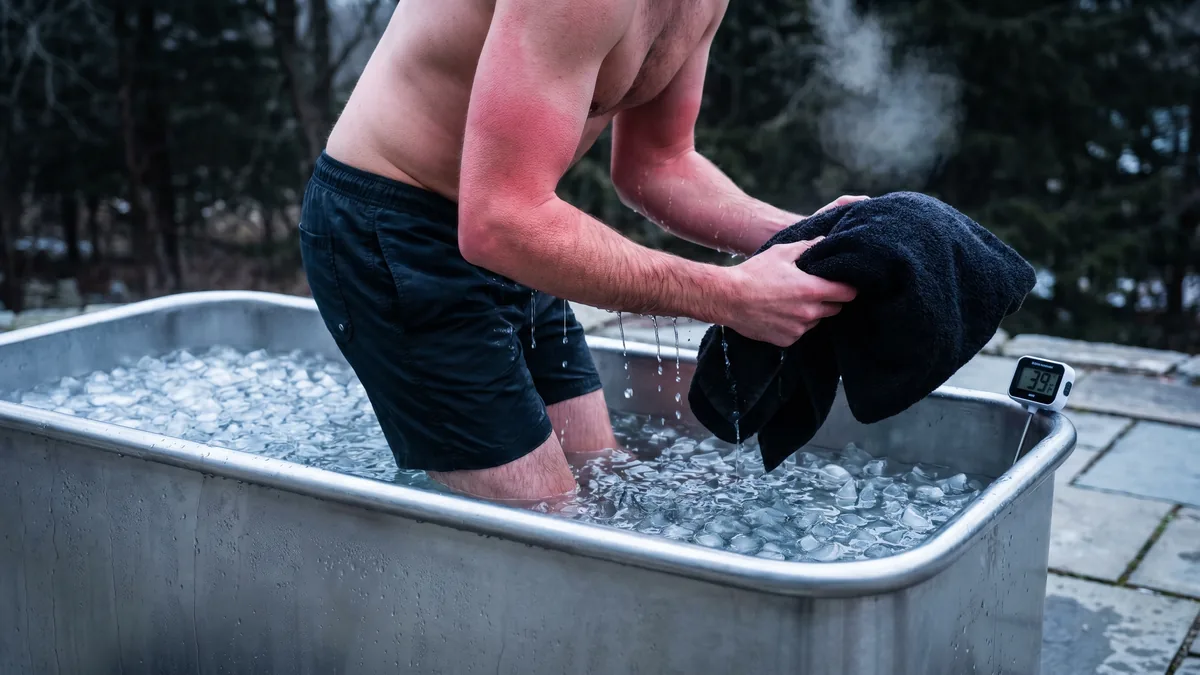
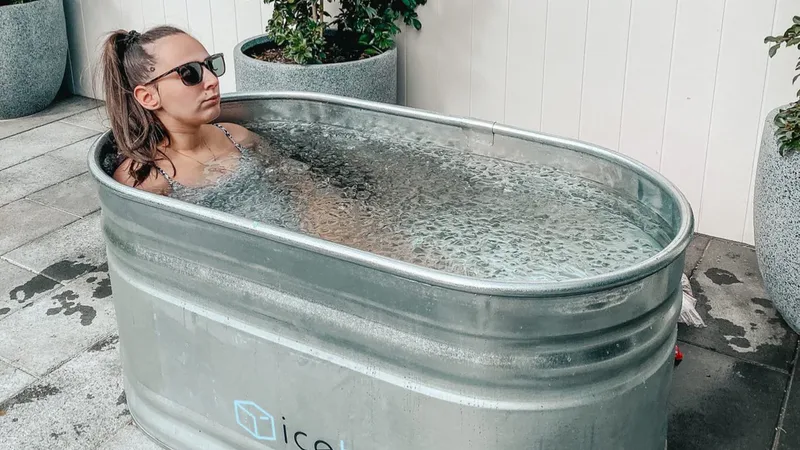
Cold plunge therapy, at its core, is deliberate exposure to cold water, usually between 45 and 60 degrees Fahrenheit, for a set period of time. That might sound simple, and in some ways it is. But the physiological response your body has during and after cold immersion is genuinely complex and worth understanding before you walk into a plunge pool spa for the first time.
When you step into cold water, your body triggers what's called a cold shock response. Your skin temperature drops fast, blood vessels near the surface constrict in a process called vasoconstriction, and your heart rate spikes briefly. Your body is essentially redirecting blood flow to protect your core organs. Breathing gets faster. Adrenaline releases. After you exit the water, the recovery phase kicks in: blood vessels dilate again, circulation surges, and your body starts flooding the system with norepinephrine and endorphins. That combination is a big part of why people feel so alert, even euphoric, after a plunge session.
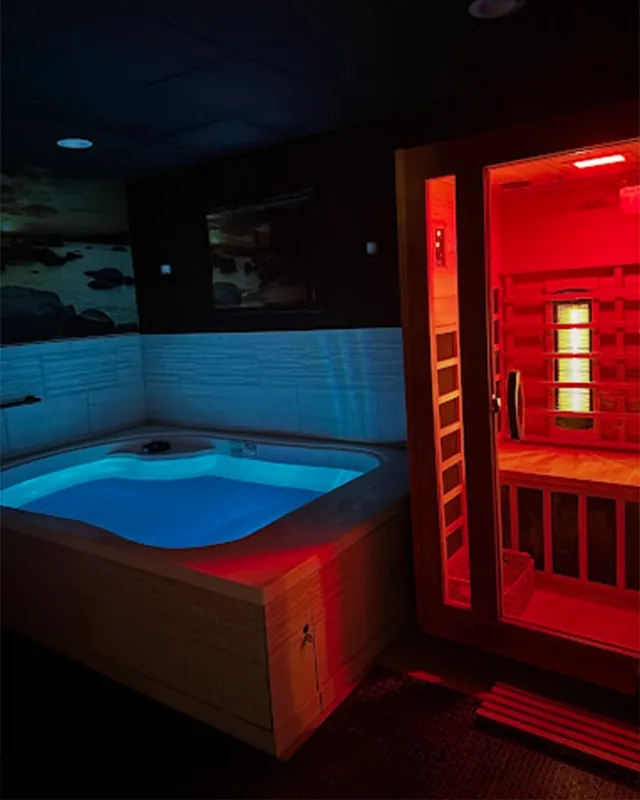
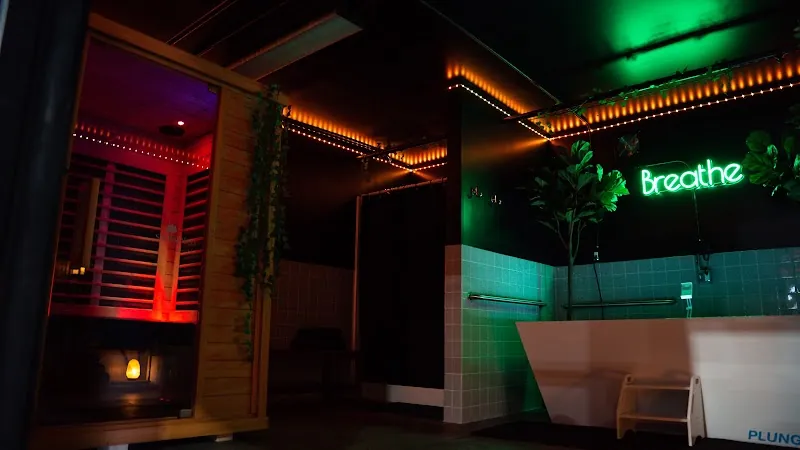
Cold water immersion, whole-body cryotherapy, and contrast therapy (alternating between hot and cold) all trigger variations of this same response. A cryotherapy studio uses super-cooled air rather than water, dropping the air around your body to temperatures well below zero for two to three minutes. A contrast therapy studio typically offers both a sauna or hot tub and a cold plunge, letting you cycle between them. These are meaningfully different experiences, and a good cold immersion center will explain the differences before putting you in one.
2. The Real Health Benefits, Backed by More Than Gym Folklore
Cold plunge therapy has been floating around athletic recovery culture for decades, but the research base supporting it has gotten a lot more solid in recent years. And I'll be honest, some of the early claims were overblown. But the well-documented benefits are real and worth taking seriously.
On the physical side, the most consistent finding across studies is reduced delayed-onset muscle soreness (DOMS) and faster perceived recovery after intense exercise. A 2012 review published in the Cochrane Database of Systematic Reviews found that cold water immersion significantly reduced muscle soreness in the days following exercise compared to passive recovery. Circulation improvements are also well-supported: the vasoconstriction-then-dilation cycle essentially acts like a pump for your vascular system. Regular sessions at a recovery wellness center may also support immune function; some research points to increases in white blood cell counts among people who practice cold immersion consistently.
The mental health angle is where things get especially interesting. Norepinephrine levels can increase by as much as 300% during cold immersion, according to research from the University of Ostrava. That's the same neurochemical that many antidepressants target. Reduced anxiety, improved mood, better sleep quality, and a sharper sense of focus are all reported consistently by regular cold plunge users. Okay, some of that is self-reported data and you should weight it accordingly, but the neurochemical mechanisms behind it are not speculative.
Cold plunge therapy is not a substitute for medical treatment. If you're managing a chronic condition, depression, or cardiovascular issues, talk to a doctor before booking your first session at any cold plunge facility. Most quality facilities will ask about your health history anyway.
One more thing worth mentioning: contrast therapy (the hot-cold alternating kind) appears to produce stronger circulation benefits than cold alone, based on several small but well-designed studies. If a contrast therapy studio is available near you, it's worth trying over a standalone cold plunge, at least initially.
3. The Environmental Side of Cold Plunge Facilities (Yes, There Is One)
Here's something most people don't think about when they're booking a session: cold plunge and ice bath facilities require a lot of energy to maintain water temperatures consistently, especially in warmer climates. Running a 50-degree plunge pool in Las Vegas in July takes real mechanical effort. For a long time, that energy cost was just accepted as part of the business model.
That's changing. Modern cold plunge facilities are increasingly investing in energy-efficient chilling systems that use significantly less electricity than older setups. Water recycling and filtration systems now allow many facilities to treat and reuse water rather than dumping and refilling tanks constantly, which reduces both water waste and chemical use. Some recovery wellness centers are also incorporating solar panels and green building standards into their designs, especially those built in the last three to five years.
Compare that to traditional spa operations, which often run multiple high-heat features (steam rooms, heated pools, heated floors) alongside cold features, and the energy math gets complicated. A dedicated cold immersion center that does not run high-heat amenities can actually operate with a smaller environmental footprint than a full-service spa. Not always, but it's a meaningful consideration for eco-conscious consumers choosing where to spend their wellness budget.
On a related note: if you're someone who cares about supporting sustainable businesses generally, it's worth looking into how local businesses in other niches are doing the same. Some salvage grocery stores have built their entire model around reducing food waste and environmental impact, which is a pretty good example of an industry rethinking its footprint from the ground up. The parallels to what modern cold plunge facilities are doing are actually pretty direct.
4. The Industry Numbers Are Bigger Than You Might Expect
Right now, there are 1,934 cold plunge and ice bath facilities listed in major U.S. city directories. That number surprised me when I first saw it. A few years ago, you'd have been hard pressed to find a dedicated plunge pool spa outside of a major metro area or an upscale athletic training facility. Now they're in mid-sized cities, suburban wellness strips, and small markets that wouldn't have supported this kind of specialty service a decade ago.
New York leads with 30 listings, which makes sense given population density and the city's general appetite for wellness concepts. Anchorage at 25 listings is more interesting. Cold culture runs deep in Alaska and there's a strong outdoor recreation community there that takes recovery seriously. Omaha at 20, Las Vegas at 19, and Albuquerque at 19 round out the top five. Las Vegas is a smart bet for this industry given the high volume of fitness-focused visitors and the city's heavy investment in wellness tourism. Omaha and Albuquerque are perhaps the more telling signs of genuine mainstream adoption, because those are not cities known for chasing wellness trends.
And the customer satisfaction data is striking. Across all 1,934 listings, the average star rating is 4.9. That is exceptionally high for any service industry category. It suggests that people who try cold immersion therapy at a professional facility almost universally find it worth their time and money. That kind of consistent satisfaction doesn't happen by accident.
Top-Rated Cold Plunge Facilities in the Directory
| Business Name | Location | Rating | Reviews |
|---|---|---|---|
| Rock and Armor | Meridian, ID | 5.0 ★ | 1,448 |
| Pain Center of Rhode Island | Cranston, RI | 5.0 ★ | 1,207 |
| Fire & Ice Wellness | Bristol, England | 5.0 ★ | 1,199 |
| Next Health | New York, NY | 5.0 ★ | 1,142 |
| Remède IV Therapy + Aesthetics | Jackson Hole, WY | 5.0 ★ | 948 |
Rock and Armor in Meridian, Idaho holds 1,448 reviews at a perfect 5.0, which is genuinely remarkable. That's not a facility coasting on novelty visits; that's a business with a deeply loyal repeat customer base. Next Health in New York earning 1,142 reviews at 5.0 is similarly impressive given how competitive the New York wellness market is. These numbers matter when you're choosing a facility because they indicate not just quality but consistency over time.
5. What to Look for When You're Choosing a Cold Plunge Facility
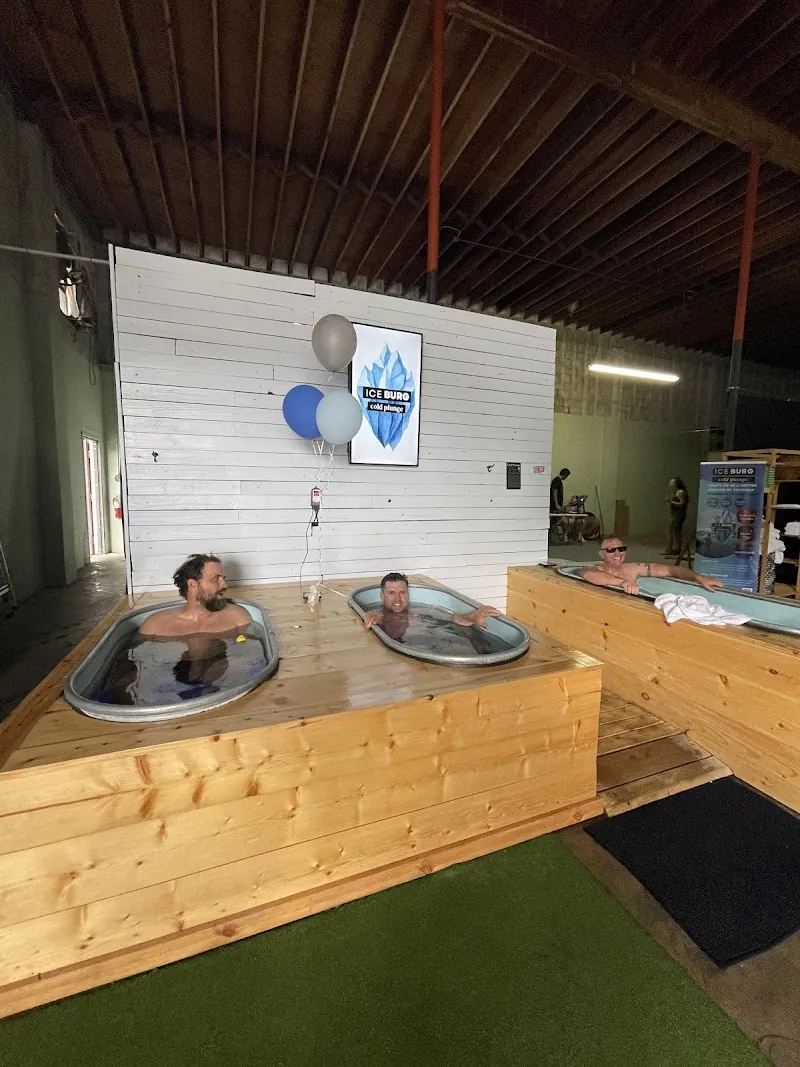
Not all cold plunge facilities are created equal. Some are genuinely excellent recovery wellness centers with trained staff, precise temperature control, and a thoughtful approach to client safety. Others are more like a cold tub in a back room with a timer on the wall. Knowing the difference before you book matters.
Start with temperature control. A quality cold water therapy center should be able to tell you exactly what temperature their water is maintained at and how that's monitored. Anything between 50 and 59 degrees Fahrenheit is a solid working range for most people. Below 50 degrees gets into more intense territory and requires more careful supervision. If a facility can't give you a clear answer on water temperature, that's a real red flag.
Sanitation is the other non-negotiable. Shared cold plunge pools need rigorous filtration and chemical treatment protocols. Ask about their water testing schedule and what filtration system they use. A good facility will not be defensive about this question; they'll want you to know they take it seriously. Private plunge pods, which some higher-end cryotherapy spas offer, sidestep this concern entirely but typically cost more per session.
Staff certification matters more than many people realize. Some facilities employ wellness coaches who are trained in cold immersion protocols and can guide first-timers through breathing techniques, proper entry and exit, and how to manage the initial shock response. Others just point you toward the tank. In practice, the former experience is worth paying for, especially for your first several sessions.
Ask the facility: What temperature is the plunge pool maintained at? How often is the water tested and treated? Do you offer guided sessions for first-timers? What is your membership structure? Can I try a single session before committing? Any facility worth your money will answer all of these without hesitation.
When reading directory reviews, look specifically for mentions of consistency. A facility that was great once is fine; a facility that's described as great across 50 or 100 reviews over a span of months is a facility you can rely on. Also look for reviews that mention staff by name or describe specific interactions, because those tend to be genuine rather than templated.
6. Who Benefits Most, and a Few Honest Safety Notes
Cold plunge therapy works well for a wide range of people. Athletes and active people recovering from training are the obvious core audience, and for good reason; the inflammation reduction and circulation benefits are especially relevant for that group. But the mental health and sleep benefits are drawing in people who have nothing to do with sports at all. Office workers dealing with chronic stress, people managing anxiety, older adults looking for non-pharmaceutical mood support. Typically, the demographics walking into a cold immersion center in 2024 are much broader than they were five years ago.
That said, cold immersion is not appropriate for everyone.
People with cardiovascular conditions, Raynaud's disease, cold urticaria, or uncontrolled high blood pressure should get medical clearance before trying any cold plunge facility. Pregnant women should avoid cold immersion entirely. Cold water immersion causes an immediate spike in heart rate and blood pressure; that's generally fine for healthy people but can be genuinely dangerous for those with certain underlying conditions. Good facilities screen for this. If yours doesn't ask any health questions at intake, that should give you pause.
For healthy adults with no contraindications, the risk profile of cold plunge therapy is actually quite low when practiced at a reputable facility with trained staff. Starting with shorter sessions (two to three minutes) at moderate temperatures (55 to 58 degrees) and working up over time is the sensible approach. Cold exposure done gradually over weeks builds both tolerance and benefit; jumping straight into a 45-degree plunge on day one is not a shortcut, it's just uncomfortable and potentially counterproductive.
7. Using Business Directories to Find Quality Cold Therapy Near You
Business directories are genuinely useful for this category of service. With 1,934 cold plunge and ice bath facilities now listed, there's a real chance you have multiple options within reasonable distance, even if you don't live in a major metro. Searching specifically for terms like "cold water therapy center," "contrast therapy studio," or "recovery wellness center" will often surface facilities that don't come up under a generic gym or spa search.
When you're comparing listings, weight the review count alongside the star rating. A 5.0 rating on 12 reviews is much less informative than a 4.8 rating on 300 reviews. As a rule, the businesses in the table above, like Rock and Armor with its 1,448 reviews, represent a level of sustained quality that's hard to fake. Use those as a benchmark when evaluating facilities in your area.
Also pay attention to how recently reviews were posted. A cold plunge facility that had great reviews two years ago but nothing recent may have changed ownership, staff, or maintenance standards. Active, recent reviews are a better signal than accumulated historical praise.
One more thing worth knowing: some of the best recovery wellness centers operate as part of broader health and wellness complexes that may not show up immediately under cold plunge searches. Searching for cryotherapy spa, plunge pool spa, or even just "ice bath" near your city can pull up different results than a single search term. Cast a wide net and then narrow down based on the criteria covered in the previous section.
FAQ: Is cold plunge therapy safe for everyday use?
For most healthy adults, daily cold plunge sessions are generally considered safe, though most practitioners recommend starting with three to four sessions per week and assessing how your body responds. Some research suggests that doing cold immersion immediately after strength training may blunt some muscle-building adaptations, so timing your sessions thoughtfully matters if hypertrophy is a goal. Talk to your doctor if you have any underlying health conditions before starting a regular cold immersion routine.
FAQ: How long should a cold plunge session last?
Most facilities recommend two to five minutes for beginners at temperatures in the 55 to 58 degree range. As tolerance builds over weeks, sessions of eight to ten minutes become more practical. Longer is not always better; many of the circulation and mood benefits appear to kick in within the first few minutes of immersion. A good cold therapy studio will have staff who can help you figure out the right duration for your goals.
FAQ: What's the difference between a cryotherapy studio and a cold plunge facility?
Cryotherapy uses super-cooled air (sometimes nitrogen-based) in a chamber, exposing your body to extremely low air temperatures for a short period, usually two to three minutes. Cold plunge therapy uses actual cold water immersion. Water conducts heat away from the body much more efficiently than air, so a two-minute plunge in 55-degree water produces a stronger physiological response than a two-minute cryotherapy session at a comparable perceived temperature. Both have documented benefits, but they're different experiences with somewhat different effects.