Cold Plunge Facilities: 7 Ways They Unlock Real Environmental Benefits Through Recovery
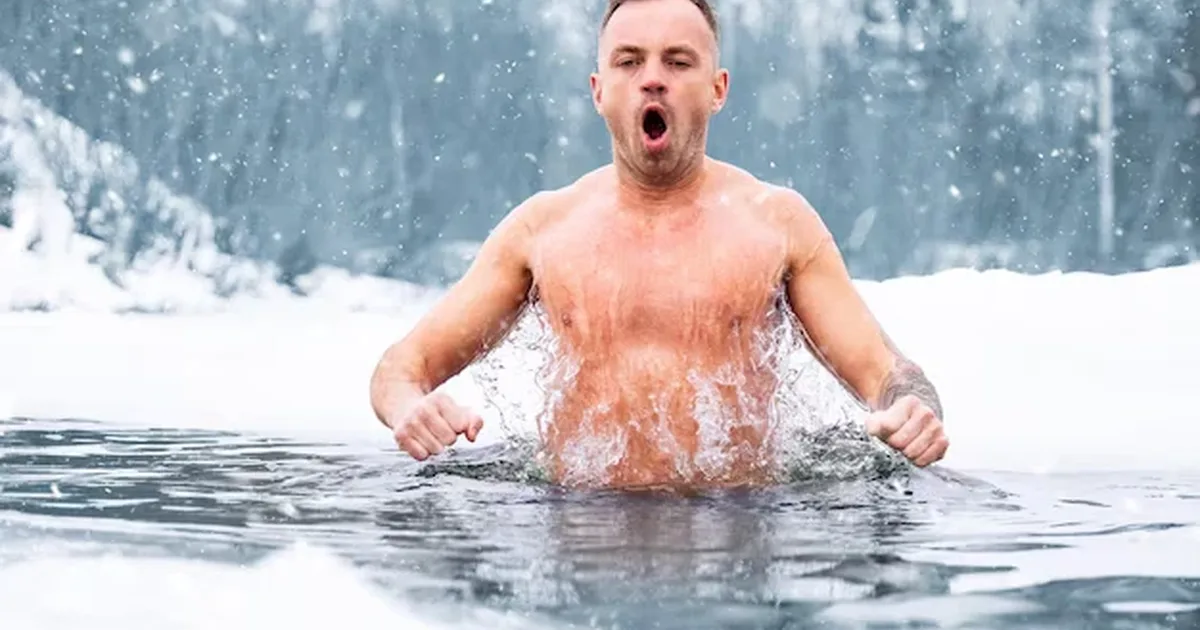
You've probably noticed the trend by now. Cold plunge tubs showing up in garages, people posting about their daily ice baths, influencers hauling bags of ice from the gas station at 6am. And honestly, if you're doing it at home, you already know the frustration: the water waste, the electricity bill from running that chest freezer, the soggy bags of ice melting all over your bathroom floor. It adds up fast, and it's not exactly great for the planet either. But here's what most people in the cold therapy world aren't talking about yet, shared cold plunge facilities are actually one of the better environmental choices you can make if cold immersion is part of your recovery routine. Not just marginally better. Genuinely, meaningfully better across several categories that matter.
Right now, more than 1,934 cold plunge and ice bath facilities are listed across major U.S. cities, averaging a remarkable 4.9 stars from customers who clearly keep coming back. That kind of growth does not happen by accident. People are figuring out that going to a dedicated cold water therapy center beats the home setup in almost every way, including ways that go beyond personal recovery. This article breaks down seven real environmental benefits that these shared spaces create, backed by the kind of specifics that actually matter.
The Industry Right Now: What the Numbers Actually Show
Before getting into the environmental side of things, it helps to understand just how fast this industry has grown and what the current spread looks like. New York leads with 30 listed facilities, which makes sense given the density. But Anchorage at 25 listings is genuinely surprising, cold water therapy centers in a city where the average January temperature already flirts with zero degrees. That says something interesting about the psychology of the practice. People aren't going to these places just to be cold. They're going for the controlled, structured experience that a real cryotherapy studio or contrast therapy studio provides. You can't replicate that at home with a bathtub and a bag of ice from the corner store.
Omaha (20 listings), Las Vegas (19), and Albuquerque (19) round out the top five. Las Vegas being in that group is fascinating to me, a desert city with extreme heat where cold immersion is almost certainly as much about heat recovery as athletic performance. Geographic diversity like this tells you that demand for shared cold plunge facilities is not a coastal elite thing. It's spreading into mid-sized cities and climates where you wouldn't necessarily expect it.
And the quality is holding up as the market grows. That 4.9 average rating across nearly 2,000 businesses is not what you normally see in a saturated wellness category.
| Business Name | Location | Rating | Reviews |
|---|---|---|---|
| Rock and Armor | Meridian, ID | 5.0 ★ | 1,448 |
| Pain Center of Rhode Island | Cranston, RI | 5.0 ★ | 1,207 |
| Fire & Ice Wellness | Bristol, England | 5.0 ★ | 1,199 |
| Next Health | New York, NY | 5.0 ★ | 1,142 |
| Remède IV Therapy + Aesthetics | Jackson, WY | 5.0 ★ | 948 |
Rock and Armor in Meridian, Idaho has pulled 1,448 reviews at a perfect 5.0 stars. That's not a fluke. Facilities that hit those numbers are usually doing something genuinely right with their operations, their staff, and their environment, all of which connects to how responsibly they're running their systems day to day.
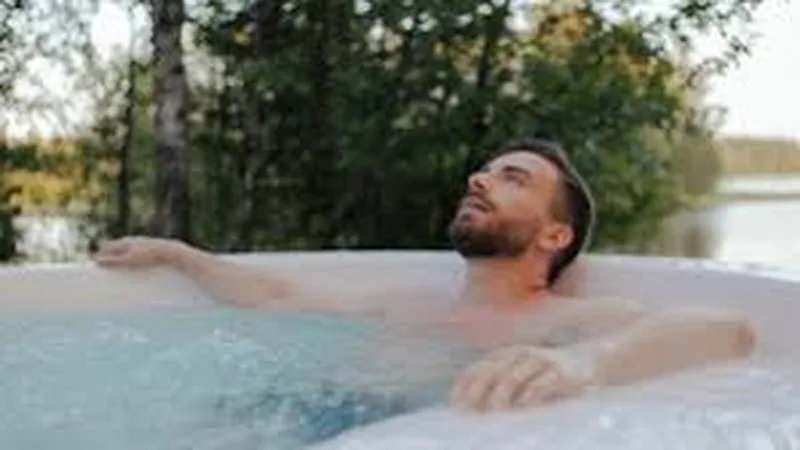
Environmental Benefits #1 and #2: Water Conservation and Energy Efficiency
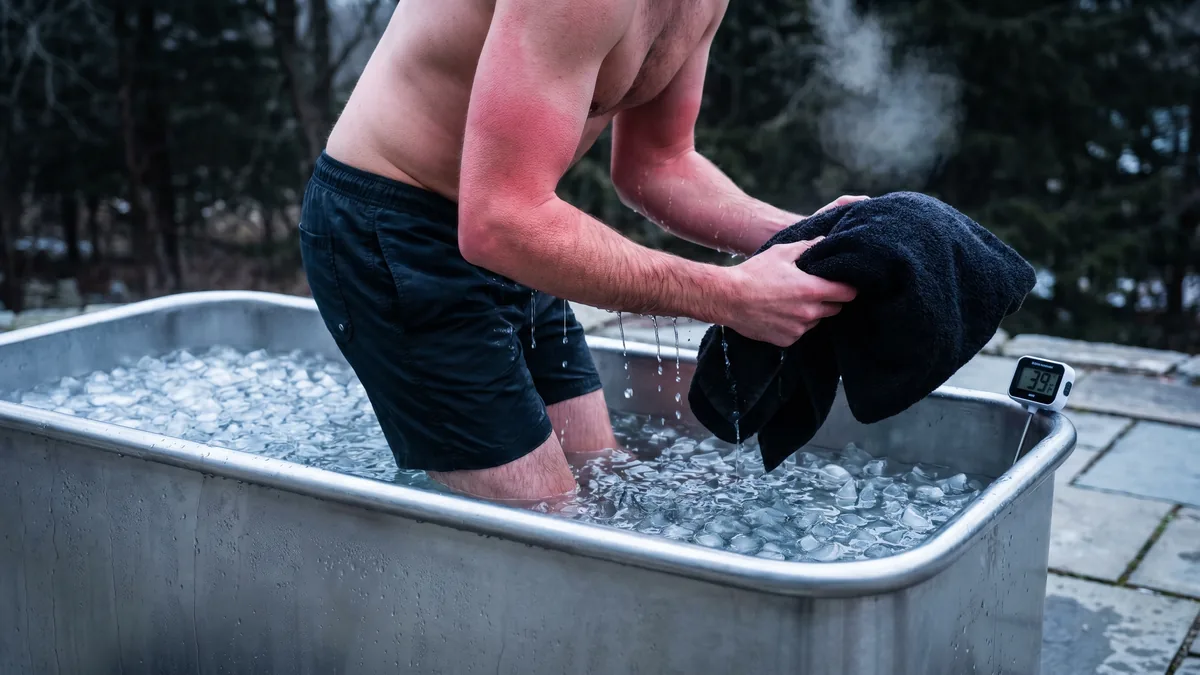
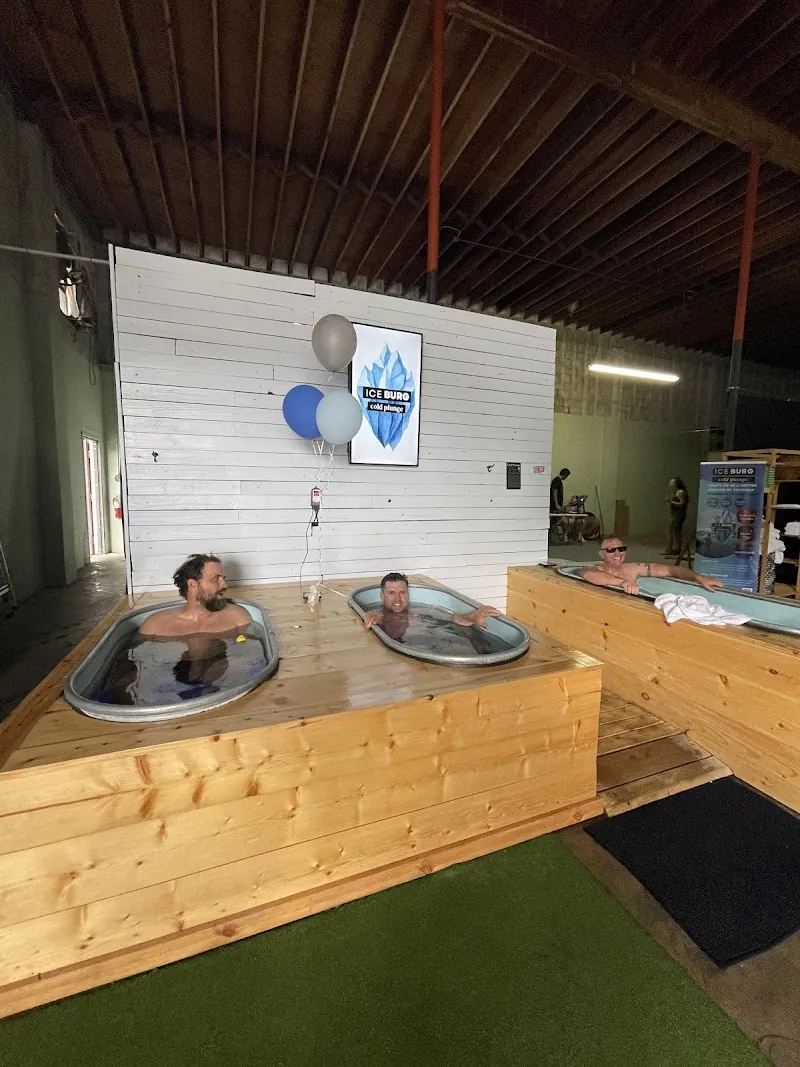
Start with water, because that's where the home ice bath setup really falls apart environmentally. A typical home cold plunge session using a bathtub or a basic tub setup means draining and refilling with fresh water every one to three sessions, depending on how careful you are about sanitation. Multiply that by someone doing this four or five times a week, and you're looking at a significant water draw for a single person. A shared cold immersion center running professional recirculating filtration systems serves dozens of people daily on the same water volume, treating and recycling it continuously rather than dumping and refilling.
Good commercial facilities use UV sanitation and ozone systems that keep the water clean enough to recirculate indefinitely between filter cycles. Some plunge pool spas run weekly or bi-weekly full water changes rather than daily. That's a fraction of the per-capita water use of home setups. If even a third of the people currently maintaining home ice bath setups switched to a shared cold water therapy center, the cumulative water savings in a city like New York would be measurable in millions of gallons annually.
Energy efficiency follows the same logic. A home chest freezer converted into a cold plunge tub is not built for that use. It cycles on and off constantly, works harder than it should, and typically runs less efficiently than a commercial-grade chiller unit designed specifically to hold a large body of water at a precise temperature over long periods. One commercial recovery wellness center cooling system serving 50 people a day uses far less total energy than 50 individual home units running around the clock. Commercial chillers are built for continuous load and engineered with efficiency in mind in ways that consumer appliances simply are not.
Also, and this part gets overlooked: commercial cold therapy studios in well-insulated facilities lose less thermal energy just from the ambient environment. Good insulation around the plunge tanks, proper temperature-controlled rooms, and consistent daily use patterns mean those systems are rarely starting from scratch. Home setups in garages or bathroom spaces without dedicated insulation fight ambient heat constantly.
If you're evaluating a local cold plunge facility, ask them about their filtration cycle and water change schedule. Any facility worth visiting should be able to tell you exactly how often the water is fully replaced and what sanitation system they use. If they can't answer that, keep looking.
Environmental Benefits #3 and #4: Fewer Chemicals and Smarter Building Design
Traditional pool facilities lean heavily on chlorine. Lots of it. And chlorine in large quantities is not friendly to aquatic ecosystems when it eventually goes down the drain. Modern ice bath facilities and cryotherapy spas have largely moved away from that model, adopting UV sanitation, ozone treatment, and advanced mechanical filtration that reduce or even eliminate the need for heavy chemical loads. Some facilities are running nearly chemical-free systems with just trace mineral balancing. That's a meaningful shift from what older wellness facilities were doing even ten years ago.
Wait, that is not quite right to say "nearly chemical-free" without a qualifier, some facilities still use small amounts of hydrogen peroxide or non-chlorine oxidizers as backups. But the point stands that the chemical footprint of a well-run contrast therapy studio is dramatically lower than a traditional pool or older hot tub setup, and lower than what many home users are dumping in their personal tubs trying to keep things sanitary.
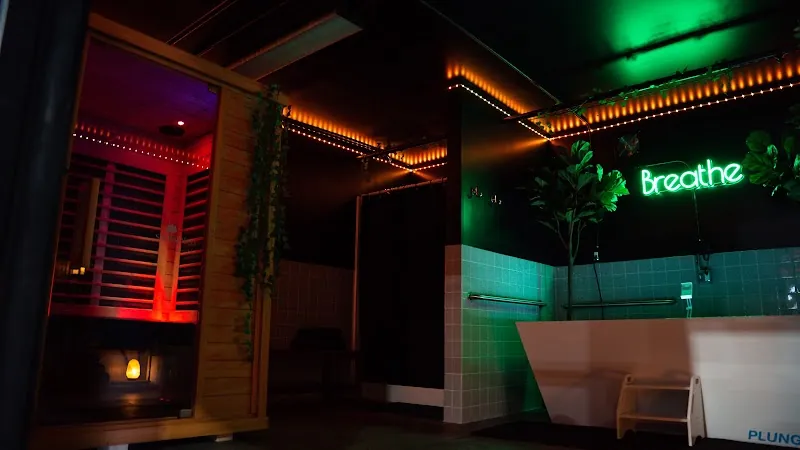
Building design is the other piece here. A lot of newer cold immersion centers being built or renovated right now are doing something interesting with the physical space. Thick spray foam insulation, reclaimed wood finishes, low-VOC paints, LED lighting throughout. Some are pursuing LEED certification or applying WELL Building Standard principles to their construction. This isn't universal, and smaller independent facilities don't always have the budget for it, but the trend among mid-to-large recovery wellness centers is clearly moving toward intentional, low-impact design.
One thing worth mentioning: the building design angle connects directly to operational costs. Better-insulated facilities spend less on energy to maintain cold temperatures. That's a financial incentive that aligns perfectly with the environmental one, which is probably why adoption is actually happening rather than just being talked about.
Eco-certifications are starting to matter to customers in this space, too. Health-conscious consumers who seek out a cryotherapy studio are often the same people reading labels at the grocery store and making choices based on environmental impact. Facilities that can point to green building standards or sustainable sourcing policies are earning loyalty in a market where loyalty is hard to get.
Environmental Benefits #5, #6, and #7: Carbon Footprint, Community Consolidation, and a Bigger Cultural Shift
Think about the supply chain behind a home cold plunge tub for a second. There's the manufacturing of the unit itself, often overseas. Shipping weight and fuel. Packaging, usually a lot of it. Then there's the ice, if someone's doing it old-school: bags of ice made in a factory, frozen using commercial electricity, shipped to a gas station or grocery store, driven home, used once, and thrown away. People who cold plunge regularly and rely on store-bought ice are generating packaging waste every single week. Switching to a shared cold plunge facility eliminates all of that from the individual's footprint entirely.
And speaking of smarter shopping habits, if you're the kind of person already thinking about reducing waste in your daily routine, it's worth checking out resources like salvage grocery stores, which offer surplus and near-expiry food at reduced prices, cutting food waste in a meaningful way. That same mindset, reducing single-use consumption and buying into shared or reused systems, is exactly what makes cold plunge facilities a smart environmental choice.
Urban placement matters a lot here. Cold immersion centers in walkable neighborhoods or near transit hubs dramatically reduce the transportation emissions associated with getting to your recovery session. Next Health in New York, for example, is accessible to clients who walk or take the subway. Contrast that with someone driving 20 minutes each way to a suburban gym that happens to have a cold tub, or driving to buy ice bags weekly. Over a year, the difference in transportation emissions is real.
Community consolidation is maybe the least flashy of these benefits but possibly the most important one at scale. Every person who commits to a shared cold therapy studio instead of buying and maintaining their own home setup represents one fewer appliance manufactured, one fewer unit eventually landfilled, and months or years of reduced disposable product use. Multiply that by thousands of users across 1,934 facilities nationwide, and you start to see a genuine reduction in consumer goods demand that has measurable upstream manufacturing implications.
That brings us to the seventh benefit, which is harder to measure but probably the most lasting. Cold plunge facilities attract a particular kind of customer. Not exclusively, but statistically, the people who commit to regular cold immersion therapy are health-focused, disciplined, and often already engaged with sustainability in other parts of their lives. Shared recovery spaces become community hubs. They host events. People talk. Facilities with strong reputations, like the ones pulling thousands of five-star reviews, have real influence over the habits and values of their regulars.
A well-run recovery wellness center can extend its environmental messaging beyond the tanks. Some facilities share content on sustainable recovery practices, recommend low-waste nutrition approaches, or partner with local eco-conscious businesses. That kind of influence compounds over time in ways that are difficult to model but genuinely powerful at the community level.
If a facility has 1,000+ reviews at 5.0 stars, they're not just doing the cold plunge part right. They're creating an experience and a community that people want to be part of. That community is where environmental culture actually spreads.
Frequently Asked Questions
How much water does a typical cold plunge facility save compared to home use?
It varies by facility size and filtration system, but a commercial cold immersion center using recirculating UV or ozone filtration can serve dozens of clients on the same water volume that a home user would drain and replace multiple times per week. Per-capita water use at a shared facility is a fraction of what individual home setups consume over the same time period.
Are the chemicals used in cold plunge pools safe for the environment?
Modern ice bath facilities and cryotherapy spas have largely shifted away from heavy chlorine use toward UV sanitation, ozone systems, and low-chemical mineral balancing. These approaches are significantly gentler on ecosystems when water is eventually discharged. Always ask a facility what sanitation method they use before committing to membership.
Do cold plunge facilities in different climates operate differently?
Yes, and the differences matter environmentally. A cold plunge facility in Las Vegas is fighting ambient temperatures that are 40+ degrees warmer than a facility in Anchorage, which means the cooling systems work harder and use more energy. Well-designed facilities in hot climates invest in better insulation and more efficient chillers to compensate. This is a good question to ask when evaluating a facility in a warm region.
What should I look for in an environmentally responsible cold water therapy center?
Ask about their water change schedule and filtration method. Find out if they use LED lighting and what their building insulation situation looks like. Check whether they have any green certifications or stated sustainability policies. A facility that can't answer basic questions about their water and energy systems is probably not thinking carefully about their environmental footprint.
Is a shared cold plunge facility really better than a home setup for regular users?
For most people who cold plunge more than two or three times per week, shared facilities win on almost every measure: water efficiency, energy use, chemical load, equipment waste, and overall environmental footprint. The main advantage of home setups is convenience and availability at odd hours. Shared facilities with extended or 24-hour access largely close that gap.
How do contrast therapy studios differ from basic cold plunge facilities?
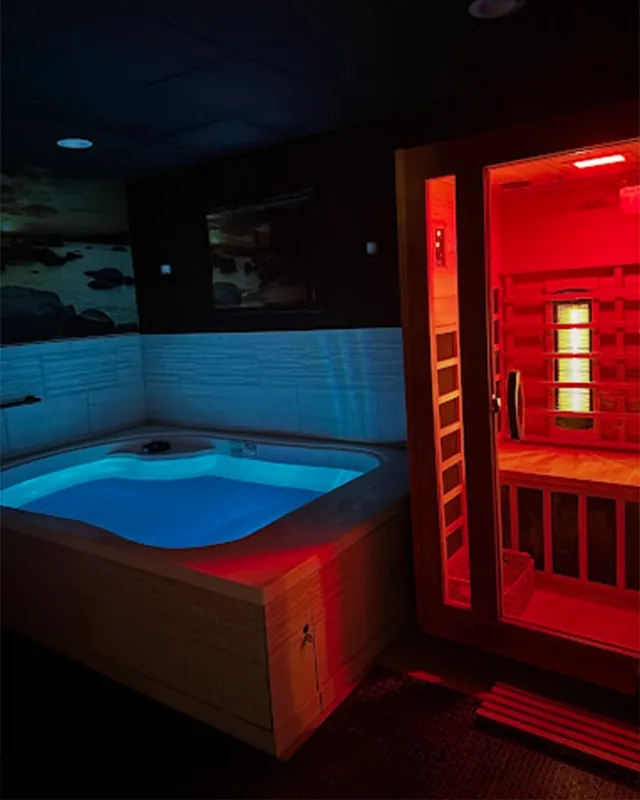
A contrast therapy studio typically offers both hot and cold immersion, often alternating between sauna or steam and cold plunge in structured protocols. These facilities usually have more complex mechanical systems, but the shared-use model still provides the same environmental advantages over individual home setups. Some people find the hot-cold alternation more effective for recovery than cold alone, which is a separate conversation.
Cold plunge culture is not going away. With nearly 2,000 facilities already listed and ratings staying stubbornly high across the country, this is a category that's established itself as real wellness infrastructure rather than a passing trend. And the environmental case for shared cold plunge facilities over home setups is genuinely strong across multiple dimensions: water conservation, energy efficiency, reduced chemical discharge, smarter building practices, lower carbon footprints, less manufacturing waste, and a cultural ripple effect that health-focused communities are uniquely positioned to spread. Choosing to visit a cold immersion center or cryotherapy studio instead of building out a home setup is not a sacrifice. It's just a smarter choice, for your wallet and for everything outside your garage.
Explore Related Directories
Find Cold Plunge & Ice Bath Facilities Near You
Browse our directory of 1,934+ businesses and find a top-rated cold water therapy center, contrast therapy studio, or recovery wellness center in your city.
Search the Directory