Cold Plunge Facilities: Smart Ways to Save Money While Rejuvenating
That First Plunge Costs More Than You Think (But It Doesn't Have To)
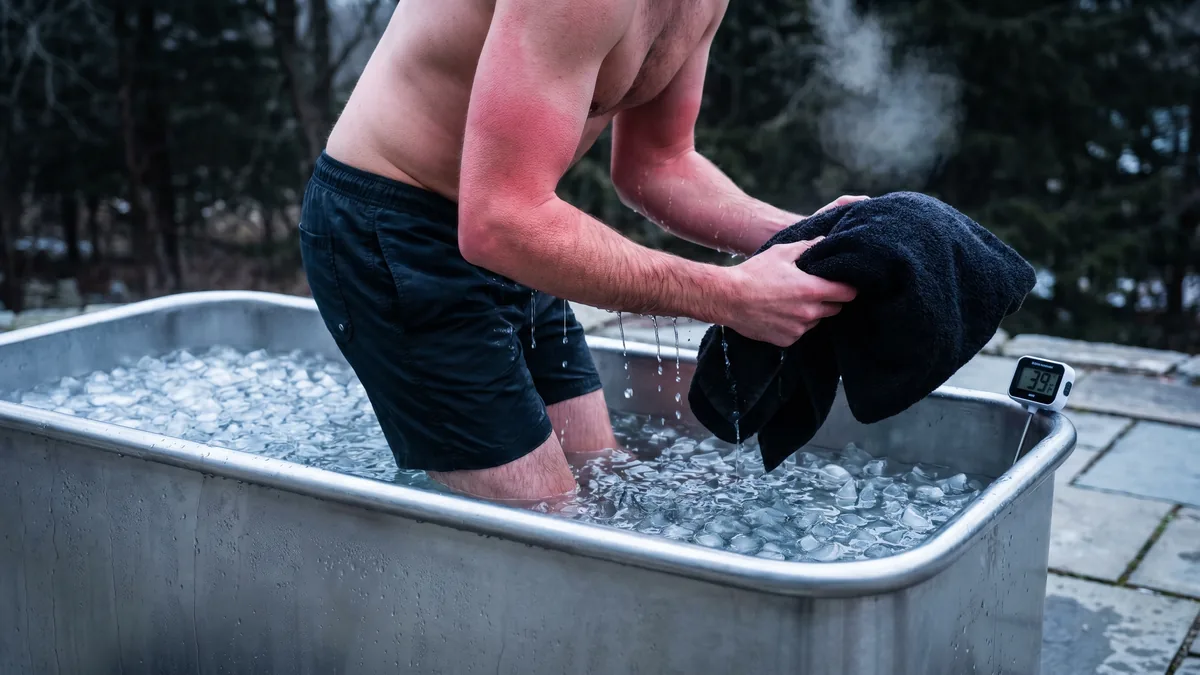
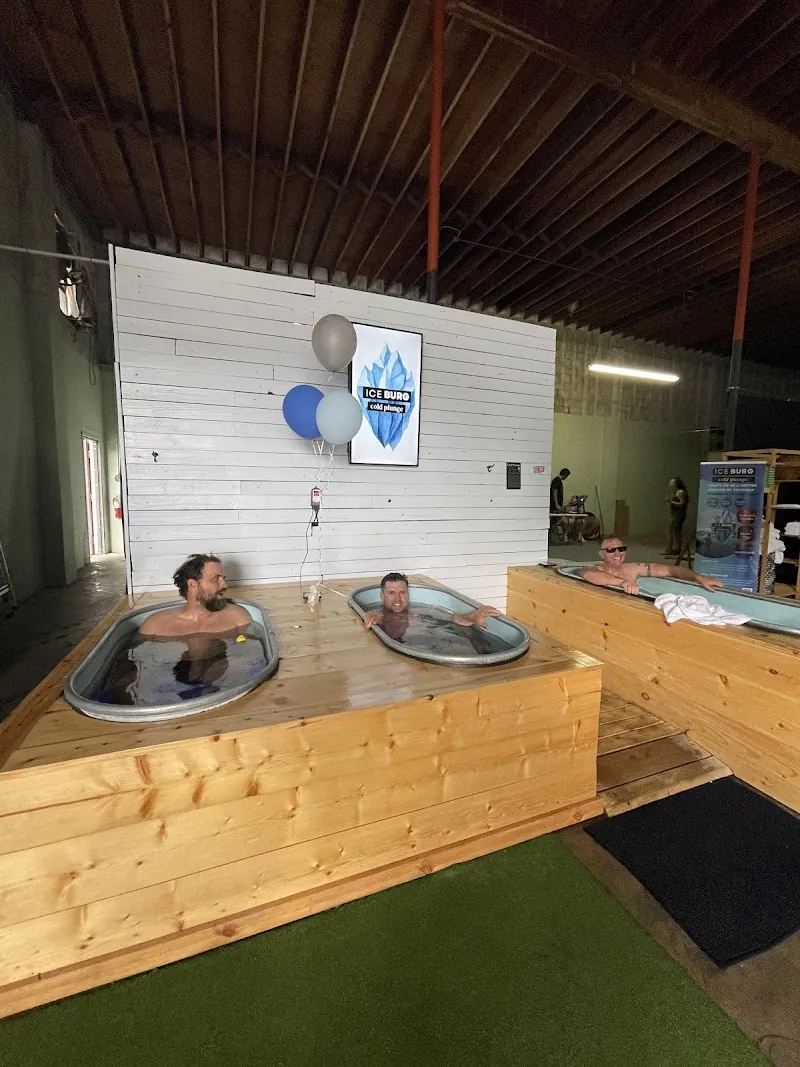
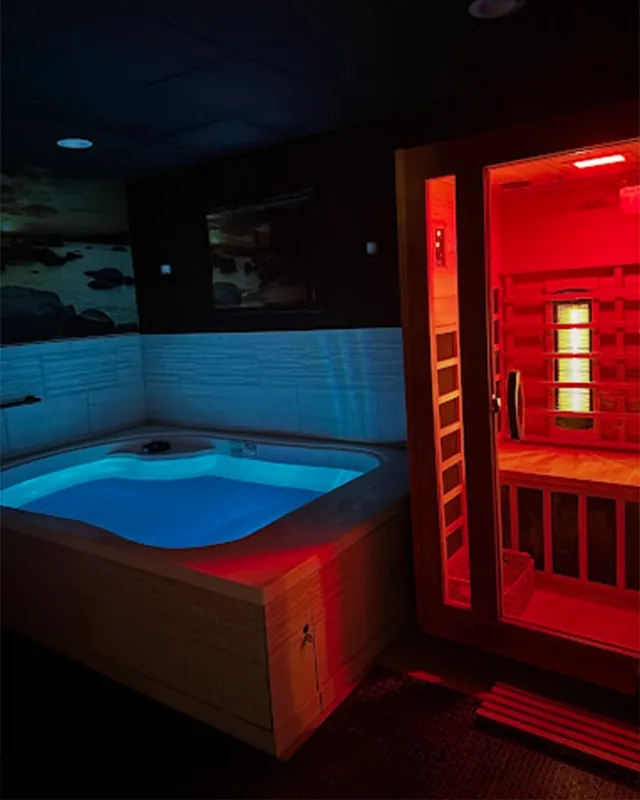
Ever stepped into ice-cold water and immediately questioned every decision that led you there? That's the cold plunge experience in a nutshell, and somehow, millions of people keep coming back for more. Cold plunge facilities have moved well past the "extreme athlete" niche and into mainstream wellness culture, showing up in strip malls, luxury hotel basements, and dedicated recovery studios across the country. Right now there are 1,934 of these places listed nationwide, covering everything from bare-bones ice bath facilities to full-service contrast therapy studios with infrared saunas, guided breathwork sessions, and plunge pools that look like something out of a Nordic spa brochure.
Cost is the thing that stops most first-timers. Drop-in rates at a decent cold water therapy center can run $30 to $60 for a single session, and premium cryotherapy studios in big cities sometimes charge even more. That adds up fast if you're trying to go two or three times a week the way most recovery protocols recommend. But here's the actual good news: the sheer volume of options means consumers have more pricing power than ever, and there are real, specific strategies that can cut your per-session cost dramatically without trading away the quality of the experience. This article is going to walk through those strategies in detail.
What You're Actually Paying For at a Cold Plunge Facility
Walking into one of these places for the first time, it's easy to wonder why the prices feel so wide. One cold immersion center down the street charges $25 a session. Another one three blocks away wants $75. What gives?
A lot of the price difference comes down to water temperature precision. Maintaining a plunge pool at a consistent 50°F or below requires serious commercial chillers that cost thousands of dollars to run and maintain. Budget facilities might hover around 55 to 58 degrees and call it good enough. A premium plunge pool spa will hold 38 to 45 degrees with serious accuracy, and that precision takes equipment, electricity, and regular calibration. You feel the difference immediately.
Beyond temperature, you're paying for session length, staffing, and amenities. A cold water therapy center that offers 10-minute supervised sessions with a certified recovery coach on-site is a different product than an unmanned facility with a timer on the wall. Contrast therapy studios that pair cold plunges with sauna access, steam rooms, or even compression therapy usually charge more, but the bundled experience can actually make the math work out better per service if you're using everything available.
Here's a rough pricing benchmark to work with. Budget facilities (think community wellness centers or gym add-ons) often run $15 to $25 per drop-in session. Mid-range cold therapy studios typically charge $30 to $50. Premium cryotherapy spas with private suites, top-tier equipment, and full amenity access can push $60 to $100 or more per visit. Monthly memberships across those same tiers usually land at $80 to $120, $120 to $200, and $200 to $350 respectively. Knowing these ranges before you walk in gives you something real to compare against.
Before signing anything, ask the facility for their price-per-session math across every plan they offer. A monthly membership at $150 with unlimited visits sounds great, but if you're realistically going 4 times a month, that's $37.50 per session, which might be worse than a 10-session punch card at $280 ($28 per session). Do the actual division before you commit.
Memberships, Punch Cards, and the Cost-Per-Plunge Math
Honestly, the membership question is where most people make expensive mistakes. They sign up for unlimited monthly access at a recovery wellness center because it sounds like the best deal, go four times in the first month, then life gets busy and they show up twice in month two. At that point they've paid for something they're not using, and the "deal" evaporates.
So before committing to any membership at a cryotherapy studio or plunge pool spa, run your realistic visit frequency through the numbers. Not your optimistic frequency. Your actual one.
If you go twice a week reliably, a monthly unlimited membership almost always wins. At two sessions per week, you're at roughly eight sessions a month. If drop-in is $45 and the unlimited membership is $160, you'd pay $360 drop-in versus $160 with the membership. That's $200 saved every month. But if you're going once a week, the math flips. Four sessions at $45 is $180, and the membership at $160 only saves you $20 while locking you into a recurring charge.
Punch cards and prepaid packages sit in a useful middle ground. Many cold immersion centers sell 10-session packages at a 15 to 25 percent discount from drop-in rates, with no expiration pressure or monthly commitment. They work especially well for people whose schedules are inconsistent but who know they'll eventually use the sessions. Just check the expiration policy. Some facilities put a 90-day window on punch cards, which is perfectly reasonable. Others give you six months or more, which is much more forgiving.
Before signing a contract at any cold plunge facility, ask these specific questions: Can you freeze the membership if you travel or get injured? What's the cancellation window, and is there a fee? Do memberships include guest passes? Are there different tiers that include amenities like sauna or breathwork sessions, and what's the actual price difference between those tiers? A good facility will answer all of these without hesitation. One that gets evasive about cancellation terms is a facility to be cautious about.
Premium memberships at contrast therapy studios often include infrared sauna access, guided breathwork, or towel service. These extras are genuinely valuable, but only if you use them. If a premium tier costs $60 more per month than the basic tier, and the main difference is infrared sauna access you'll use twice, you're paying $30 per sauna session. Just buy sauna sessions individually at that point.
Timing Your Visits to Spend Less
Off-peak pricing is real and it's underused. Most cold water therapy centers charge less, or offer promotional slots, during their slow hours. Early morning (before 8am), weekday afternoons from about 1pm to 4pm, and late evenings are typically the least crowded windows at most recovery wellness centers. Facilities that use dynamic pricing actively discount these slots, sometimes by 20 to 30 percent. Even facilities that don't formally discount off-peak hours often have shorter wait times, meaning you spend your full session time actually in the water instead of waiting around.
Booking in advance through a facility's app or website is another consistent money-saver. First-timer introductory offers almost always require an online booking to redeem. These offers are common across the industry and usually range from a free first session to 50 percent off your first three visits. Read the terms carefully because some require you to book a membership at the end of the intro session to keep the discount. That's fine if you were planning to join anyway. Just don't feel pressured into a contract in the middle of a post-plunge endorphin rush. Cold water does interesting things to your decision-making.
Referral programs are genuinely underrated. If you have a friend who already goes to a cryotherapy studio you're interested in, ask them to refer you before you book your first session. Many facilities give existing members a free session or credit for every referral that converts, and they give the new member a discount too. That's free money sitting on the table for both of you.
Seasonal promotions are worth tracking. January is the biggest month for cold plunge deals, coinciding with New Year wellness campaigns. Many facilities run two-week free trials, discounted first-month memberships, or flash punch card sales in early January. Summer can also bring deals as foot traffic dips in warmer months and facilities try to keep occupancy up. Following your local cold therapy studios on social media and subscribing to their newsletters is genuinely worth doing if you're serious about catching these windows.
What the Industry Numbers Actually Tell Us
With 1,934 cold plunge and ice bath facilities listed across the country and an average customer rating of 4.9 stars, the industry data tells an interesting story. A 4.9 average across nearly 2,000 listings is remarkably high. That doesn't happen by accident. It reflects an industry where customers are engaged, facilities are motivated to perform, and the experience itself tends to be memorable enough that people feel compelled to leave a review.
High ratings also mean you can use them as a baseline expectation. A cold immersion center in your city with a 4.2 average should probably be explaining itself. With this many options at 4.9, there's little reason to settle for mediocre service or poorly maintained equipment.
Now look at the city-by-city breakdown. New York leads with 30 listings, followed by Anchorage with 25, Omaha with 20, and both Las Vegas and Albuquerque tied at 19 each. New York makes obvious sense given the population density. But Anchorage at 25 is genuinely surprising for a city its size, suggesting a strong local wellness culture and possibly some overlap with cold-weather athletic communities. And honestly, Omaha at 20 listings is the one that jumped out at me, because that level of market density in a mid-sized Midwestern city means real competition among facilities, which is excellent news for consumers there.
In high-competition markets like these, facilities actively fight for new members with introductory offers, competitive pricing, and extra perks. If you're in New York, you have 30 cold plunge facilities essentially competing for your business. That's real leverage. Shop around, compare intro offers, and don't feel locked into the first place you try.
Top-Rated Cold Plunge Facilities Worth Knowing About
Beyond the city-level data, some individual facilities stand out in a big way. These are the top-rated cold plunge and ice bath facilities in the directory based on both rating and review volume:
| Facility Name | Location | Rating | Reviews |
|---|---|---|---|
| Rock and Armor | Meridian, ID | 5.0 ★ | 1,448 |
| Pain Center of Rhode Island | Cranston, RI | 5.0 ★ | 1,207 |
| Fire & Ice Wellness | Bristol, England | 5.0 ★ | 1,199 |
| Next Health | New York, NY | 5.0 ★ | 1,142 |
| Remède IV Therapy + Aesthetics - Jackson Hole | Jackson, WY | 5.0 ★ | 948 |
Rock and Armor in Meridian, Idaho is the standout here, not just for the perfect rating but for having 1,448 reviews to back it up. That's a lot of people going out of their way to write something after their session. It signals consistency. Next Health in New York brings that same perfect score to one of the most competitive markets in the country, which says something real about how well they execute. Pain Center of Rhode Island is interesting because the name suggests a clinical focus, which might mean they're doing a better job of integrating cold therapy with actual recovery protocols rather than just wellness tourism.
Fire & Ice Wellness in Bristol, England showing up in a US directory with 1,199 reviews is a little quirky, but it also speaks to how globally the cold therapy movement has grown. Worth a visit if you're ever across the pond.
Comparing Facilities and Making the Most of Directory Listings
Using a directory to compare your local cold plunge options is genuinely one of the best first steps, and most people skip it entirely. Instead of Googling "cold plunge near me" and clicking the first paid result, browsing a structured listing gives you side-by-side review counts, ratings, and facility descriptions before you ever pick up the phone.
Look for facilities with a high number of reviews, not just a high rating. A 5.0 from 12 reviews is far less meaningful than a 4.8 from 400 reviews. Volume matters because it smooths out outliers. When a cold immersion center has hundreds of reviews and still holds a 4.9, that's a real signal of consistent quality.
Also pay attention to what facilities mention in their listings. Ones that prominently list water temperature ranges, session lengths, and specific certifications are being transparent in a way that benefits you. Ones that just say "premium cold plunge experience" without specifics are often hiding something vague behind marketing language.
One completely separate but useful money tip: if you're spending more on wellness overall and trying to stretch your budget, check out salvage grocery stores in your area for heavily discounted food and household staples. Saving $40 to $60 a month on groceries is a real way to free up funds for the recovery sessions that actually matter to you.
When you're evaluating facilities in person, pay attention to the little things. Is the water actually cold when you step in, or does it feel like slightly chilly tap water? Are the pool surroundings clean? Does staff explain safety protocols before your first session, or do they just point you toward the pool? A great contrast therapy studio takes safety seriously without making the whole thing feel clinical and stiff.
Be cautious of any cryotherapy studio or cold plunge facility that cannot tell you their exact water temperature, pressures you into a long-term contract before a trial session, or has equipment that looks poorly maintained. One cracked pool seal or a chiller that's fighting to keep up tells you everything about how seriously they take maintenance.
Building a Cold Plunge Habit Without Breaking Your Budget
The best money-saving strategy is also the most obvious one: go consistently enough that you're actually getting the recovery benefits you're paying for. Sporadic visits to a cold water therapy center are expensive per session and produce less measurable benefit than regular cold exposure. Most recovery protocols suggest two to four sessions per week for meaningful adaptation. That frequency is exactly where membership math starts working in your favor.
Start with a trial. Almost every good recovery wellness center offers some kind of introductory deal for first-timers. Use it to get a feel for the water temperature, the facility vibe, and whether the staff actually know what they're talking about when you ask about protocols. Then decide on membership based on real experience, not a sales pitch.
Think about pairing your cold plunge habit with other low-cost recovery practices at home: cold showers between facility visits, good sleep, and solid nutrition all support the same physiological goals. You don't need to go to a cryotherapy spa every single day if you're building the other pieces around it. Two or three quality sessions a week at a well-maintained facility will almost always beat five rushed drop-ins at a place you tolerate.
And if budget is genuinely tight right now, a 10-session punch card at a mid-range cold therapy studio is usually the smartest starting point. No commitment, a built-in discount over drop-in rates, and enough sessions to actually experience what regular cold immersion does for your energy, sleep, and recovery before you decide to go deeper.
The industry is growing fast, the ratings are high, and the competition between facilities is only increasing. That means prices will keep feeling pressure from multiple directions, introductory offers will stay aggressive, and consumers who do their homework will keep finding better deals than the ones who just walk in and pay whatever the sign says. Take the time to compare, ask the right questions, and let the numbers guide you.
Frequently Asked Questions
How much does a typical cold plunge facility session cost?
Drop-in rates vary by facility type and location. Budget ice bath facilities often charge $15 to $25 per session, mid-range cold therapy studios typically run $30 to $50, and premium cryotherapy spas with full amenities can charge $60 to $100 or more. Monthly memberships reduce the per-session cost significantly for regular visitors.
Are monthly memberships at cold plunge facilities worth it?
They can be, but only if your visit frequency justifies the cost. A membership becomes financially smart when your monthly visit count makes the per-session cost lower than the drop-in rate. Calculate your realistic (not optimistic) visit frequency before signing anything.
What should I look for when comparing cold plunge facilities?
Look at the actual water temperature range they maintain, session length, staff certifications, cleanliness, review count and rating, cancellation policies, and whether they offer a trial session. Facilities that are transparent about these details are almost always the better choice.
When are the best times to visit a cold water therapy center for lower prices?
Early mornings (before 8am), weekday afternoons (roughly 1 to 4pm), and late evenings are typically off-peak. Some facilities actively discount these time slots. Others don't formally discount them but have shorter wait times, which still improves the value of your session.
How do I find the best cold plunge facilities near me?
Using a business directory that shows ratings, review counts, and facility descriptions is more reliable than a generic search result. Look for high review volume alongside high ratings. A facility with 4.8 stars and 300 reviews is a more confident choice than one with 5.0 stars and 8 reviews.
What's the difference between a cryotherapy studio and a cold plunge facility?
Cryotherapy studios typically use whole-body cryotherapy chambers that expose you to extremely cold air (not water) for two