Choosing the Right Equipment for Your Cold Plunge Setup: A Real Guide for Facility Owners Who Don't Want Expensive Mistakes
https://pub-9a4dedcce6dc4846a9c4647f79a2e5fc.r2.dev/cold-plunge-pal/blog/choosing-the-right-equipment-for-your-cold-plunge-setup-a-real-guide-for-facility-owners-who-don-t-want-expensive-mistakes/hero-1771904552.webp
You've committed to opening a cold plunge facility. You've signed a lease, maybe even told your friends and family about it. And then you sit down to actually figure out what equipment to buy, and suddenly there are twelve browser tabs open, nobody can agree on what chiller BTU rating you actually need, and one manufacturer's sales rep is telling you something completely different from the Reddit thread you found at midnight. It's genuinely overwhelming, and making the wrong call at this stage can cost you tens of thousands of dollars and a lot of unhappy clients.
This guide is for people who are serious about getting it right. New facility owners who are still figuring out what a "commercial-grade" chiller even means. Contrast therapy studios that have been running on starter equipment and are ready to upgrade. Recovery wellness centers that want to add cold immersion services without bolting on something that breaks down every three weeks. Whatever stage you're at, the equipment decisions you make now will shape your client experience, your maintenance costs, and honestly, your business reputation for years.
Cold Plunge Pal's directory currently lists 1,934 businesses across the country, and those places average a 4.9-star rating. That tells you something: the facilities doing this well have figured out the operational side, and a huge part of that starts with equipment.
Understanding What You're Actually Buying (And Why It Has to Work Together)
A cold plunge setup is not just a tub of cold water. That sounds obvious, but a surprising number of first-time operators treat the tank, the chiller, and the filtration system as three separate buying decisions made in isolation. They're not. They're one system, and if any piece of it is undersized, mismatched, or just the wrong grade for your volume, the whole thing underperforms.
There are three core equipment categories in any professional cold immersion center: the plunge tank or tub itself, the chilling and filtration system that keeps water at temperature and safe for repeated use, and the monitoring and safety hardware that protects clients and keeps you legally covered. Each category has its own specs, its own price range, and its own set of tradeoffs. Getting clear on all three before you buy anything is the only way to avoid ending up with, say, a beautiful stainless steel tank that your underpowered chiller can barely cool below 58 degrees on a busy Saturday afternoon.
Residential-grade equipment is built for one person using it a few times a week. Commercial-grade equipment is built to take six, eight, maybe fifteen clients a day without failing. Cryotherapy studios and plunge pool spas that try to run commercial volume through residential equipment almost always end up with breakdowns, water quality issues, and bad reviews. The gear simply wasn't designed for that kind of load.
Before buying anything, sketch out your full system: tank capacity → chiller BTU rating → filtration flow rate → drain and plumbing requirements. A mismatch between any two of these creates a bottleneck that no amount of money spent on the other components can fix.
Picking the Right Tank: Size, Material, and Configuration
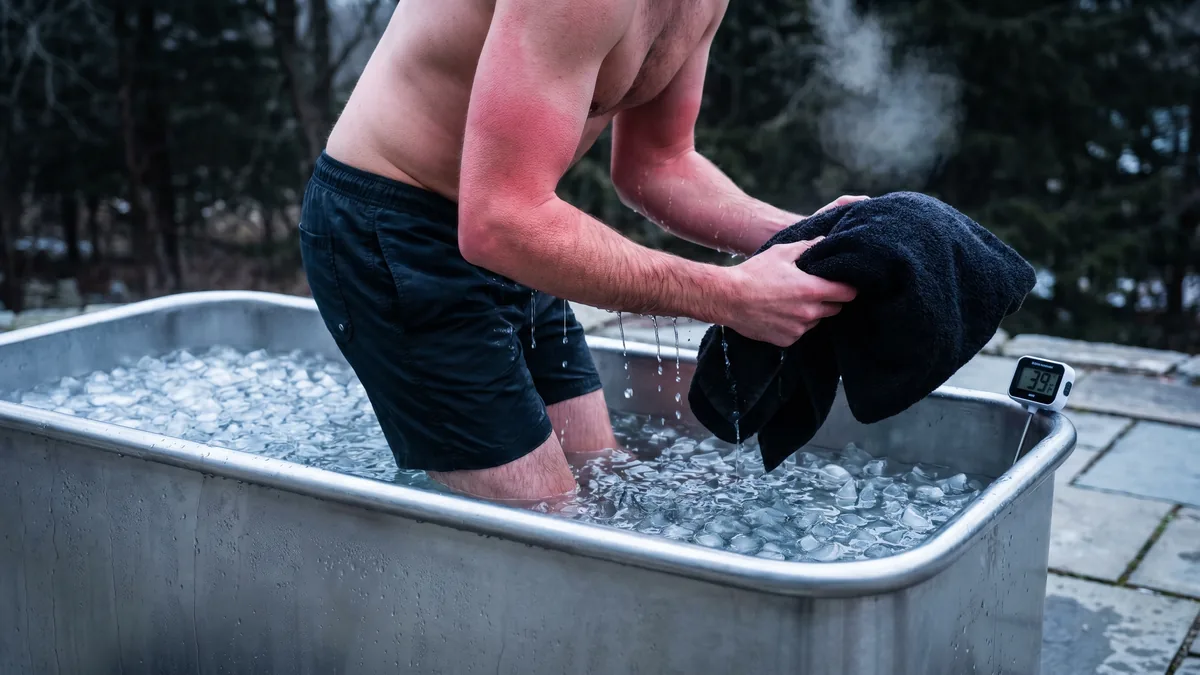
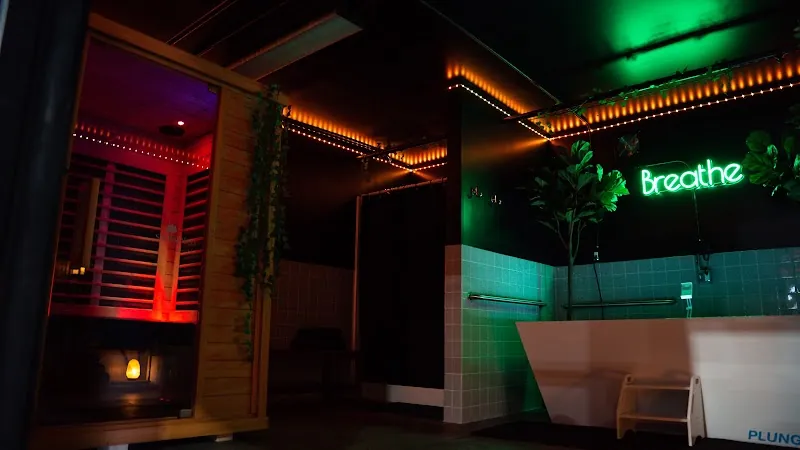
Stainless steel tanks are the industry standard for commercial cold water therapy centers, and for good reason. They're durable, easy to sanitize, and they look professional. But they're also expensive, often $3,000 to $8,000 or more for a single commercial unit, and they conduct cold very efficiently, which means your chiller has to work harder to compensate for heat transfer through the walls. Fiberglass tanks are lighter, a bit better insulated, and cheaper, usually in the $1,500 to $4,000 range, but they're harder to repair if cracked and can harbor bacteria in microscopic surface abrasions over time. Polyethylene tanks are the budget option, starting around $800, and they work fine for starter setups or low-traffic ice bath facilities, though they're not going to impress clients in a premium wellness space.
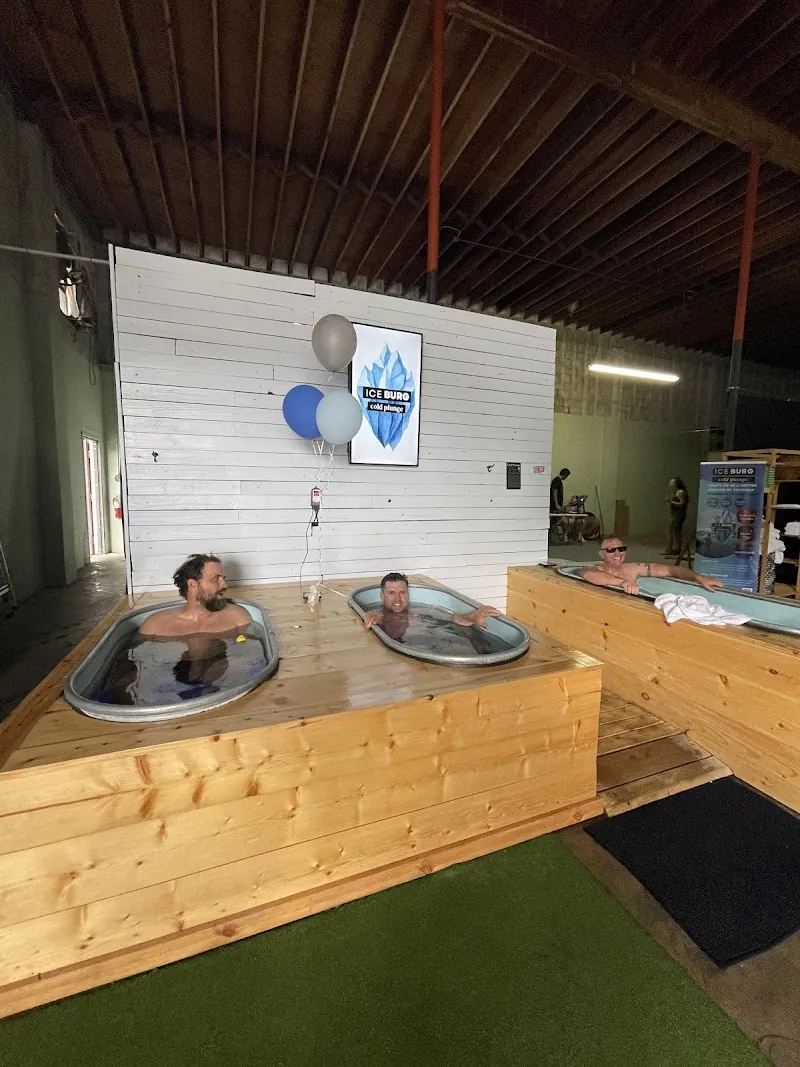
Capacity matters more than most new operators expect. A 200-gallon tank takes significantly longer to cool down than a 100-gallon one, which affects how fast your system recovers between sessions. For a solo practitioner or a small cold therapy studio with maybe 10 to 15 clients a day, a single 100 to 150 gallon tank is often enough. Higher-volume recovery wellness centers running 30-plus sessions daily need to think about either larger tanks, multiple units running in parallel, or in-ground plunge pools with dedicated circulation systems.
And honestly, don't underestimate the accessibility piece. Entry steps and handrails aren't just nice-to-haves, they're often required under ADA guidelines depending on your state and local codes. A client who slips getting into a cold plunge tub is a liability problem and a human problem. Get the steps.
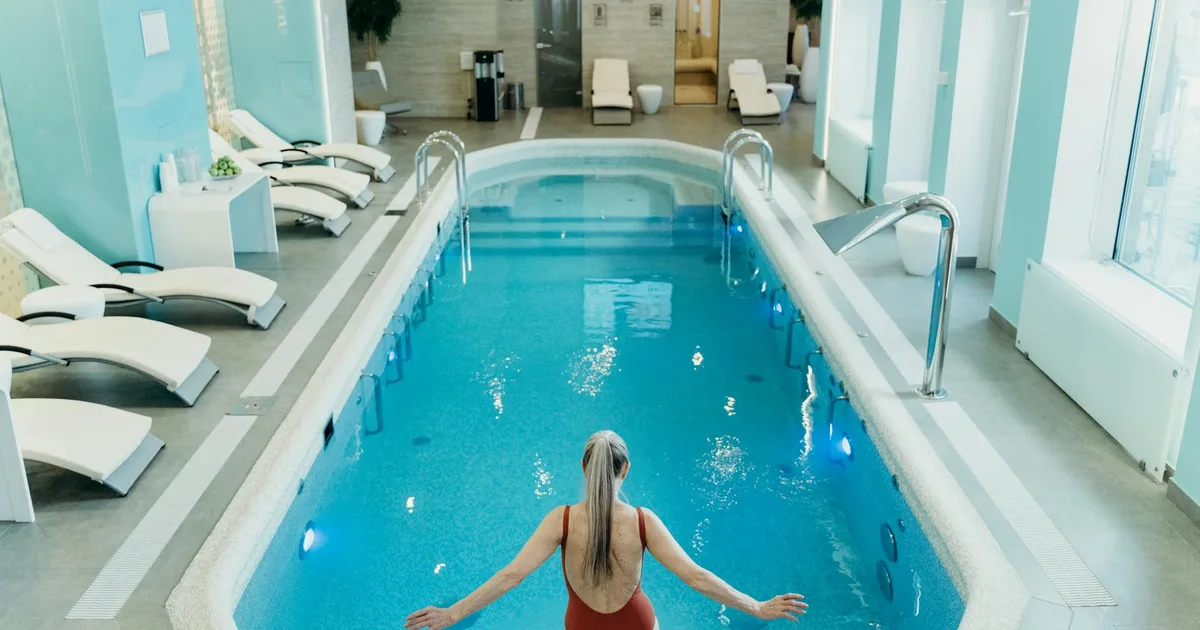
Freestanding units are the most flexible option for most small to mid-sized cold plunge facilities. They can be repositioned if you renovate, they're straightforward to plumb, and most commercial manufacturers offer them with built-in chiller and filtration connections. In-ground pools have a more polished look and work well for high-end cryotherapy spa environments, but they're expensive to install (easily $20,000 to $60,000 depending on size and finish), and if something goes wrong with the plumbing, you're cutting into floors. Modular systems, which stack or connect multiple smaller units, are an interesting middle ground for studios that want to scale over time without committing to a full in-ground build.
Chillers, Filtration, and the Unglamorous Work of Water Quality
This is where most new operators make their biggest mistakes. Not in the tank. Here.
Dedicated water chillers are the right choice for almost every commercial cold immersion center. Ice-based systems, where you're literally adding bags of ice to maintain temperature, are cheap to set up but expensive to operate daily, labor-intensive, and inconsistent. They work fine for a gym that does occasional cold plunge sessions as a side offering, but they cannot reliably hold a target temperature for a high-traffic facility where you need 50 to 55 degrees Fahrenheit all day. Combination units that use a mechanical chiller with ice backup exist, but they're really a compromise solution.
A properly sized dedicated chiller for a single-tank commercial setup typically runs between 1 and 2 tons of cooling capacity, which is roughly 12,000 to 24,000 BTUs. Larger multi-tank installations need more. The key metric isn't just the raw cooling power, it's the recovery time: how fast can the system bring the water back to target temperature after a session? For busy contrast therapy studios, you need a chiller that can recover within 15 to 20 minutes between clients. Underpowered chillers that need 45 minutes to recover kill your throughput and frustrate the clients waiting.
Water filtration and sanitation is not optional. Multiple clients sharing the same water creates real hygiene risks if the system isn't designed to handle it. UV sterilization kills bacteria and pathogens without adding chemicals to the water, making it a popular choice for cold water therapy centers that want a clean, low-maintenance option. Ozone generators work similarly and are excellent at oxidizing organic contaminants, though they require more careful setup to avoid ozone off-gassing in enclosed spaces. Chemical treatment, usually bromine rather than chlorine at cold temperatures since chlorine is less effective below 65 degrees, is the traditional approach and still works well when monitored consistently.
Most serious commercial cold plunge facilities use a layered approach: UV plus a chemical backup, or ozone plus minimal chemical treatment. Relying on a single sanitation method in a high-volume setting is a risk not worth taking.
Every extra minute your chiller needs to recover between sessions is a minute a paying client is waiting. Map out your expected daily session volume before spec'ing your chiller, and then buy one size larger than you think you need. You will not regret it.
Safety Equipment, Monitoring Tech, and the Rules You Can't Ignore
Digital thermometers with continuous display are non-negotiable. Clients need to see the water temperature before they get in, and staff need to confirm it's within safe parameters throughout the day. Timers, either wall-mounted or built into the client-facing interface, help enforce safe immersion limits, which most facilities set between 2 and 10 minutes depending on client experience and temperature. Emergency stop mechanisms that shut off any water circulation equipment in case of an incident are required in most commercial settings and should be clearly labeled and tested monthly.
Non-slip flooring around the tank, on any entry steps, and in the surrounding wet area is something inspectors will check and something clients will notice immediately. One slip is enough to generate a bad review and a lawsuit.
Smart monitoring systems have gotten genuinely useful in the last few years. Digital control panels that log temperature data over time, remote alerts that notify operators when temp drifts outside the target range, and automated system shutdown when sensors detect anomalies, these tools let a cryotherapy spa run more safely with fewer staff constantly hovering over the equipment. Several manufacturers now offer cloud-connected monitoring that you can check from your phone, which is useful if you're managing multiple tanks or running a solo operation.
Compliance rules vary a lot by location, and this is not an area to guess. New York has 30 cold plunge listings in our directory alone. Anchorage has 25. Las Vegas and Albuquerque each have 19. Each of those cities, and the states they're in, may have different rules governing public water immersion facilities, plumbing codes for plunge pool spas, and health department inspection requirements. Some states classify cold immersion facilities similarly to public pools and require licensed operators. Others barely regulate them at all. You need to know which situation you're in before you build out, not after.
What This Actually Costs: Honest Numbers for Different Setup Tiers
Budget starter setups for a small cold therapy studio, one polyethylene or entry-level fiberglass tank, a basic dedicated chiller, and minimal filtration, can come in around $5,000 to $12,000 for all equipment combined. This works for a solo practitioner or a gym adding cold plunge as a secondary service. It's not built for volume.
Mid-range configurations for an established recovery wellness center, one or two commercial stainless steel tanks, a properly sized chiller with fast recovery time, UV filtration, smart monitoring, and proper safety hardware, typically run $20,000 to $50,000. This is where most serious cold plunge facilities land, and it's also where you start seeing the operational consistency that drives those 4.9-star ratings.
Premium commercial installations for high-volume cryotherapy spas or multi-tank contrast therapy studios, in-ground or custom tanks, industrial chillers, full ozone-plus-UV sanitation, digital monitoring integration, and ADA-compliant infrastructure, can easily reach $75,000 to $150,000 or more. Rock and Armor in Meridian, Idaho, which holds a 5.0-star rating across 1,448 reviews, and Next Health in New York, which matches that score with 1,142 reviews, are operating at this level. That kind of review volume at a perfect rating doesn't happen by accident. It reflects facilities that invested seriously in the equipment and operational systems that make consistent quality possible.
| Business Name | Location | Rating | Reviews |
|---|---|---|---|
| Rock and Armor | Meridian, ID | 5.0 ★ | 1,448 |
| Pain Center of Rhode Island | Cranston, RI | 5.0 ★ | 1,207 |
| Fire & Ice Wellness | Bristol, England | 5.0 ★ | 1,199 |
| Next Health | New York, NY | 5.0 ★ | 1,142 |
| Remède IV Therapy + Aesthetics | Jackson, WY | 5.0 ★ | 948 |
One thing worth mentioning, and this is a bit of a tangent but genuinely useful: when you're kitting out a new facility, the consumable supply costs add up faster than most people expect. Bromine tablets, UV bulbs, ozone generator parts, test strips, replacement filters. Buying these in bulk from discount suppliers rather than directly through your equipment manufacturer can save real money over a year. Some operators have even found deals through salvage or overstock grocery and supply retailers, and if you're curious about that kind of buying approach, Salvage Grocery Stores is worth a look for understanding how overstock purchasing works across different product categories. In practice, the principle translates to supply procurement in other industries, including wellness.
If you're going to overspend anywhere in your cold plunge setup, make it the chiller. Tanks are relatively simple and durable. Chillers are the heart of the system, and an undersized or unreliable one will cost you more in lost sessions and emergency repairs than the upgrade would have cost upfront.
FAQ: Cold Plunge Equipment Questions Facility Owners Actually Ask
What temperature should a commercial cold plunge be maintained at?
Most cold water therapy centers target between 50 and 59 degrees Fahrenheit for general use. Some facilities offer a colder experience at 45 to 50 degrees for experienced clients. Going below 45 degrees in a commercial setting requires very careful client screening and is not recommended for general public access. Your chiller should be able to hold your target temperature consistently, not just reach it once and drift.
How often does water need to be changed in a commercial cold plunge tank?
With a proper UV and chemical filtration system running, most commercial cold immersion centers do a full water change every 2 to 4 weeks, with daily chemical checks and top-offs as needed. Without filtration, daily or even per-session changes would be required, which is operationally and financially unrealistic for any real cold plunge facility.
Can I use a residential cold plunge tub for a commercial setup?
Short answer: no. Residential tubs are rated for one user, limited daily cycles, and much lower water volume turnover. Running a contrast therapy studio or ice bath facility on residential equipment will void your warranty, probably fail health inspections, and break down under the load within months.
Do I need a permit to open a cold plunge facility?
Almost certainly yes, though the specific permits depend on your city and state. Most municipalities treat plunge pool spas and cold immersion facilities similarly to public pools or hydrotherapy centers, which means health department approvals, plumbing permits, and potentially electrical permits for chiller installation. Check with your local health department before signing any lease or ordering equipment.
What's the biggest equipment mistake new facility owners make?
Buying an undersized chiller. Every time. New operators focus on the tank because it's the most visible part of the setup, and then they buy whatever chiller the tank manufacturer recommends as a minimum. Minimum specs are not designed for high-traffic commercial use. Size up, always.
How do top-rated facilities maintain such high review scores?
Look at the data: businesses like Rock and Armor and Next Health have thousands of reviews at a perfect 5.0 stars. That kind of consistency comes from reliable equipment that holds temperature, clean water that clients notice, safe entry and exit setups, and professional monitoring that prevents bad experiences before they happen. Equipment quality directly affects review quality in this industry.
Explore Related Directories
Find Cold Plunge Businesses Near You
Browse our directory of 1,934+ cold plunge facilities, ice bath facilities, cryotherapy studios, and recovery wellness centers across the country. Find top-rated options in your city or list your own business today.
Search the Directory